
The problem with most glove liners is that they force a trade-off: you either get warmth with sausage-like fingers that can’t zip a jacket, or you get dexterity with fingers that go numb after ten minutes. For extreme cold, that compromise isn’t acceptable—you need a liner that traps heat without robbing your hands of movement.
I’m Mohammad Maruf — the founder and writer behind Drink4Good. I’ve spent countless hours analyzing thermal retention data, fabric weave densities, and user performance reports to find the liners that actually function below freezing.
After researching dozens of models, I’ve compiled the definitive list of the best-performing glove liners for extreme cold that balance insulation, breathability, and practical usability.
How To Choose The Best Glove Liners For Extreme Cold
Glove liners serve a single purpose: trap a layer of warm air against your skin while letting moisture escape. In extreme cold—think below 20°F—the wrong liner can actually make your hands colder by trapping sweat against your skin, which then freezes. Start with the material, then consider fit and dexterity needs.
Fabric Matters Most: Silk vs. Merino vs. Synthetic
Silk is the thinnest option, offering a slick surface that slides easily under tight outer gloves. It provides warmth without bulk but lacks moisture-wicking compared to merino. Merino wool, especially at 200gsm weight, offers superior thermal regulation and natural odor resistance, but it’s thicker and can feel itchy for some. Synthetic polyester blends (like those used in Under Armour or Arc’teryx liners) dry fastest, stretch well, and often include wind-resistant coatings—important when you’re moving through cold air on skis or a bike.
Fit and Dexterity: The Second-Skin Principle
A liner that’s too loose creates folds that cause pressure points inside your outer glove. Too tight restricts blood flow and accelerates cold fingers. Look for a snug, second-skin fit with articulated fingers. The best liners use a four-way stretch fabric that moves with your hand, not against it.
Touchscreen Compatibility: A Real Feature or a Marketing Gimmick?
Cheap liners use metallic-thread patches on the thumb and index finger. These work inconsistently and stop working after a few washes. Higher-end liners weave conductive fibers into the fabric itself—this provides reliable touch performance throughout the life of the glove. If you need to use your phone in the cold, don’t settle for the patch approach.
Quick Comparison
On smaller screens, swipe sideways to see the full table.
| Model | Category | Best For | Key Spec | Amazon |
|---|---|---|---|---|
| Arc’teryx Rho Glove | Synthetic | High-output activity in extreme cold | 190gsm polyester-elastane | Amazon |
| Icebreaker 200 Oasis | Merino Wool | All-day static wear in severe cold | 200gsm merino wool | Amazon |
| Hestra Touch Point Active | Synthetic | Skiing and snowboarding layering | Brushed polyester tricot | Amazon |
| Seirus Heatwave ST (Tier 2) | Synthetic | Tactical / LEO use in variable cold | Stretch polyester blend | Amazon |
| Seirus Heatwave ST (Tier 3) | Synthetic | Second-skin fit under mittens | Stretch polyester blend | Amazon |
| Under Armour Storm Liner | Synthetic | Cold-weather running / driving | UA Storm water repellent | Amazon |
| Terramar Thermasilk | Silk | Ultra-thin layering under tight gloves | 100% pure silk filament | Amazon |
In‑Depth Reviews
1. Arc’teryx Rho Glove

The Arc’teryx Rho Glove is built on the Torrent 190 fabric—a 190gsm polyester-elastane blend that provides exceptional moisture management and a compressive second-skin fit. This is a true base layer: it’s thin enough to wear under a shell glove but thick enough to handle moderate cold on its own down to about 30°F. The moisture-wicking performance is industry-leading; it pulls sweat away from the skin rapidly and dries fast, preventing the dreaded freeze-damp cycle that plagues thicker cotton or acrylic liners.
Touchscreen compatibility is woven into the fingertips using conductive fibers rather than a glued-on patch. Users consistently report reliable phone operation even after dozens of wears and washes. The ambidextrous design simplifies packing, and the pull-on closure means zero bulk at the wrist. For high-output activities like winter trail running, backcountry skiing, or fast-paced hiking, this liner excels where breathability and dexterity are non-negotiable.
Where it falls short is in static extreme cold. If you’re standing still in sub-20°F temperatures for extended periods, the 190gsm fabric will require a serious outer glove or mitten. Several reviewers noted its effectiveness as a liner under a heavy shell during multi-day backpacking trips on the Appalachian Trail, praising its low weight and packability. The price is premium, but the construction quality and fabric technology justify the cost for serious cold-weather athletes.
Why it’s great
- Exceptional moisture management prevents sweat freeze
- Reliable integrated touchscreen fibers
- Ambidextrous, low-bulk design for active use
Good to know
- Premium price point
- Not warm enough alone for static wear below 30°F
2. Icebreaker Merino 200 Oasis Glove Liner

The Icebreaker 200 Oasis uses a 200gsm merino wool jersey fabric with a touch of LYCRA for stretch. This is a thicker, warmer liner than most polyester alternatives—many users found it to be the warmest liner they tested, even outperforming thicker synthetic gloves. The merino fiber structure allows it to absorb and release moisture vapor without feeling wet, a critical advantage for all-day wear in sub-freezing conditions. It naturally resists odors, making it ideal for multi-day trips where washing isn’t an option.
Fit is generous: the liner covers about a quarter of the forearm, providing extra wrist insulation. However, some users with smaller hands found the fit loose compared to other liners. The touchscreen functionality is minimal—don’t buy this for phone operation. Where this liner truly shines is under a heavy outer mitten in severe cold. Reviewers reported using it in northern Vermont at single-digit temperatures and preventing frostnip, and one fat biker used it inside pogies at -10°F with excellent results.
The main durability concern is fingertip wear. Multiple long-term users noted that the merino fibers develop holes in the fingertips after a season of heavy use. This is a material trade-off: merino is softer and more comfortable than synthetics but less abrasion-resistant. If you’re looking for a liner that prioritizes warmth and comfort over durability in high-contact uses, this is your pick. It’s also significantly more expensive than synthetic alternatives.
Why it’s great
- Superior warmth-per-weight among all liners tested
- Natural odor resistance for multi-day use
- Excellent moisture vapor management
Good to know
- Fingertips show wear over time
- Not touchscreen compatible
- Loose fit for smaller hands
3. Hestra Touch Point Active Liner
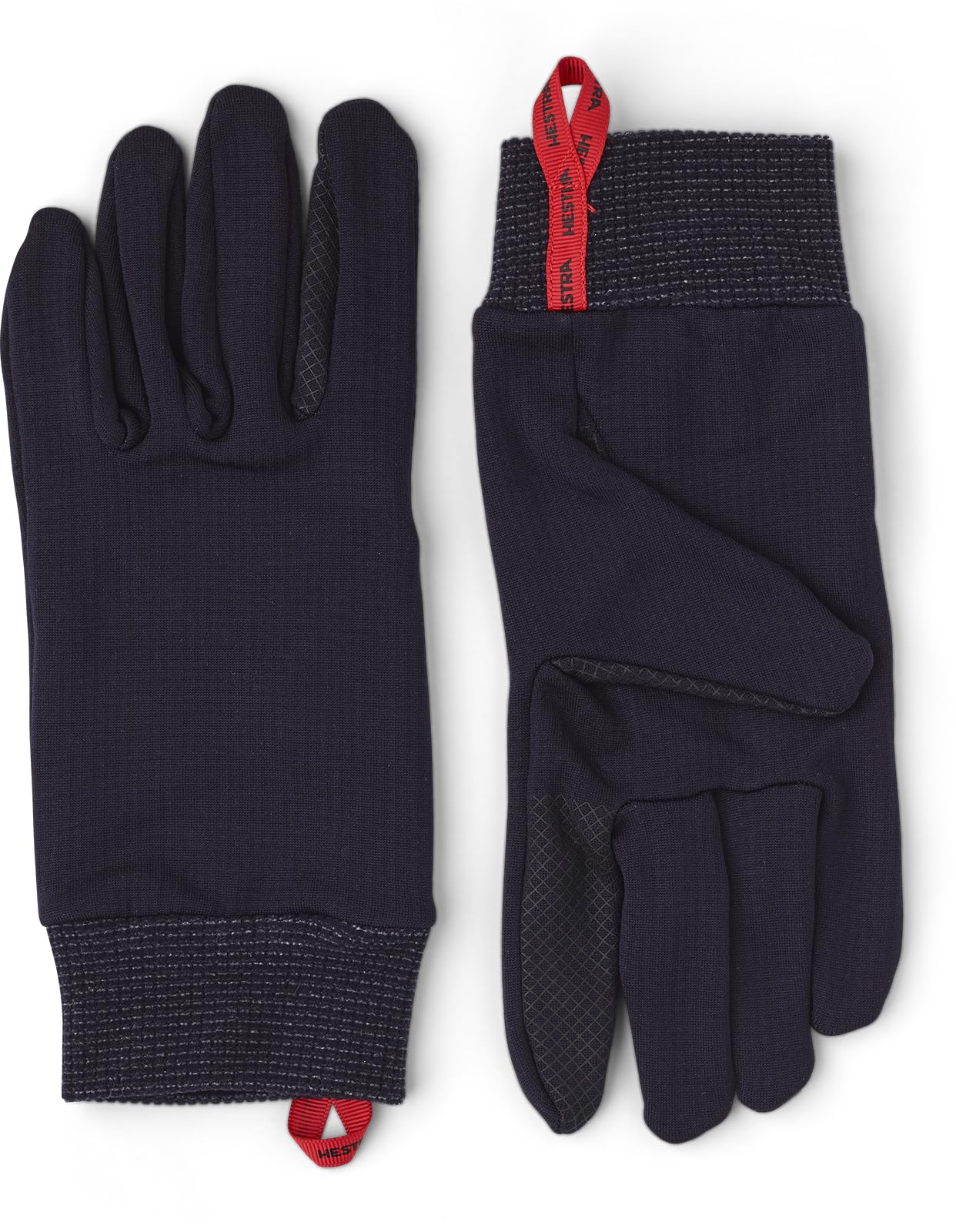
Hestra is a Swedish brand known for premium ski gloves, and the Touch Point Active Liner carries that heritage. Made from a brushed polyester tricot, this liner is designed as a dedicated layering piece for Hestra’s shell glove system. The brushed interior provides a soft feel against the skin, and the smooth exterior slides easily into any outer glove without bunching. It’s machine washable, which is a practical advantage over silk and merino alternatives that require hand washing.
The touchscreen compatibility is among the best in this category—conductive fibers woven into the fingertips provide consistent and responsive operation. One reviewer with Raynaud’s syndrome reported that these gloves kept his hands warm and dry under heavy winter conditions. The warmth-to-thickness ratio is impressive; users found them comfortable enough alone for short walks around town, but truly excel as a liner for backcountry skiing where you need dexterity for buckles and zippers.
The primary drawback is breathability. Compared to merino wool liners, the brushed polyester traps more heat and moisture during high-output activities. One reviewer noted they preferred their merino liners for this reason, deducting a star for breathability. The fabric also showed slight pilling after half a dozen uses, though it did not affect performance or appearance. This is a specialized liner for someone who prioritizes touchscreen performance and machine-washability over maximum breathability.
Why it’s great
- Excellent, consistent touchscreen performance
- Machine washable for easy care
- Smooth exterior slides easily under shell gloves
Good to know
- Less breathable than merino liners
- Fabric may pill with heavy use
4. Seirus Innovation Heatwave ST Glove Liner (Tier 2)

The Seirus Heatwave ST is a stretch polyester liner designed with tactical applications in mind. The first thing you notice is the snug, second-skin fit and the rubberized grip patches on the thumb and index finger. These patches provide a textured surface that helps with gripping small objects, a feature appreciated by law enforcement officers and fuel delivery workers who need to manipulate tickets and firearms in the cold.
Touchscreen performance is good, though users reported that the metallic thread patches can be finicky. The liners are thin enough to wear under functional work gloves while maintaining dexterity for precise tasks. One LEO reviewer noted they allowed firearm operation and electronic device use in cold weather without removing the outer glove. The durability is solid—multiple reviewers reported a year of heavy use with minimal signs of wear, though one reviewer noticed a hole in a fingertip after only two days of use.
The warmth-to-thickness ratio is good for a synthetic liner this thin, but it’s not a standalone solution for deep cold. Users found them effective for intermittent cold exposure and as a liner under Monkey Grip or similar work gloves. The price is mid-range, and the value proposition is strong for anyone who needs a functional glove liner for work or tactical purposes where dexterity and grip are as important as warmth.
Why it’s great
- Snug, second-skin fit for maximum dexterity
- Rubberized grip patches for precision handling
- Good durability for heavy intermittent use
Good to know
- Touchscreen can be inconsistent
- Some quality control issues with stitching
5. Seirus Innovation Heatwave ST Glove Liner (Tier 3)
This is a color variation of the Seirus Heatwave ST (Nordic-Rose Gold) that offers identical performance characteristics. The key feature is a stretchy, form-fitting construction that adapts to your hand shape over time. Several reviewers noted that the Small/Medium size was initially tight but relaxed after a few wears to provide a truly custom fit. The warmth-to-thickness ratio is excellent for a synthetic liner this thin—users reported it made their hands feel warmer even when worn alone in moderate cold.
The grippy pleather-like material on the thumb and index finger is a standout feature. It provides tactile feedback for precise operations. The touchscreen compatibility works for most users, though like its counterpart, it uses a patch approach. The metallic color option is visually distinct, though one skier noted the color faded after a single ski trip—purely cosmetic, no impact on performance. Reviewers consistently described them as “second-skin” fit, praising how they eliminated the bunching and sliding common with looser liners.
The main limitation is the price, which sits at the higher end of the mid-range bracket. For that cost, you get a well-constructed liner that offers good warmth, exceptional fit, and improved durability over the previous generation. One reviewer noted their 15-year-old pair was finally replaced by this current version, highlighting the long-term value. If you want a liner that disappears on your hand and stays there, this is the model to consider.
Why it’s great
- Truly “second-skin” fit with stretch adaptation
- Good warmth for its thin profile
- Grippy pleather tips for handling tasks
Good to know
- Metallic color may fade with use
- Higher price for a mid-range liner
6. Under Armour Men’s Storm Liner

The Under Armour Storm Liner stands out for its UA Storm water-repellent finish, which sheds light snow and mist without sacrificing breathability. This is a thin, multitasking liner made from 87% polyester and 13% elastane. The fabric has a smooth exterior and plush interior, providing a good balance of comfort and warmth. The Tech Touch fingertips on the thumb and index fingers use conductive thread for touchscreen operation, and an extra-soft Speedwipe fleece patch on the back of the index finger and thumb is a thoughtful detail that many runners appreciate.
Users consistently reported that these are great for running in 30-50°F conditions, keeping hands warm without overheating. The touchscreen functionality works reliably for basic phone operations. The snug fit is ideal as a liner under ski gloves or mittens—one user reported using them under Gortex mittens in Minnesota cold with no issues. The extended cuff seals out cold air effectively. Reviewers noted the construction quality is high, with durable stitching and no durability issues after extended use.
Where the Storm Liner falls short is in extreme wet conditions and deep cold. The water-repellent finish helps with light precipitation but isn’t fully waterproof. For temperatures below 20°F, these are not sufficient as standalone gloves. They also lack the insulation density of merino wool or premium synthetic options, making them best suited as a mid-weight liner rather than an extreme cold solution. However, for the price, they offer exceptional versatility and comfort.
Why it’s great
- Water-repellent finish sheds light snow/mist
- Reliable touchscreen with Speedwipe fleece
- Versatile for running, driving, or layering
Good to know
- Not warm enough for extreme cold alone
- Not fully waterproof in heavy precipitation
7. Terramar Adult Thermasilk Glove Liner
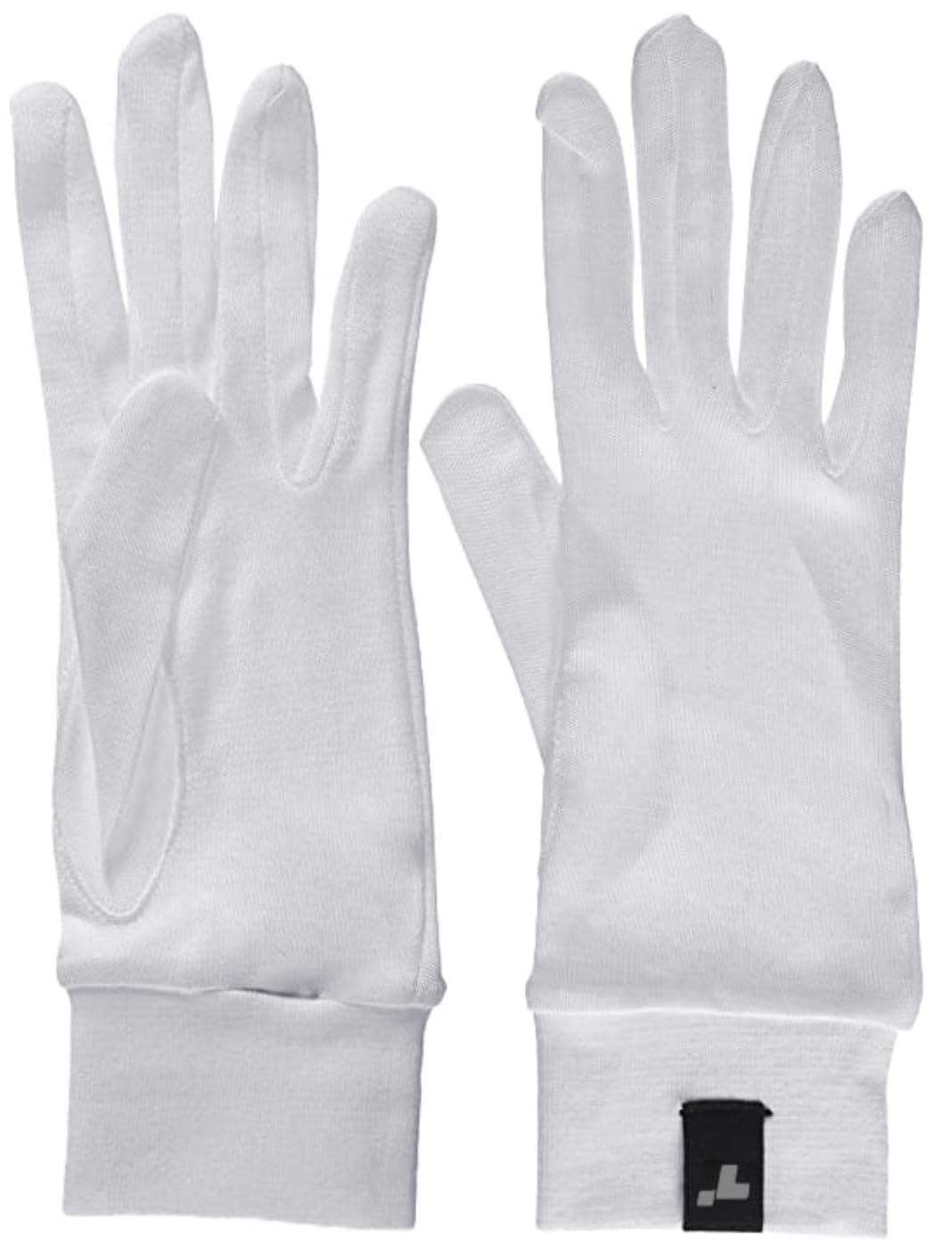
The Terramar Thermasilk is the only 100% pure silk liner in this comparison. Silk has unique properties: it’s naturally thermoregulating, meaning it adapts to your body temperature to keep you warm when it’s cold and cool when it’s warm. The fabric is incredibly thin and lightweight—you’ll barely notice you’re wearing them. The smooth surface slides effortlessly under tight leather or cashmere gloves without adding bulk or compression. The extended cuff provides good wrist coverage.
Where silk excels is in preventing the itch and irritation that some people experience with wool and synthetics. Several users with sensitive skin reported that the silk liners prevented the dryness and itching they typically got from wool. The warmth-to-thickness ratio is decent for its weight, but it’s important to set expectations: silk does not produce “extreme cold” levels of insulation on its own. It works best as a first layer under a moderately warm glove. Users reported success in single-digit temps when layered under suede shearling or alpaca gloves.
The durability concerns are significant. Silk liners are delicate—multiple reviewers noted they snag and run like pantyhose with rough wear. The sizing runs extremely small; one reviewer who ordered medium found it fit like an extra-small. Sizing up is recommended. The touchscreen capability is practically nonexistent. For the price, you’re paying for the material and thinness, not for durability or ease of use. These are best for someone who wants the absolute thinnest, most comfortable liner for light cold conditions or as a base layer under a high-quality outer glove.
Why it’s great
- Ultra-thin with no added bulk under gloves
- Naturally thermoregulating silk material
- Hypoallergenic and comfortable for sensitive skin
Good to know
- Very fragile—snags and runs easily
- Sizing is significantly smaller than expected
- No functional touchscreen capability
FAQ
Can I use silk glove liners for extreme cold below 10 degrees Fahrenheit?
How should glove liners fit to provide maximum warmth?
Are merino wool glove liners better than synthetic for extreme cold?
Why do some glove liners cause my hands to feel colder than without them?
Final Thoughts: The Verdict
For most users, the glove liners for extreme cold winner is the Arc’teryx Rho Glove because its 190gsm Torrent fabric provides the best balance of moisture management, wind resistance, and dexterity for active use in sub-freezing conditions. If you prioritize raw warmth for static wear and don’t mind a thicker profile, the Icebreaker 200 Oasis is your choice. And for the best value-to-performance ratio in a water-resistant, touchscreen-compatible liner, the Under Armour Storm Liner is hard to beat.