
The crack of the bat, the sprint to the ball, and that split second where a stinger finds the pocket of your glove — the right glove for baseball makes that moment routine instead of a prayer. But the shelf is crowded with stiff wallets that require a season to break in and palm liners that leave your hand slick with sweat. The difference between a good season and a great one often comes down to how your glove feels the first time you pound a fist into it.
I’m Mohammad Maruf — the founder and writer behind Drink4Good. I’ve spent thousands of hours poring over glove construction specs, comparing hide grades, web patterns, and break-in timelines to separate the keepers from the dust collectors.
Whether you’re a tournament parent sizing up your 12-year-old’s next gamer or an adult-leaguer craving that perfect H-web feel, this guide cuts through the noise to spotlight the best gloves for baseball that balance leather quality, fit, and field-ready performance without wasting your time on stiff cardboard.
How To Choose The Best Gloves For Baseball
A glove is more than a leather basket — it’s a mechanical extension of your hand. Choosing wrong means dropped liners, slow transfers, and a break-in process that feels like a second job. Here are the four specs that actually separate field-ready gloves from shelf dust collectors.
Position Matching: Web Type and Glove Size
An infielder needs a shallow pocket and an open web (H-web or I-web) for quick transfers. Outfielders should grab a longer glove, 12.5 to 13 inches, with a closed web to trap fly balls. Pitchers prefer closed webs to hide their grip. First basemen use a specialized mitt up to 13 inches with deep padding. If you buy a single “all-around” glove, the 11.5- to 12-inch H-web is your safest bet for versatility.
Leather Grade and Durability
Full-grain steer hide (used in the premium tier) lasts years but demands a stiff, multi-week break-in. Cowhide, found in mid-range options, breaks in faster while still offering solid shape retention. Synthetic leather and vinyl are lightweight and budget-friendly but lose their structure within a season of regular play. For a youth player still growing, cowhide or a soft full-grain shell hits the sweet spot of durability without the brutal break-in.
Break-In Level: Ready-to-Play vs. Traditional
Gloves come with a break-in percentage listed on the tag. A 90-percent factory break-in means you can take it to a game that afternoon. A 10-percent factory break-in means you’re looking at weeks of mallet work, oil, and catch sessions. If you’re a parent buying for a kid who wants to play tomorrow, look for “Ready-to-Play” or “Soft” break-in labels. If you’re a serious player who wants to form the pocket exactly to your hand, a stiffer leather with more player break-in gives you that control.
Hand Orientation and Fit
A right-hand throw glove fits on the left hand. This sounds obvious, but it’s the most returned mistake. Also check finger stall length — some premium models like the Wilson A2000 offer Pedroia Fit, which uses shorter finger stalls for smaller hands. A glove that is too loose in the finger stalls will feel sloppy and reduce your control on transfers.
Quick Comparison
On smaller screens, swipe sideways to see the full table.
| Model | Category | Best For | Key Spec | Amazon |
|---|---|---|---|---|
| Wilson A2000 | Premium Infield | Advanced middle infielders | 11.5″ / Pro Stock Leather | Amazon |
| Rawlings Heart of The Hide R2G | Premium Infield | High school to pro infielders | 11.5″ / Steer Hide Leather | Amazon |
| SSK Z5 Craftsman | Mid-Range Infield | Game-ready feel, fast break-in | 11.5″ / Cowhide Nameshi | Amazon |
| Wilson A700 PF | Mid-Range Infield | Youth with smaller hands | 11.25″ / Full Grain Leather | Amazon |
| Rawlings Select PRO LITE | Youth Outfield | Ages 6-12 first real glove | 12″ / All Leather Shell | Amazon |
| Mizuno Premier Series | Adult Softball | Slowpitch fielders | 12.5″ / Full Grain Palm | Amazon |
| MacGregor Infield Training | Training Aid | Pancake infield development | Pancake / Leather | Amazon |
In-Depth Reviews
1. Wilson A2000

The Wilson A2000 is the gold standard for serious infielders. Its Pro Stock Leather shell is thick and rugged, yet the SuperSkin microfiber on the back eliminates excess weight while adding moisture resistance — a combo that keeps the glove feeling responsive through a doubleheader. The 1786 pattern with a 11.5-inch H-web gives middle infielders a pocket that swallows grounders and releases quickly for double-play feeds.
The DriLex wrist lining actively wicks sweat, keeping your hand dry when the game gets hot. Flat finger binding allows you to play with a finger outside the glove without pinching, a detail that feels engineered rather than added as an afterthought. The Comfort Pro Fit liner, with its ProLux leather interior, is the softest stock liner in Wilson’s lineup — no raw spots after a full nine innings.
Expect a stiff break-in period. The Pro Stock leather requires mallet work, glove oil, and at least a dozen catch sessions before the pocket locks in. But once it does, the A2000 holds its shape for years. College and pro players routinely get multiple seasons out of one A2000 before needing a replacement. It’s an investment that rewards the player committed to the break-in process.
Why it’s great
- Pro Stock Leather offers unmatched durability and feel
- SuperSkin reduces weight and resists moisture
- DriLex lining keeps hands dry in long games
Good to know
- Stiff break-in requires weeks of work
- Premium price tier
2. Rawlings Heart of The Hide R2G
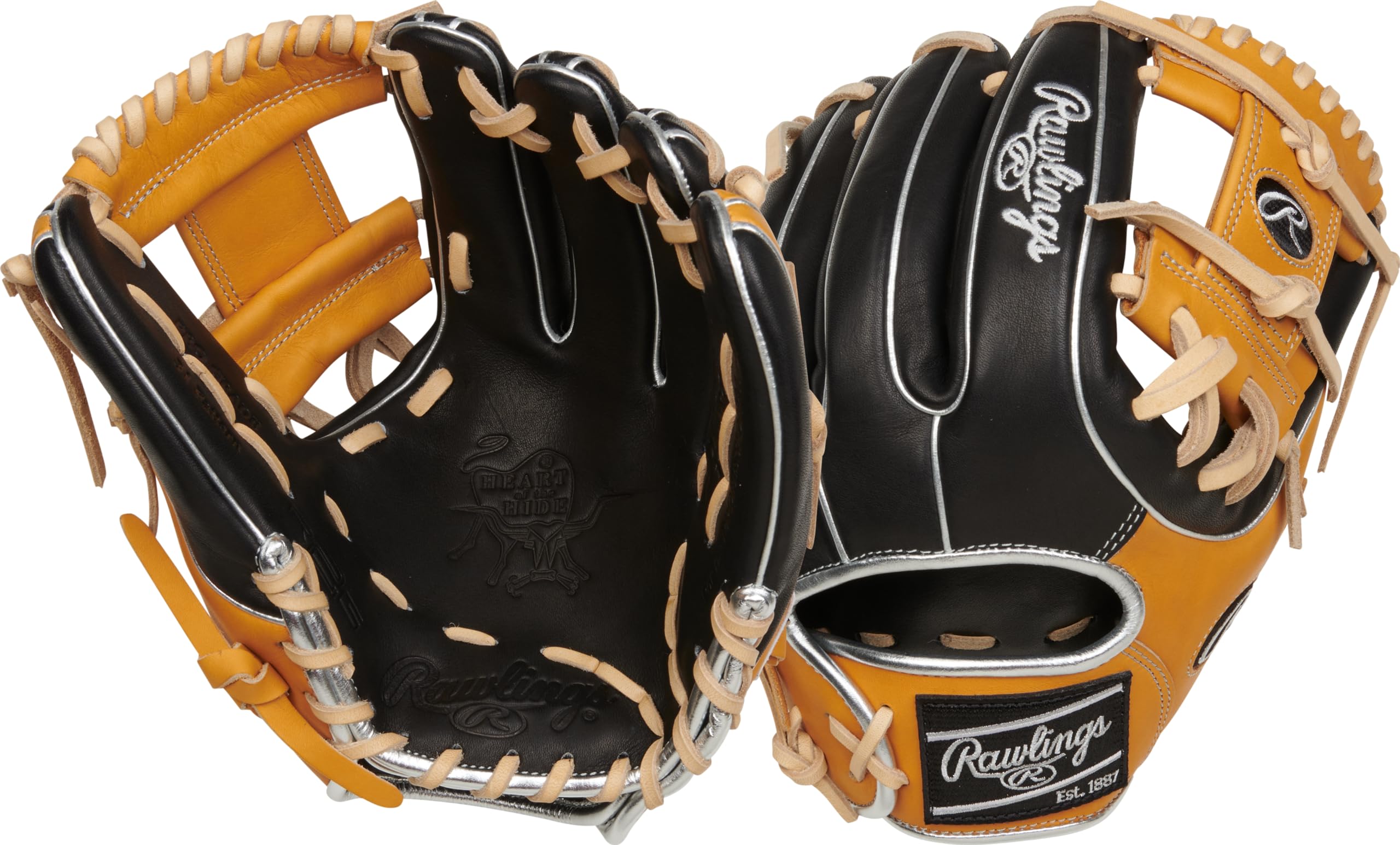
Rawlings Heart of the Hide has been the choice of major leaguers for decades, and the R2G (Ready-2-Go) version strips away the biggest barrier: the six-month break-in. With a 65-percent factory break-in, this glove is usable out of the box, though you’ll still want a few catch sessions to dial in the pocket exactly to your hand. The Pro I Web is ideal for infielders who prioritize clean, quick transfers.
The steer hide leather is cut from the top layer of the hide, giving it a dense grain that resists stretching. Deer-tanned cowhide in the palm lining adds a buttery feel against your skin, reducing the friction that causes blisters during long practices. The full-grain finger back linings reinforce the structure without adding bulk. The colorway — Black/Tan — is understated but looks premium on the field.
This glove lands in the premium price tier, but the value holds because of the leather longevity. Multiple reviewers mention that with proper care — regular oiling and keeping the shape with a ball in the pocket — the Heart of the Hide can outlast a player’s entire high school career. If you want a pro-grade glove that doesn’t demand a monastic break-in commitment, the R2G is the right call.
Why it’s great
- 65% factory break-in saves weeks of work
- Steer hide leather is incredibly durable
- Deer-tanned palm lining is comfortable and soft
Good to know
- Still needs some player break-in for optimal pocket
- Premium price tier
3. SSK Z5 Craftsman Infield Glove
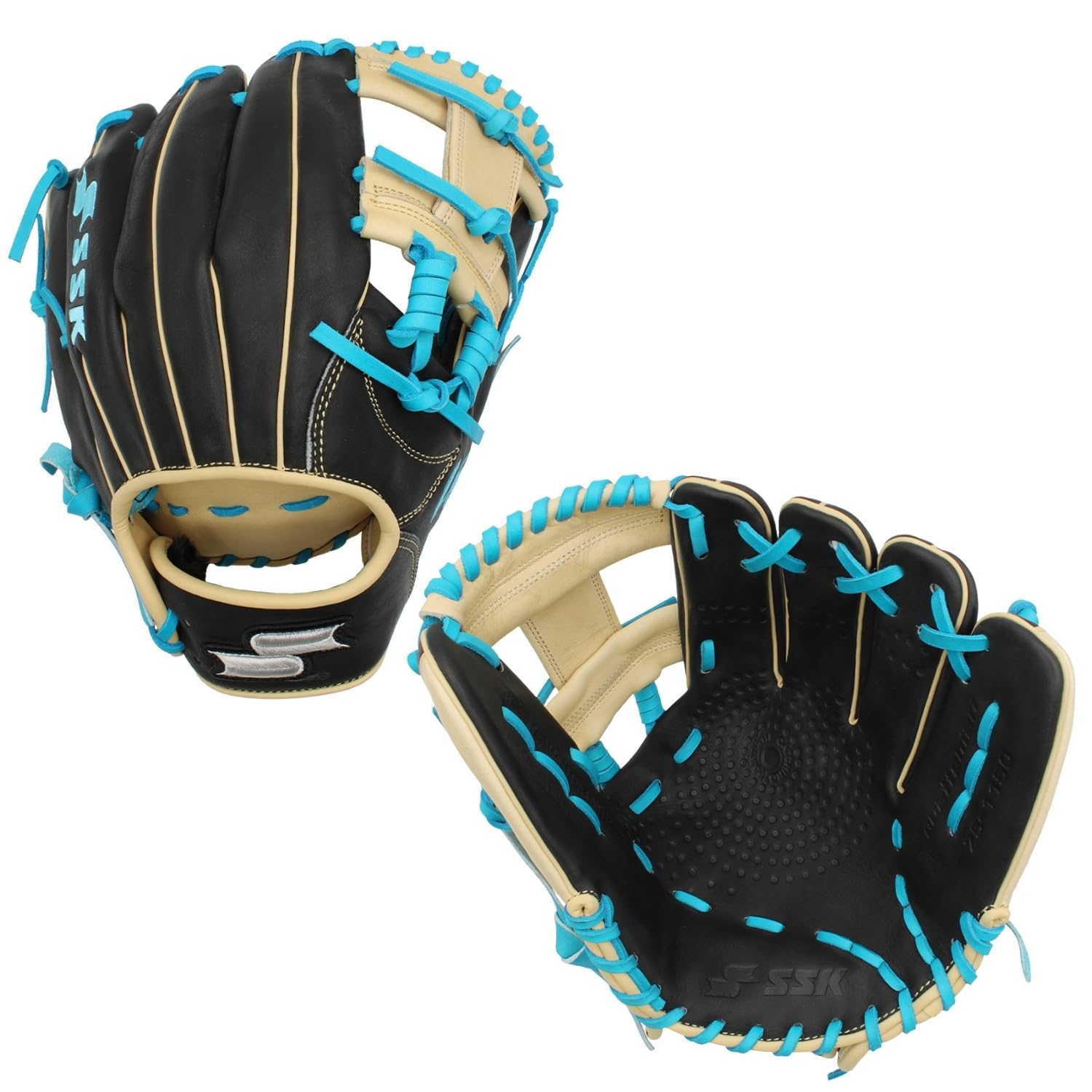
The SSK Z5 Craftsman is the hidden gem of this list — a mid-range glove that performs like a premium model. The Premium Cowhide Nameshi leather is soft and game-ready straight from the box, thanks to an extra factory break-in process. Players report being able to use it in a game the same day they open the package, with minimal mallet work. The Dimple Sensor Technology in the palm reduces ball spin at the catch point, making transfers noticeably smoother.
The top-grain leather lacing is thicker than what you’ll find on budget gloves, with a high tensile strength that resists tearing even after a season of hard use. The H-web pattern at 11.5 inches is a classic infield setup — open enough for quick glove-to-hand exchanges but closed enough to secure the ball. The color scheme of Black/Camel/Electric Blue is distinctive without being flashy.
Where the Z5 really wins is the cost-to-quality ratio. It delivers a game-ready feel that rivals gloves priced significantly higher. The only trade-off is that the leather, while soft and easy to shape, is not as dense as top-tier Pro Stock or steer hide. It will last for seasons of regular play but may not hold its shape as long as the A2000 under daily high-level use. For the mid-range tier, however, it’s a superb pick.
Why it’s great
- Game-ready feel with minimal break-in
- Dimple Sensor Technology improves grip and transfers
- Premium cowhide punches above its price tier
Good to know
- Leather is less dense than top-tier hides
- Mid-range price tier
4. Wilson A700 PF
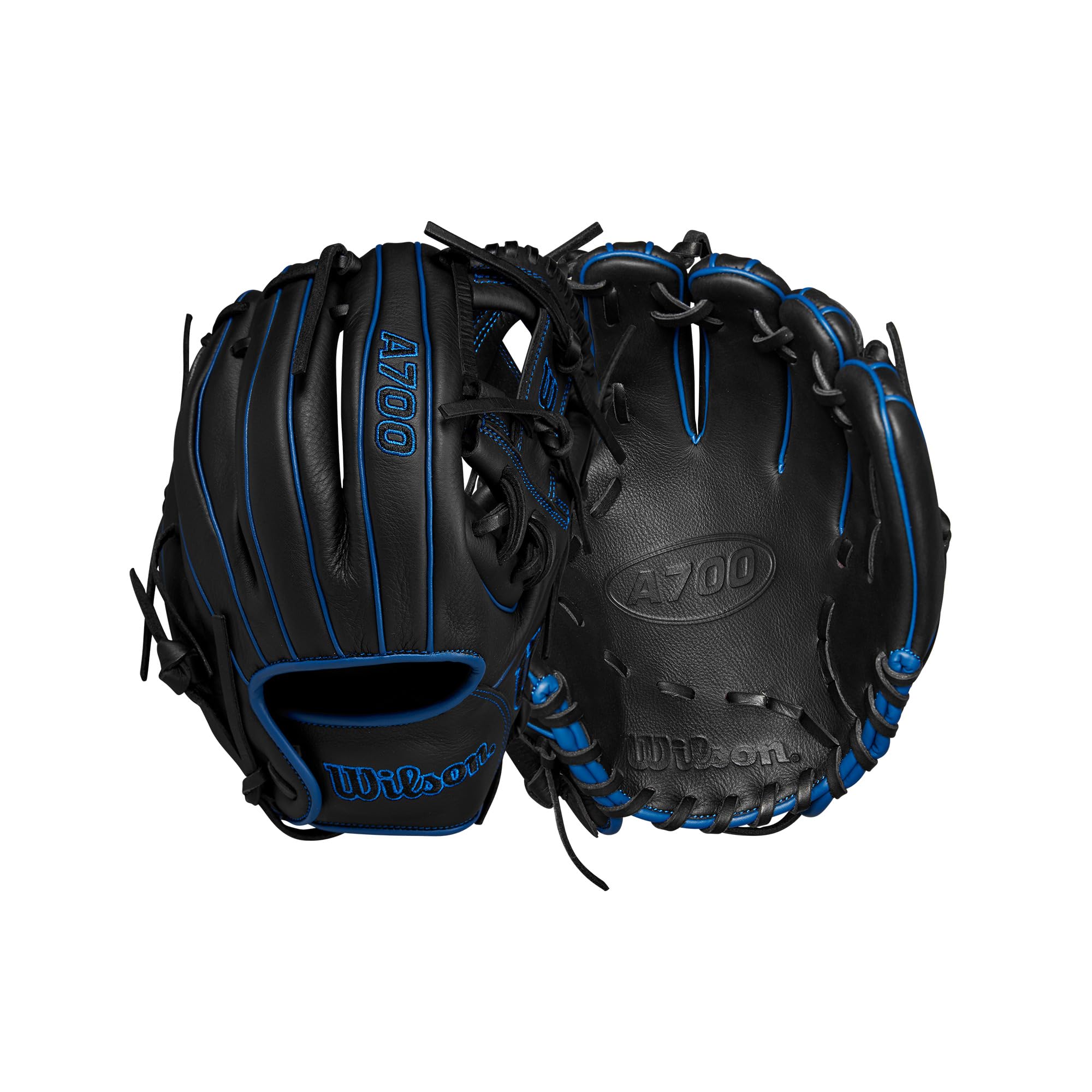
The Wilson A700 PF is specifically built for youth and smaller-handed players who struggle with oversized finger stalls on adult gloves. The Pedroia Fit technology shortens the finger stalls and narrows the wrist opening, creating a snug fit that gives young infielders better control. At 11.25 inches with an H-web, it’s ideal for second base and shortstop positions where quick transfers matter more than reach.
The full-grain A700 leather is lightweight and soft — no brutal break-in here. Players can use it in pickup games or practice immediately. The rolled dual welting runs along the liner, helping the glove hold its shape game after game. This is a detail often reserved for higher-end gloves, but Wilson brought it down to the A700 line for better structural integrity. The Black/Royal colorway looks clean and team-neutral.
Multiple reviewers note that the A700 fits adult hands too, especially if you have smaller palms. The soft leather means it won’t last as long under heavy adult use, but for youth players ages 8 to 14, it’s a reliable gamer that won’t break the bank. The Ready-to-Play break-in rating means no mallet, no oil, no waiting — just catch.
Why it’s great
- Pedroia Fit is excellent for smaller hands
- Ready-to-Play with zero break-in needed
- Rolled dual welting improves shape retention
Good to know
- Not designed for heavy adult play
- Mid-range price tier
5. Rawlings Select PRO LITE

The Rawlings Select PRO LITE is an excellent entry point for young players ages 6 to 12. The Bryce Harper model comes in a 12-inch Pro H Web, which is larger than typical youth sizes — perfect for outfielders or versatile infielders who want a bit more reach. The all-leather shell is soft and forgiving, reducing the sting of hard-hit balls. The textured vinyl lining is lightweight, making it easy for smaller hands to close the glove fully.
The break-in is rated at 90 percent factory, meaning your kid can take this to the field the same day. The lightweight design makes it less fatiguing over a full practice. The Camel/Scarlet colorway is sharp and will stand out on the diamond. The glove is designed for left-hand throwers (glove goes on the right hand), so check hand orientation before ordering.
Parents will appreciate the value — this glove delivers solid performance at a budget-friendly tier without the cheap feel of vinyl-only models. The trade-off is durability. The soft leather and lightweight construction will stretch out faster under hard use. Expect about two to three seasons of regular youth play before the glove starts losing its shape. For the price, that’s a fair trade.
Why it’s great
- 90% factory break-in — game-ready immediately
- Lightweight design perfect for young players
- All-leather shell reduces sting on catches
Good to know
- Will stretch out after a few seasons
- Budget-friendly tier
6. Mizuno Adult Premier Series

The Mizuno Premier Series bridges the gap between baseball and slowpitch softball with a glove that feels broken in from the first wear. The full-grain leather palm provides durability at the catch point, while the pigskin leather back keeps the glove lightweight — a crucial combo for adult league players who need a glove that doesn’t feel like a cement block. The butter-soft PU palm lining adds a layer of comfort that reduces hand fatigue.
The basket web at 12.5 inches is a classic slowpitch choice — deep enough to hold a 12-inch softball securely, with enough webbing to trap line drives. The Power Lock wrist strap cinches down tight, giving you a secure fit that doesn’t shift during a swing or slide. The break-in is soft out of the box, and most players report it being game-ready after a single catch session. The Tartan Web color scheme in Black/Gold is subtle but stylish.
Where the Mizuno falls short is the synthetic leather in the back panel. It keeps weight down, but it won’t hold up as long as a full all-leather construction under heavy week-to-week play. If you play adult slowpitch once a week in a casual league, this glove will last you several seasons. If you’re playing three times a week plus tournaments, consider a more durable all-leather model.
Why it’s great
- Full-grain leather palm for durability at the catch point
- Soft feel, game-ready with minimal break-in
- Basket web holds larger slowpitch balls securely
Good to know
- Synthetic back reduces long-term durability
- Best suited for casual adult league play
7. MacGregor Infield Training Glove

The MacGregor Infield Training Glove is not a gamer — it’s a tool. The pancake shape lacks individual finger stalls, forcing the fielder to catch with two hands and develop a quick glove-to-throw transfer. This is the same training aid used by college and pro infield coaches to break the bad habit of catching one-handed and then searching for the ball. The leather construction is simple but tough enough to handle hundreds of ground balls in practice.
The design is deliberately flat and shallow — there’s no deep pocket to lose the ball in. This teaches players to present the glove early and watch the ball all the way into the leather. The right-hand throw orientation (worn on the left hand) covers standard infield work. At just over half a pound, it’s light enough for youth players to swing around quickly without fatigue.
If you’re a parent coaching your kid’s team or a player looking to tighten up your infield mechanics, this is one of the most effective tools you can buy for the budget-friendly tier. It’s not meant for games — don’t use it in a match. But for a pre-practice drill session, it will improve glove work faster than any standard glove. The plastic-like feel of the leather is intentional; it’s built to be a training device, not a showpiece.
Why it’s great
- Pancake design forces proper two-handed catching
- Lightweight and easy to handle for youth players
- Durable leather construction for frequent practice use
Good to know
- Not suitable for actual game play
- Budget-friendly tier
FAQ
What size glove should a 12-year-old infielder use?
How do I speed up the break-in process on a stiff glove?
Can I use a baseball glove for slowpitch softball?
Final Thoughts: The Verdict
For most users, the gloves for baseball winner is the Wilson A2000 because the Pro Stock Leather and SuperSkin construction deliver unmatched durability and feel for serious infielders. If you want a game-ready feel with minimal break-in, grab the SSK Z5 Craftsman. And for youth players stepping onto the diamond for the first time, nothing beats the Rawlings Select PRO LITE for its lightweight, immediately usable design.