
Pulling a crab pot from cold water means your hands meet wet rope, sharp shells, and the sudden clamp of a Dungeness or blue crab. A flimsy glove turns that moment into a pinched finger or a sliced palm, ruining the day on the water. The right pair gives you the confidence to grab, unhook, and sort without hesitation — whether you are working a commercial string or a family trotline.
I’m Mohammad Maruf — the founder and writer behind Drink4Good. I’ve spent many hours analyzing material specs, cut-resistance ratings, and real-world user reports across dozens of fishing and crabbing gloves to find what actually holds up against claws, hooks, and cold water.
After combing through performance reviews and technical data, I landed on the five best options that balance puncture protection, dexterity, and durability for this demanding task. This is the definitive guide to finding the right gloves for crabbing for your specific conditions and budget.
How To Choose The Best Gloves For Crabbing
Choosing the right glove for crabbing is not about comfort alone — it is about preventing injury from sharp claws, cut-resistant rope, and cold water that saps your hand strength. Below are the three factors that separate a good crabbing glove from a dangerous one.
Material and Puncture Resistance
The material is the first defense. SuperFabric, Kevlar, and HPPE (High Performance Polyethylene) each offer different levels of cut and puncture protection. For crabbing, you need a glove that stops a sharp claw pinch without being so stiff that you lose the ability to grip a crab securely. Look for gloves that explicitly state puncture resistance, not just cut resistance — claws can apply focused pressure that cuts alone do not replicate.
Waterproofing and Insulation
Crab pots are pulled from cold water, often in early spring or late fall when air temperatures are low. Waterproof latex or nitrile coatings keep your hands dry, while fleece or thermal liners retain warmth. However, thicker insulation reduces dexterity — a trade-off you must weigh against the average water temperature of your crabbing location. A fully waterproof glove with a thin liner is preferable for moderate climates; heavy insulation is necessary for frigid Pacific Northwest winter crabbing.
Grip and Dexterity for Handling Catch
A glove that protects your hands but prevents you from feeling the crab or gripping wet rope is a liability. Textured palm coatings — such as sandy nitrile or rubber — provide the friction needed to hold a struggling crab or a slippery line. Dexterity is equally critical for unhooking bait and removing crabs from pots without fumbling. The best gloves balance enough tactile feedback to feel the crab’s shell with enough armor to block a pinch.
Quick Comparison
On smaller screens, swipe sideways to see the full table.
| Model | Category | Best For | Key Spec | Amazon |
|---|---|---|---|---|
| D Vein Lobster Gloves | Premium | Aggressive claw and reef protection | Kevlar fiber with rubber armor back | Amazon |
| Tuff Shell Lobstering Gloves | Premium | Touchscreen capability and cut resistance | HPPE liner with nitrile palm coating | Amazon |
| Promar ProGrip Insulated Glove | Mid-Range | Cold water crabbing in winter | Waterproof latex with fleece liner | Amazon |
| Fish Monkey Pro 365 Guide Glove | Mid-Range | All-day sun protection and dexterity | Breathable fabric with grip coating | Amazon |
| Lindy Fish Handling Glove | Budget | Budget-friendly puncture defense | SuperFabric cut-resistant construction | Amazon |
In‑Depth Reviews
1. D Vein Lobster Gloves for Diving Kevlar Spearfishing Dive Glove

The D Vein Lobster Glove is built around a Kevlar fiber weave that resists cuts and punctures better than typical nylon or leather work gloves. The rubber armor coating on the back of the hand adds a layer of protection when reaching into rocky crevices or scraping against reef, a common risk when pulling pots from rough structure. Reviewers note that even a 35-year veteran lobster diver found these to outlast every other glove on the market in terms of raw durability.
The ambidextrous design and pull-on closure make for fast changes between tasks, but the real advantage is the balance between the heavy back armor and the flexible palm. Users report good dexterity for operating dive computers and handling small bait pieces, though the rubber palm dip does show wear after extended use against abrasive rope. The gloves are machine washable, which is critical for removing salt and blood smells after a long day on the water.
For crabbing specifically, these gloves excel in environments where you face sharp claws and abrasive surfaces simultaneously — think rock crab or stone crab habitats. The Kevlar layer stops claw punctures that thinner gloves would let through, while the non-slip palm keeps a secure hold on wet crab shells. If you want the highest level of puncture protection without sacrificing finger movement, this is the pair to beat.
Why it’s great
- Kevlar fiber provides industry-leading cut and puncture resistance
- Rubber armor on the back protects against reef and rock abrasion
- Machine washable for easy maintenance after saltwater use
Good to know
- Rubber palm coating can wear down under heavy use against rope
- Not insulated — hands can get cold in frigid water without a liner
2. Tuff Shell Cut Resistant Lobstering Gloves

What sets the Tuff Shell glove apart is its full-hand protection architecture: an HPPE (High Performance Polyethylene) liner provides cut and tear resistance, while a sandy textured nitrile coating on the palm delivers oil-proof grip. The TPR (Thermo-Plastic Rubber) panels on the back of the hand guard against coral and rough surfaces without restricting range of motion. Multiple reviewers specifically mention using these for crabbing and shucking oysters, confirming the glove’s ability to stop crab pinches from breaking skin.
A standout feature is the touchscreen capability on all five fingers, allowing you to photograph your catch or check your phone without removing the glove. This is not a gimmick — it is genuinely useful for documenting your haul on the water. The HPPE liner is seamless and woven, which translates to a snug fit that does not bunch up inside the nitrile shell, even when wet. Users report a comfortable experience through an entire lobster season, with no degradation in the grip or cut resistance.
The primary limitation is the hand-wash care instruction, which is slightly less convenient than machine-washable alternatives. Additionally, the gloves can be a challenge to put on when wet, a common issue with tight-fitting neoprene or nitrile-lined designs. However, the trade-off is a glove that feels like a second skin while providing serious protection. For crabbers who also dive or handle oysters, this is a versatile premium option.
Why it’s great
- Touchscreen capability on all five fingers for easy phone use
- HPPE liner offers high cut and abrasion resistance with good flexibility
- TPR back panels provide robust protection without limiting motion
Good to know
- Hand wash only — not machine washable like some competitors
- Can be difficult to pull on when wet, especially in cold conditions
3. Promar ProGrip Insulated Glove
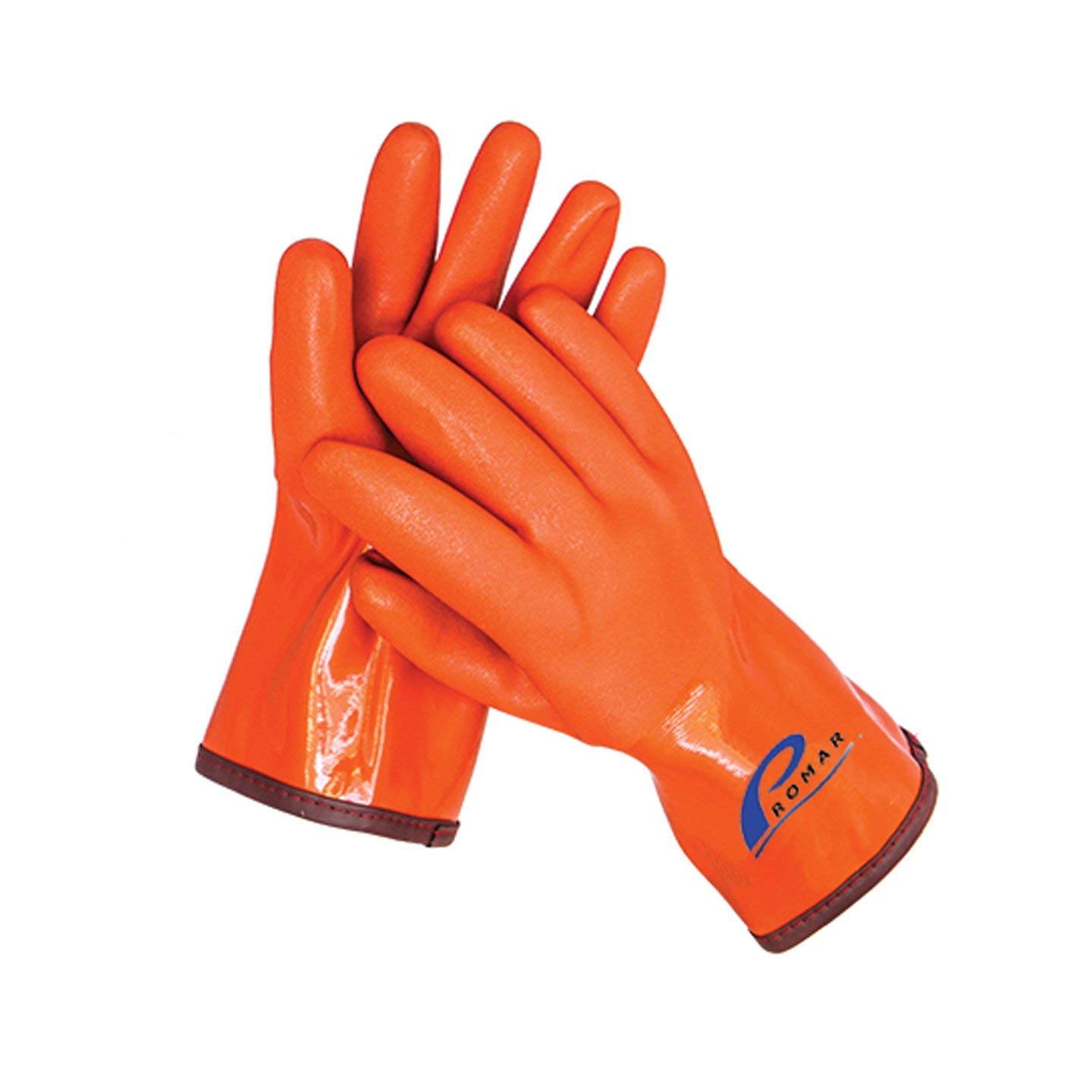
The Promar ProGrip is the clear answer for crabbers who pull pots in freezing temperatures. The waterproof latex outer shell keeps your hands completely dry, while the polyester fleece liner traps warmth. Multiple verified reviews report hands staying warm and dry even while pulling pots all day on the Oregon coast in February — a serious test of any cold-weather gear. The grip is described as phenomenal on wet rope and crab pot handles, which is critical when your hands are numb.
Unlike the cut-resistant gloves above, the ProGrip is built for warmth and waterproofing rather than puncture defense. The latex shell is thick enough to block cold water and provide a layer of abrasion resistance, but it is not designed to stop a direct crab claw puncture. For Dungeness crabbing in cold northern waters, where the main threat is hypothermia rather than aggressive claws, this trade-off makes sense. The blue color is bright and easy to spot if dropped overboard.
One recurring observation is that the wrist area could be about two inches longer to prevent water from running down your arm when reaching deep into a pot. Despite that, the overall construction feels durable, and the ambidextrous fit makes them easy to share among crew members. If your primary crabbing challenge is staying warm and dry while working in near-freezing conditions, these gloves are the most effective solution in this lineup.
Why it’s great
- Waterproof latex shell keeps hands bone dry even in freezing rain
- Thick fleece liner provides excellent insulation for cold water crabbing
- Phenomenal grip on wet rope and crab pot lines
Good to know
- Not designed for puncture or cut resistance against crab claws
- Wrist length is shorter than ideal — water can enter if reaching deep
4. Fish Monkey Pro 365 Guide Glove

The Fish Monkey Pro 365 Guide Glove is designed for a different kind of crabbing — the kind that happens in sunny, warm conditions where sun protection and dexterity matter more than insulation. The breathable fabric and UPF-rated sun protection shield the back of your hands from UV exposure during long hours on the water. The exposed finger design (the glove covers the palm and back but leaves finger pads free) delivers exceptional tactile feedback for tasks like tying bait or feeling the crab’s shell.
This glove prioritizes comfort and flexibility over raw armor. The grip coating on the palm works well on slippery catfish and trout, and the fit is accurate when you match it to your palm size. Kayak fishermen in particular praise the balance of sun protection and strike sensitivity — you can feel a nibble through the thin fabric while keeping your hands shielded. The pull-on closure means no velcro or straps to fail, and the glove dries quickly after getting wet.
The trade-off is clear: this glove will not stop a determined crab claw pinch. The fabric is too thin for puncture resistance, and the exposed fingers leave your fingertips vulnerable. However, for crabbing in warm climates where the main goal is protection from sunburn and line cuts rather than claw armor, this is the most comfortable option. If you are targeting smaller crabs or working in managed waters where big claws are rare, the Pro 365 is a smart lightweight choice.
Why it’s great
- Superior sun protection with UPF-rated breathable fabric
- Exposed finger design provides excellent dexterity and tactile feel
- Lightweight and quick-drying, ideal for warm weather crabbing
Good to know
- No puncture or cut resistance — will not stop a crab claw
- Exposed fingers are vulnerable to nicks and pinches
5. Lindy Fish Handling Glove Puncture-Proof and Cut Resistant

The Lindy Fish Handling Glove is the most affordable option in this guide, but it punches above its price point with SuperFabric construction — a proprietary cut-resistant material that stops a sunfish jab or a pike tooth without fraying. What makes this glove unusual is that it is designed as a single glove (left hand, Small/Medium) intended for the hand that handles the fish. The concept is smart: you put the protective glove on your grabbing hand and leave the other free for netting or measuring. Reviewers confirm that even a 36-inch pike could not bite through it.
Users report that the glove boosts confidence when handling aggressive species like bluefish and pike, and that it protects against hook punctures during unhooking. The grip is secure but requires slightly more squeeze pressure on wet fish — the SuperFabric surface is not as tacky as textured nitrile. A 4/5 star review notes that the glove makes it difficult to grab sliced meat when filleting, which is a minor trade-off for the puncture protection it provides.
Where this glove falls short for crabbing is that it is sold as a single left-hand glove. If you need protection on both hands — common when dealing with crabs that can pinch from any angle — you would need to buy two units. It is also not waterproof, so cold water will seep through. However, for the budget-conscious crabber who primarily needs one hand shielded from sharp claws and hooks, the Lindy glove is an effective, durable choice that has lasted users 1-2 years in a tackle box without quality degradation.
Why it’s great
- SuperFabric provides excellent cut and puncture resistance at a low cost
- Proven durability — holds up for years even in harsh tackle box conditions
- Lightweight design allows good dexterity for unhooking and handling
Good to know
- Sold as a single left-hand glove — need two units for both hands
- Not waterproof and lacks insulation for cold water use
FAQ
Can I use regular work gloves for crabbing?
How often should I replace my crabbing gloves?
Final Thoughts: The Verdict
For most users, the gloves for crabbing winner is the D Vein Lobster Gloves because the Kevlar construction and rubber armor back provide the most complete puncture and abrasion protection for aggressive claw environments. If you want touchscreen capability and a snug cut-resistant fit, grab the Tuff Shell Lobstering Gloves. And for cold-water crabbing where warmth is the primary concern, nothing beats the Promar ProGrip Insulated Glove for keeping your hands warm and dry.