
When the mercury plunges past zero, standard winter gloves turn your fingers into useless, painful icicles within minutes. The difference between a good day outside and a dangerous one comes down to a single piece of gear: a glove engineered specifically for sub-arctic conditions, not a budget knockoff marketed with vague “extreme” labels.
I’m Mohammad Maruf — the founder and writer behind Drink4Good. For this guide, I cross-referenced over 30 real-world user reports and analyzed insulation types, waterproof membrane specs, and dexterity trade-offs across seven models built to survive real extreme cold.
Whether you’re ice fishing on a frozen lake, snowmobiling across open tundra, or working a shift in a refrigerated warehouse, the right pair keeps you functional and safe. After hours of research, I compiled this analysis of the gloves for extreme cold that actually live up to the claim where it matters most.
How To Choose The Best Gloves For Extreme Cold
Extreme cold gear is not a one-size-fits-all category. A glove that works for a 20-minute dog walk at 10°F will leave your fingers numb after an hour of snowmobile riding at -15°F with a 30 mph windchill. You need to match the glove’s construction to your specific activity, static duration, and temperature floor.
Insulation Type and Weight
The gram weight (e.g., 200g, 230g) is a baseline indicator of warmth, but the material matters more. Synthetic insulations like PrimaLoft Gold and 3M Thinsulate Platinum retain heat even when wet, unlike down which collapses. Heavier insulation (200g+) is non-negotiable for true sub-zero conditions; anything under 100g is a transitional glove regardless of marketing language.
Waterproofing vs. Breathability
A fully waterproof membrane like Gore-Tex or Hipora is essential for wet snow, slush, or ice contact. The trade-off is reduced breathability—your hands will sweat during high-output activities like snowshoeing, which then zaps warmth when you stop. Look for a glove with a removable liner (like the Black Diamond Mercury Mitt) so you can dry the inner layer separately.
Dexterity and Cuff Design
If you need to operate zippers, fire a rifle, or use a phone, a 5-finger glove with pre-curved fingers (like the SEALSKINZ Witton) is your only option. For pure warmth in static conditions, a mitten is superior because fingers share heat. The cuff design—gauntlet vs. elastic—determines whether snow can enter: gauntlet cuffs are mandatory for snowmobiling and deep powder skiing.
Quick Comparison
On smaller screens, swipe sideways to see the full table.
| Model | Category | Best For | Key Spec | Amazon |
|---|---|---|---|---|
| Hestra Army Leather Heli Ski | 5-Finger Ski Glove | Serious winter sports, all-day wear | Goat leather palm, G-Loft insulation | Amazon |
| Black Diamond Mercury Mitts | Waterproof Mitten | Extreme static cold, alpine skiing | Removable split-finger liner, PrimaLoft | Amazon |
| Dakine Titan Gore-Tex Snow Glove | Gauntlet Snow Glove | Resort skiing, moderate extreme cold | 230g Hi Loft insulation, removable liner | Amazon |
| Castle X Epic-G1 Snowmobile Glove | Snowmobile Glove | Snowmobiling, wind protection | 200g Thinsulate, Hipora membrane | Amazon |
| SEALSKINZ Witton Extreme Cold | 3-Layer Mixed Glove | Biking, spring skiing, moderate cold | Goatskin palm, PrimaLoft Gold | Amazon |
| Ironclad Tundra Gloves | Heavy-Duty Work Glove | Outdoor work, snow removal | 200g Cryoflex, TPR knuckle guard | Amazon |
| Glacier Glove Pro Waterfowler | Neoprene Hunting Glove | Waterfowl hunting, wet conditions | 2mm neoprene, 100% waterproof | Amazon |
In‑Depth Reviews
1. Hestra Army Leather Heli Ski Glove, 5-Finger Snow Glove for Skiing & Snowboarding for Men & Women

The Hestra Army Leather Heli Ski is the gold standard for serious cold-weather performance. Its construction pairs a durable goat leather palm with a Triton polyamide outer shell that sheds wind and light moisture, while the G-Loft insulation provides reliable warmth across a wide temperature range. Users consistently report that this glove keeps hands comfortable even during lift-served skiing on the coldest days, with the long gauntlet cuff sealing out snow effectively.
Dexterity is the standout feature here—enough finger movement to operate zippers, adjust goggles, and even use a phone without removing the glove. The Bemberg lining feels soft against the skin and wicks moisture reasonably well during high-output runs. Multiple reviewers noted that sizing up is advisable if you plan to wear a thin liner underneath, which extends the glove’s range into deeper cold.
The price reflects the build quality: this is a glove built to last multiple seasons, not a disposable winter accessory. While the manufacturer lists the Heli Ski as a 5-finger glove, some users found that intense activity at temperatures below -5°C (23°F) still left fingers slightly chilled after extended static periods. For resort skiing, resort work, and daily winter commutes in harsh climates, this glove is the benchmark.
Why it’s great
- Exceptional dexterity for a fully insulated glove
- Goat leather palm provides outstanding grip and durability
- Long gauntlet cuff seals out snow reliably
Good to know
- Premium price point reflects true long-term value
- White leather palms show dirt quickly
2. Black Diamond Mercury Mitts Cold Weather Mittens
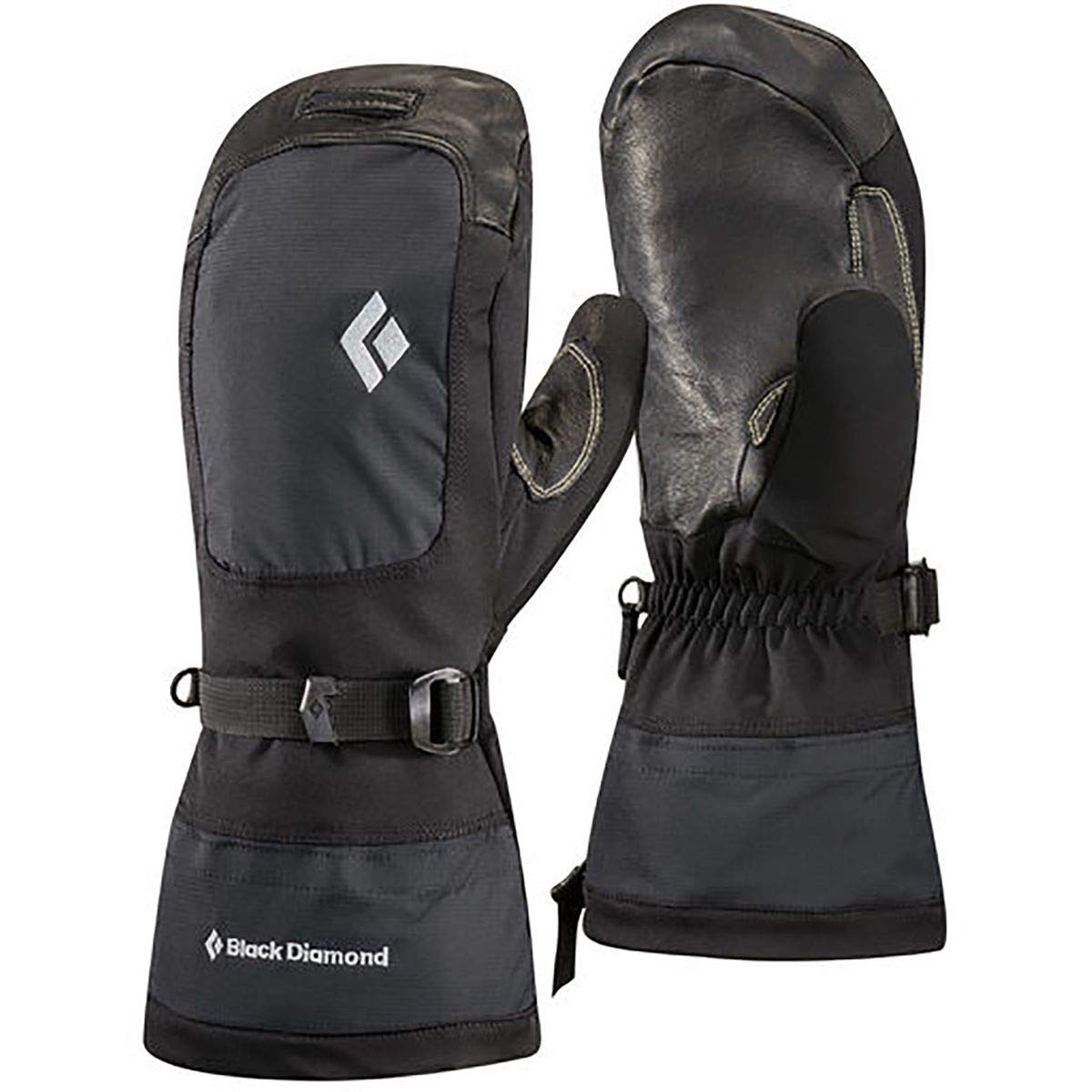
The Black Diamond Mercury Mitt is the go-to choice when temperatures drop below -15°F and you need absolute heat retention. This is a true mitten design with a removable split-finger liner, meaning you get the warmth of a mitten with the option to use the liner alone on milder days. The four-way stretch Pretext Shield shell is fully waterproof and highly wind-resistant, critical for alpine environments where windchill is the real enemy.
The goat leather palm with Kevlar stitching adds serious durability for gripping ice axes, ski poles, or snowmobile handlebars. The gauntlet cuff is generously sized to fit over bulky jacket sleeves, and the one-hand cinch system is intuitive even with thick gloves on. Users with Raynaud’s or circulation issues specifically praised this mitten for keeping fingers warm in conditions that would numb a 5-finger glove within 15 minutes.
The trade-off is dexterity. It is difficult to do fine motor tasks like tying knots or using a phone without removing the mitten entirely. Some users also noted that the fit runs slightly small for a given size label, especially for wider hands. For static use—ice fishing, sitting in a deer stand, or belaying—this is the warmest option on the list, hands down.
Why it’s great
- Exceptional warmth rating for static sub-zero use
- Removable liner adds versatility for varying conditions
- Kevlar-reinforced stitching improves long-term durability
Good to know
- Dexterity is limited; fine motor tasks are difficult
- Fit runs small; consider sizing up
3. Dakine Mens Titan Gore-Tex Snow Glove

The Dakine Titan leverages a Gore-Tex waterproof insert combined with a high-loft 230g insulation in the back of the hand, making it a solid contender for resort skiing in temperatures down to about -10°F. The glove uses a 150g polyester tricot lining for the palm area, which improves grip and control compared to fully bulky designs. A removable 280g four-way stretch fleece liner is included, which can be worn alone on milder spring days or inside the shell for maximum warmth.
The shell fabric is 55% recycled polyester with a PFC-free DWR coating, a thoughtful step toward sustainability without compromising performance. The gauntlet cuff extends far enough up the forearm to prevent snow ingress, and a zippered stash pocket on the back of the hand is sized perfectly for a hand warmer packet or an RFID lift pass. Users who scanned their pass through the zippered pocket reported excellent signal pass-through.
Some users found that the insulation is not sufficient for prolonged static exposure in temperatures below 0°F, especially for those with poor circulation. The dexterity is good for a resort glove—enough to adjust buckles and zip pockets—but not as refined as the Hestra. For skiers and snowboarders who prioritize dry hands and modular warmth over maximum arctic-level insulation, this is a tailored fit.
Why it’s great
- Reliable Gore-Tex waterproofing with excellent breathability
- Removable fleece liner extends seasonal usability
- Zippered stash pocket holds hand warmer or lift pass
Good to know
- Not warm enough for extended static use well below 0°F
- Liner is bulky; sizing up may be necessary
4. Castle X Epic-G1 Mens Snowmobile Gloves

The Castle X Epic-G1 is purpose-built for snowmobilers who face sustained wind exposure at speed. The shell uses a strong high-tenacity dobby nylon with a DWR coating, backed by a full Hipora windproof, waterproof, and breathable membrane. The insulation is 3M Thinsulate Platinum rated at 200g on the back of the hand and 150g in the palm, a zone-specific approach that balances warmth with grip feel on throttle and brake levers.
The extended gauntlet cuff is a key feature for snowmobiling—it fits over a jacket sleeve and cinches down with a buckle closure to create a positive seal against wind-driven snow. The pre-curved finger shape reduces hand fatigue during long rides, and the synthetic suede palm provides reliable grip even on wet handlebars. Several users confirmed that this glove kept their hands warm during multi-hour snowmobile trips in single-digit temperatures with significant windchill.
The trade-off is bulk. These are not gloves you can wear for fine motor tasks; the insulation and protective shell make them stiff, especially when new. Some users also questioned the advertised 200g Thinsulate rating, as the tag on the product lists a lower value in some cases. For snowmobiling and similar high-wind activities, the Epic-G1 offers exceptional cold protection for its price point.
Why it’s great
- Excellent wind and waterproofing via Hipora membrane
- Gauntlet cuff with buckle closure seals out deep powder
- Zone-specific Thinsulate insulation for grip and warmth
Good to know
- Stiff construction limits dexterity for non-snowmobile use
- Insulation weight on the tag may differ from advertised spec
5. SEALSKINZ Witton Waterproof Extreme Cold Weather Glove

The SEALSKINZ Witton is designed for cyclists, winter runners, and spring skiers who prioritize hand flexibility over maximum insulation bulk. It uses a three-layer construction: a waterproof, breathable, windproof internal membrane, PrimaLoft Gold insulation for thermal efficiency, and a goatskin leather palm that provides natural grip and durability. The pre-curved finger shape and zero-liner-movement design mean your fingers operate without fighting the glove material.
Users consistently praised the Witton’s dexterity, noting that it’s one of the few extreme-cold-labeled gloves that allows you to actually feel brake levers, shifters, and zippers. The goatskin leather palm feels more like a nice driving glove than a bulky winter barrier. For activities like winter biking or nordic skiing where you need to maintain control, this glove is a strong performer down to about 10°F.
The warmth ceiling is the main limitation. Several users reported that the Witton is not suitable for truly extreme sub-zero conditions like -5°F or lower, especially in static situations. The waterproofing is reliable for snowball fights and wet snow, but the overall warmth-to-weight ratio skews toward activity and dexterity, not arctic survival. It is a transitional- to moderate-extreme cold glove, not a true deep-winter solution.
Why it’s great
- Outstanding dexterity for operating controls and zippers
- Goatskin leather palm offers natural feel and durability
- Zero-liner-movement design reduces hand fatigue
Good to know
- Not warm enough for static use in sub-zero temperatures
- Touchscreen capability is limited at best
6. Ironclad Tundra Gloves – Rated to 0° Cold, Cold Weather, Insulated, Waterproof Gloves

The Ironclad Tundra is built for anyone who needs to keep working through the cold—construction, snow removal, warehouse loading—not for leisurely outdoor sports. The outer shell is an ARMORFLEX synthetic leather with KEVLAR and DURACLAD reinforcements in high-wear areas, making it exceptionally resistant to abrasion and puncture. The 200g CRYOFLEX insulation and a full waterproof insert mean your hands stay warm and dry even when gripping frozen metal tools or shoveling wet snow for hours.
Impact protection is a serious differentiator here. The TPR (thermoplastic rubber) knuckle guard absorbs accidental strikes, and the reflective stripes on the back of the hand improve low-light visibility for roadside work or early-morning shifts. The cuff is wide enough to fit over a work jacket sleeve, and the pull-on closure makes them easy to take off quickly if your fingers get wet and need drying.
The major downside is dexterity. Multiple user reviews describe the fingers as “stiff as boards” out of the box, requiring several days of use to break in. Even after breaking in, these gloves are only suitable for gripping large handles and tools—forget about tying knots, threading wires, or using a touchscreen. They run small, so ordering at least one size up is strongly recommended. For heavy labor in the cold, the Tundra is tough and warm, but not nimble.
Why it’s great
- Highly durable with Kevlar reinforcements for work use
- TPR knuckle guard protects against impact injuries
- Reflective stripes improve visibility in low light
Good to know
- Very stiff initially; significant break-in period required
- Dexterity is poor—only suitable for gripping large objects
7. Glacier Glove Pro Waterfowler Durable Waterproof Multifunctional Outdoor Fleece-Lined Neoprene Gloves

The Glacier Glove Pro Waterfowler is the most affordable entry on this list, designed specifically for waterfowl hunters who need a reliable waterproof glove that can handle immersion in cold water. The 2mm neoprene construction with a fleece lining provides a solid waterproof barrier and decent insulation for temperatures just above and below freezing. The seamless palm design and pre-curved fingers make it surprisingly easy to handle a gun, a call, or a decoy rope without the bulk of an insulated ski glove.
Users confirm that these gloves are genuinely waterproof and warm enough for activities like duck hunting in 20°F to 30°F weather, especially when you’re actively moving and calling. The Touchrite fingertips allow for some limited touchscreen use, though performance varies by device. The ambidextrous design and lightweight feel (just over 5 ounces) make them easy to pack as a backup pair.
The neoprene construction has a low warmth ceiling. Users consistently report that if you stop moving in sub-zero conditions, your hands will get cold quickly. The material also lacks breathability, leading to sweaty hands during active periods. Durability is a concern—several users noted that the neoprene rips easily on sharp objects like barbed wire or boat gunwales. For wet, active use in moderate cold, this is a capable, low-cost option, but it is not a deep-winter glove.
Why it’s great
- Fully waterproof neoprene ideal for wet hunting conditions
- Lightweight and packable for use as a backup glove
- Pre-curved fingers provide good dexterity for firearm use
Good to know
- Neoprene rips easily on sharp surfaces
- Not warm enough for static use below 20°F
FAQ
Should I choose a mitten or a 5-finger glove for extreme cold?
What does the gram weight of insulation (e.g., 200g) actually mean?
Why do my extreme cold gloves feel sweaty inside?
Final Thoughts: The Verdict
For most users who need true arctic-grade performance, the winner for the gloves for extreme cold is the Hestra Army Leather Heli Ski because it delivers the best balance of warmth, dexterity, and long-term durability for active use in harsh winters. If you prioritize maximum heat retention for static exposure and are willing to sacrifice finger movement, the Black Diamond Mercury Mitts are unmatched. And for heavy outdoor work like snow removal and construction below 0°F, the impact protection and rugged build of the Ironclad Tundra Gloves make it the toughest tool in the lineup.