
A detached sole is one of the most frustrating failures in footwear—a single weak point that turns a trusted pair of boots or sneakers into a flapping hazard. The wrong adhesive leaves a brittle residue that snaps under pressure, wastes the repair effort, and forces you back to the store. Selecting a glue engineered specifically for sole reattachment means evaluating flexible tensile strength, waterproof curing, and substrate compatibility rather than grabbing the nearest tube of super glue.
I’m Mohammad Maruf — the founder and writer behind Drink4Good. This guide synthesizes hundreds of verified buyer experiences, material-science specifications, and real-world stress tests to isolate the glue formulations that actually solve sole separation long-term.
Understanding which qualities define the best glue for shoe soles will save you from brittle bonds, yellowing residue, and repeated repairs that waste both time and money on temporary fixes.
How To Choose The Best Glue For Shoe Soles
Not every strong adhesive belongs on a shoe sole. The repeated flex, moisture exposure, and shear forces of walking demand a glue that bends without breaking and seals against water. Focus on three criteria to avoid wasted effort.
Flexibility After Full Cure
A rigid bond cracks when the sole bends during a stride. Look for formulations that describe themselves as flexible or elastic after the 24-hour full cure. Contact cements and gel cyanoacrylates designed for rubber maintain pliability, while standard super glue becomes brittle and fails under repeated stress.
Waterproof and Weatherproof Rating
Puddles, rain, and sweat all attack the bond line. A waterproof and weatherproof formula prevents moisture from seeping into the seam and delaminating the adhesive. Check the product’s specific mentions of rain resistance or washability after full cure—these ratings predict durability in real conditions, not just dry testing.
Substrate Compatibility
Soles vary from rubber to leather to synthetic foam. A universal shoe glue must explicitly state compatibility with rubber, leather, fabric, and plastic. Epoxy-based glues bond multiple surfaces but cure rigid, while contact cements excel at rubber-to-leather joins. Match the adhesive’s listed materials to your sole’s composition for a reliable hold.
Quick Comparison
On smaller screens, swipe sideways to see the full table.
| Model | Category | Best For | Key Spec | Amazon |
|---|---|---|---|---|
| Cerca de Shoe Glue | Mid-Range | All-purpose sole repair | Epoxy resin, 24‑hour cure | Amazon |
| Wqapey Leather Glue | Premium | Invisible leather sole repair | Non‑yellowing, 24‑hour cure | Amazon |
| MEKERUI Shoe Glue | Premium | Fast 30‑second repairs | Cyanoacrylate, 1‑hour cure | Amazon |
| Eagle Shoe Cement | Mid-Range | High‑volume multi‑shoe repair | 4 oz, paste consistency | Amazon |
| Ecuywe Leather Glue | Budget-Friendly | Leather and vinyl repairs | Gel, precision tip tube | Amazon |
In‑Depth Reviews
1. Cerca de Shoe Glue Heavy Duty
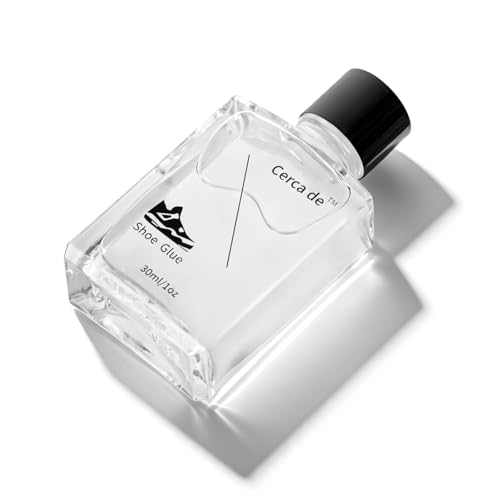
The Cerca de formula uses an epoxy-resin base rather than standard contact cement, which gives it a noticeably stronger hold on rubber, leather, and fabric soles. Its gel consistency stays in place during application and doesn’t drip into unwanted areas, making it suitable for vertical repairs on boots and heels.
Multiple verified buyers report the bond remains intact through rain exposure and daily flexing, with one user noting the glue held after walking through puddles. The included unglueing agent, brush, rubber bands, gloves, and sanding stick turn a single purchase into a complete repair kit—useful for households with several pairs needing attention.
The glass bottle packaging requires careful storage to prevent the gel from drying out between uses, but the 1-ounce volume provides enough material for three to five typical sole repairs. Its cold- and heat-resistant properties make it reliable for boots worn in harsh weather conditions.
Why it’s great
- Epoxy resin provides superior stiffness for heavy soles
- Complete kit with applicator tools included
- Waterproof and washable after 24-hour cure
- Dries clear and remains flexible
Good to know
- Glass bottle can break if dropped
- Full cure takes a full 24 hours
2. Wqapey Leather Glue
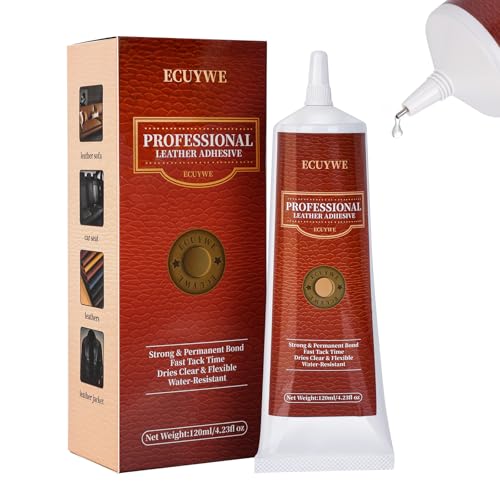
The Wqapey glue is formulated specifically to dry completely transparent with no yellowing over time, a critical advantage when repairing visible seams on leather boots, handbags, or dress shoes where appearance matters. Buyers report it stays flexible after curing, which prevents the brittle cracking that ruins many sole repairs.
Its fine-tip nozzle allows controlled dispensing into tight crevices between the sole and upper, reducing cleanup and waste. Verified users successfully reattached separated soles on both leather boots and sofa upholstery, with the bond holding through daily use without stiffness or residue.
The manufacturer emphasizes non-toxic and non-flammable properties, making it safer for indoor work than solvent-based contact cements. The 120-gram tube provides enough material for multiple leather repairs, though the liquid form requires a steady hand during application to avoid excess spread.
Why it’s great
- Dries invisible with no yellowing
- Stays flexible for leather sole flex
- Low odor and non-flammable
- Non-toxic formula safe for indoor use
Good to know
- Liquid consistency may drip on vertical surfaces
- Requires careful clamping during 24-hour cure
3. MEKERUI Super Strong Universal Shoe Glue
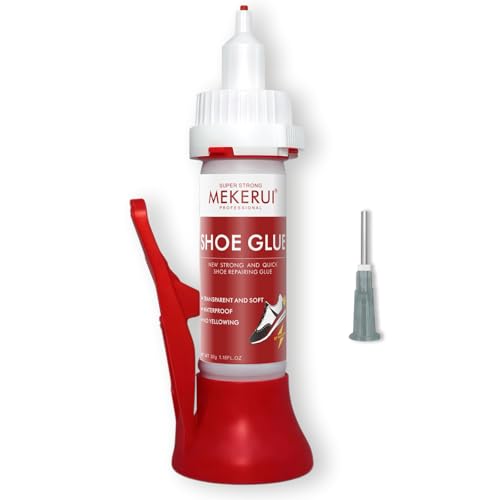
The MEKERUI glue is built around a cyanoacrylate base that achieves initial tack in roughly 30 seconds, dramatically reducing clamping time compared to epoxy or contact cement alternatives. Its gel form resists dripping and fills small gaps in separated sole edges effectively.
Buyers specifically praised its performance on rubber soles and foam midsoles, with several noting the bond stayed rubbery after cure rather than becoming brittle. The dual dispensing system—a twist-cap nozzle plus a fine needle tip—lets you switch between broad coverage and precise injection into narrow cracks.
The 1-hour full-cure time is the shortest among the options here, making it ideal for emergency repairs when you need the shoe wearable the same day. However, cyanoacrylate has lower shear strength than epoxy on heavy work boots, and some users found it insufficient for high-impact reattachment on thick lug soles.
Why it’s great
- 30-second tack eliminates long clamping
- Flexible after cure resists cracking
- Needle tip for precision in tight joints
- Full cure in only 1 hour
Good to know
- Not ideal for heavy work boot reattachment
- Cyanoacrylate can bond skin instantly—use gloves
4. Eagle Shoe Cement

The Eagle Shoe Cement offers 4 ounces of paste adhesive—the largest volume in this lineup—making it a practical choice for households repairing multiple pairs or for cobblers handling volume work. Its medium-viscosity paste spreads evenly without running and works on leather, faux leather, and rubber substrates.
Verified buyers reported successful repairs on Merrill boots with twenty-year-old soles, noting the adhesive performed well in inclement weather after drying. The formula functions as a true contact cement, requiring application to both surfaces before pressing together, which produces a durable bond suitable for boot sole restoration.
Several users mentioned the container seal arrived compromised, leading to leakage and dried product—a packaging quality control issue worth checking upon delivery. Despite this, the adhesive performance itself earned high marks from those who received intact bottles.
Why it’s great
- 4 oz provides the most material per purchase
- Paste consistency ideal for vertical applications
- Trusted alternative to Barge cement for cobbler work
- Works on leather, rubber, and vinyl
Good to know
- Some units arrive with unsealed lids causing leaks
- Requires surface preparation for optimal bond
5. Ecuywe Professional Leather Glue

The Ecuywe adhesive is packaged in a compact tube with a fine applicator tip, making it ideal for detailed leather repairs on car seats, furniture, and shoe uppers where precision matters more than bulk volume. Its gel form provides medium to high viscosity that stays on the application area without migrating.
Verified buyers successfully repaired leather tears on car seats and vinyl upholstery, with the glue drying clear and leaving the repaired area barely noticeable. The fast tack reduces holding time compared to thicker epoxies, though one user reported the bond failed within a day on a leather repair that required higher shear strength.
The 4.23-ounce tube offers a middle ground between a single-use syringe and a large bottle, but the gel consistency can be difficult to squeeze from the tube when the temperature drops below 60°F. This glue works best for light to medium repairs rather than full sole reattachment on heavy work boots.
Why it’s great
- Precision tube for detailed leatherwork
- Dries clear with a flexible bond
- Industrial-strength claim for everyday use
- Non-fume and safe for indoor application
Good to know
- Gel thickens in cold conditions
- Not suitable for heavy sole reattachment
FAQ
Can I use standard super glue on shoe soles?
How long should I clamp the repair before wearing the shoes?
Will the glue yellow or discolor my shoe soles over time?
Final Thoughts: The Verdict
For most users, the glue for shoe soles winner is the Cerca de Shoe Glue because its epoxy-resin formula delivers a strong, waterproof, and flexible bond suitable for rubber, leather, and fabric soles with a full repair kit included. If you want an invisible repair on leather soles that won’t yellow, grab the Wqapey Leather Glue. And for a fast 30-second fix when you need the shoe wearable the same day, nothing beats the MEKERUI Super Strong Universal Shoe Glue.