
Finding a gluten-free flour that actually bakes like the real thing without a gritty texture or strange aftertaste is the single biggest hurdle for anyone new to gluten-free baking. The wrong blend can turn a simple cookie recipe into a crumbly, dry disaster.
I’m Mohammad Maruf — the founder and writer behind Drink4Good. I’ve spent years analyzing the formulation, particle size, and starch ratios of popular gluten-free flour blends to identify which ones deliver results that fool even seasoned bakers.
After poring over lab specs, consumer feedback, and real kitchen performance, I’ve narrowed down the market to the five blends that genuinely stand out. This guide breaks down exactly what makes each one work, so you can find the best gluten free all purpose flour for your specific baking needs.
How To Choose The Best Gluten Free All Purpose Flour
Selecting a gluten-free all-purpose flour is about more than just grabbing the first bag you see. The right blend depends on your diet restrictions, the type of baking you do, and how much you care about a neutral flavor profile.
Check the Starch-to-Flour Ratio
A blend that is heavy on white rice flour can feel dry and gritty, while one with more starches (tapioca, potato, corn) tends to feel lighter and more like wheat flour. Look for blends that list a mix of flours and starches for balanced hydration and texture.
Look for Pre-Mixed Binders
Many premium blends already include xanthan gum or guar gum as a binder. If the flour includes it, you do not need to add it to your recipe. If it does not, you may need to add a small amount to prevent baked goods from crumbling.
Consider Allergen Cross-Contact
If you have celiac disease or a serious wheat allergy, only use flour certified gluten-free by a trusted third party like the GFCO. Some blends may be processed in facilities that also handle wheat, so check the label carefully.
Quick Comparison
On smaller screens, swipe sideways to see the full table.
| Model | Category | Best For | Key Spec | Amazon |
|---|---|---|---|---|
| Cup4Cup Multipurpose Flour | Mid-Range | All-purpose baking & sauces | 3 lbs, 1:1 substitution, contains dairy | Amazon |
| gfJules All Purpose Flour | Premium | Top 9 allergen-free baking | 1.5 lbs, certified allergen-free, no grit | Amazon |
| freee Plain White Flour Blend | Mid-Range | Bread, cakes & pastries | 2.2 lbs, no xanthan gum, UK import | Amazon |
| Sunrise Flour Mill Heritage Blend | Premium | Artisan sourdough & bread | 5 lbs, high protein, heritage wheat | Amazon |
| Antimo Caputo Fioreglut Flour | Premium | Neapolitan pizza & artisan bread | 4.4 lbs, Italian, high performance | Amazon |
In‑Depth Reviews
1. Cup4Cup Multipurpose Flour

Cup4Cup was the original one-to-one gluten-free flour, and it remains a top choice for versatility. This 3-pound blend is finely milled to produce light, fluffy cakes and flaky pastries without the gritty mouthfeel common in many alternatives. Reviewers consistently note it works seamlessly in beer bread, cookies, sauces, and even breaded meat — a rare breadth of use for a gluten-free blend.
The formulation includes milk powder, which gives it a neutral flavor that does not alter the taste of your recipes. It already contains binders, so you do not need to add xanthan gum. That said, it is not recommended for yeast-based breads, so keep that in mind if you plan to bake sandwich loaves.
While it is on the pricier side per pound and contains dairy (which may be a concern for some), the consistent quality and true 1:1 performance make it a smart buy for anyone who bakes a wide variety of items.
Why it’s great
- True 1:1 swap with no recipe adjustments needed
- Neutral flavor that doesn’t overpower baked goods
- Works for both sweet and savory applications
Good to know
- Contains dairy (milk powder) — not suitable for dairy-free diets
- Not recommended for yeast-based bread recipes
2. gfJules All Purpose Flour

gfJules has been voted number one by gluten-free consumers eight times, and the reason is clear: it is the safest option for those with severe food allergies. It is certified free from the top nine allergens — including wheat, dairy, eggs, soy, and nuts — making it a go-to for households managing multiple dietary restrictions.
The blend avoids brown rice flour, which is the typical culprit behind gritty texture. Instead, it uses a white flour blend of tapioca, potato, corn, and white rice starches for a smooth, light texture. Reviewers report it works flawlessly for everything from bagels and biscuits to birthday cakes and gravy.
At 1.5 pounds per pouch, the per-unit cost is higher than some competitors. However, if allergen safety is your top concern, this is the most reliable blend on the market. It does contain xanthan gum, so you cannot skip it for recipes that require it, but the binder is already balanced for you.
Why it’s great
- Certified free from top 9 allergens — extremely safe
- No gritty texture, thanks to avoiding brown rice flour
- Works for a wide range of baked goods, including yeast recipes
Good to know
- Smaller bag size (1.5 lbs) means you may need to buy in bulk
- Higher price per pound than other premium options
3. freee Plain White Flour Blend
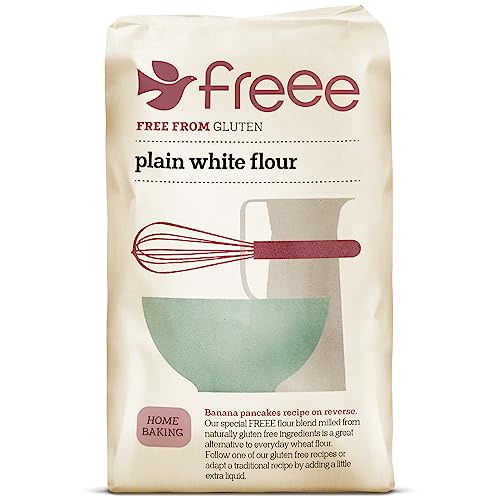
freee is produced by Doves Farm, a trusted UK milling company with a strong reputation for gluten-free flour. This 2.2-pound blend is milled from rice, potato, tapioca, maize, and buckwheat, creating a unique flavor profile that sets it apart from blends that rely solely on white rice flour.
Notably, this blend contains no added xanthan gum. This is intentional — it gives the baker full control over the binder, which is a huge advantage for those who prefer a specific gum or have a sensitivity to xanthan. It performs well in bread, cakes, pastries, muffins, and pancakes, and reviewers praise it for having almost no graininess compared to ordinary flour.
One potential drawback is that it requires you to add your own binder for most baked goods. If you are not experienced with GF baking, you may need to experiment. But for the adventurous baker, this is a high-quality, versatile base that delivers consistent results.
Why it’s great
- No added xanthan gum — full control over binder
- Unique buckwheat blend adds complexity to flavor
- Works well for both yeast and non-yeast recipes
Good to know
- Requires adding your own binder for most bakes
- Imported bag may have shorter shelf life if not rotated by seller
4. Sunrise Flour Mill Heritage Bread Flour Blend
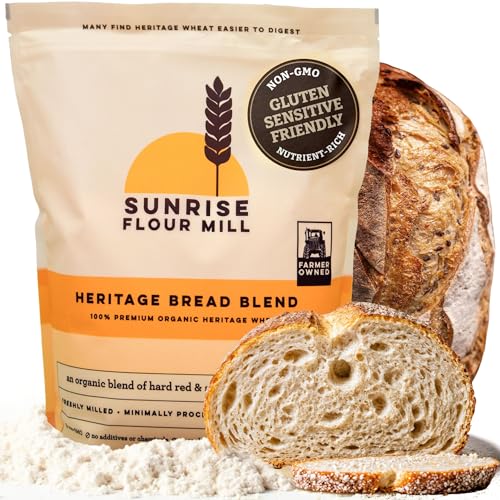
Sunrise Flour Mill takes a different approach — this is not a traditional starch-based blend but milled from organic heritage wheat (Turkey Red and White Sonora). It is a bread flour, so its protein content is significantly higher than all-purpose blends, making it ideal for sourdough and artisan loaves that require structure and a chewy crumb.
The company uses a single-pass milling method that produces a super-fine, fluffy flour. Many reviewers with gluten sensitivities or IBS report that this heritage wheat is far more digestible than modern wheat, causing significantly less bloating. The flavor is described as nutty and rich, a clear upgrade over conventional bread flour.
It is worth noting that this is not a gluten-free flour — it is a heritage wheat blend for those who tolerate gluten but struggle with modern wheat varieties. If you have celiac disease, this is not safe for you. But for the gluten-conscious baker seeking traditional bread texture, this is a revelation.
Why it’s great
- Superior digestibility for those sensitive to modern wheat
- High protein content for professional-grade bread structure
- Nutty, rich flavor that elevates sourdough and artisan loaves
Good to know
- Not gluten-free — contains heritage wheat
- Requires longer fermentation for best digestibility
5. Antimo Caputo Fioreglut Gluten Free Flour
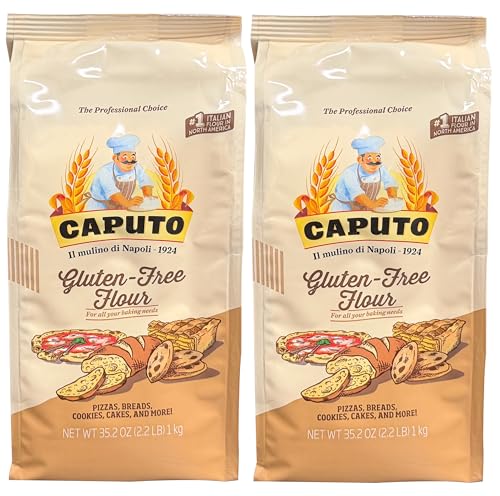
Caputo is the gold standard for Neapolitan pizza flour, and their Fioreglut blend brings that same performance to gluten-free baking. Made in Italy from a proprietary blend of rice and potato starches, rice and soy flour, and dietary fiber, this 4.4-pound pack (two 2.2-pound bags) is engineered for long fermentation and high hydration.
This blend is specifically designed for pizza and bread. It produces a soft, tender bottom with airy bubbles in the crust — something most gluten-free flours cannot achieve. Users share that it works beautifully for sourdough loaves, bagels, and focaccia, delivering a chew and crumb that mimics wheat flour shockingly well.
The trade-off is the premium price — this is the most expensive blend per pound on this list. It also contains soy flour, which is an allergen that a small number of users need to avoid. But if pizza is your primary goal, there is no substitute for Caputo.
Why it’s great
- Produces authentic Neapolitan pizza crust with bubbles
- Excellent for high-hydration doughs and long fermentation
- Light, fluffy texture that rivals wheat flour
Good to know
- Most expensive option per pound on the list
- Contains soy flour — not suitable for soy allergies
FAQ
Can I use any gluten-free flour as a 1:1 substitute in any recipe?
Why does my gluten-free flour taste gritty or have a strange aftertaste?
Final Thoughts: The Verdict
For most users, the best gluten free all purpose flour winner is the Cup4Cup Multipurpose Flour because it offers the most dependable 1:1 substitution across the widest range of recipes. If you need a top allergen-free option, grab the gfJules All Purpose Flour. And for artisan pizza and bread that rivals traditional flour, nothing beats the Antimo Caputo Fioreglut Flour.