
Gluten-free bread from a machine often delivers a dense, crumbly brick that falls apart the moment you butter it. The culprit is rarely your bread maker — it is the flour blend and mix you feed it. Choosing the wrong one wastes time, ingredients, and the hope of a slice that actually holds together for a sandwich.
I’m Mohammad Maruf — the founder and writer behind Drink4Good. I have spent hundreds of hours analyzing the formulation, protein content, gum composition, and real-world baking performance of gluten-free bread mixes to understand exactly which blends produce a springy, sliceable loaf in a standard bread machine cycle.
Whether you are newly diagnosed with celiac disease or a veteran gluten-free baker tired of disappointing results, finding the right gluten free bread for bread machine means identifying blends that mimic wheat dough’s strength and rise without requiring a chemistry degree to tweak.
How To Choose The Best Gluten Free Bread For Bread Machine
Gluten-free dough lacks the stretchy protein network that traps gas during fermentation. A successful bread machine loaf depends on a blend that supplies the right combination of starches, flours, and binders to create structure without requiring hand-kneading or a stand mixer.
Binder Base and Dough Strength
Xanthan gum, guar gum, or psyllium husk replaces gluten’s stretch. Blends that pre-mix the binder save you from measuring sticky powders, but some bakers prefer binder-free flours so they can adjust the amount per recipe. For bread machines, a pre-balanced binder system (typically 1–2 percent xanthan gum by weight) delivers the most reliable rise within the fixed cycle timing.
Protein and Starch Ratio
White rice flour, brown rice flour, sorghum, and oat flour contribute protein and structure. Blends with higher protein content (above 10 grams per 100 grams) create a denser crumb that holds together better for sandwiches. Starches like tapioca, potato, and arrowroot add lightness — too much starch produces a crumbly loaf that tears when sliced.
Yeast Compatibility and Cycle Fit
Most gluten-free bread mixes require rapid-rise or bread machine yeast, not active dry yeast that needs pre-proofing. Some blends instruct you to use the standard white bread cycle; others demand a shorter gluten-free cycle. Understanding which cycle your machine supports and matching it to the mix’s recommended bake time prevents over-proofing and collapse.
Quick Comparison
On smaller screens, swipe sideways to see the full table.
| Model | Category | Best For | Key Spec | Amazon |
|---|---|---|---|---|
| Steve’s GF Bread Flour Blend | Flour Blend | Yeasted rolls & sourdough | 48 oz; gum-free base | Amazon |
| Pamela’s Amazing Bread Mix | Bread Mix | Quick sandwich loaf | 4 lb mix; xanthan gum included | Amazon |
| Extra White Gold GF Flour Blend | Flour Blend | Pizza & yeasted pastries | 1:1 swap; 70.4 oz pack | Amazon |
| Bob’s Red Mill 10 Grain Mix | Bread Mix | Nutty whole-grain loaf | 76 oz pack; fiber-rich | Amazon |
| Sunrise Flour Mill Heritage Blend | Flour Blend | Artisan sourdough | 5 lb bag; high protein | Amazon |
In‑Depth Reviews
1. Steve’s GF Bread Flour Blend by Authentic Foods
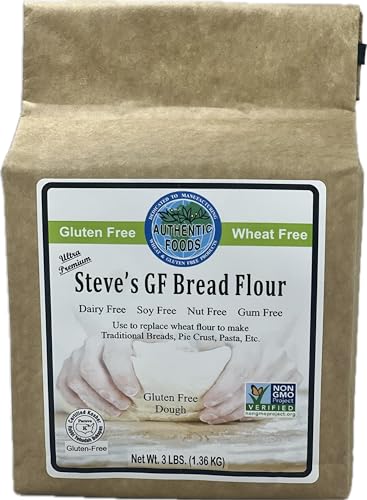
Steve’s GF Bread Flour Blend is the rare gum-free flour that produces a true dough — not a batter. Reviewers consistently report that husbands and guests could not tell the bread was gluten-free. The blend works for pan loaves, cinnamon rolls, bagels, and even soft pretzels, which is remarkable flexibility for a single flour.
The 48-ounce bag yields multiple loaves, and the recommended hydration ratio is forgiving enough to accommodate different bread machine models. Bakers note that the dough rises well with standard rapid-rise yeast and produces a crumb that holds together for sandwiches without crumbling at the first bite.
This is a flour-only blend, meaning you supply the yeast, oil, sweetener, and salt yourself. That gives you control over the final flavor profile — you can adjust sugar for a sweeter loaf or add seeds for texture. For bakers who want the closest thing to wheat dough behavior without gums, this is the benchmark.
Why it’s great
- Gum-free formulation creates true dough consistency
- Works for rolls, bagels, pizza, and sourdough — not just sandwich bread
- Consistently rated the best GF flour by long-time bakers
Good to know
- Requires separate purchase of yeast, oil, and sweeteners
- Premium tier cost per loaf compared to all-in-one mixes
2. Pamela’s Products Amazing Gluten-free Bread Mix
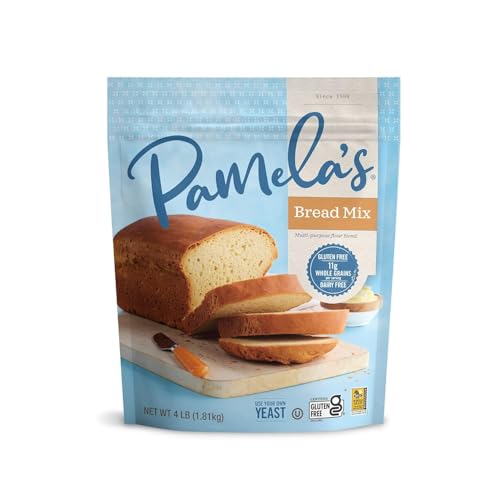
Pamela’s Amazing Gluten-free Bread Mix is one of the most beloved all-in-one mixes in the gluten-free community. It includes xanthan gum and dry yeast already blended, so you only need to add water, oil, and eggs or egg substitute. The 4-pound bag produces roughly four standard loaves, and reviews consistently praise the texture as the closest to gluten bread they have found in 30 years of Celiac management.
The mix works seamlessly in a bread machine — dump, add wet ingredients, and run the gluten-free or white bread cycle. The resulting loaf rises well, slices cleanly, and toasts beautifully. Reviewers with severe gluten intolerance report no reactions, and many use this mix for communion bread where texture and trust both matter.
Some bakers note a slight sweetness from the blend, and the cost per bag at Amazon can exceed local grocery store pricing. If you value convenience over cost control and want a foolproof loaf on the first try, this mix delivers reliably every time.
Why it’s great
- Includes yeast and gums — just add wet ingredients
- Consistently top-rated for taste and texture for decades
- Non-dairy and produced in an allergen-free facility
Good to know
- Pricing on Amazon is often higher than local natural food stores
- Bread has a mild sweetness not ideal for savory sliders
3. Extra White Gold Gluten Free Bread Flour Blend
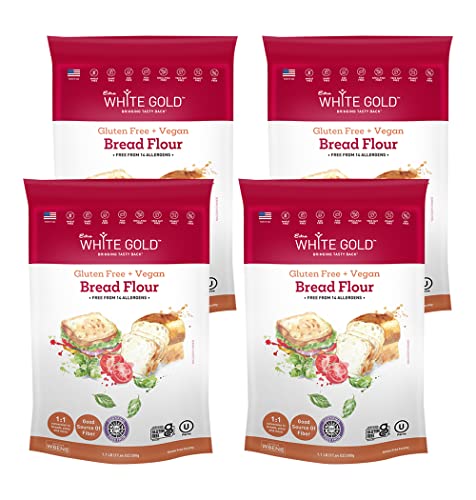
Extra White Gold Gluten Free Bread Flour Blend sets itself apart with a 1:1 substitution ratio — one cup of this blend replaces one cup of wheat flour in any yeasted recipe. The 4-pack (70.4 ounces total) gives you enough blend for multiple loaves, pizza crusts, bagels, and focaccia. Reviewers consistently say this blend produces the fluffiest crumb among all GF options they have tested.
The blend is free from all eight major allergens — no dairy, soy, nuts, or wheat — making it safe for households with multiple food sensitivities. Bakers report that the dough rises beautifully in a proofing environment with a cup of steaming water, and the resulting bread does not last long because it is so good. The cost per loaf runs higher than single-bag mixes, but the texture payoff is immediate.
One caveat: the blend produces a slightly smaller loaf than some all-in-one mixes — expect about six sandwich-sized slices per loaf. The flavor is neutral enough for both sweet and savory applications, and the crumb holds together exceptionally well when sliced thin.
Why it’s great
- Free from all 8 major allergens — safe for multiple sensitivities
- 1:1 substitution simplifies conversion from wheat recipes
- Produces the lightest, fluffiest crumb among GF blends tested
Good to know
- Loaf yield is smaller — roughly 6 sandwich slices per bake
- Premium tier cost per pound compared to single-bag mixes
4. Bob’s Red Mill 10 Grain Bread Mix
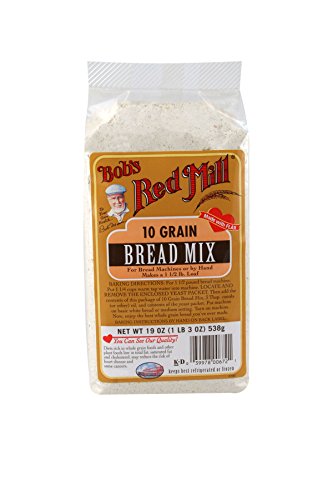
Bob’s Red Mill 10 Grain Bread Mix brings hearty, nutty flavor from a blend of whole grains that includes rye, oats, corn, flax, millet, and more. The 4-pack gives you 76 ounces of mix, enough for multiple loaves, and the instructions work for both bread machines and hand-baking. Reviewers with Amazon Basics bread makers report consistent success — just add water, oil, and your own yeast, then run the standard cycle.
This mix is not gluten-free — it contains wheat and other gluten grains — so it is not for those with celiac disease. Some bakers tweak the recipe by using half the bag with bread flour and adding salt for a less crumbly result, which speaks to the mix’s flexibility for those who can tolerate gluten.
The flour-based nature of this mix means you add your own yeast and can customize with dried fruit, nuts, or seeds. For gluten-tolerant households that want a whole-grain bread machine loaf with minimal effort, this is a sturdy, nutty option that beats store-bought whole wheat in texture and flavor.
Why it’s great
- Rich, nutty flavor from 10 whole grains
- High fiber, calcium, and iron content
- Works reliably in budget bread machine models
Good to know
- Contains gluten — not suitable for celiac or gluten sensitivity
- Some bakers report crumbly results without tweaks
5. Sunrise Flour Mill Heritage Organic Bread Flour Blend
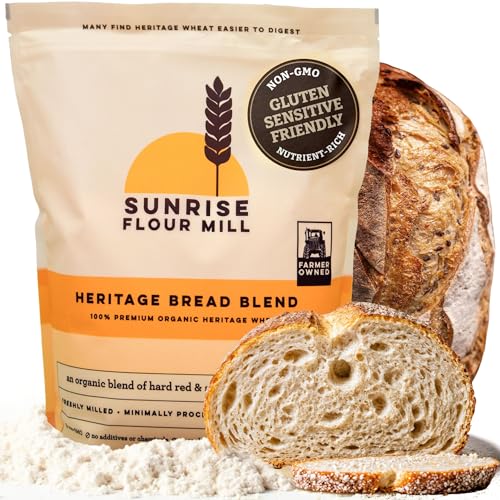
Sunrise Flour Mill Heritage Organic Bread Flour Blend uses pre-hybridized Turkey Red and White Sonora wheat, milled with a 1930s unifine process that produces an exceptionally fluffy texture. This is not a gluten-free flour — it contains modern wheat’s gluten profile — but many reviewers with mild gluten sensitivity or IBS report zero bloating or digestive discomfort after switching to this heritage blend.
The 5-pound bag yields roughly six 1.5-pound loaves when used in a bread machine, and the protein content supports a strong rise and a golden crust. Bakers who use cold fermentation (24-hour proof) find the bread becomes even more digestible, and the nutty, creamy-gold crumb is markedly different from standard white bread flour. The organic certification and single-pass stone milling produce a flour that feels alive — the bag even includes the grind date.
This blend is for gluten-tolerant bakers who want the artisan sourdough experience at home with a bread machine. The cost per loaf is comparable to good bakery bread, but the texture, flavor, and digestive comfort make it a standout for households that avoid commodity wheat without going fully gluten-free.
Why it’s great
- Heritage wheat varieties significantly reduce bloating for sensitive individuals
- High protein content produces strong rise and golden crust
- USDA Organic with single-pass stone milling for freshness
Good to know
- Contains gluten — not safe for celiac disease or severe gluten intolerance
- Requires yeast, oil, and sweetener; not an all-in-one mix
FAQ
Can I use a standard white bread cycle for gluten-free mixes?
Why does my gluten-free bread collapse in the middle after baking?
Do I need to add vital wheat gluten to gluten-free bread mixes?
Final Thoughts: The Verdict
For most users, the gluten free bread for bread machine winner is the Steve’s GF Bread Flour Blend because it produces a true dough that mimics wheat behavior without gums, giving you control over every variable. If you want a foolproof all-in-one mix, grab the Pamela’s Amazing Gluten-free Bread Mix. And for the lightest crumb with zero allergens, nothing beats the Extra White Gold Gluten Free Bread Flour Blend.