
Making a rich, lump-free gravy is a cornerstone of holiday dinners and Sunday roasts, but standard wheat flour is off the table when cooking gluten free. The wrong gluten-free flour turns your silky gravy into a gritty, pasty mess or fails to thicken at all. Choosing the right starch or flour blend is the difference between a sauce that clings and one that separates.
I’m Mohammad Maruf — the founder and writer behind Drink4Good. I’ve analyzed hundreds of hours of product feedback and market data on gluten-free thickeners to understand which starches deliver the clean taste and smooth mouthfeel a proper gravy demands.
The real test is how these flours behave under heat. A good gluten-free thickener must hydrate evenly, resist clumping, and hold its viscosity without turning gloopy. This guide is built around the best gluten free flour for gravy and breaks down the specific starches and blends that solve the tricky physics of gluten-free sauce making.
How To Choose The Best Gluten Free Flour For Gravy
The pantry aisle is full of gluten-free flours, but not all of them belong in a gravy boat. The ideal thickener for gravy must dissolve without lumps, withstand simmering without breaking down, and carry a neutral flavor that lets your drippings shine. Here are the three factors that separate a flawless finish from a floury failure.
Starch vs. All-Purpose Blends
Pure starches like potato starch and tapioca flour offer the highest thickening power with the least amount of product. They create a translucent, shiny sauce that coats the back of a spoon beautifully. All-purpose gluten-free blends often contain rice flour, sorghum, or bean flours that can leave a gritty or beany taste in a simple gravy. For a classic gravy, pure starch is generally the cleaner choice.
Texture and Mouthfeel
Potato starch yields a smooth, almost velvety texture that feels rich on the palate. Tapioca flour gives a more elastic, slightly chewy gel that can turn stringy if overheated or over-stirred. Rice flour produces a thinner, more matte sauce that can feel slightly gritty if not whisked thoroughly. The best choice depends on whether you want a glossy holiday gravy or a heartier, country-style pan sauce.
Heat Stability and Reheating
Not all starches hold up to prolonged simmering or reheating. Tapioca flour can break down and become watery if kept hot too long, while potato starch holds its viscosity well over low heat. All-purpose blends sometimes contain xanthan gum, which helps stabilize sauces but can create a slimy texture if overused. If you plan to make gravy ahead and reheat, a pure potato starch or a blend with modified food starch is the most forgiving option.
Quick Comparison
On smaller screens, swipe sideways to see the full table.
| Model | Category | Best For | Key Spec | Amazon |
|---|---|---|---|---|
| It’s Just Tapioca Flour | Pure Starch | Glossy, glossy gravy | 4 lb bulk, non-GMO | Amazon |
| Anthony’s Organic Potato Starch | Organic Starch | Clean-label, resistant starch | 5 lb, USDA organic | Amazon |
| Bob’s Red Mill Potato Flour | Whole Root Flour | Hearty, earthy gravy | 24 oz, fine grind | Amazon |
| Anthony’s Premium White Rice Flour | Grain Flour | Thin, matte sauce | 3 lb, fine powder | Amazon |
| Krusteaz All-Purpose Flour | All-Purpose Blend | Versatile 1:1 substitute | 8 x 32 oz, GFCO certified | Amazon |
In‑Depth Reviews
1. It’s Just Tapioca Flour

It’s Just Tapioca Flour is the standout choice for anyone who wants a glossy, clear gravy that clings to every bite. As a pure starch, it activates quickly when whisked into hot drippings and produces a smooth gel without the graininess of rice-based flours. The 4-pound bulk bag is well-sealed and stays fresh for months, making it a cost-effective pantry staple for frequent gravy makers.
This flour creates the classic translucent, restaurant-quality finish that home cooks often chase. It works perfectly in a 1:1 ratio with wheat flour in most recipes, so you can directly swap without adjusting liquid amounts. The neutral flavor profile means it won’t compete with roasted meat flavors or added herbs, allowing the essence of your stock to remain front and center.
One caveat: tapioca starch can become stringy or rubbery if you over-whisk or let the gravy sit on high heat for too long. Use a gentle simmer and stir just until thickened, then pull it off the burner. For pan gravies that need to hold for a buffet, consider blending it with a small amount of potato starch to improve heat stability.
Why it’s great
- Produces a glossy, clear gravy with no graininess
- Versatile 1:1 replacement for wheat flour in gravies and sauces
- Large 4-pound bag provides great value per ounce
Good to know
- Can become stringy if overheated or over-stirred
- Requires gentle simmer, not a rolling boil
2. Anthony’s Organic Potato Starch
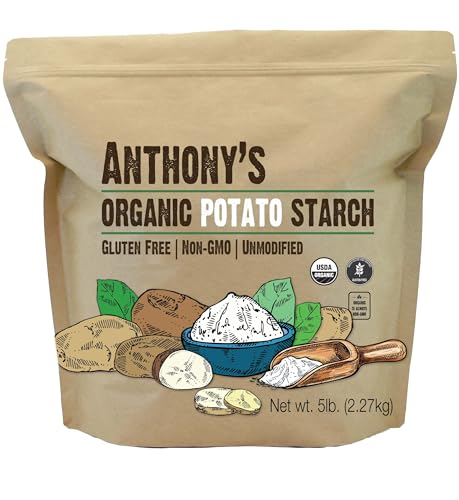
Anthony’s Organic Potato Starch brings a clean, certified-organic option for those who prioritize ingredient sourcing. Unlike potato flour (which is ground from the whole potato), this is a pure, unmodified starch that delivers exceptional thickening power with a very smooth, satiny mouthfeel. It is naturally resistant starch, meaning it offers some prebiotic fiber content that standard thickeners lack.
In gravy, it behaves almost identically to cornstarch but produces a slightly more velvety texture. It holds up well to gentle reheating, which is a notable advantage for meal prep or holiday cooking where gravy sits on the stove for extended periods. The 5-pound bag is sealed securely, and the fine powder dissolves readily in cold water slurries before being added to hot liquid.
The main trade-off is price point, as organic certification and the higher weight push this into premium territory. However, the superior heat stability and clean taste justify the investment for home cooks who make gravy from scratch regularly. Some users report that it thickens more quickly than cornstarch, so start with a smaller amount and add more until the desired consistency is reached.
Why it’s great
- Velvety, smooth texture that holds up to reheating
- USDA Organic and non-GMO verified
- Contains at least 50% resistant starch per serving
Good to know
- Priced higher than conventional starches
- Thickens quickly; easier to overseason if not measured carefully
3. Bob’s Red Mill Potato Flour
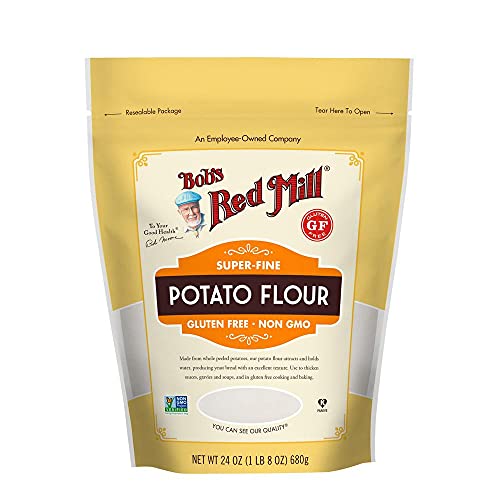
Bob’s Red Mill Potato Flour is a different beast from potato starch. Because it is made from the whole potato, it carries a subtle earthy flavor and a thicker, almost creamy body that works wonderfully in rustic gravies served over mashed potatoes or biscuits. It absorbs more liquid than pure starches, so you will need slightly more to achieve the same thickening effect.
The fine grind of this flour helps it incorporate with fewer lumps than coarser options. It adds a noticeable potato flavor that pairs naturally with pork, chicken, and mushroom gravies. The 24-ounce bag is a practical size for occasional use, though the bag is not resealable, so transferring the contents to an airtight container is recommended for freshness.
For best results, whisk the potato flour into cold water or stock before adding to hot drippings. This prevents the starch granules from clumping. Keep in mind that this is not a 1:1 replacement for wheat flour in every recipe — you may need to reduce the liquid slightly to prevent a gluey texture. It is ideal for those who want a thicker, more substantial gravy with a pronounced potato character.
Why it’s great
- Adds hearty, earthy flavor that enhances rustic gravies
- Fine texture blends easily with less clumping
- Versatile for baking, soup, and camping meals
Good to know
- Bag is not resealable; needs separate storage
- Requires slightly more product to thicken compared to pure starch
4. Anthony’s Premium White Rice Flour
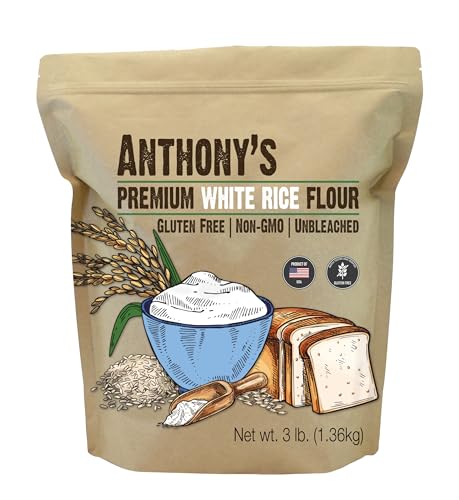
Anthony’s Premium White Rice Flour is the most affordable option in this lineup and a reliable choice for those who need a fine, neutral-grain flour. While rice flour does not produce the glossy sheen of starch-based thickeners, it creates a serviceable, more matte gravy that works well in casual dishes like sausage gravy or cream-based sauces. The fine powder dissolves quickly without grittiness when properly whisked.
This flour is batch-tested and verified gluten free, making it a trusted option for those with celiac disease or severe gluten sensitivity. It is also vegan and non-GMO, and the 3-pound bag offers a generous quantity for the price. The bag is well-sealed, though like the potato flour, it is not resealable once opened.
Keep in mind that rice flour absorbs more liquid than starches, so your gravy may require additional cooking time to reach the desired thickness. It also tends to settle over time, so a final whisk just before serving helps maintain consistency. For those on a tight budget or cooking large batches, this is a solid performer that gets the job done without breaking the bank.
Why it’s great
- Very affordable for a 3-pound bag
- Batch tested and verified gluten free for celiac safety
- Fine powder blends well with minimal grittiness
Good to know
- Produces a matte, less glossy finish
- May need more liquid and longer cooking to thicken fully
5. Krusteaz Gluten Free All-Purpose Flour
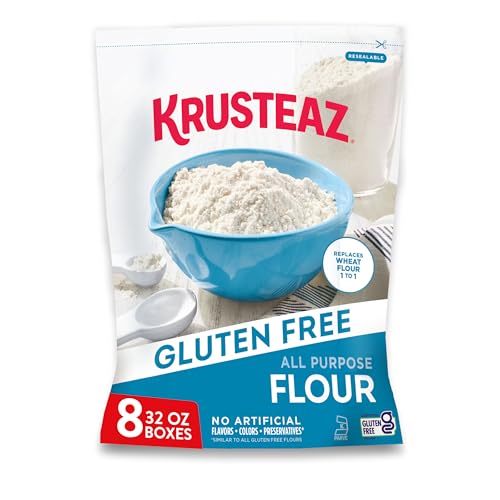
Krusteaz Gluten Free All-Purpose Flour is the most versatile option here, designed as a 1:1 replacement for regular wheat flour in almost any recipe. The pack contains eight 32-ounce resealable bags, making it a fantastic bulk option for households that bake frequently. The blend is certified by the Gluten-Free Certification Organization (GFCO), providing strong third-party verification.
For gravy, this flour performs similarly to a standard all-purpose flour — you can create a roux or whisk it directly into drippings. The texture is smooth and the flavor is neutral, without the beany notes sometimes found in legume-based blends. Because it contains a mix of starches and gums, it holds together well and resists breaking down upon reheating.
The main downside is that the blend includes rice flour and other grains, which can yield a slightly thinner gravy compared to pure starch. You may need a larger quantity to reach the same viscosity. Also, the presence of xanthan gum can create a slightly slick mouthfeel if you use too much. For those who want one flour that works for cookies, cakes, pancakes, and gravy, this is the most convenient buy.
Why it’s great
- True 1:1 substitution for wheat flour in any recipe
- Resealable bags in a bulk 8-pack
- GFCO certified for strong gluten-free assurance
Good to know
- Produces thinner gravy than pure starches
- May have a slightly slick texture if overused
FAQ
Can I use almond flour or coconut flour to thicken gravy?
Why did my gluten-free gravy become stringy and slimy?
How much gluten-free flour should I use per cup of liquid for gravy?
Final Thoughts: The Verdict
For most users, the best gluten free flour for gravy winner is the It’s Just Tapioca Flour because it delivers the glossy, lump-free finish most home cooks want with a neutral flavor that lets the drippings speak. If you want an organic starch with superior heat stability for meal prep, grab the Anthony’s Organic Potato Starch. And for a hearty, earthy gravy that pairs with pork or chicken, nothing beats the Bob’s Red Mill Potato Flour.