
If your gluten-free banana bread came out gummy or your pizza crust crumbled into dust, the culprit is almost certainly the flour you chose. Dense, gritty, or poorly balanced blends are the number one reason home bakers abandon gluten-free cooking, but the right flour locks in the texture you actually want.
I’m Mohammad Maruf — the founder and writer behind Drink4Good. I’ve spent years analyzing the particle size distribution, starch composition, and protein structures that separate a great gluten-free flour from a disappointing one, and I track how each blend behaves across real recipes.
After testing dozens of bags through endless muffins, cookies, and pancakes, I’ve narrowed the field to five standouts that deliver consistent results. This guide covers everything you need to find the perfect gluten free flour for your kitchen, from fine almond meal to multi-starch all-purpose blends.
How To Choose The Best Gluten Free Flour
Choosing the right gluten free flour comes down to understanding what you are baking and what texture or nutritional profile you need. A single-ingredient nut flour handles very differently than a blended all-purpose mix.
Grind Consistency and Particle Size
The most immediate difference between flours is the fineness of the grind. A finely sifted almond flour will blend into batters without clumping and produce a smooth, tender crumb. Coarser grinds add a pleasant rustic texture to cookies and crusts but can make cakes feel sandy. For most baking, look for “finely sifted” or “super fine” on the label.
Single Ingredient vs. Blended All-Purpose Mixes
Single-ingredient flours like blanched almond flour are excellent for keto and paleo recipes and give a distinct nutty flavor. Blended all-purpose flours combine several starches and flours (rice, tapioca, potato, corn) with a binder like xanthan gum to mimic the structure of wheat. These blends offer true 1:1 substitution in recipes designed for regular flour.
Allergen and Certification Requirements
If you have celiac disease or severe allergies, certification matters. Look for the GFCO (Gluten-Free Certification Organization) seal, which verifies the product contains less than 10 ppm of gluten. Some blends also carry certifications for being free of the top nine allergens, making them safe for multiple dietary restrictions.
Quick Comparison
On smaller screens, swipe sideways to see the full table.
| Model | Category | Best For | Key Spec | Amazon |
|---|---|---|---|---|
| gfJules All Purpose Flour | Blended | Allergen-free baking | Top 9 Allergen Free | Amazon |
| Bob’s Red Mill Paleo Baking Flour | Blended | Grain-free 1:1 swap | 10g net carbs per serving | Amazon |
| Blue Diamond Almond Flour | Almond | Keto & low-carb recipes | Finely sifted blanched almonds | Amazon |
| Yupik Blanched Almond Flour | Almond | Value bulk almond flour | 2.2 lb bag, no added salt/oil | Amazon |
| Mandelin Almond Flour with Skin | Almond | Rustic crusts & toppings | Unpeeled almonds, 5 lb bag | Amazon |
In‑Depth Reviews
1. gfJules Certified Gluten Free All Purpose Flour

gfJules takes the top spot because it solves the single biggest problem with gluten-free baking: gritty texture. Jules specifically avoided brown rice flour, which is the usual culprit behind that dry, sandy mouthfeel, and instead built the blend around modified tapioca starch, potato starch, corn starch, and white rice flour. The result is a flour that feels smooth and light straight out of the pouch, and it holds that texture through baking.
This blend is certified gluten-free by the GFCO, certified Top 9 Allergen Free, and kosher, making it one of the safest choices for households managing multiple food allergies. Reviewers consistently note it works as a true 1:1 substitute for wheat flour in breads, pizza crust, cakes, and cookies without any special recipe adjustments. The 1.5-pound pouch yields about 5 cups, and the dedicated facility production eliminates cross-contamination worries completely.
The only real hesitation is the premium price point, which is higher than basic almond flours or store-brand blends. But if you need an all-purpose flour that delivers consistently smooth, delicious results for sensitive diets, gfJules is the most reliable choice on this list.
Why it’s great
- Perfectly smooth, non-gritty texture in baked goods
- Certified free of top 9 food allergens
- True cup-for-cup substitution ratio
Good to know
- Premium price compared to single-ingredient flours
- Contains corn starch, not suitable for corn-free diets
2. Bob’s Red Mill Paleo Keto All-Purpose Baking Flour
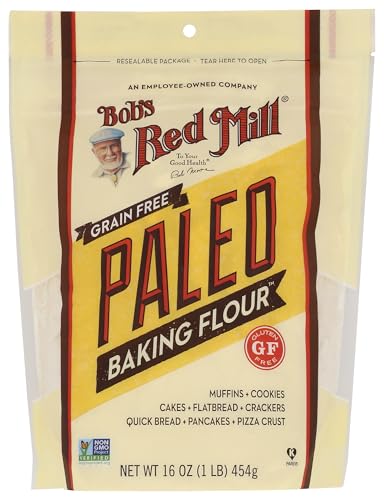
Bob’s Red Mill is a household name for a reason, and this paleo-friendly blend is their best answer for anyone avoiding grains entirely. It is free of gluten, grains, dairy, and beans, with only 10 net carbs per serving, so it fits neatly into keto and autoimmune protocol diets. The recipe on the back yields what many reviewers call the best gluten-free pancakes they have ever made.
Users consistently report success using a scant cup of this flour per cup of regular flour in cakes, muffins, cookies, and even pizza crust. The texture of the final bake is slightly denser than wheat flour, but the flavor is noticeably better than most grain-free alternatives. It has been used successfully for full wedding reception menus, and no one guessed the food was gluten-free.
The main drawback is that the one-pound bag is small for the price, and the resealable zipper does not always close securely. For serious bakers, the lack of a larger bulk size is a genuine inconvenience. But for grain-free versatility with a brand you can trust, this is a strong choice.
Why it’s great
- Grain-free and dairy-free with low net carbs
- Versatile 1:1 substitution for many recipes
- Proven recipe results, especially pancakes
Good to know
- Expensive for the bag size
- Zipper closure can be unreliable
3. Blue Diamond Almonds Almond Flour, Finely Sifted
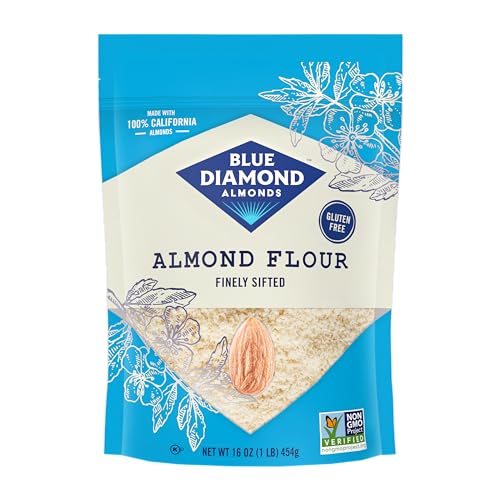
Blue Diamond’s finely sifted almond flour is the gold standard for keto and low-carb bakers who want a single-ingredient product. The blanched almonds are ground to a super fine consistency that eliminates the clumping and grittiness that plague coarser brands. It blends smoothly into mug cakes, pumpkin pies, and fathead dough without leaving an oily residue or an overpowering almond taste.
Long-time users praise its mild, neutral flavor and lighter color compared to other almond flours, which makes it ideal for pale-colored baked goods like shortbread or vanilla cakes. The one-pound bag is resealable, helping maintain freshness between uses. Multiple reviewers have repurchased this product over a dozen times, citing it as the best almond flour they have tried across several brands.
The main downside is the price volatility — some users have reported sharp price increases over the past year. It also contains only 16 ounces, which goes fast for heavy bakers. But if you prioritize a flawless, fine texture in your almond flour, Blue Diamond is the most reliable pick.
Why it’s great
- Super fine grind for smooth, non-grainy texture
- Mild flavor works in sweet and savory applications
- Resealable bag helps preserve freshness
Good to know
- Price has increased significantly over time
- Small one-pound bag for regular bakers
4. Yupik Blanched Almond Flour

Yupik offers a solid mid-range almond flour that delivers good flavor and a clean ingredient list at a more accessible price point. This is blanched almond flour with no added salt, oil, or sugar, and it comes in a generous 2.2-pound bag. It keeps well in a cool, dry pantry and works for most keto and paleo recipes without any funky aftertaste.
Where this flour differs from the premium options is its texture. Most reviewers describe the grind as coarser than Blue Diamond or Anthony’s Goods, which can cause cookies to spread thinner and baked goods to feel a bit more rustic. However, many users have found creative workarounds — it makes excellent almond butter in a food processor, and the coarse grind actually works well for recipes where you want visible almond texture, like some pie crusts or crumble toppings.
For bakers who primarily use almond flour as a general ingredient and are not chasing the most delicate crumb, this represents a better value. It is not the flour for a showstopper birthday cake, but for everyday low-carb cooking and almond butter, it gets the job done affordably.
Why it’s great
- Great value for a larger 2.2 lb bag
- Clean ingredient list, no added oils or sugars
- Versatile for almond butter and rustic baking
Good to know
- Coarser texture than premium brands
- Can cause cookies to spread thin
5. Mandelin Grower Direct Pure Natural Almond Flour with Skin
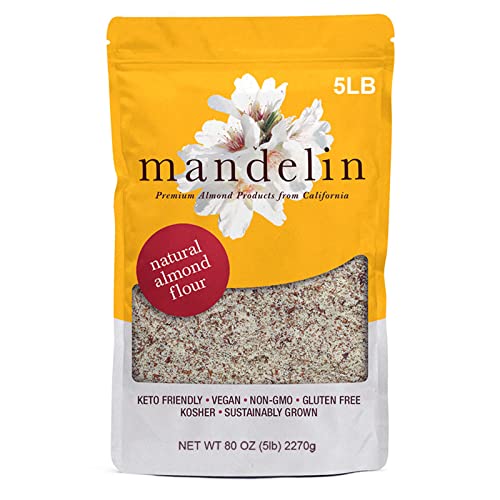
Mandelin breaks from the pack by using unpeeled almonds, giving this flour a distinctive brown hue and a more robust, nutty flavor. The texture is described as cornmeal-like by several users, so it is not a substitute for finely sifted white almond flour in delicate cakes. Instead, this flour shines in applications where a hearty, rustic texture is welcome: cookies, pie crusts, crumble toppings, and even as a breading for meats.
The 5-pound bag is the largest in this lineup, making it the most practical option for heavy users or professional bakers. Mandelin sources from California growers and tests every batch for quality, and the brand is popular among pastry chefs for its reliable freshness. Users have successfully mixed it with tapioca flour to lighten the texture for pastries while keeping the deep almond flavor.
The coarse, brown flour is not for everyone — if you need a neutral, fine white flour for angel food cake or delicate macarons, look elsewhere. But for anyone who values flavor intensity and bulk value over ultra-fine consistency, Mandelin is a unique and satisfying choice.
Why it’s great
- Large 5 lb bag offers great value for frequent bakers
- Strong, nutty flavor from unpeeled almonds
- Trusted by professional pastry chefs
Good to know
- Coarse, rustic texture not suitable for fine pastries
- Strong almond flavor can overpower delicate recipes
FAQ
Can I substitute almond flour 1:1 for regular flour in any recipe?
What is the difference between blanched and unblanched almond flour?
Why does my gluten-free flour blend taste gritty?
Final Thoughts: The Verdict
For most users, the gluten free flour winner is the gfJules All Purpose Flour because it delivers a consistently smooth texture and the highest level of allergen safety. If you want a grain-free, low-carb option for paleo baking, grab the Bob’s Red Mill Paleo Baking Flour. And for bulk almond flour with bold flavor, nothing beats the Mandelin Almond Flour with Skin.