
Navigating the grocery aisle when you’re avoiding gluten isn’t just about finding things that are safe — it’s about finding things that actually taste good and deliver real nutrition. Too many products either crumble apart or sacrifice flavor for the label. This guide cuts through the marketing and gets down to what matters: ingredients, texture, and whether the food on your plate will satisfy.
I’m Mohammad Maruf — the founder and writer behind Drink4Good. I’ve spent countless hours analyzing ingredient lists, customer feedback, and nutritional specs across dozens of gluten-free brands to separate the pantry staples from the shelf-fillers that simply check a box.
Whether you’re celiac, gluten-sensitive, or just looking to reduce inflammatory foods, the last thing you need is guesswork. This breakdown of the best gluten free groceries focuses on clean label ingredients, consistent performance in cooking, and actual value for your everyday meals and snacks.
How To Choose The Best Gluten Free Groceries
Not all gluten-free products are created equal. A “gluten-free” claim on the front label is just the starting point. The real difference comes down to how the product handles cross-contamination risk, what it uses to replace gluten’s structure, and whether the ingredient list is clean or packed with gums, starches, and preservatives.
Certification vs. “Gluten-Free” Claim
A product that is “gluten-free” by FDA definition must contain less than 20 parts per million of gluten. However, third-party certifications like GFCO (Gluten-Free Certification Organization) require testing down to 10 ppm or even 5 ppm. If you have celiac disease or a severe sensitivity, prioritizing products with a seal from a trusted certifying body significantly lowers your risk of trace contamination.
Texture and Binding in Baking Mixes
Gluten provides elasticity and structure. In its absence, bakers rely on a blend of flours (like almond, coconut, rice, or tapioca) and binders (xanthan gum or psyllium husk) to prevent crumbling. The best gluten-free baking flours are not simple grain-for-grain replacements — they are carefully formulated blends that mimic the protein structure gluten provides, which is the difference between a dense, gritty muffin and a tender, airy one.
Hidden Cross-Contaminants in Pantry Staples
Even naturally gluten-free items like oats, chia seeds, and baking powder can be processed in facilities that handle wheat. Always look for a specific “processed in a dedicated gluten-free facility” note on the package. This is especially critical for items like baking powder, which seems harmless but can be a hidden source of contamination. The best gluten free groceries explicitly state their facility status.
Quick Comparison
On smaller screens, swipe sideways to see the full table.
| Model | Category | Best For | Key Spec | Amazon |
|---|---|---|---|---|
| Bob’s Red Mill Paleo Keto Flour | Baking Flour | Grain-Free Recipes | 10g Net Carbs per Serving | Amazon |
| Bobo’s Oat Bites Variety Pack | Snack Bites | On-the-Go Snacking | GFCO Certified Gluten-Free | Amazon |
| YumEarth Organic Variety Box | Candy Bites | Allergen-Free Treats | Top 9 Allergen Free | Amazon |
| BetterBody Foods Organic Chia Seeds | Pantry Staple | Nutrient Boosting | 5350mg Omega-3 per Serving | Amazon |
| Relative Foods Baking Powder | Leavening Agent | Clean Baking | No Corn Starch Formula | Amazon |
In‑Depth Reviews
1. Bob’s Red Mill Paleo Keto All-Purpose Baking Flour
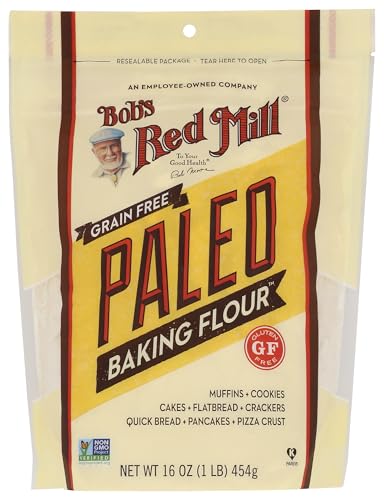
This flour from Bob’s Red Mill is a carefully formulated blend that replaces gluten’s structure without relying on grains. It delivers 10 net carbs per serving and is free from grain, gluten, dairy, and beans — making it suitable for multiple restrictive diets at once. The real test is in the bake: users report that pancake recipes from the package outperform traditional wheat-based versions.
The 1:1 substitution ratio is what makes this a reliable pantry swap. You don’t need to re-engineer your favorite recipes. Celiac customers at wedding receptions used this flour with no one detecting the difference. That is the benchmark — results that don’t remind you it’s gluten-free.
One limitation is the price point — this is not a budget bulk option. Also, the zipper seal on the bag can be inconsistent. For the volume, you may want to transfer it to an airtight container immediately. But for the quality of the bake and the clean label, it is the best all-purpose option on this list.
Why it’s great
- True 1:1 substitution ratio for standard flour
- Grain-free, dairy-free, and bean-free for broad dietary compatibility
- Produces light, non-dense baked goods with no gluten aftertaste
Good to know
- More expensive per pound than grain-based gluten-free flours
- Bag zipper doesn’t always hold an airtight seal
- Only available in 1-pound packaging
2. Bobo’s Oat Bites Stuff’d Variety Pack
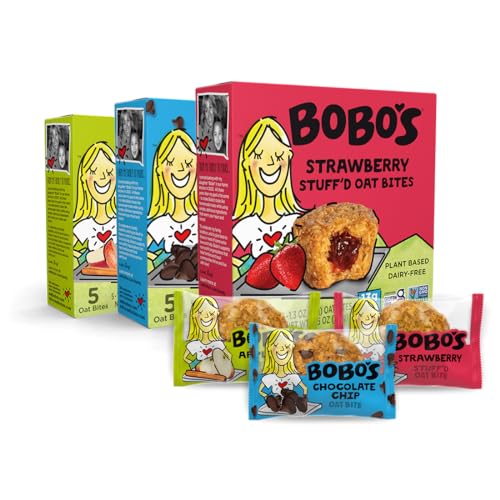
Bobo’s Oat Bites are made with 100% whole grain rolled oats that are GFCO-certified gluten-free, testing to the strictest standard of 10 ppm or less. The “Stuff’d” line features a soft oat exterior with a fruit or nut butter filling inside — available in Strawberry, Apple Pie, and Original Chocolate Chip. Each bite is individually wrapped, making portion control straightforward for lunchboxes or desk drawers.
The texture is different from a typical granola bar: moist and firm rather than dry and crunchy. Customers consistently mention the Strawberry flavor as the standout, with the fruit filling being sweet and gooey without tasting artificial. The apple filling runs a close second.
The PB&J flavor receives more mixed reviews for its texture. At roughly a dollar per muffin-sized bite, it is an expensive snack. But for a clean-label, dairy-free, glyphosate-residue-free oat product that actually tastes like real food, the cost reflects the ingredient sourcing. Best suited for those who need an allergy-friendly, portable option that doesn’t dry out.
Why it’s great
- GFCO-certified gluten-free with testing to 10 ppm
- Individually wrapped for true portion control and freshness
- Non-GMO, plant-based, and no artificial additives
Good to know
- Higher price per serving compared to standard granola bars
- PB&J flavor filling is less consistent in quality than fruit flavors
- Texture is firm and pressed, not light and crumbly
3. YumEarth Organic Variety Box
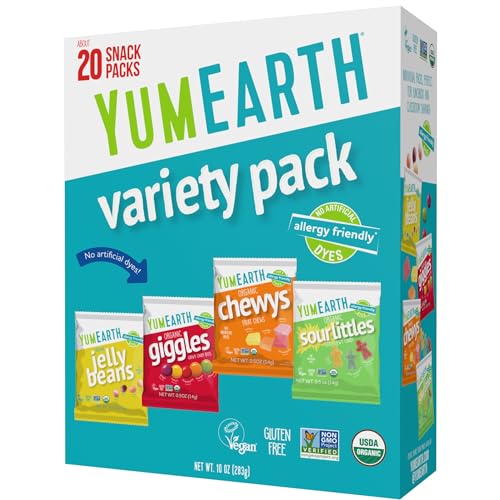
YumEarth has carved out a legitimate space in the allergy-friendly candy market by removing the top 9 allergens, artificial dyes, and high fructose corn syrup while keeping the fruit flavors recognizable. This variety box contains 20 individually wrapped packs that rotate through Jelly Beans, Giggles, Chewys, and Sour Littles — giving kids and adults real candy options without the usual chemical baggage.
The flavor profile is noticeably different from mainstream candy. Users report the fruit tastes “real” rather than synthetic, which is the direct result of using organic fruit juice concentrates for coloring and flavoring. The Giggles and Chewys textures are the most popular across reviews.
The trade-off is that all varieties have a hard texture. Some customers noted the candy is too firm for very young children. If you need a dye-free, gluten-free, and top-9-free option that satisfies a classic candy craving, this box checks every box. Just expect a denser bite than what you’d get from typical mass-produced chewy candy.
Why it’s great
- Free from top 9 allergens including gluten, dairy, and soy
- Uses organic fruit concentrates instead of artificial dyes
- Individually wrapped for lunchboxes and portion control
Good to know
- Hard, dense texture across all varieties
- More expensive than conventional candy options
- Jelly bean flavor received less positive reviews than other styles
4. BetterBody Foods Organic Chia Seeds

Chia seeds are a naturally gluten-free food, but the processing environment matters. BetterBody Foods packages these in a facility that handles gluten-free ingredients, and the seeds themselves are organic, non-GMO, and nut-free. Each serving delivers 5350 mg of omega-3s and 10 grams of fiber, making it a nutrient-dense addition to any diet.
The biggest advantage here is that the seeds are completely odorless and flavor neutral. If you’ve had chia seeds that taste musty or carry a grassy note, these avoid that entirely. They mix into yogurt, smoothies, oatmeal, and baked goods without changing the flavor profile. Multiple customers report using them daily for chia pudding with consistent results.
The 2-pound bag is a solid value for the quality. The seeds are clean, fresh, and store well. The only real drawback is that if you’re not using them regularly, two pounds can take a while to work through. But for anyone building a gluten-free pantry with a focus on whole food nutrition, this is a foundational ingredient.
Why it’s great
- Flavor neutral — won’t alter the taste of your recipes
- High in omega-3s and fiber with organic certification
- Nut-free and gluten-free for broad dietary compatibility
Good to know
- Large bag requires consistent use to finish while fresh
- Not specifically certified by GFCO (facility-based claim)
- Some users prefer smaller sizes for portability
5. Relative Foods Baking Powder

Baking powder is one of those pantry items most people don’t think twice about — until they realize most commercial brands use corn starch as a filler, which is often processed in facilities shared with wheat. Relative Foods eliminates that risk entirely. This baking powder is corn starch free, aluminum free, and blended in a dedicated allergen-free and gluten-free facility in Spring Lake, Michigan.
The ingredient list is short: organic white rice flour, cream of tartar, and baking soda. That’s it. No anti-caking chemicals, no preservatives, no aluminum. The trade-off is that the powder can form small lumps since it lacks the typical flow agents found in standard brands. Shaking the bag before use resolves this easily.
In baking tests, users report fluffier batter and a nicer crumb structure compared to standard aluminum-based powders. Biscuits and muffins rise well and have no metallic aftertaste. For anyone following a strict gluten-free or allergen-free lifestyle, this is the kind of foundational ingredient that removes hidden risk from baking.
Why it’s great
- Blended in a dedicated gluten-free and allergen-free facility
- No corn starch, aluminum, or anti-caking additives
- Produces lighter, fluffier baked goods with no aftertaste
Good to know
- Small lumps can form due to lack of anti-caking agents
- 1-pound resealable bag rather than a canister
- More expensive per ounce than bulk grocery store brands
FAQ
What is the difference between “gluten-free” and “certified gluten-free”?
Why is corn starch in baking powder a problem for gluten-free diets?
Can I substitute Bob’s Red Mill Paleo Keto Flour 1:1 in any recipe?
How should I store gluten-free chia seeds to keep them fresh?
Are YumEarth candies safe for a child with a peanut and tree nut allergy?
Final Thoughts: The Verdict
For most users, the gluten free groceries winner is the Bob’s Red Mill Paleo Keto All-Purpose Baking Flour because it delivers the closest 1:1 baking experience to traditional flour while keeping net carbs low and the ingredient list clean. If you want a portable, certified-grain-free snack with real fruit filling, grab the Bobo’s Oat Bites Variety Pack. And for a clean-label pantry upgrade that eliminates hidden cross-contamination risk, nothing beats the Relative Foods Baking Powder.