
Gluten-free orzo has a reputation problem: it turns to mush in soup or clumps into a sticky brick the moment you look away. That tiny rice-shaped pasta is a texture trap for anyone who grew up with the real thing, because the corn-rice blends and legume flours all cook differently than traditional semolina. The difference between a perfect, al dente orzo salad and a bowl of gritty paste comes down to a few minutes on the clock and the exact starch makeup of the bag you bought.
I’m Mohammad Maruf — the founder and writer behind Drink4Good. I’ve spent years analyzing the production methods, ingredient sourcing, and cooking behavior of specialty gluten-free pasta brands to understand why some hold firm while others disintegrate.
After comparing dozens of formulations, I’ve found the five options that actually deliver the right bite. Whether you need a grain-free cassava option for paleo diets or a high-protein chickpea alternative for weeknight dinners, this guide to the best gluten free orzo will help you pick the one that won’t let you down.
How To Choose The Best Gluten Free Orzo
Not all gluten-free orzo is created equal. The flour base — whether corn, rice, chickpea, cassava, or lupini — dictates everything: cooking time, starch release, how well the finished dish re-heats, and whether the pasta can hold up in a broth without turning into porridge. Below are the three most critical factors to weigh before adding a bag to your cart.
Flour Composition and Starch Behavior
Blends that rely primarily on corn and rice flour (around 70/30) tend to release starch gradually, which makes them ideal for soups where you want the liquid to thicken slightly. Pure legume flours like chickpea or lupini pack more protein and fiber per serving, but they cook faster and can turn gummy if you exceed the recommended boil time by even a minute. Cassava flour sits in its own category: it’s grain-free, behaves closer to wheat pasta in firmness, but has a naturally sweeter edge that pairs best with savory sauces.
Die Extrusion and Drying Method
Look for brands that mention bronze die extrusion and low-temperature drying. Bronze dies leave a rough surface on the orzo, which helps sauce and broth cling to each grain instead of sliding off. Slow drying at controlled temperatures prevents the interior from cracking, so the orzo maintains structural integrity during cooking instead of splitting open and releasing excess starch into the water.
Intended Use Scenario
Your choice should match the dish. If you’re making a brothy soup that simmers for 30 minutes, you need an orzo that won’t bloat — that usually means a higher-fiber legume or cassava base. For a cold orzo salad dressed with vinaigrette, a standard corn-rice blend works perfectly because the pasta firms back up after rinsing. For keto or low-carb diets, lupini flour orzo provides the lowest net carb count but requires careful, short cooking to avoid a pasty result.
Quick Comparison
On smaller screens, swipe sideways to see the full table.
| Model | Category | Best For | Key Spec | Amazon |
|---|---|---|---|---|
| DeLallo Gluten Free Orzo | Corn-Rice Blend | Classic orzo dishes & soups | 70% Corn / 30% Rice Flour | Amazon |
| Barilla Chickpea Orzo | Chickpea | High-protein meals | 21g Protein per 3.5oz serving | Amazon |
| Jovial Cassava Orzo | Cassava | Paleo / AIP diets | Single ingredient: organic cassava flour | Amazon |
| Le Venezian Fettucee Corn Pasta | Italian Corn | Authentic texture substitute | 100% Italian Corn, no dyes | Amazon |
| Aviate Lupini Keto Orzo | Lupini Flour | Keto / low-net-carb diets | 3g Net Carbs per serving | Amazon |
In‑Depth Reviews
1. DeLallo Gluten Free Orzo Pasta

DeLallo solves the two biggest gluten-free orzo complaints: texture and versatility. The 70/30 corn-rice flour blend releases just enough starch to thicken a chicken broth naturally, so you don’t need a separate roux to add body. Each 12-ounce bag is crafted in a dedicated gluten-free facility in Italy, using a traditional drying process that keeps the grains from cracking during storage. That structural integrity translates directly to the pot — the orzo holds its shape through a full 11-minute boil and doesn’t turn into a layer of sludge when you reheat leftovers the next day.
The three-pack configuration provides 36 ounces total, which is enough for multiple meal prep sessions without cluttering your pantry with six different boxes. I’ve used this orzo in both cold Greek salads and brothy lemon-chicken soup, and it performs equally well in both scenarios because the corn base provides a neutral flavor that absorbs dressing or broth without tasting gritty. Multiple reviewers report that dinner guests couldn’t tell the pasta was gluten-free, which is the highest compliment in this category.
One practical detail: the package recommends salting the boiling water generously before adding the pasta, which helps season the orzo from the inside out. Because the starch release is moderate, you should reserve about a cup of pasta water before draining — it’s excellent for loosening a thick sauce later. If you cook for a mixed-diet household, this is the single bag that satisfies everyone without requiring a separate pot.
Why it’s great
- Classic taste and toothsome texture indistinguishable from wheat orzo
- Versatile enough for soups, salads, and baked casseroles
- Excellent value in the three-pack format
Good to know
- Higher in carbs than legume-based alternatives
- Requires salty water and precise timing for best results
2. Barilla Chickpea Orzo
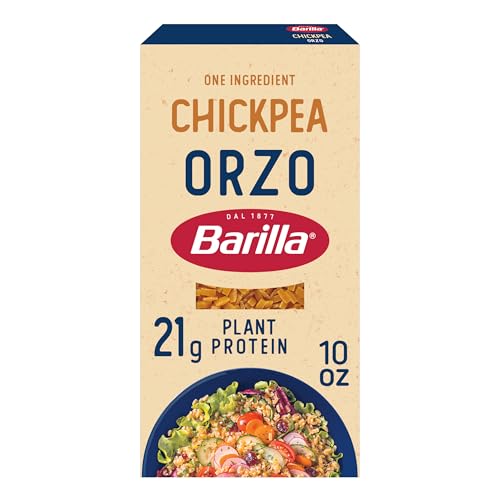
Barilla brings its manufacturing scale to gluten-free orzo with a single-ingredient chickpea pasta that delivers 21 grams of plant protein and 15 grams of fiber per 3.5-ounce serving. Unlike some legume pastas that rely on gums or modified starches to mimic mouthfeel, this orzo contains only chickpea flour — no binders, no additives, no hidden gluten. The ingredient simplicity is a major advantage for anyone who reacts to xanthan gum or prefers whole-food labels on their pantry staples.
The cooking window is tighter than corn-rice blends: Barilla recommends nine minutes, with an optional one to two extra minutes for a softer grain. Because chickpea flour absorbs water quickly, you need to drain the pasta immediately and rinse with cool water if you’re using it cold — otherwise the residual heat continues cooking the orzo and turns it sticky. I’ve found that tossing the drained orzo with a teaspoon of olive oil before refrigerating keeps the grains separate for next-day salads.
Reviewers consistently mention that the chickpea flavor is mild enough to go unnoticed under robust sauces. Spinach-and-parmesan orzo, tomato soup, and Mediterranean grain bowls all mask the legume undertone completely. The eight-pack format gives you 80 ounces total, making this the most practical option for households that cook orzo weekly and want the protein boost without buying a new box every third meal.
Why it’s great
- Highest protein and fiber count in this lineup
- Clean ingredient list with zero gums or additives
- Excellent value per ounce in the bulk pack
Good to know
- Short cooking window — easy to overcook into paste
- Mild legume taste comes through in plain preparations
3. Jovial Grain-Free Cassava Pasta Orzo
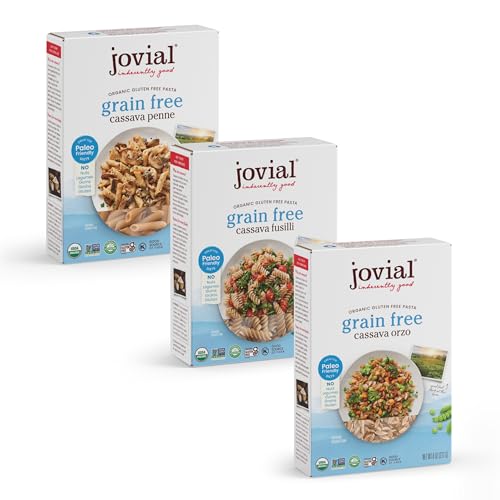
Jovial’s cassava orzo is the only entry on this list that qualifies as both grain-free and paleo-friendly, which makes it a lifesaver for anyone managing autoimmune protocol (AIP) diets or lectin sensitivities. The production method — bronze die extrusion followed by slow drying at low temperatures — creates a rough surface on each grain that holds sauce better than smooth extruded pastas. This is a subtle but real difference: when you toss the orzo with pesto or a thick ragu, the sauce clings rather than pooling at the bottom of the bowl.
The flavor profile is where cassava diverges most noticeably from corn-rice blends. It has a natural sweetness that pairs beautifully with savory, umami-heavy sauces but feels slightly off in delicate broths or light vinaigrettes. I recommend this orzo for baked dishes — think cassava orzo mac-and-cheese or a creamy one-pot mushroom orzo — where the sweetness gets balanced by fat and salt. The cooking time is similar to standard gluten-free pasta, and the grains stay remarkably firm even when simmered in sauce for extra minutes.
A packaging note: some recent batches have arrived with a strong air freshener odor absorbed from storage conditions, which has led to returns from sensitive users. If you buy this product, inspect the box immediately upon arrival and contact the seller if any chemical smell is present. For most people, though, this cassava orzo delivers the closest wheat-like bite in the grain-free category.
Why it’s great
- Grain-free, paleo, and AIP compliant with clean label
- Bronze die extrusion improves sauce adhesion
- Firm, resilient texture even when reheated
Good to know
- Natural sweetness clashes with light broths
- Inconsistent packaging odor in recent batches
4. Le Venezian Italian Fettucee Corn Pasta
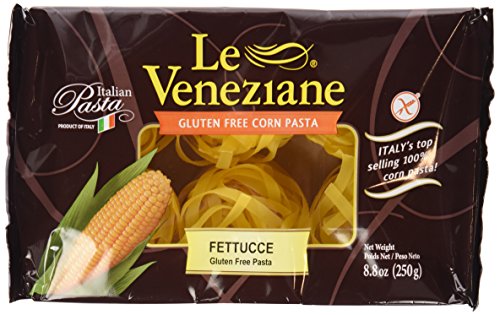
Le Venezian has built a cult following among celiac eaters for one reason: their 100-percent Italian corn pasta tastes and chews like wheat-based semolina without the sliminess that plagues so many gluten-free options. The four-pack of 8.8-ounce bags gives you 35.2 ounces total, and each grain maintains a clean, firm bite even after sitting in a warm soup for ten minutes. The secret is the single-ingredient corn flour — no rice starch, no gums — which eliminates the mucilaginous coating that other blends develop during cooking.
The product is labeled as Fettucee, but the shape is a short, rice-like cut that functions identically to orzo in recipes. Reviewers consistently rate it five stars, calling out the quick cooking time and the fact that sauce clings to each piece without sliding off. I’ve used this pasta in a creamy stroganoff and a simple garlic-oil preparation, and both times the texture held firm with no mushiness in the leftovers. The low fat content and high digestibility make it a gentler option for sensitive stomachs compared to legume-based pastas.
One caveat: because this is pure corn flour, the nutritional profile is lower in protein than chickpea or lupini options. You’re trading macro density for texture authenticity. If your priority is a gluten-free orzo that tastes like the original and works in any application — soup, salad, baked dish — Le Venezian delivers the most reliable mouthfeel in the category.
Why it’s great
- Closest texture to traditional wheat orzo
- No gumminess or sliminess during cooking
- Excellent in soups due to high structural stability
Good to know
- Lower protein content than legume-based pastas
- Packaged as four separate 8.8 oz bags
5. Aviate Keto Rice Orzo Lupini Pasta

Aviate’s lupini flour orzo is designed for strict keto dieters who refuse to sacrifice pasta night: 3 grams of net carbs, 18 grams of protein, and 17 grams of fiber per serving. Lupini flour, derived from the ancient Roman lupin bean, provides that macro profile without the strong beany taste that plagues many legume pastas. The texture leans toward al dente, with a subtle buttery undertone that works well in fried rice applications or as a bed for saucy proteins.
The cooking method is non-negotiable with this product. Boil for exactly 90 seconds, rinse thoroughly with cold water to stop the cooking, then pan-fry briefly to restore chewiness. If you skip the rinse step or let the pasta sit in hot water, the lupini flour turns pasty and gummy — this is the most technique-dependent orzo on the list. Multiple reviewers have developed a specific two-step pan-fry method that yields a texture close to brown rice, but the margin for error is small.
Value is the sticking point: a three-pack of 8-ounce bags runs higher per ounce than any other entry here, and the packaging inconsistency (some orders arrive short a bag) has frustrated buyers. If you are not on a strict low-carb regimen, the premium cost is hard to justify compared to the DeLallo or Barilla options. But for keto households that miss the shape and mouthfeel of orzo, this lupini flour product fills a gap that cauliflower rice simply cannot.
Why it’s great
- Lowest net carb count in the category at 3g per serving
- High protein and fiber for satiety
- Neutral flavor works in savory applications
Good to know
- Requires precise 90-second boil and cold rinse
- Higher price per ounce than competing options
FAQ
How do I keep gluten free orzo from getting mushy in soup?
Can I substitute gluten free orzo for rice in pilaf recipes?
Why does some gluten free orzo taste like cardboard or turn rubbery?
Is chickpea orzo healthier than corn-based gluten free orzo?
Final Thoughts: The Verdict
For most users, the best gluten free orzo winner is the DeLallo Gluten Free Orzo because its corn-rice blend delivers the most reliable texture across soups, salads, and baked dishes without requiring advanced cooking technique. If you want high protein and a clean ingredient list, grab the Barilla Chickpea Orzo. And for paleo or grain-free diets, nothing beats the Jovial Cassava Orzo.