
Finding a soy sauce that delivers deep, savory umami without wheat is a specific hunt. Most standard brews rely on wheat for sweetness and fermentation, leaving those with celiac disease or a gluten sensitivity searching for a replacement that doesn’t compromise on complexity or mouthfeel.
I’m Mohammad Maruf — the founder and writer behind Drink4Good. I’ve spent hundreds of hours researching soy sauce fermentation methods, reading certifications, and analyzing ingredient lists to find the best gluten free soy sauce for every kitchen.
The goal of this guide is to cut through the options and help you find a reliable best gluten free soy sauce based on how you actually cook and what you prioritize in flavor.
How To Choose The Best Gluten Free Soy Sauce
Not all gluten-free soy sauces are created equal. Some are naturally wheat-free by design (like tamari), while others are brewed from entirely different traditions (like Korean ganjang). Here are the three factors that separate a good bottle from a great one.
Aging and Fermentation Method
A fast-fermented sauce uses hydrolysis or alcohol to speed up production, resulting in a sharp, one-dimensional saltiness. Traditionally brewed sauces ferment for months or years in wooden barrels or stainless steel, allowing enzymes to break down soybean proteins into amino acids for a rounded, layered umami. Look for the words “naturally brewed” or “traditionally aged.”
Certification and Cross-Contamination Risk
Some tamari is brewed in facilities that also process wheat, posing a risk for those with celiac disease. A certified gluten-free label (like GFCO) means third-party testing has confirmed levels below 10 ppm. If a bottle says “gluten-free” without a certification logo, contact the manufacturer about shared equipment.
Sodium and Ingredient Profile
Reduced-sodium options can strip out salt along with flavor, but some premium brews achieve balance naturally through extended aging and a secondary ingredient like mirin or sugar. Check the sodium per tablespoon — a full-flavored sauce can use less volume, effectively lowering your salt intake without a “low sodium” label.
Quick Comparison
On smaller screens, swipe sideways to see the full table.
| Model | Category | Best For | Key Spec | Amazon |
|---|---|---|---|---|
| San-J Tamari 28% Less Sodium | Tamari | Everyday cooking & sodium control | GFCO Certified | Amazon |
| Bayu Store Gluten Free Tamari | Seasoned Tamari | Finishing sauce & dipping | Naturally aged 12+ months | Amazon |
| Q-Rapha Premium Korean Ganjang | Korean Ganjang | Korean dishes & stews | Aged 3+ years | Amazon |
| YONDU Organic Umami Seasoning | Umami Essence | Low-calorie umami boost | 0 calories, non-GMO | Amazon |
| YAMASAN KYOTO UJI Premium Tamari | Wood-Aged Tamari | Steaks, sushi & special meals | 2-year wooden barrel aging | Amazon |
In‑Depth Reviews
1. San-J Tamari Soy Sauce 28% Less Sodium Gluten Free 10oz 2 Pack
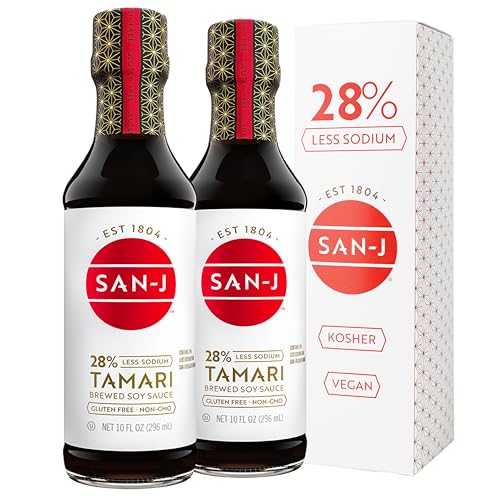
San-J is the gold standard for gluten-free soy sauce. Their 28% Less Sodium Tamari is brewed using an eight-generation family recipe with only water, soybeans, salt, and a touch of alcohol for freshness. The result is a full-bodied tamari that retains all the rich umami without the overwhelming saltiness that often plagues reduced-sodium condiments. The Gluten-Free Certification Organization (GFCO) seal provides peace of mind for those with celiac disease — a critical factor when choosing a kitchen staple.
In practice, this sauce performs across the board. It works beautifully as a marinade for grilled chicken, a stir-fry base, or a simple dip for sushi and potstickers. The sodium reduction means you can use a generous splash without blowing your daily limit, and the flavor remains complex and well-rounded, not thin or watery. The two-pack format is a smart value for regular cooks who go through bottles quickly.
The one tradeoff is that it does not carry a kosher certification, which may matter to some buyers. But for the combination of certified gluten-free safety, excellent taste, and versatile kitchen use, this is the bottle most households should reach for first.
Why it’s great
- GFCO certified gluten-free — third-party tested
- Rich umami despite 28% less sodium
- Two-pack provides excellent pantry value
Good to know
- Not certified kosher
- Contains a small amount of alcohol as a preservative
2. YAMASAN KYOTO UJI Japanese Premium Tamari Soy Sauce
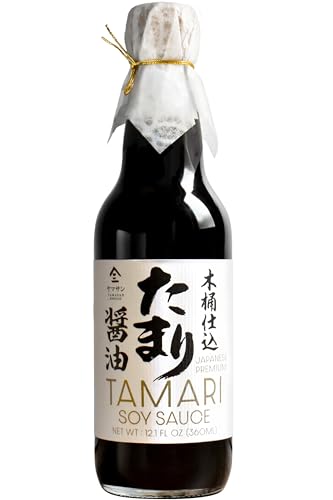
YAMASAN KYOTO UJI is a specialty tamari that spent two full years fermenting in wooden barrels — a craft method used by less than 1% of soy sauce producers in Japan today. Wooden barrels allow micro-oxygenation during aging, which develops a thicker texture and a sweet, layered richness that stainless steel tanks cannot replicate. The ingredient list is bare: soybeans and salt, with no colorants or MSG added.
This sauce is noticeably thick and clings beautifully to grilled steak, sashimi, or roasted vegetables. Its viscosity makes it ideal for finishing dishes or as a dipping sauce where you want the flavor to coat the food rather than drip off. The umami is intense but balanced, with a subtle sweetness that comes entirely from the long fermentation — not added sugar. Users report that even a small pour transforms simple meals into something special.
The obvious downside is cost: at nearly double the price per ounce of mainstream options, this is a treat rather than an everyday cooking sauce. Regular use in stir-fries or large-batch marinades would empty the bottle too quickly. Reserve it for moments when you want to taste the difference — and you will.
Why it’s great
- Authentic traditional wooden barrel fermentation
- Thick, syrupy consistency perfect for finishing
- Deeply complex umami with no additives
Good to know
- Significantly more expensive per ounce
- Not a workhorse sauce for daily cooking
3. Bayu Store Gluten Free Tamari Soy Sauce
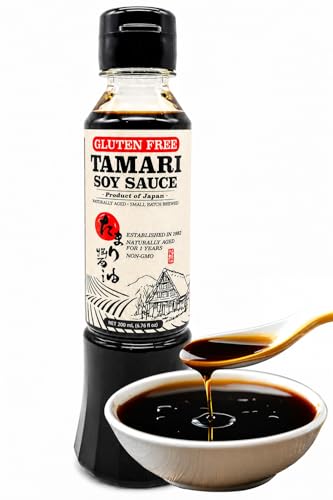
This small-batch Japanese tamari is a seasoned sauce, meaning it includes mirin and sugar alongside the brewed soy, which gives it a noticeably sweeter and less salty profile than standard tamari. The texture is thicker and more velvety, almost like a glaze, and the flavor is more integrated — less sharp and more rounded. Reviewers describe it as a “finished sauce” that can add instant complexity to a dish without extra steps.
The bottle is small (6.76 oz) and the pour spout is designed for control, which makes sense for its intended use as a finishing sauce for sushi, grilled tofu, roasted chicken, or eggs. A single teaspoon is often enough to transform a serving. The sodium content is relatively high at 980 mg per tablespoon, but the concentrated flavor means you typically use less volume than you would with a standard soy sauce.
The main concern here is the lack of a dedicated gluten-free facility or cross-contamination testing. Some reviews note that the label does not include a certification seal, which may be a red flag for highly sensitive individuals. If you are simply gluten-intolerant rather than celiac, this bottle delivers exceptional flavor depth for special meals.
Why it’s great
- Rich, sweet-savory finish straight from the bottle
- Thick texture clings perfectly to food
- Small batch, naturally aged in Japan
Good to know
- No gluten-free certification on the label
- Very expensive per ounce for daily use
4. YONDU Organic Umami Seasoning Sauce
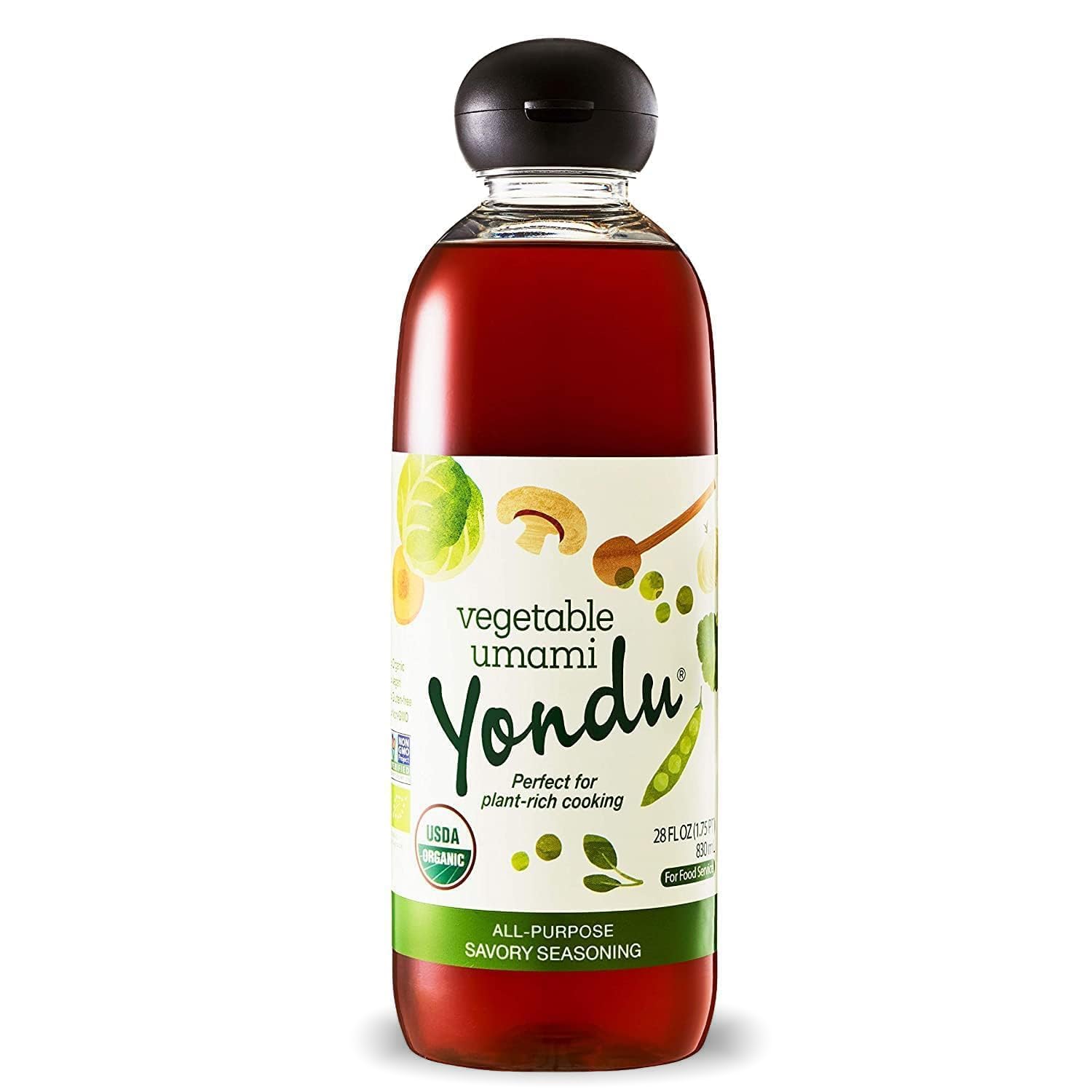
YONDU is not a traditional soy sauce — it is a concentrated umami seasoning crafted from slow-fermented soybeans blended with vegetable broths. This gives it a briny, savory depth that works as a direct swap for fish sauce, liquid aminos, or soy sauce. The bottle is large at 28 fluid ounces, and it is USDA Organic, non-GMO, vegan, and certified gluten-free, with zero calories, carbs, or sugar.
In the kitchen, YONDU shines as a flavor booster. A few teaspoons added to soups, stir-fries, dressings, or even scrambled eggs deepen the umami without introducing a strong soy-forward taste. Reviewers note that it does not cause the bloating they experience with MSG-heavy sauces, and it pairs well with sesame-allergy diets. Its light profile makes it a good choice when you want to amplify other ingredients rather than dominate them.
The flavor is less bold and less salty than traditional tamari, which some may find underwhelming if they are looking for a direct soy sauce replacement. Additionally, the price on Amazon is noticeably higher than what you would pay in local Asian grocery stores, so if you have access to a brick-and-mortar retailer, you may save a few dollars. For home cooks seeking a versatile, clean-label umami booster, this bottle offers a unique middle ground.
Why it’s great
- Zero calories, carbs, sugar, or fat
- USDA Organic and certified gluten-free
- Excellent as a soy sauce alternative in broths and soups
Good to know
- Milder flavor than traditional tamari
- Amazon price is higher than local store price
5. Q-Rapha Premium Korean Ganjang

Q-Rapha is a traditional Korean ganjang made with only three ingredients — soybeans, water, and sea salt — and aged for more than three years. This long aging period produces a deep, tangy complexity that closely resembles the flavor of a well-made conventional soy sauce, which is a rare find in the gluten-free aisle. The bottle is substantial at 22.9 ounces, making it a strong value proposition for volume per dollar.
Users consistently report that the flavor is rich enough that a little goes a long way, and those with gluten-free spouses note that it passes the “taste test” — it tastes like regular soy sauce, not a thin or off-putting substitute. It works in Korean jjigae, in marinades for bulgogi, and in general Asian cooking. The packaging has a slight design flaw: the lid can leak when tilted, so store it upright and handle with care.
The primary complaint is the pronounced saltiness. Some reviewers find it too salty even for a soy sauce, and the sodium content backs that up. If you are watching your salt intake closely, this may not be the best choice. For volume users who want a bold, traditional-style ganjang that happens to be gluten-free, this bottle delivers a lot of character per tablespoon.
Why it’s great
- Long 3+ year natural aging for traditional depth
- Large 22.9 oz bottle offers great value
- Tastes like regular soy sauce, passes family taste tests
Good to know
- Very high salt content — use sparingly
- Lid can leak during pouring
FAQ
Is tamari always gluten free?
Does gluten free soy sauce taste different from regular soy sauce?
How should I store gluten free soy sauce after opening?
Can I use Korean ganjang the same way I use Japanese tamari?
Final Thoughts: The Verdict
For most users, the best gluten free soy sauce winner is the San-J Tamari 28% Less Sodium 2 Pack because it combines certified gluten-free safety with consistently excellent flavor and a sodium level that works for everyday cooking. If you want the depth of traditional wooden barrel brewing for special meals, grab the YAMASAN KYOTO UJI Premium Tamari. And for a versatile, low-calorie umami booster that goes beyond soy sauce, nothing beats the YONDU Organic Umami Seasoning.