
Every second you spend off the ground is a second the net is wide open. Your first step, your shove-off, your landing recovery—it all happens through the studs beneath you. A turf trainer from the outfield bin won’t give you the lateral lockdown or the toe-off bite you need when a striker cuts the ball across the six-yard box. Generalist cleats let you slide; goalkeeper-specific geometry and grip keep you planted and explosive.
I’m Mohammad Maruf — the founder and writer behind Drink4Good. I’ve spent hundreds of hours cross-referencing traction patterns, sole-plate stiffness, upper materials, and cushioning densities to identify the cleats that actually support the specific demands of the goalkeeper position rather than generic outfield performance.
Whether you need aggressive turf bite or natural-feel ball contact from the ground up, this breakdown of the best goalkeeper cleats will help you pick the pair that matches your foot shape, your surface, and the split-second timing your position demands.
How To Choose The Best Goalkeeper Cleats
Outfield cleats prioritize acceleration and turning radius. Goalkeeper cleats need a wider, flatter stud base for lateral shove-off and a stable landing platform. Here are the three factors that separate a keeper-specific boot from a generic one.
Sole Plate & Stud Configuration
Look for a bladed or conical sole-plate layout with extra studs under the ball of the foot and the big toe. This setup gives you the grip you need for explosive diving launch and post-landing recovery without catching the turf and twisting a knee. A chevron or multidirectional blade pattern provides better lateral bite than straight lines.
Upper Material & Fit
Kangaroo leather or premium synthetics with a soft inner liner mold to the foot and give you the tactile feedback needed for clean distribution on the ground and over the top. A structured heel counter—typically reinforced plastic or dense foam—is non-negotiable. A loose heel cup causes blisters and wasted milliseconds adjusting during a scramble.
Foot & Ankle Lockdown
An internal lacing cage or a mid-cut collar improves fit security without restricting ankle flexion. For goalkeepers who pronate or supinate during lateral pushes, a built-in arch support or compatible insole bed makes the difference between confident planting and rolled ankles.
Quick Comparison
On smaller screens, swipe sideways to see the full table.
| Model | Category | Best For | Key Spec | Amazon |
|---|---|---|---|---|
| Adidas Copa Pure 3 Pro | Premium | Competitive Keepers | Premium leather upper, Pro sole plate | Amazon |
| Adidas Copa Pure 3 League FG/MG | Mid-Range | Versatile Traction | Multi-ground stud pattern | Amazon |
| Adidas Freak 23 Inline | Mid-Range | Ankle Support Focus | Mid-cut collar, inline ankle strap | Amazon |
| Adidas League Fold-Over Tongue | Premium Turf | Turf Surface Grip | Turf-specific outsole | Amazon |
| New Balance Fresh Foam 3000 V7 | Mid-Range | Turf Comfort & Durability | Fresh Foam midsole cushion | Amazon |
| Adidas F50 Messi Club FG/MG | Budget | Beginner & Rec Play | Entry-level Sprintweb upper | Amazon |
| Adidas F50 League FG | Budget | Value Over Multiple Surfaces | Synthetic upper, 2.43 lb weight | Amazon |
In‑Depth Reviews
1. Adidas Copa Pure 3 Pro FG
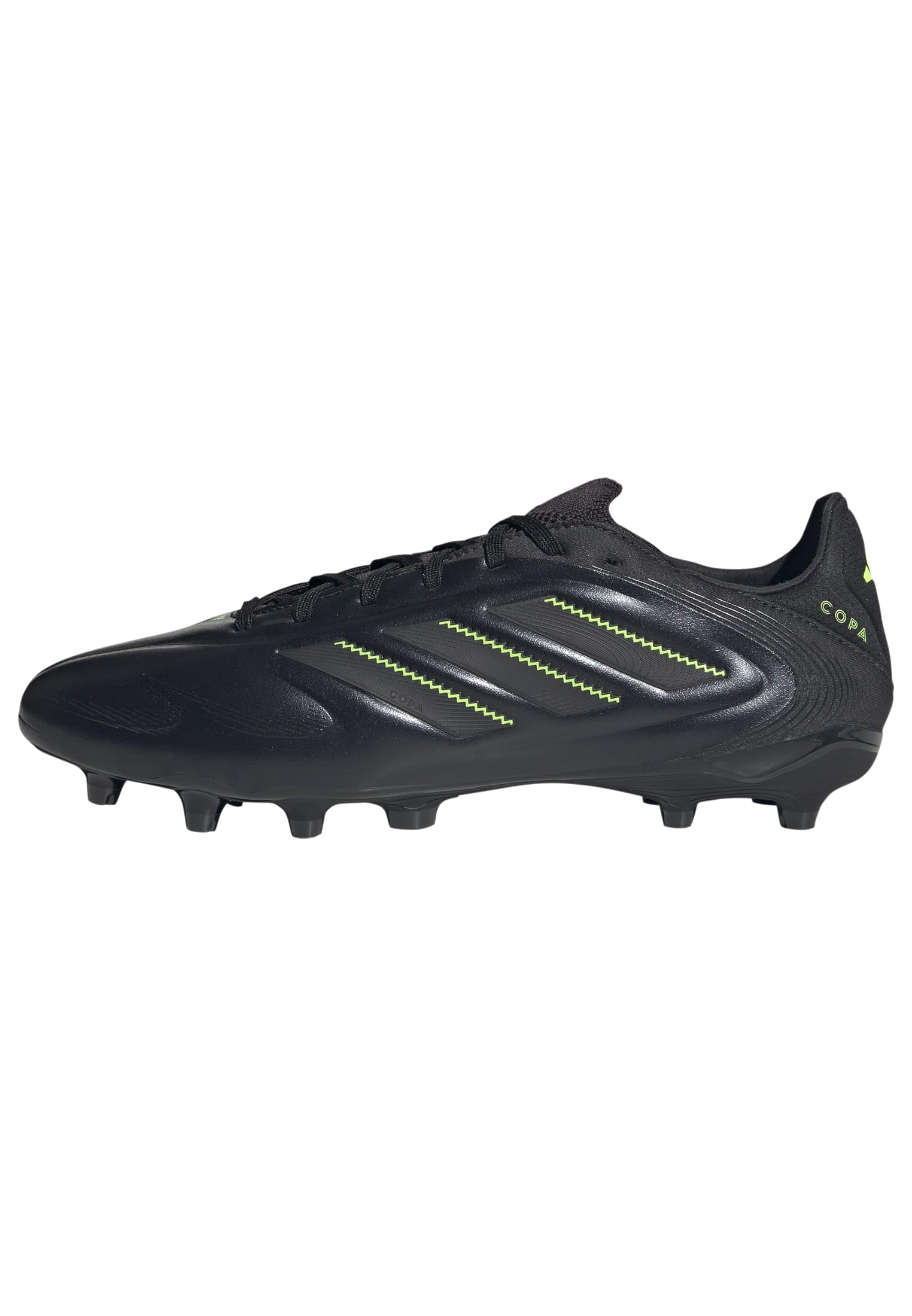
The pro-tier Copa Pure 3 uses a full-premium leather upper that molds to the goalkeeper’s foot shape within two sessions, providing the soft feel needed for precise distribution and catching confidence. Reviewers consistently note the deep heel cup prevents the slip that plagues non-pro versions during lateral shuffles and diving recoveries—a critical detail for any keeper who has missed a ball because their foot shifted inside the boot.
The sole plate features a hybrid bladed-and-conical stud layout optimized for firm ground. The forefoot studs sit close together to provide the explosive push-off torque required for low dives, while the heel studs offer stable landings without excessive turf grab. Many keepers report that the break-in period is unusually short for a leather boot, with one dad noting his son consistently chooses these over three other pairs because the ball feel enables better touches during play.
The cloth tongue is a polarizing detail—some users find it less structured than a synthetic cage—but the overall lockdown from the lacing system and the internal heel counter outweigh that complaint for most players. If you compete at a level where that extra percentage point in grip and foot connection decides whether you parry or concede, this is the boot to buy.
Why it’s great
- Premium leather molds fast and provides superior ball feel for distribution
- Deep heel cup eliminates slip during lateral movement and diving
- Hybrid blade-conical stud pattern balances traction with safe release
Good to know
- Softer leather requires careful cleaning after muddy match days
- Cloth tongue lacks the stiffness some keepers prefer from a full synthetic boot
2. Adidas Copa Pure 3 League FG/MG

Sharing the same last as the Pro version, the League-grade Copa Pure 3 uses a soft synthetic upper—often called “CopaSense” leather-look material—that offers a pliable feel without the high cost or intensive break-in of genuine leather. Parents of youth keepers frequently report that their kids wear these comfortably from the first practice and that the stitching holds up across an entire season of weekend games and midweek training.
The FG/MG outsole is the standout feature for keepers who rotate between grass fields and artificial turf. The conical studs are shorter and more numerous than standard firm-ground studs, which reduces the risk of catching on turf fibers during the lateral slide that goalkeepers execute dozens of times per match. One reviewer ran true-to-size but the boot runs large—going down half a size locks the heel in place without pinching the toes.
For the mid-range price, you get the same structural heel cup and lacing geometry as the Pro sibling, minus the premium leather. The trade-off is slightly less tactile feedback when striking from the ground, but for training rotations and match days on mixed surfaces, this boot delivers durability and grip that vastly outranks generic outfield cleats in the same price tier.
Why it’s great
- FG/MG outsole works safely on both grass and artificial turf surfaces
- Soft synthetic upper is comfortable straight out of the box
- Structured heel cup prevents the heel-slip issue common in this price bracket
Good to know
- Runs large—order half a size down for a secure fit
- Synthetic upper offers less ball feel feedback than full-leather options
3. Adidas Freak 23 Inline
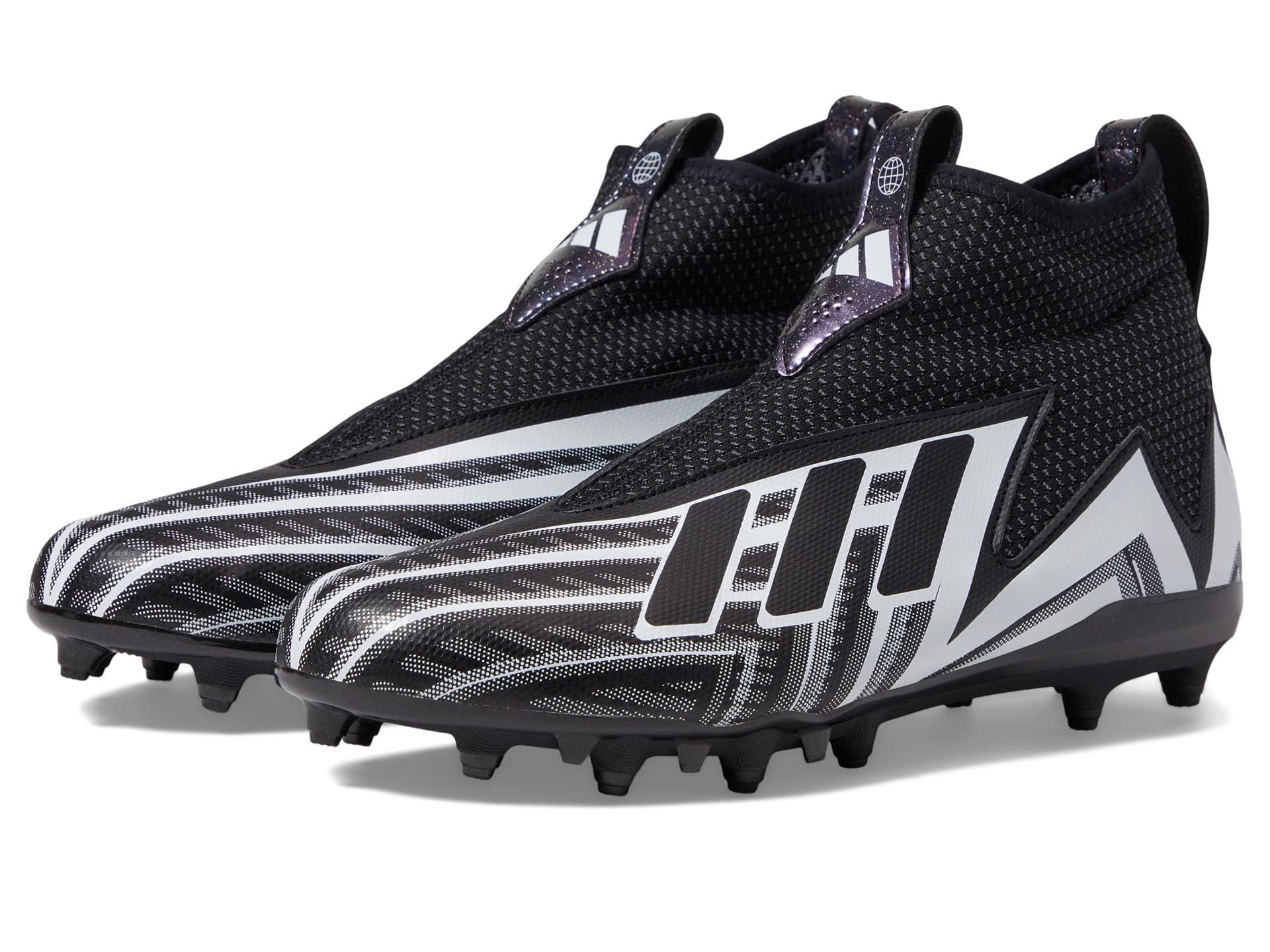
The Freak 23 Inline is one of the few cleats on the market specifically designed with a mid-cut collar and an integrated inline ankle strap—features borrowed from American football cleats but critically useful for goalkeepers who need extra ankle security during multi-directional diving. Multiple parent reviews highlight that their sons, particularly those with wide feet or history of ankle instability, find these cleats markedly more supportive than standard low-cut soccer boots.
The outsole uses a inline football-style stud pattern with a wider forefoot base that distributes force during the push-off phase of a dive. The inline strap wraps over the midfoot to reduce the boot’s internal movement during lateral plant-and-drive motions. While some keepers find the ankle collar restrictive for ankle flexion, most competitive players report that the trade-off is worthwhile for the stability gained when landing on an uneven surface or after a full-extension dive.
Fit runs true to size, and the forefoot accommodates wider foot shapes without pinching. The caveat: the ankle area is notably tight and does not stretch with wear, so players with high-volume ankles should try before buying or budget for an extended break-in period. For the keeper who prioritizes ankle protection over minimal foot freedom, this is a niche but powerful option.
Why it’s great
- Mid-cut collar and inline ankle strap provide superior lateral ankle support
- Wide forefoot base enhances planting stability for diving push-offs
- Accommodates wide feet without pinching in the toe box
Good to know
- Ankle area is very tight and does not stretch; high-volume ankles may not fit
- Inline design limits ankle flexion compared to low-cut goalkeeper boots
4. Adidas League Fold-Over Tongue Turf

Built specifically for artificial turf surfaces, the League Fold-Over Tongue features a dense turf outsole with dozens of small rubber nubs instead of traditional studs. The rubber compound is firmer than standard turf trainers, providing enough bite for keepers to push off without slipping on loose turf pellets—a surface that typically frustrates players who try to use firm-ground boots and end up catching or twisting mid-dive.
The fold-over tongue design adds a layer of cushion over the instep, which is a useful detail for goalkeepers who land on their laces frequently. The synthetic upper is moderately stiff initially but softens after a few sessions. However, sizing is inconsistent: one user reported that ordering true to size left them with a boot one full size too large, which makes the heel cup ineffective for lateral work. Budget for a size-down purchase or plan for returns.
For keepers who train exclusively on turf fields—especially in younger age groups or rec leagues where field quality is inconsistent—this boot performs better than any adapter or generic turf trainer. The Fold-Over Tongue Turf is a surface-specific tool, not a generalist, and should be your go-to only if your field dictates a rubber outsole.
Why it’s great
- Turf-specific rubber outsole prevents slipping on synthetic fields and pellets
- Fold-over tongue adds lace-bite protection for landing keepers
- Firm rubber compound provides better turf bite than generic trainers
Good to know
- Sizing runs large—order at least half a size down for a secure heel fit
- Synthetic upper is stiff initially and requires several sessions to soften
5. New Balance Fresh Foam 3000 V7

Though marketed as a turf baseball trainer, the Fresh Foam 3000 V7 has become a favorite among goalkeepers who play on artificial grass and need maximum underfoot cushioning. The Fresh Foam midsole provides exceptional shock absorption for keepers who land repeatedly on hard turf—a common complaint from field players is irrelevant, but for the goalkeeper position every landing loads the heel and midfoot.
The outsole uses a multi-directional rubber lug pattern designed for quick cuts on turf. The traction is reliable for lateral shuffles and recovery steps, though the lugs are shorter and less aggressive than the turf-specific Adidas models. This actually benefits goalkeepers on newer-generation 3G turf where too much bite can cause the foot to stick during an uneven surface landing. Reviewers consistently report reduced foot fatigue during long training sessions, and parents note the durability extends well past a full season and into the next.
True to size with a generous toe box, the 3000 V7 is an excellent option for keepers with wider feet or those who prefer to wear an ankle brace. The trade-off: this is unmistakably a turf shoe, not a cleat. On wet grass or muddy fields, the rubber lugs will not provide the same purchase as a bladed stud pattern. Reserve this for your dedicated turf rotations.
Why it’s great
- Fresh Foam midsole dramatically reduces impact shock for hard landings
- Generous toe box accommodates wider feet and ankle braces
- Multi-directional lug pattern provides reliable turf traction for lateral work
Good to know
- Not suitable for natural grass fields—rubber lugs lack bite on muddy surfaces
- No specific ankle support; relies on shoe structure and cushioning system
6. Adidas F50 Messi Club FG/MG

The F50 Messi Club is the entry point into the adidas lineup, using a synthetic Sprintweb upper that’s lightweight but provides minimal structural support compared to the mid-tier and pro models. It works well for recreational keepers and younger players (U12 and below) who are still developing their footwork and aren’t yet posting with the force that demands a locked-in heel cup or aggressive stud pattern.
The FG/MG outsole uses a mix of conical and bladed studs that can handle both grass and turf without jamming. The stud length is moderate—safe for artificial surfaces but still aggressive enough for a dry grass pitch. One parent of a U12 rec keeper reported correct sizing and comfort after a two-week break-in, but specifically noted the boot is better suited for recreational play rather than competitive match days where lateral force demands are higher.
For the budget price, the Messi Club is a functional boot that gets you on the field without breaking the bank. The upper is stiff initially and does not mold to the foot the way a leather or premium synthetic would, so keepers who need a precise fit for glove-to-ball connection should look at higher tiers. For the goalkeeper who plays once a week and prioritizes affordability, this boot does the job.
Why it’s great
- FG/MG outsole works on both grass and artificial turf surfaces
- Lightweight Sprintweb upper reduces foot fatigue for younger keepers
- Affordable entry point for recreational and beginner-level players
Good to know
- Upper is stiff and does not mold to the foot like leather or premium synthetic models
- Limited lateral support and heel lock compared to mid-tier and pro-level cleats
7. Adidas F50 League FG

The F50 League FG is the lowest-priced option in this roundup, and it delivers exactly what you expect: a functional firm-ground boot that fits true to size and uses a straightforward synthetic upper without premium features. Reviewers consistently mention the boot is durable and comfortable for all outfield positions, but for the goalkeeper position the stud pattern is a standard chevron layout that prioritizes forward sprint acceleration over lateral grip.
The lightweight construction keeps the boot from feeling clunky during quick recovery steps, but the heel cup is shallow and the upper material lacks the stiffness to prevent heel slip during lateral shuffles. One parent reported that their son, who plays multiple positions, finds these cleats comfortable and durable for general play, but specifically noted they are not quite as good as the Nike equivalent for lateral stability.
At this price, you are buying a generalist boot that happens to fit well—not a goalkeeper-specialist tool. It is a fine choice for a developing keeper who is still growing and will need new boots in six months, or for a budget-conscious team that supplies equipment. For any keeper competing above rec level, saving for the Copa Pure 3 League is a better investment in protection and performance.
Why it’s great
- True-to-size fit with comfortable synthetic upper for general play
- Lightweight construction reduces fatigue during extended training sessions
- Durable build holds up well across a full season of youth play
Good to know
- Standard chevron stud layout favors forward speed over lateral grip for diving
- Shallow heel cup does not lock the foot effectively during lateral movement
FAQ
Can I use outfield cleats for the goalkeeper position?
What stud pattern works best for goalkeepers on firm ground?
Should goalkeepers wear turf shoes or firm-ground cleats?
How important is the upper material for a goalkeeper?
How should goalkeeper cleats fit in the toe box and heel?
Final Thoughts: The Verdict
For most users, the best goalkeeper cleats winner is the Adidas Copa Pure 3 Pro FG because the premium leather molds quickly, the heel cup locks securely, and the hybrid stud pattern supports both explosive dives and stable landings. If you want a multi-surface boot that handles both grass and turf safely without the leather price, grab the Adidas Copa Pure 3 League FG/MG. And for keepers who prioritize ankle stability and have a history of ankle sprains, nothing beats the Adidas Freak 23 Inline with its integrated collar and inline strap.