
You are standing in a greenside bunker staring at a fried-egg lie, and the face of your current sand wedge looks like a butter knife. The difference between a 15-foot tap-in and a bladed skull across the green comes down to one tool: a properly designed sand wedge with the right bounce, grind, and groove profile.
I’m Mohammad Maruf — the founder and writer behind Drink4Good. I study the engineering details of wedge geometry, groove milling patterns, and bounce angles to cut through marketing noise and find the clubs that actually perform from sand.
This guide breaks down seven of the top contenders to help you find the best golf sand wedge for your swing, handicap, and budget without guessing.
How To Choose The Best Golf Sand Wedge
Selecting a sand wedge is not about picking a loft number alone. It’s a system of interacting variables — bounce angle, sole grind, groove technology, and head material — that together determine how the club interacts with sand, rough, and tight lies.
Understand Bounce Angle and Sole Width
Bounce is the angle between the leading edge and the trailing edge of the sole. Higher bounce (12°–14°) prevents the club from digging in soft sand or deep rough. Lower bounce (6°–8°) suits firm sand or tight fairway lies. A 10° bounce, like most wedges here, offers a versatile middle ground for average conditions.
Examine Groove and Face Milling Technology
Sharp, deep grooves channel sand and grass debris away from the contact point, preserving friction. Milled face patterns add micro-roughness that multiplies spin, especially on partial shots. Bowed or wave-style milling lines — like on the Yamato — create bite that a standard cast face cannot match.
Choose Between Forged and Cast Construction
Forged carbon steel heads provide denser, softer feel at impact and can have their loft/lie adjusted by a club fitter. Cast stainless steel heads are more durable and cheaper to produce, but they transmit a harder, less responsive feel and usually cannot be bent without risk of cracking.
Quick Comparison
On smaller screens, swipe sideways to see the full table.
| Model | Category | Best For | Key Spec | Amazon |
|---|---|---|---|---|
| Cleveland RTX 6 Zipcore | Premium | Ultimate spin & feel | 95% more ZipCore material | Amazon |
| Callaway Jaws Raw | Premium | Aggressive groove bite | Raw face, tungsten weighting | Amazon |
| Wilson Harmonized | Mid-Range | Reliable all-round performance | 56°, regular midsize grip | Amazon |
| Yamato Forged Pro | Mid-Range | Forged feel on a budget | Wave scoring lines | Amazon |
| Alien Roswell | Mid-Range | Ease of use from bunkers | Full-face CNC milled | Amazon |
| Pinemeadow PGX | Budget | Entry-level value | 56°, steel shaft | Amazon |
| MAZEL Forged | Budget | Budget forged alternative | Milled face, 48°–60° | Amazon |
In‑Depth Reviews
1. Cleveland Golf RTX 6 Zipcore Wedge
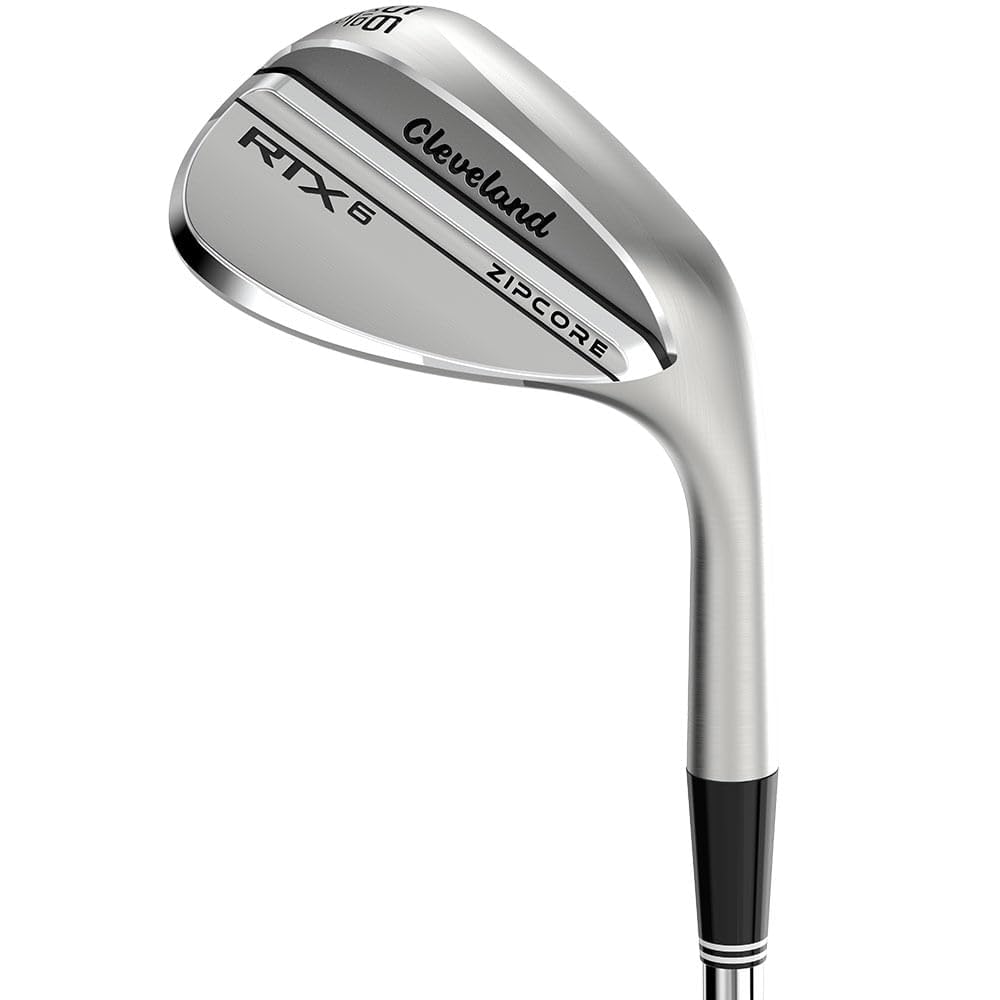
This is the sand wedge that serious players graduate to. Cleveland expanded the ZipCore low-density core material by up to 95% compared to the previous generation, which shifts the center of gravity precisely behind the strike zone and increases MOI by 20%. The result is measurable — higher spin consistency, tighter distance control, and a softer feel that does not punish off-center hits as harshly as most competition.
The HydraZip face uses a dynamic blast and laser-milled line system that creates intentional roughness across the entire hitting area. With sharper, deeper UltiZip grooves packed closer together, two more grooves fit across the face compared to older TourZip designs. The matte finish reduces glare at address — a small detail that matters when you are staring down a high-lip bunker in direct sun.
For mid-to-low handicappers who want maximum spin from any lie and are willing to pay for premium engineering, the RTX 6 is the benchmark. The 10° bounce version handles most sand conditions well, and the Tour Satin finish holds up without showing excessive wear.
Why it’s great
- Massive ZipCore upgrade improves forgiveness and feel
- HydraZip face delivers elite spin in wet or dry conditions
- Tighter UltiZip groove spacing increases edge contact
Good to know
- Premium price point best suited for serious golfers
- Stiff flex shaft may not suit slower swing speeds
2. Callaway Golf 2022 Jaws Raw Wedge

Callaway brought tungsten weighting into a wedge for the first time here, placing a dense weight plug low and deep in the head. That mass relocation raises MOI noticeably for a blade-shaped head, producing a more stable strike on toe-side chips and long bunker shots. The raw face is left unfinished, which promotes rust over time and actually increases surface friction as it ages.
The Jaws Raw carries the most aggressive groove geometry Callaway has ever put into production. Roger Cleveland’s decades of wedge design show in the precise leading-edge radius and sole relief — the club sits low to the ground without the leading edge catching. Combined with the 10° bounce on the 54° model, you can open the face for flop shots without the fear of the trailing edge digging hard.
Experienced players who like to work the face open and closed will find the Jaws Raw responsive without being twitchy. The corded grip adds traction in humid conditions. One caveat: the raw finish requires occasional oil wipe-downs if you prefer the appearance to stay matte rather than fully rust.
Why it’s great
- Tungsten weighting adds stability on off-center strikes
- Raw face ages for increased spin over time
- Aggressive grooves bite through grass debris
Good to know
- Head size is smaller than previous Jaws non-raw model
- Rusting face may not appeal to golfers who prefer a clean look
3. Wilson Harmonized Unisex Golf Wedge
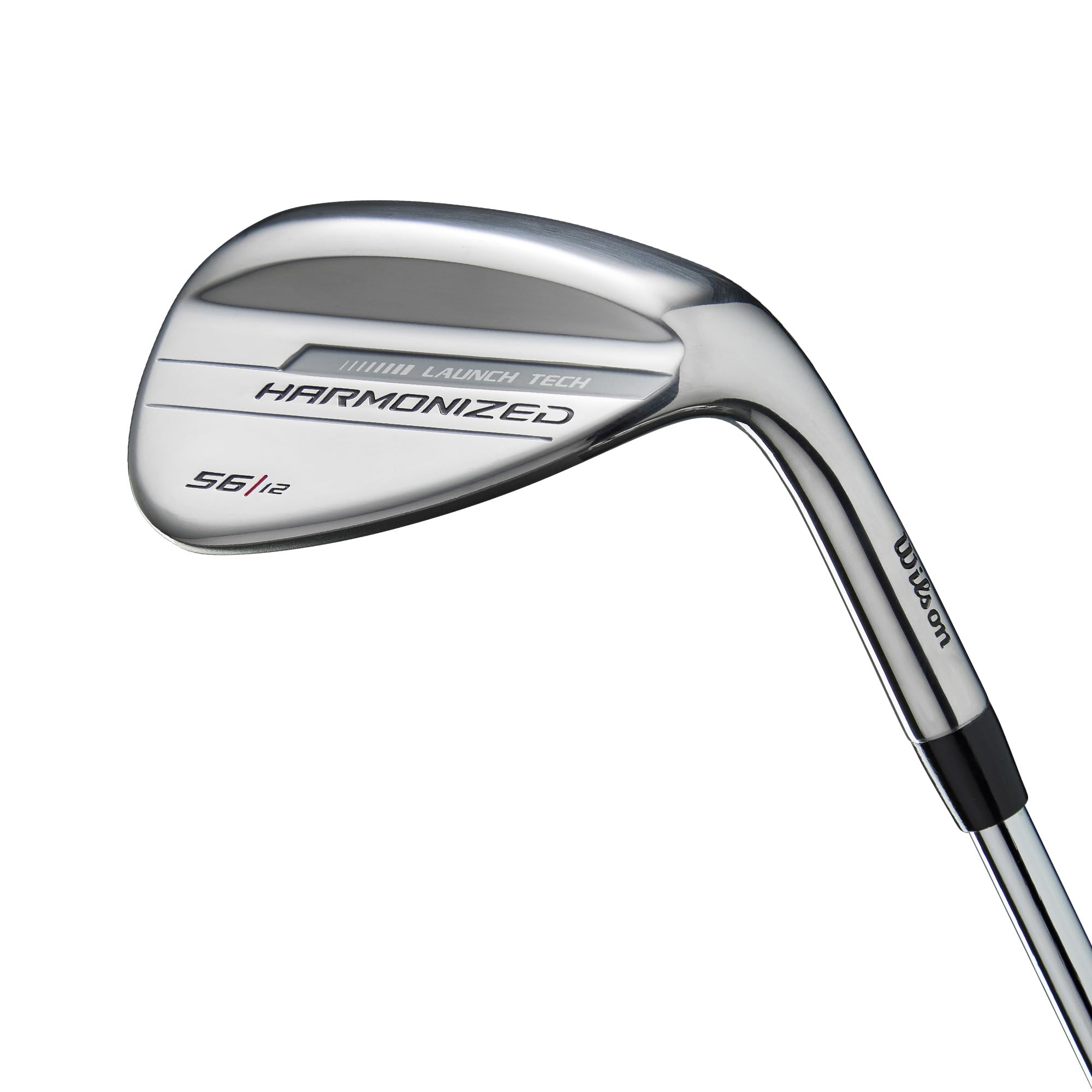
Wilson’s Harmonized line has been a steady mid-range performer for years, and the current 56° iteration continues that tradition. The steel shaft and rubber grip combination delivers a neutral weight feel — not heavy, not featherlight — that sits well in the hands of mid-handicap players. The slightly heavier head weight compared to older models encourages a smooth tempo through the sand.
What stands out is the consistency of the face milling. The 56° checked up well in customer testing, while the 50° version produced controlled rollout — a sign of thoughtful face texture tuning across lofts. The toe hits retained surprising distance, which indicates the center of gravity is not excessively heel-biased. For a 15+ handicap golfer, this club improves short-game reliability without requiring heroic swing mechanics.
The midsize grip fits larger hands better than the standard rubber wrap. The sole has enough bounce to prevent digging in medium-soft sand, though players on extremely firm sand may want a lower-bounce alternative. At this mid-range price, the Harmonized gives you a correctly spec’d sand wedge that works out of the box.
Why it’s great
- Consistent face milling for predictable check or rollout
- Midsize grip suits larger hands
- Heavier head promotes smooth sand swings
Good to know
- Club feels slightly heavy to some players
- Distance may feel short initially until grooves wear in
4. Yamato Golf Wedge 56°

The Yamato wedge punches well above its sticker price by delivering a forged carbon steel head with a wave-style milling pattern on the face. Forged heads cost more to produce because the steel is compressed under high pressure rather than poured into a cast — the payoff is a denser grain structure that feels softer at impact. Here, you get that feel at a fraction of typical forged-wedge pricing.
Customer feedback reports spin rates around 10,000 RPMs, which rivals many premium tour wedges. The 10° bounce angle and blade head shape work well for players who take a shallow divot and prefer the leading edge to sit low. The tarnish finish option reduces glare and hides bag chatter better than the traditional chrome version.
A side note: this club is not USGA conforming according to one buyer review, so tournament players should verify before bagging it. The alloy steel shaft and synthetic rubber grip are standard quality, neither exceptional nor lacking. After 15-plus rounds, the face showed no significant wear, indicating the groove hardness meets acceptable durability standards.
Why it’s great
- Forged carbon steel for premium feel at a value price
- Wave milling produces high spin rates
- Non-glare tarnish finish looks sharp
Good to know
- May not conform to USGA groove rules
- Club head feels slightly heavy during full swings
5. Alien Roswell Golf Wedge

The Alien Roswell is built with a specific mission: make bunker escapes easier for high-handicappers. The full-face CNC-milled grooves create a large effective hitting area, and the cavity back design shifts weight to the perimeter for added forgiveness on mis-hits. Beginners and weekend golfers will appreciate that the club requires minimal manipulation to slide under the ball cleanly.
The Uniflex shaft is a single flex profile designed to work across a wide range of swing speeds, which removes the guesswork for players who do not know their swing tempo. The bottom plate geometry encourages the club to glide through sand rather than dig, and customer reports confirm significant improvement in sand trap performance after just a few practice swings.
The look at address is more forgiving than a traditional blade — the larger face profile inspires confidence over hazard shots. It conforms to the rules of golf, so it is legal for tournament play. The green color accents are not for everyone, but the performance in the sand justifies the aesthetics. This is not the club for low-handicappers seeking precise shot shaping, but it is an excellent tool for getting out of trouble.
Why it’s great
- Full-face milling maximizes forgiveness on off-center hits
- Uniflex shaft suits any swing speed
- Sole design prevents digging in soft sand
Good to know
- Green color accents are polarizing
- Not ideal for advanced shot shaping
6. Pinemeadow Golf PGX Wedge

The Pinemeadow PGX 56° is a no-frills sand wedge that prioritizes function over flash. Equipped with a standard steel shaft and a rubber grip, it provides the baseline performance that a beginner or budget-conscious golfer needs: a 56° loft with a midsize sole that works from bunkers and fairway rough. The sharp leading edge helps the club cut through grass without hanging up.
Customer reviews consistently describe the feel as solid for the price — the ball pops off the face with a clean response that defies expectations. The cavity back head construction adds perimeter weighting that reduces twisting on thin strikes, which is exactly what a developing player needs to build confidence. Multiple users report that the club performs as well as pricier models for their skill level.
The PGX’s limitations show up in the less refined groove geometry compared to premium alternatives. Spin rates on full swings are adequate but not tour-level. However, for the player who is still learning to compress the ball consistently, those few hundred RPMs difference will not matter. This wedge gets the job done without draining the wallet.
Why it’s great
- Solid feel and response at a low entry cost
- Cavity back adds forgiveness on mis-hits
- Sharp leading edge cuts through rough effectively
Good to know
- Groove sharpness not comparable to premium wedges
- Standard grip may feel thin to some hands
7. MAZEL Forged Golf Wedge

MAZEL offers a forged wedge with a milled face across a wide loft range — 48° through 60° — making it a flexible choice for filling gaps in your set. The 50° or 52° options serve as gap wedges between a pitching wedge and a 56° sand wedge, while the 60° acts as a dedicated lob wedge. The regular flex shaft is paired with a relatively heavy 120-gram head weight, which gives it a solid, stable feeling through impact.
Players comparing it to name-brand forged wedges like the TaylorMade MG2 or Titleist Vokey SM9 find the MAZEL performs surprisingly close for a fraction of the cost. The milled face pattern generates meaningful spin on short pitches and bunker shots, and the blade head shape sits square to the target line with zero offset. One buyer reported it became his favorite sand wedge after switching from a major OEM model.
The grip finish and shaft quality are serviceable but not premium — plan to regrip if you prefer a tackier texture. At lofts above 56°, the lower bounce angle of the blade may dig on soft courses, so consider the 54° version as an alternative for all-around sand play. This is a solid entry-level forged option for the golfer who wants premium construction without the premium price.
Why it’s great
- True forged head construction at an accessible price
- Wide loft availability (48°–60°) for set customization
- Milled face delivers competitive spin rates
Good to know
- Grip texture is average; regripping recommended
- Low bounce on high lofts may dig in soft sand
FAQ
What bounce angle is best for a sand wedge?
Can I use a 60° lob wedge as my sand wedge?
How often should I replace the grooves on a sand wedge?
Final Thoughts: The Verdict
For most users, the best golf sand wedge winner is the Cleveland RTX 6 Zipcore because its expanded ZipCore and HydraZip face engineering deliver unmatched spin and forgiveness from sand. If you want a forged feel without the premium price, grab the Yamato Wedge. And for a reliable mid-range all-rounder that fits a wide range of handicap levels, nothing beats the Wilson Harmonized.