
The difference between reading a green and guessing at it often comes down to what you see before the putt. Standard tints flatten depth cues, wash out subtle grain textures, and make it nearly impossible to track the ball’s roll on the final approach. A lens tuned for slope visibility pulls out those micro-contours so you can see the exact break line from address to cup.
I’m Mohammad Maruf — the founder and writer behind Drink4Good. My research focuses on how lens tint, polarization, and color contrast engineering alter depth perception on the course, especially on fast bentgrass and Bermuda surfaces.
I’ve compared lens transmission rates, base-curve geometry, and frame stability across seven models to deliver a practical guide to the golf sunglasses for slope visibility that actually improve your green-reading accuracy without distorting distance judgment.
How To Choose The Best Golf Sunglasses For Slope Visibility
Not every polarized lens helps you read putts. A lens that feels sharp walking off the cart can actually flatten subtle green contours when you look down at your line. The key is tuning your choice to how your eye perceives contrast on grass at fifteen feet.
Lens Tint and Contrast Enhancement
Rose, copper, and amber tints boost red-green contrast, which sharpens the visual separation between the putting surface and the grain direction. Blue or gray tints can mute those same signals, making slight undulations harder to detect. Look for a tint that amplifies the color spectrum you encounter on your home course — warm tones for bentgrass, rose for Bermuda.
Polarization and Glare Management
Polarization cuts reflected glare off wet grass and sand, but some polarized lenses create a rainbow effect that masks true roll-out. A quality polarizer with an anti-reflective back coating preserves the raw look of the grain while eliminating the surface shine that tricks your depth perception.
Frame Fit and Nose Pad Stability
Slope reading demands a fixed head position relative to the ball. If your sunglasses shift when you tilt your chin down, your visual reference changes mid-read. Rubberized nose pads and temple grip keep the lens plane consistent so every look at the putt starts from the same optical baseline.
Quick Comparison
On smaller screens, swipe sideways to see the full table.
| Model | Category | Best For | Key Spec | Amazon |
|---|---|---|---|---|
| Oakley Ejector Prizm | Premium | Green-reading contrast | Prizm 24k lens tech | Amazon |
| Oakley Unstoppable OO9191 | Premium | Lightweight all-round play | Polarized lens clarity | Amazon |
| Callaway Atlas | Mid-range | Budget-conscious golfers | Blue lens tint | Amazon |
| Eagle Eyes PanoVu | Mid-range | Yellow-enhancing tint | Polarized light tint | Amazon |
| Under Armour 0012/S | Mid-range | Comfort and cheek clearance | Wraparound fit | Amazon |
| Knockaround Flight Paths | Budget | Green vividness on a budget | UV400 protection | Amazon |
| WearMe Pro WMP | Budget | Non-slip stability | Rubber nose grips | Amazon |
In‑Depth Reviews
1. Oakley Ejector Prizm OO4142
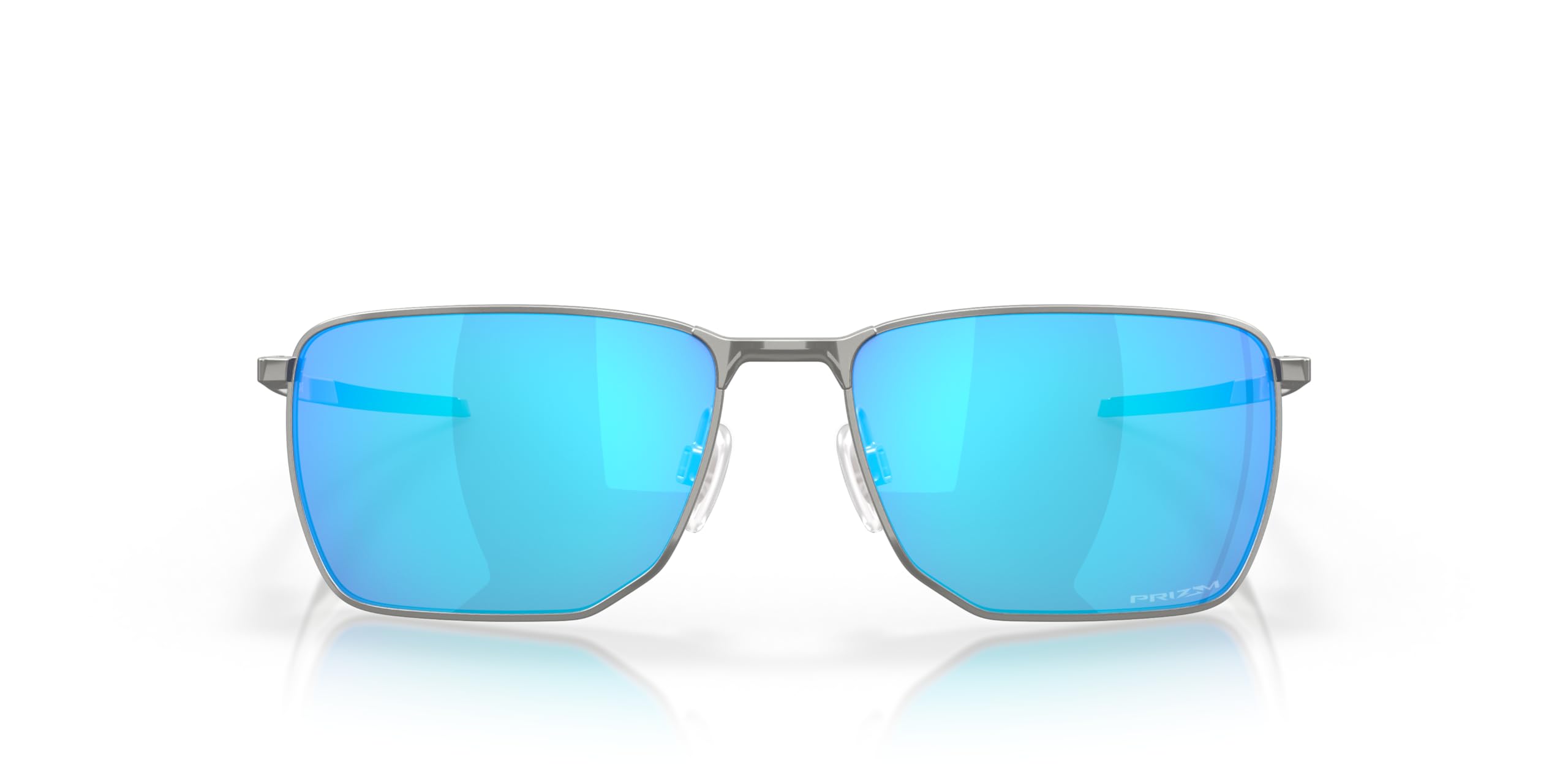
The Oakley Ejector with Prizm 24k lens delivers the most pronounced contrast enhancement for slope reading in this lineup. The bronze-to-rose-violet tint amplifies the visual separation between green shades, so undulations that would otherwise blend into a flat surface become distinct. Users consistently note that the clarity makes reading the grain direction almost intuitive, even on overcast days.
The wrap frame keeps peripheral light from washing out the lens, and the lightweight build prevents any pressure points during a four-hour round. At 233 grams, it’s comfortable enough that you forget you’re wearing it while reading a fifteen-foot breaker. The polarization is aggressive enough to kill glare off bunkers and wet grass without introducing the rainbow distortion that plagues cheaper lenses.
One common note is that the metal frame construction, while solid, feels more standard than premium when compared to older Oakley models. The missing hard case also stands out at this tier — expect to source your own storage if you want scratch protection in the bag. But for pure green-reading performance, few glasses match the optical engineering here.
Why it’s great
- Prizm 24k lens boosts slope contrast significantly
- Lightweight wrap design stays put during reads
- Excellent polarization eliminates glare without washout
Good to know
- No hard case included
- Metal frame feels less refined than expected at this level
- Some users report frames arrived slightly stretched
2. Oakley Unstoppable OO9191

The Oakley Unstoppable is a rectangle-frame polarized model that prioritizes clarity and weight reduction without sacrificing the optical precision needed for slope reading. The lens color it uses is exceptionally clear, allowing the eye to pick up subtle shifts in green texture that a darker tint might obscure. Reviewers mention that these glasses fit well during the swing and do not shift when bending into a putting stance.
The frame is notably light and comfortable for all-day wear, which matters on long practice rounds when you are reading dozens of putts. The polarized coating cuts glare effectively, yet the lens remains versatile enough for everyday use beyond the course. For outdoor athletes who play multiple sports, this dual-purpose build adds real value.
The main trade-off is that the Unstoppable leans toward a more lifestyle-oriented aesthetic rather than an aggressive sport wrap. The rectangle shape does not provide the same wraparound peripheral coverage that helps some golfers read breaks from the side. If you prefer a classic shape over a sporty shield, this is a strong fit.
Why it’s great
- Extremely clear polarized lens for green reading
- Lightweight frame comfortable for long rounds
- Versatile style works on and off the course
Good to know
- Rectangle shape offers less peripheral coverage
- Not a full wrap design
- Some users note nose pad can detach over time
3. Callaway Atlas
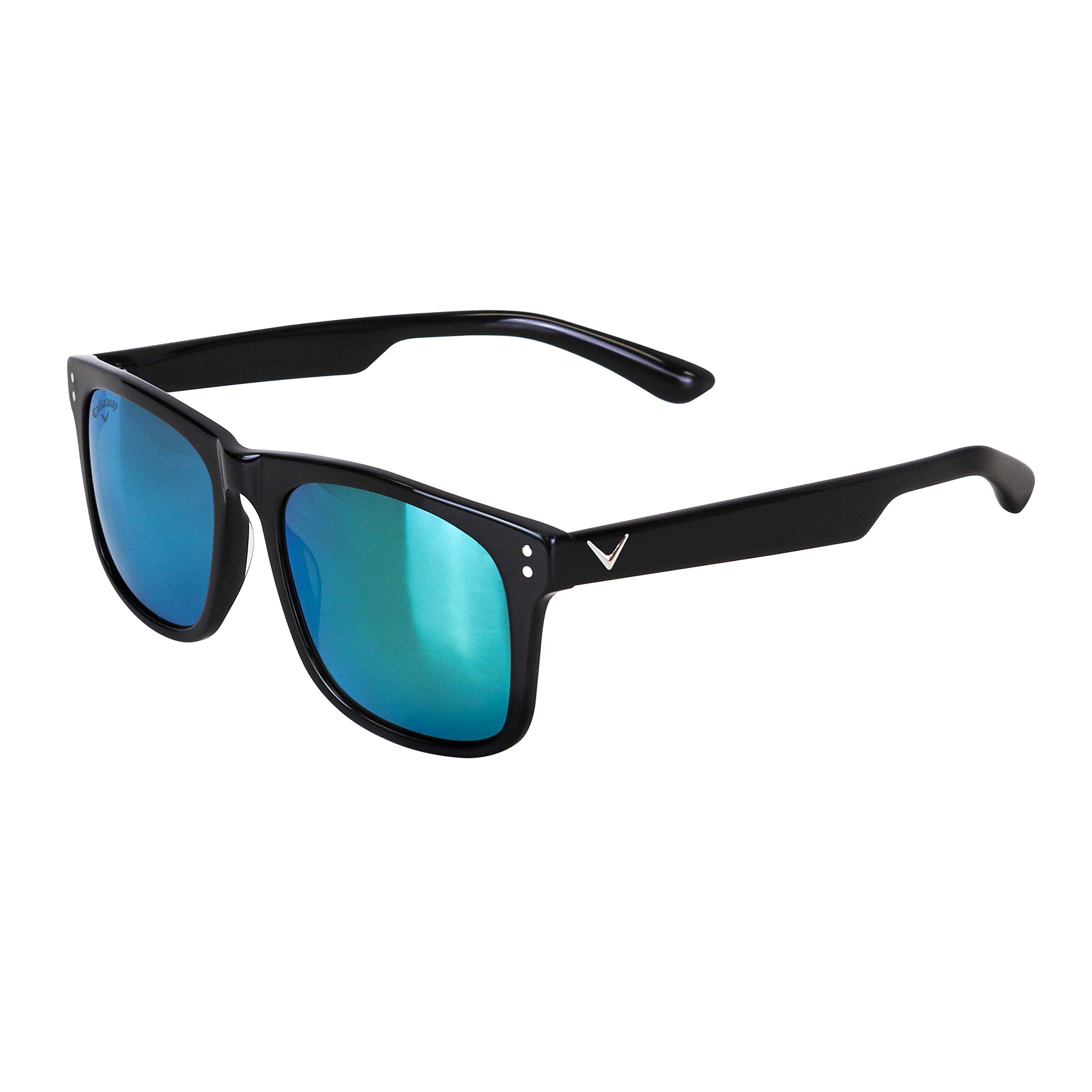
The Callaway Atlas brings a golf-specific lens tint to a more accessible price point. The blue lens hue is designed to cut glare on bright days while still maintaining enough light transmission to read the green. For a golfer who wants a recognizable brand name without stepping into premium pricing, this is a logical starting point.
The frame is noticeably heavier than the Oakley options, which can be a distraction if you spend a lot of time with your head tilted down during reads. A few users also note that the glasses tend to slip off the brim of a hat, and the nose pad material feels firmer than ideal for all-day comfort. The overall build feels solid, but the weight distribution is not optimized for prolonged putting practice.
Where the Atlas works best is as an occasional-use pair — a backup in the bag or a spare for a partner. The blue tint does enhance sky contrast on sunny days, which helps with ball flight tracking, but it may not offer the same subtle slope differentiation that rose or bronze tints provide.
Why it’s great
- Golf-specific blue tint reduces brightness
- Brand recognition with accessible pricing
- Good for ball flight tracking on sunny days
Good to know
- Heavier frame can be distracting during putting
- Nose pad material is firm
- Not ideal for reading subtle grain direction
4. Eagle Eyes PanoVu

The Eagle Eyes PanoVu stands out for its unique yellowish tint that boosts green vibrancy and sky contrast. Users consistently note that this lens makes the grass look richer and more defined, and several mention that it helps them read the contour of the green better than standard gray or brown tints. The wraparount design also blocks side light, which reduces distractions when you are locked into your putting line.
The frame is extremely light — 5.93 ounces total — and the polarized coating does not create the dark tunnel effect that some sport lenses suffer from. Instead, the PanoVu lets in enough ambient light that even older eyes can see the details of the putting surface without squinting. The light tint, however, also means these are not ideal for the brightest midday sun where a denser filter might be preferable.
Another consideration is that the build feels a bit dated — the PanoVu has been on the market since 2009, and the styling reflects that era. If your priority is pure optical function over modern design, the Eagle Eyes delivers solid slope visibility performance at a reasonable cost.
Why it’s great
- Yellow tint enhances green color and grain visibility
- Very lightweight for all-day wear
- Wraparound blocks peripheral glare effectively
Good to know
- Tint is light — not for extreme bright sun
- Frames have a dated design aesthetic
- Some users find lenses too dark for low-light use
5. Under Armour 0012/S
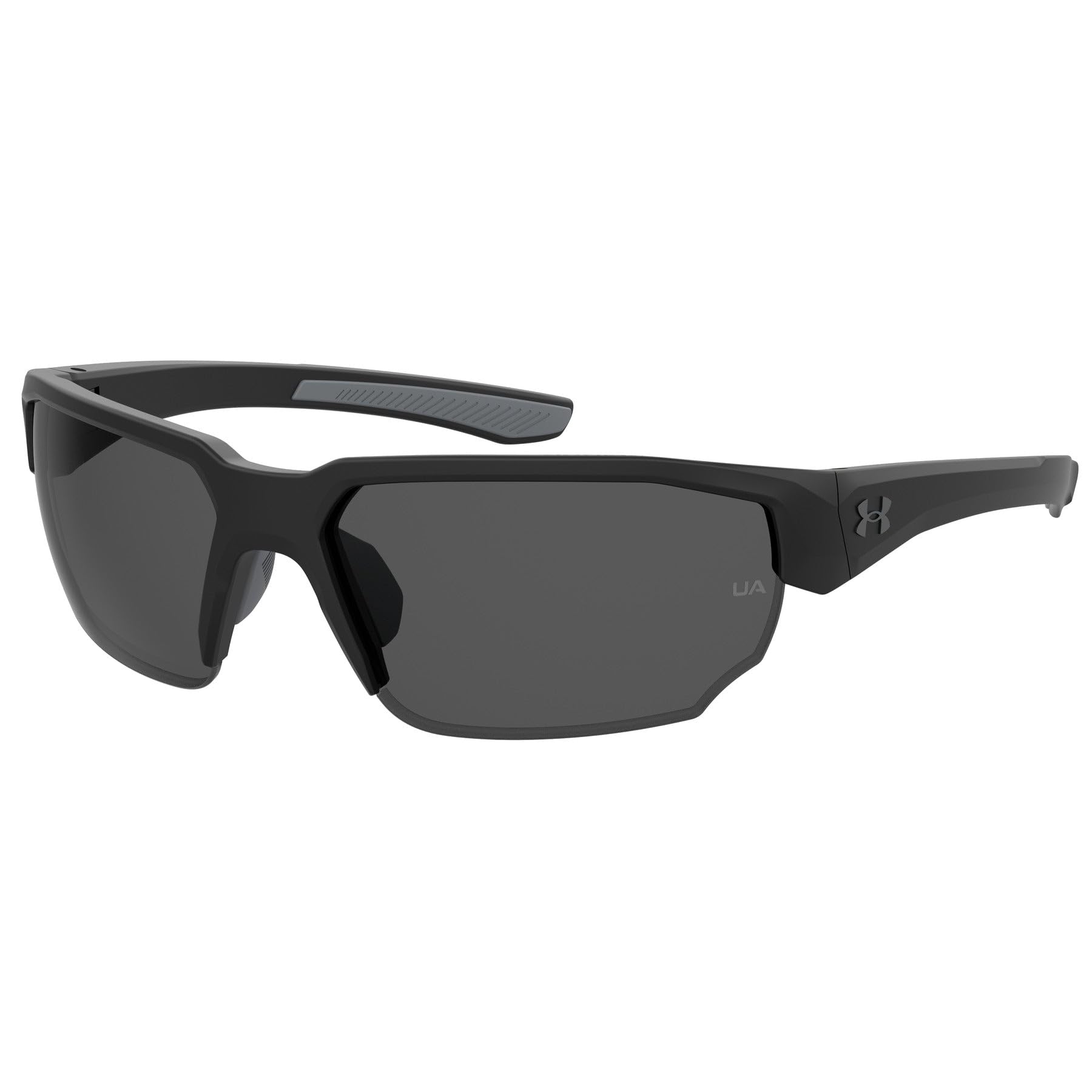
The Under Armour 0012/S earns its reputation for comfort primarily through its nose pad design and temple geometry. The lenses sit far enough from the cheeks that you can tilt your head down for a putting read without the frame touching skin, and the arms do not squeeze the temples — eliminating those pressure lines that form after a few hours of wear.
Users frequently compare the fit favorably against Oakley, noting that the Under Armour feels just as secure but without the pull on the ears. The lightweight construction also reduces the sense of weight on the bridge, which helps you stay in your reading position longer without adjusting the frame.
The trade-off is that the lens tint is more general-purpose than golf-specific. It does not boost green contrast as aggressively as the Prizm or yellow-tint options, so the slope-reading advantage here is more about consistency of vision rather than enhanced color filtering. If you prioritize comfort and a steady frame over maximum contrast, this is a strong choice.
Why it’s great
- Nose pad and temple design prevent pressure points
- Excellent cheek clearance for head-down reading
- Lightweight build for long-term comfort
Good to know
- Tint is standard — does not boost green contrast
- Not optimized for reading subtle grain direction
- Some packaging concerns with open-box deliveries
6. Knockaround Flight Paths
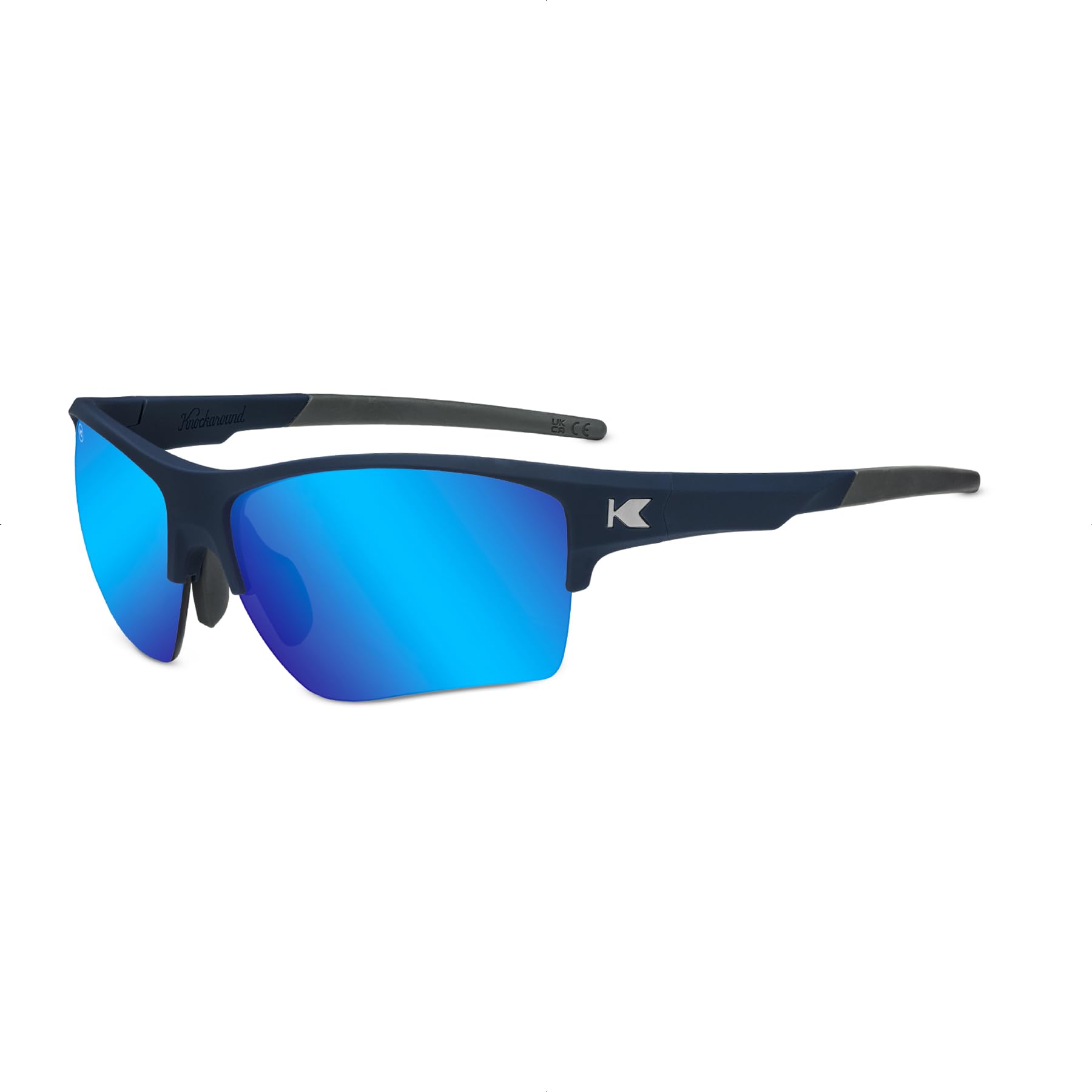
The Knockaround Flight Paths are a strong entry-level option for golfers who want to test how tinted lenses affect their green reading without a large financial commitment. Several users report that these glasses make the grain of the grass and the breaks on the green appear more vivid, which is the exact feedback you hope to hear from a pair of golf-specific sunglasses.
The blue colorway looks sharp, and the UV400 protection ensures your eyes are fully shielded from harmful rays during long rounds. The frame is a sport wrap design that stays in place during the swing, and the lenses are clear enough for use in other sports like cycling or baseball. The case-less design has held up well against scratches in user reports, though regular storage in a bag pocket may eventually take its toll.
The main downside is the prominent nose piece and upper corner frame, which some users report as visible in the peripheral field of view during the first few wears. That visual intrusion fades after about ten minutes of use, but it is worth noting if you are sensitive to any obstruction in your putting line.
Why it’s great
- Users see more vivid breaks and grain direction
- Affordable entry point to test golf-specific tints
- Versatile sport wrap design for multiple uses
Good to know
- Nose piece and frame corners visible in periphery
- Tint may not be dark enough for brightest days
- Some users were disappointed with overall quality
7. WearMe Pro WMP Eyewear
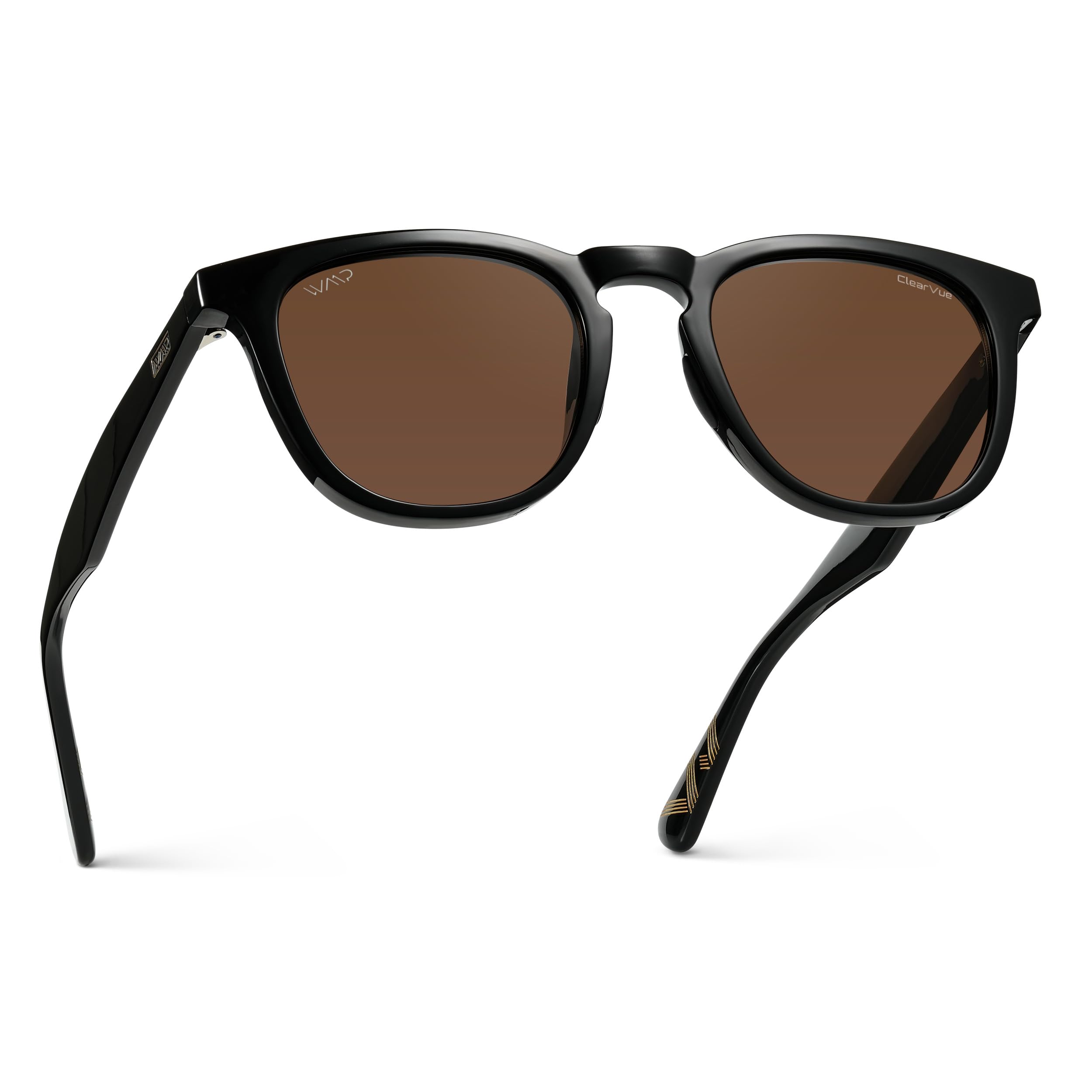
The WearMe Pro WMP is designed for golfers who prioritize fit stability above all else. The rubberized nose grips prevent any slipping during the putting stroke, and the round frame offers a classic look reminiscent of premium brands at a fraction of the price. Users consistently praise the non-slip performance, noting that the glasses stay glued to the face even when bending low to read a break.
The polarized lenses provide clear vision, but the tint is notably lighter than many sport-specific options. Some users wish the lens was darker for brighter conditions, though the lighter shade does help with seeing details in the putting surface on overcast days. The frame material feels high quality for the price point, with taller temple pieces that mirror the build of more expensive models.
The one recurring issue is the case — the zipper on the included case tends to fail after a few uses. That aside, the glasses themselves hold up well during play. If your main frustration is glasses sliding down your nose when you tilt to read a putt, the WearMe Pro solves that problem directly.
Why it’s great
- Rubber nose grips eliminate slipping during reads
- High-quality frame material for the price
- Classic round style suits many face shapes
Good to know
- Tint is lighter than ideal for bright sun
- Included case has zipper durability issues
- Contrast enhancement is minimal
FAQ
What lens tint is best for reading green slopes?
Will polarized sunglasses help me see the break better?
How do I prevent my sunglasses from sliding when I read a putt?
Are Oakley Prizm lenses worth the premium for golf?
Final Thoughts: The Verdict
For most users, the golf sunglasses for slope visibility winner is the Oakley Ejector Prizm because its contrast engine makes subtle green contours visible that other lenses flatten to gray. If you want a classic look with exceptional lens clarity, grab the Oakley Unstoppable. And for the golfer who wants to test the impact of tinted lenses without a large commitment, nothing beats the Knockaround Flight Paths for value.