
Finding the right wedge of Gorgonzola cheese is a choice between two distinct experiences — the soft, buttery Dolce or the firm, crumbly Piccante. One melts into a warm pasta dish like velvet; the other punches through a robust salad with sharp clarity. The texture, the saltiness, and the intensity of that signature blue veining all depend on which style you reach for.
I’m Mohammad Maruf — the founder and writer behind Drink4Good. I’ve spent hours analyzing the production methods, aging conditions, and customer feedback across dozens of blue cheese brands to provide a clear, spec-driven guide to buying the best Gorgonzola cheese online.
This guide breaks down the creamy Dolce, the crumbly Piccante, and a few French blue alternatives so you can confidently select a gorgonzola cheese that matches your palate and purpose — whether you want to spread it on a cracker, melt it over a burger, or crumble it into a pear salad.
How To Choose The Best Gorgonzola Cheese
Gorgonzola is a protected Italian blue cheese categorized into two main styles: the young, soft, spreadable Dolce (sweet) and the aged, firm, crumbly Piccante (sharp). Your choice depends on how you intend to serve it and what intensity of flavor you prefer. The Dolce style is aged about two months and tastes buttery, creamy, and mildly tangy; the Piccante ages three to six months for a crumbly bite and concentrated spiciness. Marbling texture — the distribution and frequency of blue-gray veins — directly determines whether the cheese slices cleanly or crumbles apart. Dolce has a dense, fat-rich paste with fewer pockets, while Piccante develops more fissures for penicillin mold to colonize, creating sharper aroma and taste.
Marbling and Mold Distribution
The distinct blue veins in Gorgonzola come from the introduction of Penicillium cultures before aging. Dolce wheels are stabbed fewer times than Piccante to limit oxygen circulation, yielding a pale, minimally veined interior. Piccante receives more punctures throughout aging, allowing deeper mold growth that gives the cheese its characteristic bite. Check photos of the cut surface — a wedge with heavy, widespread veining will always finish with more heat and complexity on the tongue.
Texture: Spreadable vs Crumbly
Soft Dolce Gorgonzola has a high moisture content — around 50 to 55 percent — which makes it easy to spread on bread or melt into a creamy sauce. Piccante loses more water through longer aging, so it holds its shape and crumbles into pieces rather than smearing. For hot pastas and risottos where the cheese should vanish into the dish, Dolce creates a seamless, velvety finish. For salads and charcuterie boards where each nibble should keep its identity, Piccante delivers bite-sized, manageable chunks that do not turn to paste.
Quick Comparison
On smaller screens, swipe sideways to see the full table.
| Model | Category | Best For | Key Spec | Amazon |
|---|---|---|---|---|
| Igor Gorgonzola Dolce | Soft Blue | Spreading on bread, melting into pasta | 8 oz, creamy paste | Amazon |
| Roth Buttermilk Blue Cheese | American Blue | Snacking with pepperoni, salad topping | 8 oz, smooth texture | Amazon |
| Igor Gorgonzola Piccante | Firm Blue | Crumbling on salads, stuffing burgers | 8 oz, crumbly wedge | Amazon |
| Livradois Bleu D’Auvergne | French Blue | Pairing with honey or figs, crumbly salads | 8 oz, minerally profile | Amazon |
| Fromageries Papillon Roquefort | Sheep Milk Blue | Intense tasting, snacking with beer | 4 oz, peppery finish | Amazon |
In‑Depth Reviews
1. Igor Gorgonzola Dolce

Igor’s Dolce is the most consistent everyday Gorgonzola you can buy online. The paste is dense and buttery — not dry or chalky — with a balanced tang that stays mellow enough for a sandwich but still expresses true blue character. Reviewers consistently note its spreadability even straight from the fridge, though serving at room temperature unlocks a silky, almost custard-like texture that pairs beautifully with pairs of ripe pear or a drizzle of honey.
This is a Dolce style, meaning it aged around two months and still contains high moisture, so it melts into warm foods without separating. Toss it with hot pasta, let it blanket a burger patty during the last minute of cooking, or simply smear it over a crusty piece of sourdough. The sweetness of the curd offsets the saltiness nicely, making it approachable for anyone who finds standard blue cheese too aggressive.
The 8-ounce wedge is cut from larger wheels, so veining distribution can vary slightly between orders, but the creaminess stays uniform. It avoids the metallic aftertaste that cheaper blues sometimes carry. If you could only buy one Gorgonzola wedge for the widest range of uses — eating raw, melting, spreading — this is the one to choose.
Why it’s great
- Very creamy and spreadable even when cold
- Balanced tang that is mild enough for beginners but authentic for enthusiasts
- Excellent price for a twice-purchased staple cheese
Good to know
- Vein distribution can vary between wedges from the same wheel
- Lower salt profile than Piccante styles
2. Roth Buttermilk Blue Cheese

Roth Buttermilk Blue is an American blue cheese that uses buttermilk in the curd formula, which gives it a notably smoother mouthfeel compared to straight Italian blues. The texture stays creamy without becoming pasty, and the flavor is bold in a peppery, bright way rather than funky or cave-aged musty. Buyers describe it as a bold but approachable snack cheese that holds its own when paired with cured meats like pepperoni or dry salami.
The half-pound wedge yields roughly six salads for two people, making it an efficient buy for regular blue cheese users. It crumbles evenly without turning into dust, which is a common frustration with drier blues. Some reviewers also use it for stuffing olives — the flavor stands up to vodka in a martini without dominating the drink.
Because buttermilk contributes a mild lactic acidity, the finish is cleaner than traditional Gorgonzola. This difference makes it a solid choice for anyone who enjoys blue cheese flavor but wants to avoid the lingering, sharp aftertaste of a long-aged wedge. The only trade-off is that it lacks the sweet, buttery richness of Dolce, so it is less suited for melting into creamy sauces.
Why it’s great
- Smooth, creamy texture that crumbles without turning to powder
- Bright peppery bite that cleans up nicely on the palate
- Excellent for salads, snacking, and martini olives
Good to know
- Less buttery richness than Dolce styles when melted
- Bold enough to dominate delicate cheese boards
3. Igor Gorgonzola Piccante
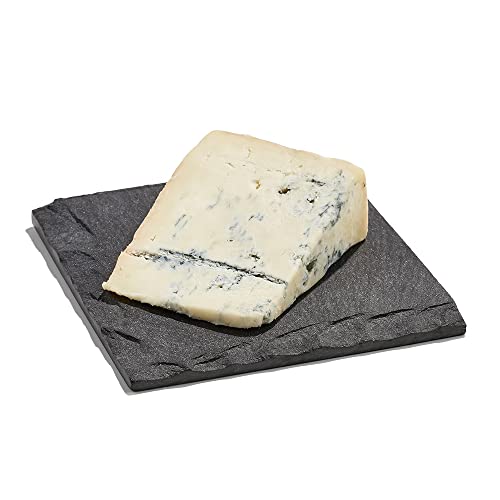
Igor’s Piccante wedge represents the traditional sharper side of Gorgonzola. Aged three to six months longer than the Dolce, it develops a firm, slightly crumbly texture that holds its shape when diced. The flavor profile leans heavily into the spiciness that blue cheese lovers crave — it has a recognizable penicillin mold taste with a peppery finish that lingers on the tongue without overwhelming the other elements in a dish.
One enthusiastic reviewer stuffed this crumbly wedge into ground beef patties and called it the best burger they ever ate. That makes sense: the firmness prevents the cheese from melting away into the meat too quickly, and the sharp pockets of mold cut through the fat of the beef. It also crumbles well over a classic wedge salad where each bit keeps its identity rather than smearing into the dressing.
The main difference from the Dolce version is moisture content — Piccante has significantly less, so it does not spread at room temperature the way a Dolce would. Instead, it breaks into distinct pieces that deliver concentrated bursts of flavor. If your goal is to add distinct blue pockets to a dish rather than a creamy blanket, this is the better pick from the Igor lineup.
Why it’s great
- Firm crumbly texture that holds up on a burger or salad
- Sharp, peppery blue profile with a pleasant spicy finish
- Surprisingly approachable for people who normally dislike blue cheese
Good to know
- Not spreadable like a Dolce — crumbles rather than smears
- Lower moisture means it melts differently in hot applications
4. Livradois Bleu D’Auvergne

Bleu D’Auvergne is a French blue cheese that occupies a middle ground between the creamy Dolce and the aged Piccante. The paste is moist and spreadable yet still holds enough structure to crumble cleanly. The flavor is notably minerally and salty — one reviewer describes it as tasting the way cave-aged cheese should — with a level of sharpness that sits between Stilton and a standard Gorgonzola Piccante.
Reviewers consistently return to this wedge, praising its creamy texture as a lighter alternative to heavier blues. It works well in roasted garlic mashed potatoes, where the minerality complements the caramelized cloves, and it pairs naturally with sweet accompaniments like figs or honey. The salt content is relatively high, so adjust for that when adding it to recipes that already call for seasoning.
This cheese comes from the Livradois region in central France and uses unpasteurized cow’s milk for a more complex bacterial profile. It is creamier than most crumbly blues but firmer than a Brie, so it sits nicely on a cheese board without becoming a mess. If you want a French blue that melts well and crumbles without disintegrating, this is one of the most versatile options at the mid-range tier.
Why it’s great
- Creamy, spreadable texture with solid crumble structure
- Minerally, salty flavor that pairs well with sweet sides
- Excellent value compared to similarly aged French blues
Good to know
- Saltier than most Italian blues, so season carefully in cooking
- Paste can be softer than expected if left out too long
5. Fromageries Papillon Revelation Roquefort
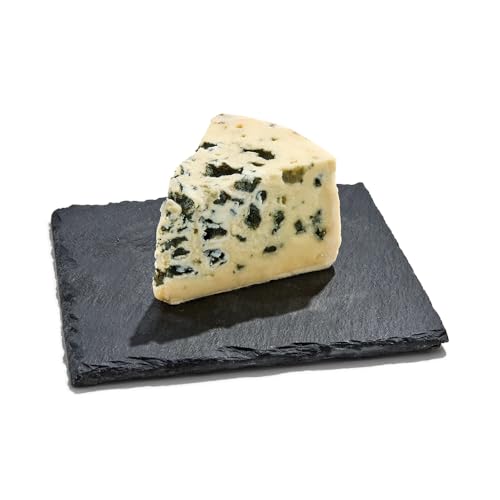
Roquefort is not technically Gorgonzola — it is a separate French blue made exclusively from sheep’s milk — but it is the essential reference point for anyone exploring intense blue cheese. Fromageries Papillon’s Revelation Roquefort is aged in the natural Combalou caves of Roquefort-sur-Soulzon, where the humidity and airflow cultivate a uniquely peppery, lightly gamey profile. The texture is crumblier than cow’s milk blues, and the flavor is sharp but clean, with no metallic off-notes.
Sheep’s milk contains different fatty acids than cow’s milk, giving the cheese a subtly sweeter base that offsets the intense blue veining. One reviewer explicitly notes that Roquefort does not trigger their psoriasis, which highlights a real dietary difference for some individuals. It also contains beneficial live cultures, so it should be added to cooked dishes after the heat is off to preserve gut-health properties.
The 4-ounce wedge is smaller than other options in this guide because Roquefort is so intense that a little goes a long way. Serve it at room temperature with a dark beer or a sweet wine to match its boldness. It is the most expensive wedge per ounce here, but for serious blue cheese lovers, the complexity and cultural authenticity justify the premium.
Why it’s great
- Sheep’s milk base provides a distinct, sweeter foundational flavor
- Peppery, cave-aged funk without harsh metallic finish
- Contains active cultures for gut health when served raw
Good to know
- Higher per-ounce cost compared to cow’s milk blues
- Very intense flavor that may overpower some palates
FAQ
What is the difference between Gorgonzola Dolce and Piccante?
Can I freeze a wedge of Gorgonzola cheese?
Does Gorgonzola Piccante melt as well as Dolce?
Final Thoughts: The Verdict
For most users, the gorgonzola cheese winner is the Igor Gorgonzola Dolce because its creamy, spreadable paste and balanced tang work across more eating and cooking applications than any other option on this list. If you want a firmer wedge for crumble-topped salads and cheese boards, grab the Igor Gorgonzola Piccante. And for the most intense blue cheese experience with authentic sheep’s milk character, nothing beats the Fromageries Papillon Revelation Roquefort served at room temperature with a cold beer.