
Finding a medical alert system that works outside the home is the single biggest challenge for active seniors and their caregivers. Traditional wall-mounted buttons leave you vulnerable the moment you step into the garden or walk to the store.
I’m Mohammad Maruf — the founder and writer behind Drink4Good. I’ve spent years analyzing the hardware and subscription economics across dozens of personal safety devices so my readers can focus on what actually works for their specific situation.
Whether you are caring for a loved one with dementia, want fall detection for an elderly parent living alone, or need peace of mind during outdoor adventures, finding the right gps medical alert system means balancing real-time location tracking against battery life, subscription costs, and ease of use for the intended wearer.
How To Choose The Best GPS Medical Alert System
Choosing a GPS-equipped medical alert is different from buying a standard in-home system. You are investing in mobility and outdoor coverage, so the device’s battery endurance, cellular connectivity, and ease of use for someone who may not be tech-savvy become the deciding factors. Here is what to look at first.
Subscription Model and Total Cost
Almost every GPS medical alert requires a monthly or quarterly subscription that covers the cellular data plan and monitoring service. Prices range from about to per month. Some include a limited free trial or a first month free, while others lock you into a one-year contract. Always check whether fall detection is included in the base subscription or costs extra—this is a common hidden expense that can increase the monthly bill significantly.
Battery Life and Charging Habits
Devices with continuous GPS polling drain batteries faster than those with interval tracking. A pendant that lasts five to six days is far more practical for a senior who may forget to charge daily than a watch that needs a top-up every 24 to 36 hours. If the device is for a person with dementia, shorter battery life adds a compliance burden that the caregiver must manage.
Accuracy of GPS and Fall Detection
Look for devices that use 4G LTE cellular networks rather than older 3G infrastructure. In rural areas, network compatibility determines whether the device works at all. Fall detection technology varies widely—some units use accelerometer-based algorithms that can identify a fall with reasonable accuracy, while others rely on the SOS button alone. Read real user feedback about false positives and missed falls before committing to a specific system.
Quick Comparison
On smaller screens, swipe sideways to see the full table.
| Model | Category | Best For | Key Spec | Amazon |
|---|---|---|---|---|
| AngelSense Assistive Watch | GPS Watch | Dementia & autism tracking | 16-hour battery, 4G LTE | Amazon |
| SecuLife Fall Alert Pendant | Pendant | Budget-friendly 2-way calling | Up to 6 days battery | Amazon |
| Fajocru Fall Detection Watch | Smart Watch | Video calls & health tracking | 600 mAh battery | Amazon |
| Bay Alarm Medical SOS Micro | Compact Pendant | US-based monitoring center | Under 1.2 ounces | Amazon |
| COCO Emergency Alert Smartwatch | Smart Watch | Health monitoring + SOS | 1.85-inch HD display | Amazon |
| Medical Guardian MGMove | Smart Watch | Trusted brand with 24/7 monitoring | One-touch emergency button | Amazon |
| SureSafe Dementia Tracker | Pendant | Wandering alert with geo-fence | 3-month subscription included | Amazon |
| NOMO Smart Care System | In-Home Kit | Home monitoring with fall detection | WiFi-based camera-free system | Amazon |
| Garmin inReach Mini 3 Plus | Satellite Communicator | Outdoor & remote area SOS | Iridium satellite network | Amazon |
In‑Depth Reviews
1. AngelSense Assistive Technology GPS Watch
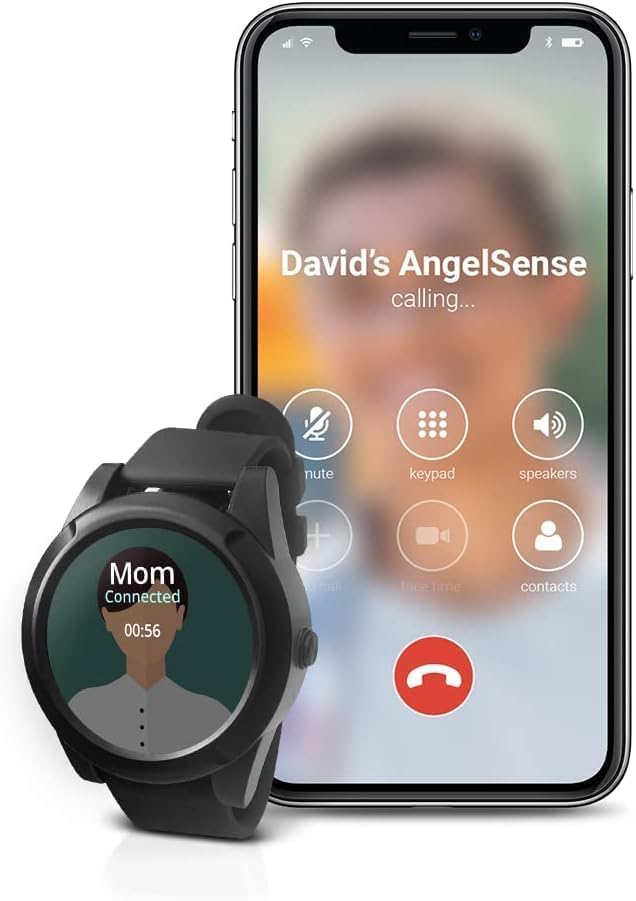
AngelSense stands apart by using an AI-driven learning engine that auto-detects a wearer’s daily routine and issues alerts only when something goes off pattern—early departure, unexpected places, or late arrival. This is not a generic SOS buzzer; it is a proactive safety net that learns over time, making it ideal for dementia or autism care where wandering behavior is a primary concern.
The form factor is a 47.5 mm watch with a 0.96-inch OLED screen and a silicone strap, but the real capability lies in the assistive speakerphone with auto-answer and a dedicated SOS button. The Safe Ride Monitor tracks bus routes, stops, delays, and speed, adding a layer of school and transport safety that competitor pendants simply cannot match. The 16-hour battery rating is realistic for a full day of use, though heavy GPS polling in low-signal areas may drain it faster.
Subscriptions run per month with a one-year contract, and the first month is free.
Why it’s great
- AI learns routines and alerts on deviations
- Safe Ride Monitoring for bus and transport safety
- Auto-answer speakerphone enables remote check-in
Good to know
- Higher monthly subscription cost
- Battery may not last a full school day in weak signal areas
2. SecuLife Fall Alert Medical Pendant
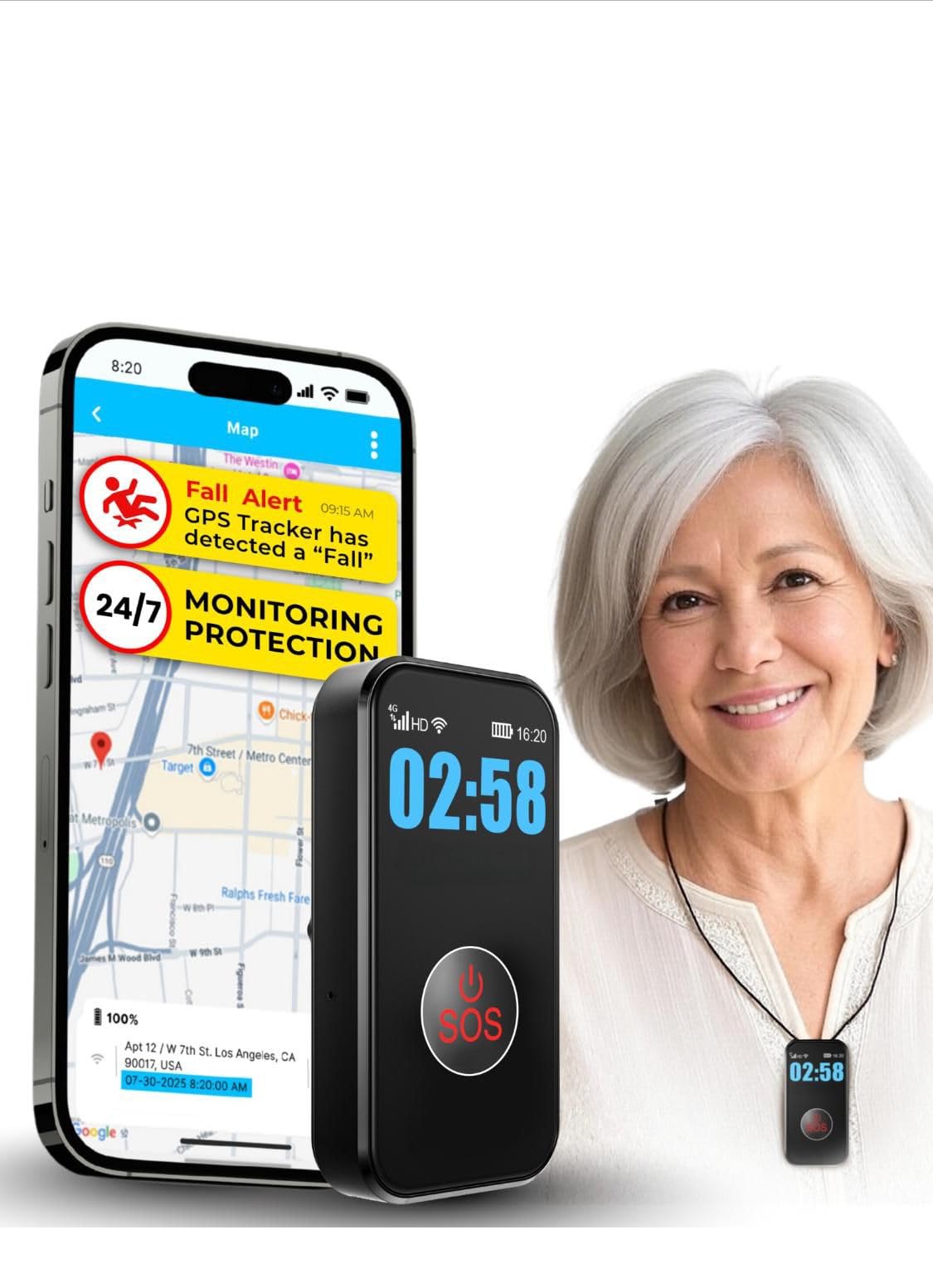
SecuLife delivers a straightforward pendant with automatic fall detection and a large SOS button at a monthly subscription rate that undercuts most competitors. The 1000 mAh battery supports up to six days of use with one-hour interval tracking, which is generous for a device that must stay charged to be useful. The IP67 waterproof rating means the pendant can be worn in the shower without worry, a critical detail for elderly users who are at highest fall risk in the bathroom.
The two-way calling function works over 4G LTE cellular and includes a hands-free auto-answer feature, so the wearer can speak to emergency contacts without needing to manipulate the device. Geo-fence zones and real-time GPS tracking are accessible through the companion app, allowing caregivers to set safe boundaries for the user. The display shows time, battery level, and signal strength, which helps seniors feel in control of their own safety device.
Setup was reported as straightforward by most users, though a few noted initial configuration challenges that were resolved by responsive support. The subscription is billed monthly with no long-term contract required, making this an accessible entry point for families who want fall detection without a high recurring commitment.
Why it’s great
- Long 6-day battery life on interval tracking
- Low per month subscription fee
- IP67 waterproof for 24/7 wear
Good to know
- Fall detection may not call 911 directly
- Some users experienced initial setup hurdles
3. Fajocru Fall Detection Smart Watch

The Fajocru smartwatch packs fall detection, real-time GPS tracking, and video calling into a wrist-worn form factor that also tracks heart rate, blood pressure, and blood oxygen. This is a full-featured wearable that goes well beyond the SOS button, making it a strong choice for seniors who want fitness tracking alongside emergency safety. The 600 mAh battery delivers several days of use between charges, and the IP67 waterproof rating adds durability for daily wear.
Setup requires inserting a standard SIM card for voice calling—the pre-installed data-only SIM covers GPS and data for one year but does not support voice. This is an important distinction: if you want voice calling capability, you will need a separate voice SIM. The SeTracker app provides the location interface, geo-fence alerts, and real-time tracking, and users report that GPS updates are quick and accurate. The 1.85-inch touchscreen is bright and responsive, even outdoors.
Fall detection is automatic and triggers an SOS alert to emergency contacts without requiring the wearer to press anything. This passive safety feature is essential for seniors who may become unconscious after a fall. The watch also includes medication reminders and an alarm function, helping users manage daily routines independently.
Why it’s great
- Includes health monitoring (HR, SpO2, BP)
- HD video call feature for face-to-face check-ins
- Automatic fall detection without button press
Good to know
- Pre-installed SIM does not support voice calls
- Some users had difficulty activating service
4. Bay Alarm Medical SOS Micro

Bay Alarm Medical’s SOS Micro weighs less than 1.2 ounces and is available as a wristband, lanyard pendant, or belt clip, giving the user flexibility in how they wear it. The device connects over Verizon’s 4G LTE network and does not require a smartphone to operate—it is a standalone unit that communicates directly with Bay Alarm’s US-based monitoring center. This is a significant advantage for seniors who do not want to manage a smartphone alongside their alert system.
Pressing the SOS button connects the wearer to a live operator who speaks through the two-way speaker. Operators follow the emergency plan set up during activation and can dispatch emergency services or contact family members depending on the situation. The caregiver tracking app provides location and battery level checks remotely, which is reassuring for family members who live far away.
The 36-hour battery life is a weak point; users report needing to charge the device daily, and the lack of a fully-charged indicator beep means the user has to visually check the light. Some buyers found the daily charging routine disruptive, especially for seniors who may forget to put the device back on. Bay Alarm does not require long-term contracts, and activation is straightforward by calling their support line.
Why it’s great
- US-based monitoring center with live operators
- Ultra-light at 1.2 ounces, multiple wearing options
- No smartphone required to operate
Good to know
- 36-hour battery needs daily charging
- No fully-charged audible alert
5. COCO Emergency Alert Smartwatch BT2-X

COCO’s BT2-X smartwatch combines an emergency alert system with a full health monitoring suite that tracks heart rate, SpO2, sleep patterns, stress, and breathing trends. The 1.85-inch HD display is large and clear for seniors who may struggle with smaller screens, and the rotating crown makes navigation intuitive. The watch uses Bluetooth for calling when paired with a smartphone, but the fall detection and SOS features work independently to alert the wearer’s Emergency Care Team.
The fall detection system initiates a 20-second countdown after a serious fall, giving the user time to cancel the alert if they are unharmed. If no cancellation occurs, the system automatically notifies the designated contacts. The caregiver app allows family members to remotely set medication reminders and check health trends, which adds a layer of daily oversight that is useful for seniors living alone. The 280 mAh battery charges in about 1.5 hours and lasts up to four days under moderate use.
Setup complexity was a frustration for some buyers, particularly when adding emergency contacts through the app. Several users reported that the app interface was not intuitive and required support calls to resolve basic functions. The watch is limited to Bluetooth range for calling when not connected to WiFi, so it is less of a standalone GPS solution than the cellular-equipped pendants on this list.
Why it’s great
- Comprehensive health tracking (HR, SpO2, stress)
- Large 1.85-inch HD display with rotating crown
- Remote medication reminders via caregiver app
Good to know
- Setup and app interface can be difficult
- Bluetooth calling range limits standalone use
6. Medical Guardian MGMove Smartwatch

Medical Guardian is one of the most recognized names in the medical alert industry, and the MGMove delivers the core promise: a one-touch emergency button that connects directly to a 24/7 monitoring center. The two-way voice communication is clear, and the built-in step tracker and weather updates add minor lifestyle functionality without distracting from the safety mission. Over 625,000 subscribers trust the brand, and the monitoring center staff are trained and English-speaking.
The watch comes with a free month of monitoring when activated, after which the subscription costs per month. Optional fall detection and the Support Circle App add further functionality. The device uses 4G cellular for independent operation, so the user does not need to keep a smartphone nearby. The battery life is the weakest link—many users report needing to charge every 24 to 36 hours, which is inconvenient for someone who may forget to put the watch back on.
Setup issues were a recurring theme in customer feedback, with some users reporting DOA units or errors during activation that required extended calls with customer service. The device is bulkier than the Bay Alarm SOS Micro, which may be a cosmetic consideration for some wearers. Once operational, the system is reliable, but the initial experience can be frustrating.
Why it’s great
- Well-established brand with large monitoring network
- One-touch button connects to live operators
- Free first month of 24/7 monitoring
Good to know
- Battery lasts only 24 to 36 hours
- Some users experienced setup and DOA issues
7. SureSafe Dementia Tracker
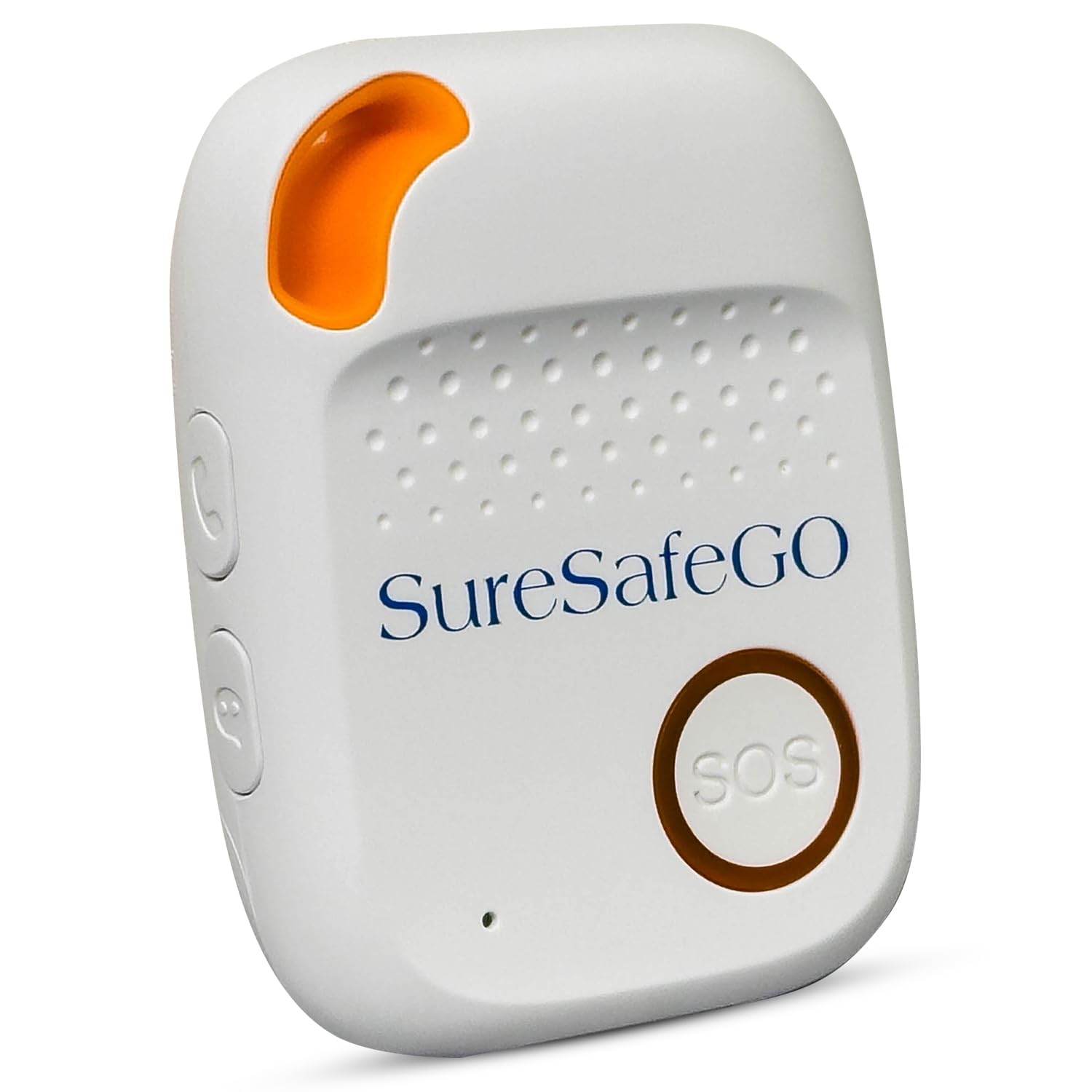
SureSafe focuses specifically on dementia and wandering behavior, which makes this pendant a targeted choice for caregivers of seniors with Alzheimer’s or other memory disorders. The device calls friends and family directly when the SOS button is pressed—not a monitoring center. This peer-to-peer approach works well when the wearer has a responsive family network and reduces the monthly subscription cost to after the first three free months.
The geo-fence feature is the highlight: caregivers receive alerts when the wearer leaves a defined safe zone, and the real-time GPS tracking allows quick location checks. Fall detection is automatic for most heavy falls and triggers an alert without requiring the wearer to press the button. The pendant uses AT&T’s 4G network, and the included SIM card is pre-installed, so setup involves simply charging the device and activating the subscription.
Battery life drops significantly when geo-fence alerts are active—down to 24 to 48 hours from a potential several days in standard mode. Some users reported that the device is heavy to wear around the neck, and the hardware is loaned rather than owned, meaning it must be returned if you cancel service. Customer service is generally praised, though a few users found the low-battery reminder calls disruptive when they occurred late at night.
Why it’s great
- Dedicated to dementia and wandering prevention
- Calls family directly, not a generic center
- 3 months of subscription included upfront
Good to know
- Heavy pendant may be uncomfortable for some
- Battery life shortens with geo-fence active
8. NOMO Smart Care In-Home Monitoring System
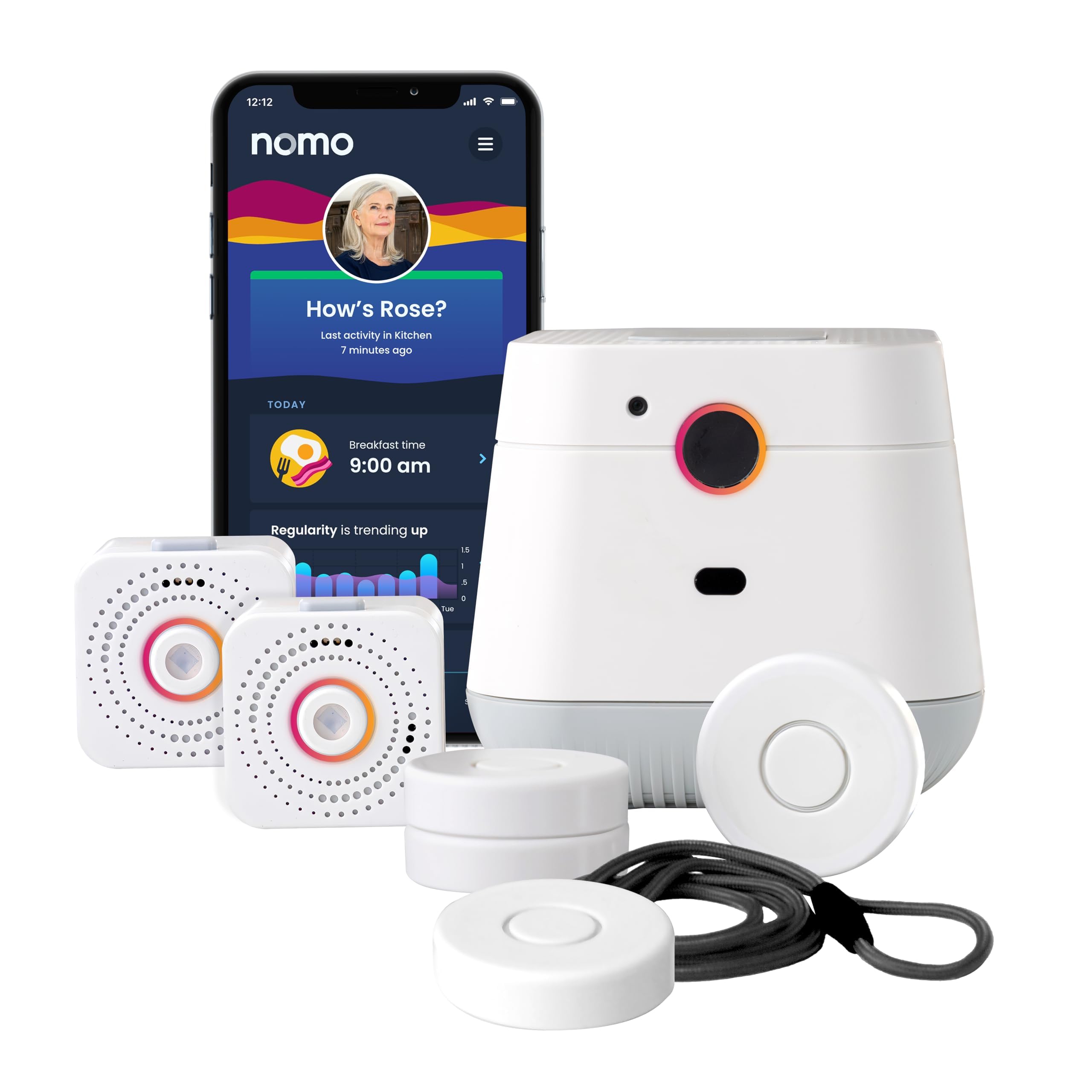
NOMO takes a different approach by providing a WiFi-based in-home system with motion and sound-sensing satellites that detect falls and unusual movement patterns without using cameras. This privacy-first design is appealing to seniors who do not want to be recorded on video but still want 24/7 monitoring. The kit includes a Smart Hub, two satellites, and wearable Tags that can be placed on key items or worn as a panic button with fall detection.
Setup is plug-and-play: connect the Hub and satellites to wall outlets, place the Tags, and configure the app. The two-way voice communication through the Hub allows clear conversation during an emergency. The system uses RapidSOS to dispatch emergency services through the Nomo app when needed. The 60-day monitoring trial is generous, and the ongoing monthly subscription is reasonable for a system that covers an entire home.
Fall detection reliability was a concern for some users—one reported that the system failed to detect a fall that resulted in a hip fracture. This is a serious failure mode for a product whose primary function is fall detection. However, many other users report that the system works well and provides excellent peace of mind. The system is designed for in-home use and does not provide GPS tracking outside the home, so it is not a direct substitute for a mobile alert pendant.
Why it’s great
- Camera-free design protects privacy
- Easy plug-and-play installation
- Low monthly monitoring subscription
Good to know
- Fall detection may fail in some scenarios
- No outdoor GPS tracking coverage
9. Garmin inReach Mini 3 Plus
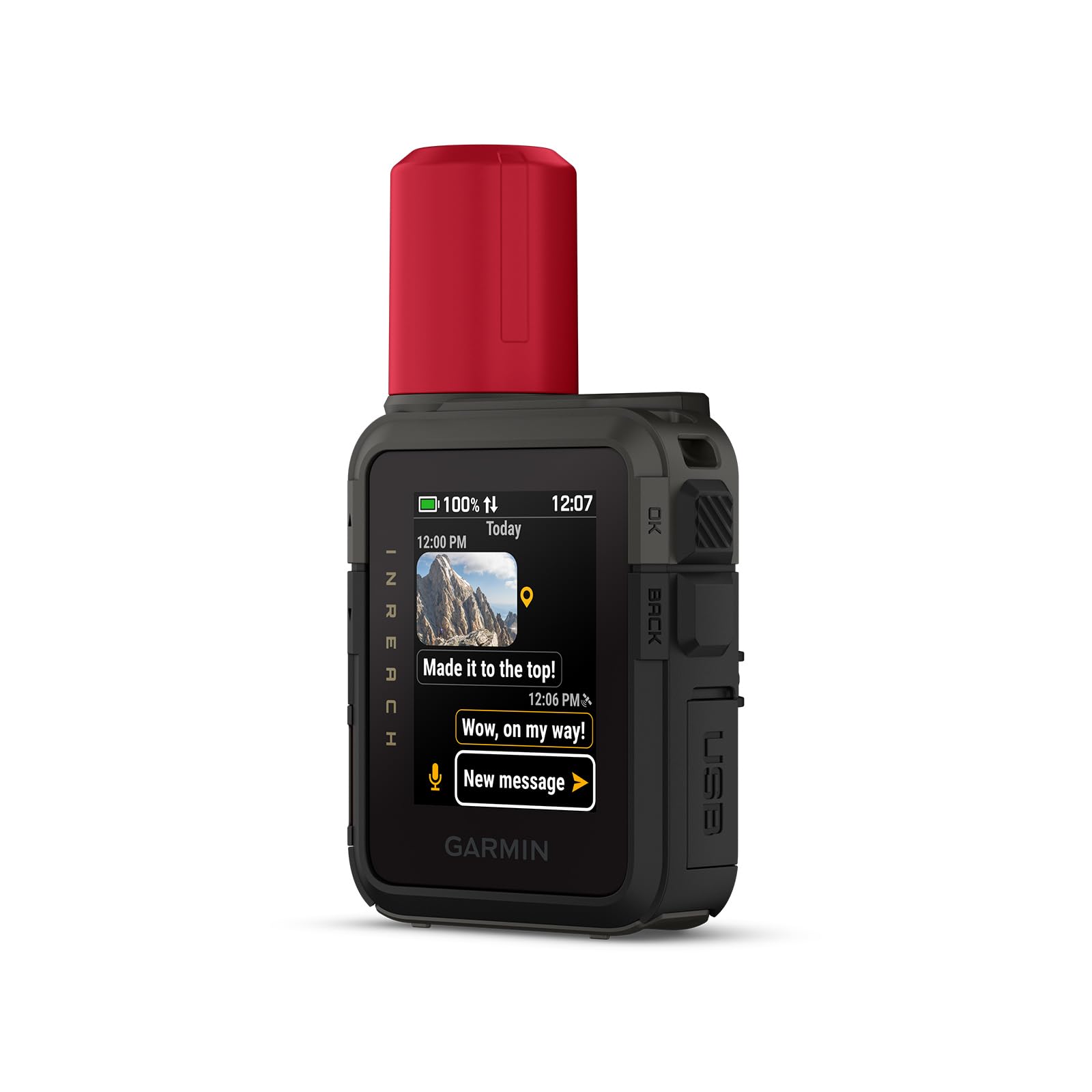
The Garmin inReach Mini 3 Plus is not a traditional medical alert pendant—it is a global satellite communicator that uses the Iridium satellite network to send SOS messages, texts, and location coordinates from anywhere on Earth, including areas with zero cell coverage. For outdoor enthusiasts, hunters, hikers, and travelers who venture beyond cellular range, this is the definitive emergency safety device. The interactive SOS feature connects directly to the Garmin Response coordination center, which dispatches emergency services based on your exact GPS location.
The device features a high-resolution scratch-resistant color touchscreen with an IP67 water rating, and it can withstand extreme temperatures and impact. Battery life is exceptional: up to 350 hours with 10-minute tracking intervals, or about 95 hours in performance messaging mode. The inReach can pair with the Garmin Messenger app on a smartphone for sending photos and voice messages, but it also works perfectly standalone. Friends and family can follow your location in real-time through the LiveTrack feature.
The trade-off is the satellite subscription cost, which is separate from the device purchase and is required for all communication features. The subscription can be frozen when not needed, which is a cost-saving feature for seasonal users. The device is not designed for elderly dementia care or everyday senior fall monitoring—it is a purpose-built tool for staying connected in remote environments where traditional cell phones and medical pendants simply do not work.
Why it’s great
- Works anywhere on Earth via Iridium satellite network
- Up to 350 hours battery on 10-min tracking
- Interactive SOS with professional coordination center
Good to know
- Requires a separate active satellite subscription
- Not a traditional senior medical alert device
FAQ
Do GPS medical alert systems work without a smartphone?
How often do I need to charge a GPS medical alert pendant?
Can a GPS medical alert system work in an area without cell service?
Final Thoughts: The Verdict
For most users, the gps medical alert system winner is the AngelSense Assistive Watch because its AI-powered routine learning, proactive wandering alerts, and Safe Ride Monitoring make it the most capable device for dementia and autism care. If you want a budget-friendly fall detection pendant with long battery life, grab the SecuLife Fall Alert Pendant. And for outdoor adventurers who leave cell coverage behind, nothing beats the Garmin inReach Mini 3 Plus satellite communicator.