
Standard sun-loving varieties stretch thin, struggle to root, and die back fast, leaving muddy soil and frustration.
I’m Mohammad Maruf — the founder and writer behind Drink4Good. I analyze seed genetics, germination protocols, and soil science to separate the real solutions from the marketing mixes in the shade-tolerant grass market.
Finding the right blend that handles filtered light, damp soil, and root competition from mature trees is the difference between a dusty patch and a thriving lawn. After digging through the spec sheets and real-world results, I’ve put together this breakdown of the best grass seed for dense shade that will actually establish in low-light conditions.
How To Choose The Best Grass Seed For Dense Shade
Not all grass seed that claims shade tolerance can deliver under a canopy of mature trees or on the north side of a house. The difference comes down to the specific species in the bag, the purity of the seed, and whether the coating or included mulch helps or hinders germination.
Focus on Fine Fescues for Low Light
Creeping Red Fescue, Hard Fescue, and Chewings Fescue are the proven performers in dense shade. They have narrow, fine blades that require less sunlight for photosynthesis and they spread through tillering rather than aggressive rhizomes, which reduces competition for soil nutrients. Tall Fescue blends can work in partial shade but often struggle in full, deep shadow conditions.
Check the Purity and Weed-Free Guarantee
A high-quality seed lot should be at least 99% pure seed with no more than 0.5% inert matter. Any bag with filler material or weed seeds will waste your time in a low-germination zone. The best shade blends are tested for zero noxious weed seeds, so the energy you invest in watering a dim patch goes into growing grass rather than unwanted plants.
Consider Coatings and Mulch Inclusions
Some shade-specific products come with a tackifier or a mulch layer that holds moisture and prevents seed runoff on slopes. These coatings can accelerate germination in damp, shaded soil where evaporation is slow. For bare-spot repair, a product with built-in fertilizer and disease-preventing microbials gives an extra edge in the challenging microclimate under dense tree cover.
Quick Comparison
On smaller screens, swipe sideways to see the full table.
| Model | Category | Best For | Key Spec | Amazon |
|---|---|---|---|---|
| Outsidepride Legacy Fine Fescue | Fine Fescue Blend | Full shade lawns | 40% Creeping Red / 40% Chewings / 20% Hard | Amazon |
| Jonathan Green Dense Shade | Pure Seed Mix | Deep shade coverage | 3 lb bag / 1,800 sq ft | Amazon |
| GreenView Turf Type Tall Fescue | Tall Fescue Blend | Partial shade / sun transition | 99.9% weed-free / 7 lb | Amazon |
| Pennington Smart Patch Dense Shade | All-in-One Repair | Bare spot and slope repair | Includes mulch, fertilizer, tackifier | Amazon |
| Eretz Creeping Red Fescue | Single Species | Low-growth shaded banks | 99.6% pure seed / 0.4% inert | Amazon |
In‑Depth Reviews
1. Outsidepride Legacy Fine Fescue Grass Seed Mix
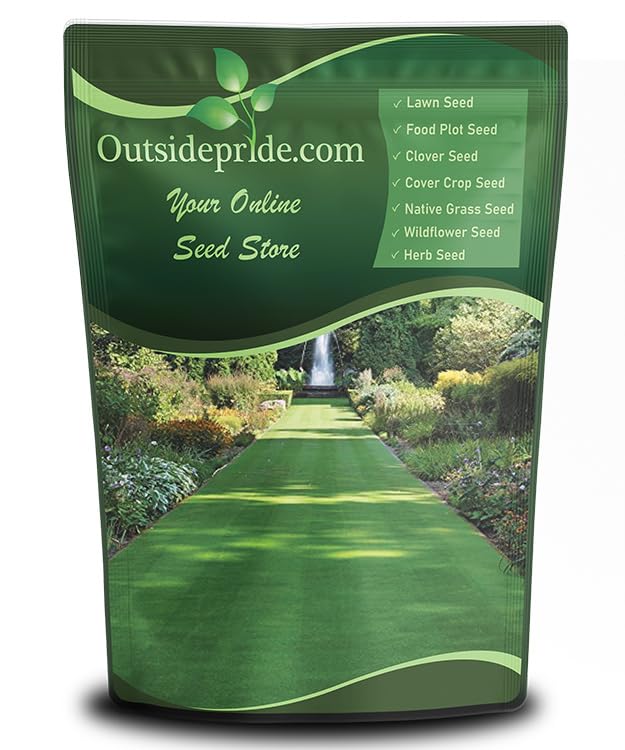
The Legacy Fine Fescue mix targets the most challenging dense-shade environments with a three-way genetic approach: 40% Creeping Red Fescue for aggressive tillering, 40% Chewings Fescue for upright fine texture, and 20% Hard Fescue for durability in poor soils — covering sun, partial shade, and full shade in one bag. The OptiGrowth Coating locks nutrients like zinc and phosphorus onto each seed, which speeds establishment in cool, moist soil under tree canopies.
Customer reports show visible germination within 1.5 to 2 weeks when seeded on compost-amended soil with consistent watering, producing a dense, dark green lawn that resists drought and heavy foot traffic once rooted. The 5-pound bag is ideal for overseeding an existing lawn or establishing a new shaded area, and the fine-bladed texture creates a lush visual even in spots that receive as little as 30 minutes of direct sun.
One reviewer noted that in less-scraped areas with natural shade, the grass was the thickest part of the entire lawn — an outcome that typical sun mixes cannot replicate. Thinner blades may lie down under heavy rain but the overall density recovers quickly without thinning.
Why it’s great
- Three different fine fescues cover the widest shade spectrum
- OptiGrowth Coating includes nutrients for fast germination
- Fine texture blends well with existing lawns
Good to know
- Requires daily watering ideally twice daily for first two weeks
- Some bags may take longer to germinate in cold soil below 40°F
2. Jonathan Green 40600 Dense Shade Grass Seed, 3 lb
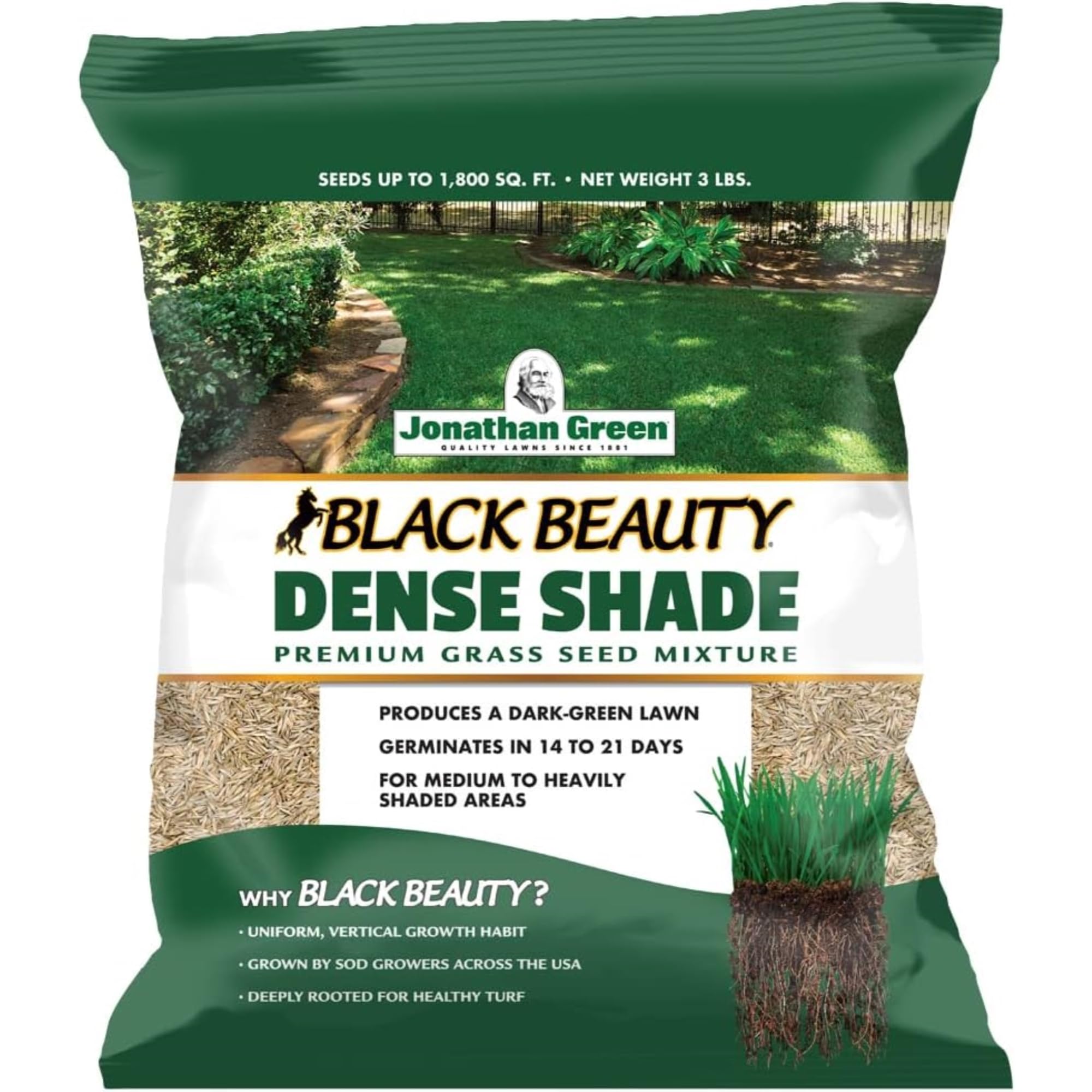
Jonathan Green’s Dense Shade mix is a pure 100% grass seed blend engineered specifically for areas receiving less than four hours of direct sunlight each day. The 3-pound bag covers up to 1,800 square feet — an impressive density-to-coverage ratio that makes it one of the most economical options for large, heavily shaded lawns. The seed is labeled as shade-resistant and is designed for spring and fall seeding windows.
Real-world feedback highlights germination as fast as three days in heavy shade, with the grass reaching 4 to 5 inches in height under mature tree cover. Users report that the color is a rich dark green despite minimal sunlight, though the leaves tend to grow tall and thin — a characteristic of fescue-based shade blends that helps them capture what little light filters through the canopy. The main downside is that fallen leaves can smother the grass if not raked regularly, killing sections of the lawn quickly in wet conditions.
Not every bag delivers perfect results. A small number of customers saw only 5–10% germination despite proper soil preparation, watering, and fertilization, suggesting occasional batch variability. Warm weather above the mid-80s can also cause dieback, particularly in zones where shade shifts throughout the day.
Why it’s great
- Germinates in as little as three days under ideal conditions
- 1,800 sq ft coverage from a 3 lb bag is very efficient
- 100% pure seed — no fillers or weed seeds
Good to know
- Can deteriorate in high heat above mid-80s°F
- Batch variability: some bags show poor germination
3. GreenView Pure Grass Seed Turf Type Tall Fescue Sun & Shade Blend

GreenView’s Tall Fescue blend is built for the gray transition zone where parts of the lawn get morning sun while others sit under deep shade. The 7-pound bag covers up to 1,750 square feet for overseeding, and the seed mix is 99.9% weed-free — a guarantee that saves you from pulling unwanted sprouts in the weak light of a shaded lawn. Turf-type tall fescue offers a medium-to-coarse blade texture that tolerates both heat and drought once deep roots establish.
Users in zone 8b reported 90% germination within 10 days when covered with peat moss or compost. The grass develops a rich dark green color that holds well through summer stress, and the heat resistance of tall fescue reduces brown patch risk in areas that get a few hours of hot afternoon sun. For shady sections, the blend still holds green, though the blade density is slightly less aggressive than a pure fine fescue mix.
Some customers described the growth as slow compared to premium seed — especially in the first two weeks — and a few noted that the 7-pound size is more suited to small patches than a full lawn overhaul. The warranty from Lebanon Seaboard Corporation backs the product with a money-back guarantee if you keep your proof of purchase.
Why it’s great
- Low weed content means less maintenance in shady patches
- Germinates reliably in 10–14 days with proper top dressing
- Heat and drought resistance for mixed sun/shade lawns
Good to know
- Growth can be slower than premium fine fescue blends
- Coarser texture may not match existing fine-bladed lawns
4. Pennington Smart Patch Dense Shade 10 lb

Pennington’s Smart Patch is a complete bare-spot repair system that combines Tall Fescue and American Ryegrass seed with a mulch layer, fertilizer, and a tackifier that prevents runoff on slopes. The 10-pound bag is heavy because the mulch accounts for most of the volume — the coverage is listed at 200 square feet, making it a precision repair tool rather than a lawn-wide seeding solution. The tackifier acts like a blanket, forming a protective crust that holds seed in place during rain events.
Customer reports from deep-shade backyards with virtually no sun show germination within one week and a mowable lawn established in a few weeks. The included microbials help prevent disease outbreaks that often occur in damp, low-light conditions. The mulch also changes to a lighter color when dry — a visual cue that takes the guesswork out of watering.
Packaging integrity is a weak point: some units arrived with broken seals, and one reviewer saw zero growth from compromised bags. The blend also contains ryegrass, which may need overseeding more frequently than pure fescue mixes in persistent shade.
Why it’s great
- Tackifier protects seed from washing out on slopes
- Moisture-indicator mulch simplifies watering schedule
- Fast germination — as little as one week in deep shade
Good to know
- Seals on bags can be damaged during shipping
- Ryegrass component may need more frequent reseeding
5. Eretz Creeping Red Fescue Seed, 3 lb
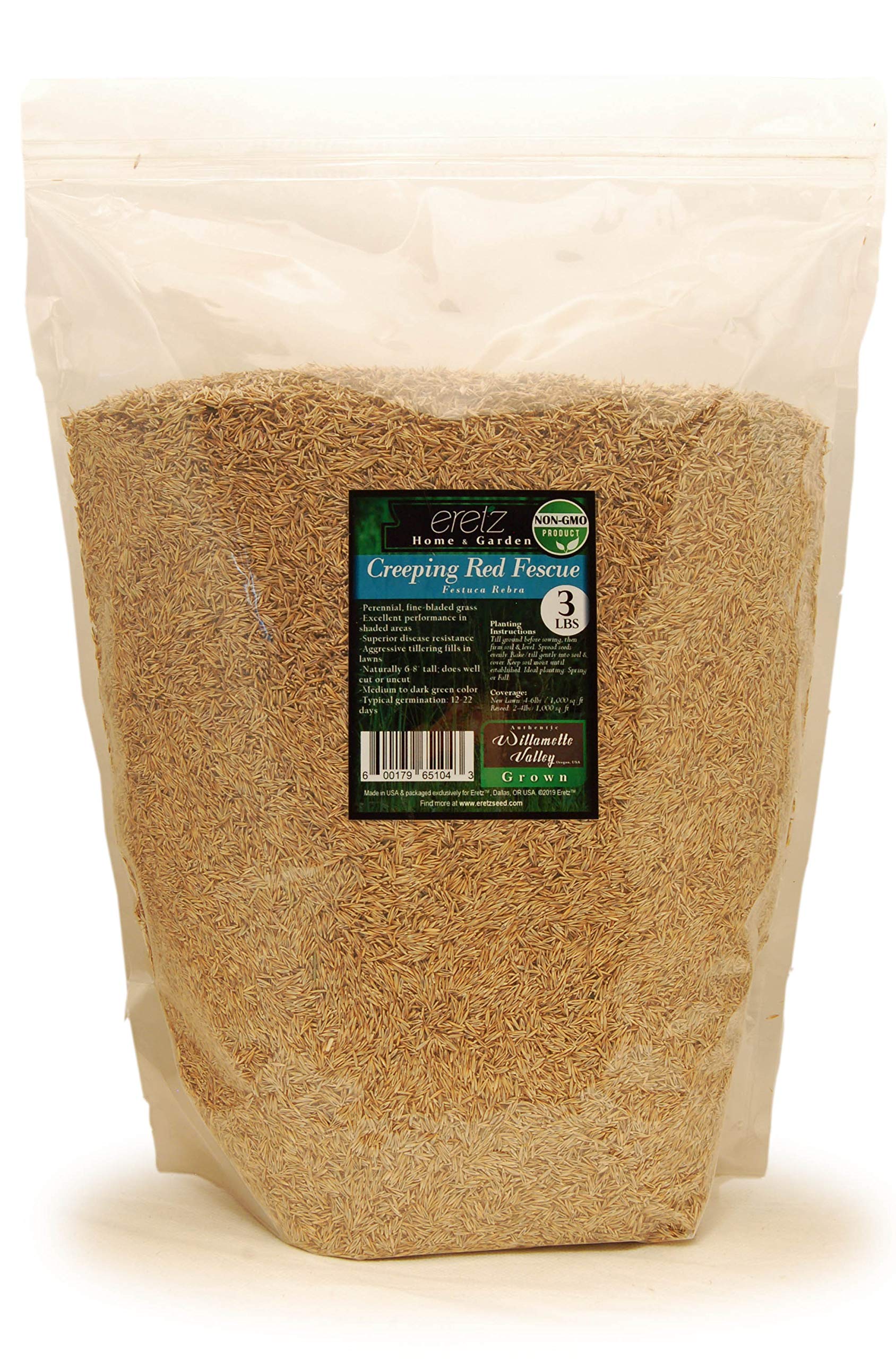
Eretz delivers a single-species Creeping Red Fescue grown in Oregon’s Willamette Valley — a region known for producing some of the highest-purity turf seed in North America. The 3-pound bag tests at 99.6% pure seed with just 0.4% inert matter and zero weed seeds or other crop seeds, making it an excellent choice for homeowners who want total control over what goes into their soil. Creeping Red Fescue is a perennial, fine-bladed grass that thrives in shaded areas and spreads through aggressive tillering rather than runners.
Users consistently praise its ability to stay green through winter in cold climates like Vermont, and its tolerance for low mowing makes it a natural fit for steep banks and erosion-prone slopes. Germination is slower than tall fescue — typically two to three weeks — and the grass naturally grows 6–8 inches tall if left uncut. The fine texture creates a soft, almost meadow-like appearance that pairs well with unmowed areas and naturalistic landscaping.
One drawback is that coverage may thin out in the first season if watering is inconsistent. A customer who spot-planted during a drought noted only 50% germination, but the grass that survived filled in well over time. The price per pound runs higher than bulk blends, but the purity and single-species consistency justify the cost for precision shade work.
Why it’s great
- Extremely high purity — 99.6% seed with no weed content
- Excellent winter color retention in cold climates
- Self-repairs bald spots through tillering
Good to know
- Slow to germinate; can take up to three weeks
- Needs consistent moisture — drought can cut germination in half
FAQ
How long does it take grass seed to germinate in dense shade?
Can I use tall fescue in full shade?
Should I aerate soil before seeding a shaded lawn?
Final Thoughts: The Verdict
For most users, the grass seed for dense shade winner is the Outsidepride Legacy Fine Fescue Mix because its three-way fescue composition and OptiGrowth Coating deliver reliable germination and dense growth in the darkest corners of the yard. If you want a pure single-species solution for erosion control and cold-weather color, grab the Eretz Creeping Red Fescue. And for quick bare-spot repair with built-in moisture indicators and tackifiers, nothing beats the Pennington Smart Patch Dense Shade.