
The challenge of keeping a lawn green in Utah’s high-altitude, semi-arid climate isn’t just about watering more—it’s about choosing the right genetic stock. Between alkaline soil, intense summer sun, frigid winters, and tight water restrictions, the wrong seed mix will leave you with brown patches and a high water bill. The solution starts with cool-season blends bred for deep root systems that can access moisture deep underground.
I’m Mohammad Maruf — the founder and writer behind Drink4Good. I’ve analyzed germination test data, pure seed percentages, and regional adaptation specs to understand which cool-season varieties actually thrive when planted in Utah’s unique growing zone.
Whether you’re overseeding a patchy lawn or starting fresh from bare soil, finding the best grass seed for utah lawns means matching the right fescue, rye, or bluegrass blend to your yard’s specific sun exposure and soil conditions.
How To Choose The Best Grass Seed For Utah Lawns
Utah’s growing environment is punishing for grass. Low humidity, intense UV radiation at altitude, alkaline soil pH levels often above 7.5, and seasonal drought mean that only specific cool-season grasses with deep root architectures will survive. Generic “sun and shade” mixes without a regional modifier often fail by their second summer.
Root Depth and Drought Resistance
For a Utah lawn, root depth is the single most important spec. Turf-type tall fescue roots can penetrate 2 to 4 feet deep, accessing moisture that evaporative sprinkler schedules leave behind in the top few inches. Perennial ryegrass and fine fescues have shallower but dense root systems that work well in partially shaded areas where evaporation is slower.
Weed Seed Content and Pure Seed Percentage
Utah’s weed pressure—especially from crabgrass and foxtail—means you need a seed mix with a tested weed seed content of 0.0% or the legal minimum. Look for bags that list “99.9% weed-free” or “no weed or other crop seeds” in the product description. Inert matter (chaff, stems) should be under 1% to ensure you’re paying for viable seed, not filler.
Sunlight Exposure and Microclimate
A south-facing slope in St. George receives more direct solar radiation than a north-facing lot in Park City. Blends that contain Kentucky bluegrass require full sun to thrive, while fine fescue varieties (creeping red, Chewings, hard fescue) handle partial to full shade. A blend that combines both—like a tall fescue / perennial rye / bluegrass mix—gives you the best chance across variable yard conditions.
Quick Comparison
On smaller screens, swipe sideways to see the full table.
| Model | Category | Best For | Key Spec | Amazon |
|---|---|---|---|---|
| Jonathan Green Black Beauty Rocky Mountain | Regional Blend | High-altitude, full sun lawns | Roots up to 4 feet deep | Amazon |
| Outsidepride Legacy Fine Fescue Mix | Shade Blend | Dense shade and low-traffic areas | OptiGrowth nutrient coating | Amazon |
| GreenView Turf Type Tall Fescue | Tall Fescue | Sun-to-shade transition zones | 99.9% weed-free guarantee | Amazon |
| GreenView Perennial Ryegrass | Rye Grass | Fast germination and overseeding | Germinates in 7-12 days | Amazon |
| Eretz Creeping Red Fescue | Fine Fescue | Shaded slopes and low-mow zones | 99.6% pure seed, 0% weed | Amazon |
| Scotts Turf Builder Sun and Shade | Sun/Shade Mix | General lawn repair and overseeding | Fertilizer + seed + soil improver | Amazon |
| Eretz Annual Ryegrass | Annual Rye | Erosion control and quick cover | Fast germination for winter color | Amazon |
In‑Depth Reviews
1. Jonathan Green Black Beauty Rocky Mountain Colorado Grass Seed

This is the only blend in our lineup specifically engineered for the Rocky Mountain region—Colorado, Montana, Wyoming, and Utah. It combines Black Beauty turf-type tall fescue, Blue Panther Kentucky bluegrass, and elite perennial ryegrass into a single mix that delivers root depth up to four feet, which is critical for accessing deep soil moisture during Utah’s dry summer months. The waxy leaf coating on the tall fescue component reduces water loss through transpiration, meaning your lawn stays greener with less frequent irrigation.
Users at 8,000 feet report successful germination and steady growth, which confirms the blend’s adaptation to high-altitude UV exposure and colder soil temperatures. The bluegrass component provides that dark-green color Utah homeowners want, while the perennial rye fills in fast between the slower-establishing fescues. The 7-pound bag covers up to 3,500 square feet for overseeding, making it cost-effective for larger lots.
One consideration: the Kentucky bluegrass in this mix needs full sun to thrive—if your yard has heavy shade from mature trees, you may see thinner coverage in those pockets. For pure sun or partial-shade lawns, this is the most region-specific and scientifically formulated option available.
Why it’s great
- Formulated specifically for high-altitude, semi-arid climates like Utah
- Four-foot root system improves drought survival
- Uniform growth habit without clumping
Good to know
- Bluegrass requires full sun for best results
- Premium price point but justified by regional testing
2. Outsidepride Legacy Fine Fescue Grass Seed Mix
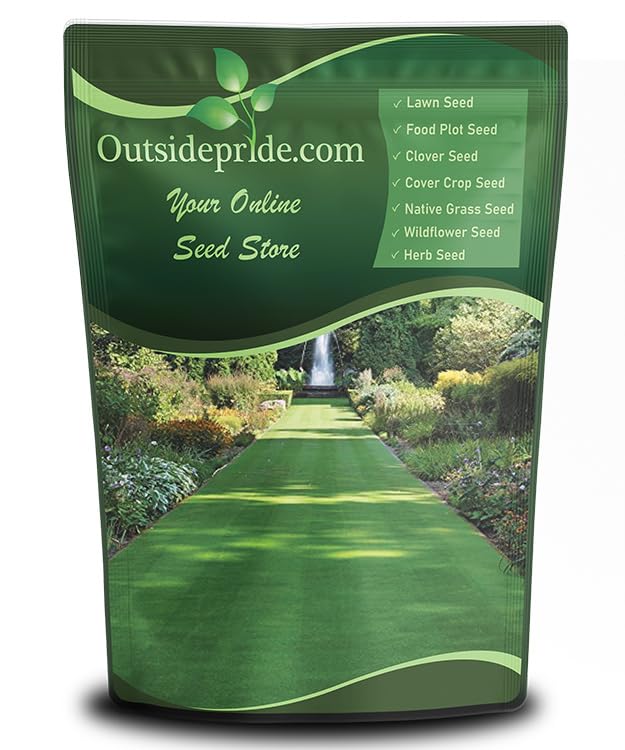
This blend is a three-way combination of hard fescue (20%), Chewings fescue (40%), and creeping red fescue (40%)—all fine-bladed, shade-tolerant grasses that thrive where tall fescue and bluegrass struggle. The OptiGrowth coating infuses each seed with zinc, phosphorus, nitrogen, and Elko kelp, which gives the seedlings a nutrient boost during the critical first weeks of establishment. For Utah yards with deep shade from cottonwoods or maples, this mix outperforms standard sun blends.
The fine-textured blades create a dense, carpet-like appearance that doesn’t require frequent mowing—fine fescues naturally stay shorter than tall fescue, which is a real advantage for homeowners who prefer a lower-maintenance look. The coating also improves seed-to-soil contact on Utah’s compacted alkaline soils, where uncoated seeds sometimes fail to germinate. Users report visible growth within 10 to 14 days under consistent moisture.
The main downside is that fine fescue cannot handle heavy foot traffic or high-traffic play areas. It shears easily and won’t self-repair as aggressively as tall fescue or perennial rye. Use this for ornamental areas, shaded side yards, or low-traffic zones where you want a lush green floor without the watering demands of bluegrass.
Why it’s great
- Excellent shade tolerance for Utah’s tree-heavy properties
- Nutrient coating aids germination in poor soil
- Low mowing requirement compared to tall fescue
Good to know
- Not suitable for high-traffic lawns
- Slow to fill in bare spots without overseeing
3. GreenView Pure Grass Seed Turf Type Tall Fescue Sun & Shade Blend

GreenView’s tall fescue blend is certified 99.9% weed-free—a critical spec for Utah homeowners who don’t want to introduce foxtail or crabgrass into their lawns. The turf-type tall fescue varieties in this bag are bred for both sun and partial shade, with germination occurring in 10 to 14 days under ideal conditions. Once established, the deep root system provides genuine drought and heat resistance, which is exactly what Utah’s July oven demands.
At 7 pounds, this bag covers 875 square feet for new lawns or 1,750 square feet for overseeding. Users consistently note the dark green color and the lack of weed contamination, which saves hours of manual weeding in subsequent seasons. The medium-to-coarse texture is slightly thicker than fine fescue but still looks refined when mowed at three inches.
The trade-off: tall fescue can develop a clumpy appearance if not overseeded annually, and it demands sharper mower blades to avoid tearing the coarse leaf blades. For a mid-range price, this is the best ratio of coverage area to pure seed quality for Utah’s transitional sun-shade zones.
Why it’s great
- 99.9% weed-free certification
- Drought and heat resistant once established
- Versatile across sun and partial shade
Good to know
- Coarser texture than fine fescue blends
- Needs annual overseeding to prevent clumping
4. GreenView Pure Grass Seed Perennial Ryegrass Blend

If you need fast results—green coverage within 7 to 12 days—perennial ryegrass is your answer. This GreenView blend is 99.9% weed-free and uses a curated mix of ryegrass varieties that germinate faster than tall fescue or bluegrass. For Utah homeowners who want to overseed bare patches in spring before the summer heat arrives, this is the quickest way to establish a green blanket on the soil.
The coverage is generous: 1,750 square feet for new lawns and 3,500 square feet for overseeding from a single 7-pound bag. The medium-to-fine texture results in a softer feel underfoot compared to tall fescue, making it a good choice for lawns where kids and pets play. Users report outperforming other major brand seeds in side-by-side trials, especially in terms of speed and uniformity.
Ryegrass is less drought-tolerant than tall fescue, so it will require consistent watering during Utah’s dry spells. It also struggles in deep shade—stick to areas that receive at least four hours of direct sun. For sun-drenched sections of your yard where you want a quick green fix, this is a top performer.
Why it’s great
- Fastest germination in this lineup (7-12 days)
- Large coverage area per bag
- Medium-fine texture is soft on bare feet
Good to know
- Lower drought resistance than tall fescue
- Needs regular watering in dry conditions
5. Eretz Creeping Red Fescue Seed
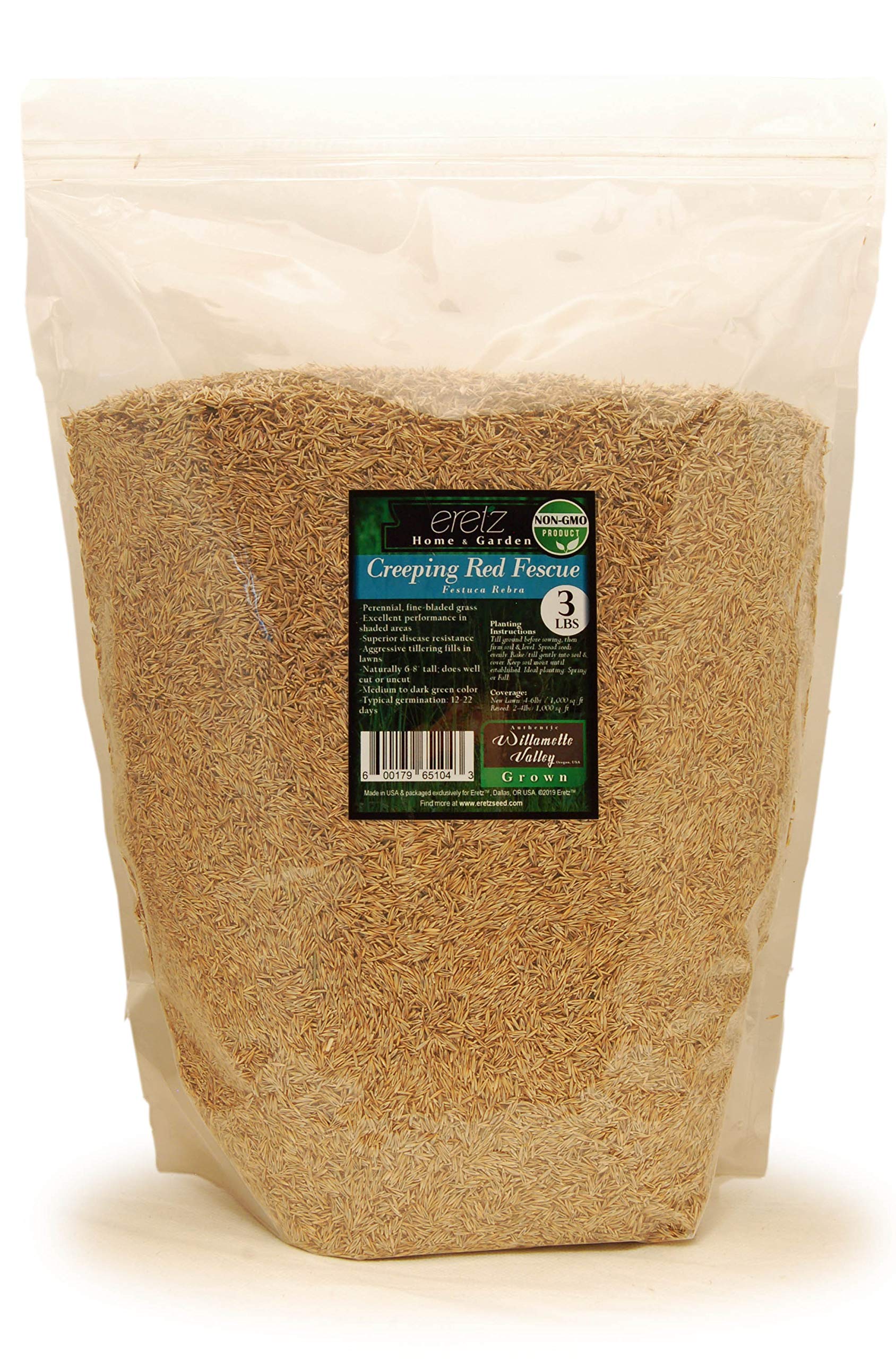
Creeping red fescue is a perennial, fine-bladed grass that excels in shaded areas where other cool-season grasses thin out. Eretz’s version is Oregon-grown in the Willamette Valley, with a pure seed content of 99.6% and zero weed or crop seeds. This matters in Utah because a single weed seed can colonize an entire shaded bed within a season. The natural height of 6 to 8 inches makes it an ideal choice for slopes you don’t want to mow frequently.
The aggressive tillering habit means it spreads to fill bare spots on its own, which reduces the need for annual reseeding in shaded zones. Users in cold climates report that it stays green through winter, providing year-round color under deciduous trees. The fine blade texture also creates a soft, almost moss-like appearance that is visually distinct from coarser tall fescue lawns.
This seed germinates slowly—often 2 to 3 weeks—so you need patience and consistent moisture during the establishment phase. Use it exclusively for partial to full shade zones.
Why it’s great
- Superior shade performance for tree-covered yards
- Self-repairs through tillering
- Zero weed seeds in the mix
Good to know
- Very slow germination (2+ weeks)
- Heavy sun will scorch the fine blades
6. Scotts Turf Builder Grass Seed Sun and Shade Mix

Scotts’ Sun and Shade Mix combines grass seed, lawn fertilizer, and a soil improver in one bag—a convenience feature for homeowners who don’t want to buy separate products. The Root-Building Nutrition coating helps seedlings develop deeper roots than uncoated seed, which is beneficial for Utah’s compacted clay soils. The mix is designed for full sun and moderate shade, with medium drought resistance once established.
The 5.6-pound bag covers 745 square feet for new lawns or 2,240 square feet for overseeding. Users report visible germination around day 10 with twice-daily watering, which is consistent with Scotts’ advertised timeline. The built-in fertilizer means you don’t need a starter fertilizer application, simplifying the seeding process for beginners.
Some users have noted that recent batches produced more crabgrass and weeds than previous versions, possibly due to changes in the coating material. If you have a history of heavy weed pressure, you may want to pair this with a pre-emergent. The slower growth rate compared to pure perennial ryegrass blends is also worth noting if you need fast results.
Why it’s great
- All-in-one seed, fertilizer, and soil improver
- Root-building coating supports deeper establishment
- Widely available and easy to apply
Good to know
- Some batches have weed seed contamination issues
- Slower growth than pure ryegrass blends
7. Eretz Annual Ryegrass Seed

This is an annual ryegrass, not a perennial variety, which means it will complete its life cycle in one growing season. It is best suited for temporary cover, erosion control on disturbed soil, or as a winter lawn that dies back when summer heat arrives. The Eretz version is Oregon-grown and certified organic, with no fillers or weed seeds—a refreshing level of purity for an entry-level product.
Germination is extremely fast, often visible within 5 to 7 days, which makes it useful for stabilizing soil on slopes during Utah’s spring runoff season. Users with poor soil report that it sprouts quickly even with minimal watering, and the lush green color is surprisingly vibrant for an annual. It can be mixed with clovers or other crops for a diverse ground cover.
The main limitation is that annual ryegrass dies after one season, so you’ll need to reseed every year. It also does not tolerate full summer heat well—expect it to brown out by July in most Utah zones. Treat this as a quick-fix or seasonal cover, not a permanent lawn solution.
Why it’s great
- Ultra-fast germination for quick soil coverage
- Organic and weed-free certification
- Excellent for erosion control in spring
Good to know
- Annual grass that dies after one season
- Not heat-tolerant; browns in summer
FAQ
What is the best grass seed type for Utah’s high-altitude climate?
When is the best time to plant grass seed in Utah?
How many times per week should I water new grass seed in Utah?
What does 99.9% weed-free mean for grass seed labeling?
Final Thoughts: The Verdict
For most users, the best grass seed for utah lawns winner is the Jonathan Green Black Beauty Rocky Mountain because it is the only blend in this lineup that is genetically tailored to the high-altitude, semi-arid conditions of Utah and the surrounding Rocky Mountain states. If you want a fast green cover for sunny areas in a hurry, grab the GreenView Perennial Ryegrass for its 7- to 12-day germination. And for deep shade beneath Utah’s mature trees, nothing beats the Eretz Creeping Red Fescue for self-repairing, low-mow coverage.