
Nothing ruins a batch of fried fish faster than oil that burns before the crust sets, leaving you with a scorched, bitter fillet instead of a golden, flaky masterpiece. The smoke point and flavor profile of your cooking fat determine whether that catfish, cod, or tilapia emerges crisp and clean or greasy and heavy. Choosing the wrong oil means either a burnt exterior and raw interior, or a flavor that competes with — and masks — the delicate taste of the fish itself.
I’m Mohammad Maruf — the founder and writer behind Drink4Good. I’ve spent countless hours analyzing the thermal stability, fatty acid composition, and flavor transfer properties of cooking oils to understand exactly what makes one fat outperform another when submerged at high heat.
After sorting through dozens of options by smoke point, neutrality, and practical fry-volume, these five oils stood out. This guide breaks down the top contenders to help you land on the ideal grease for frying fish without the guesswork or a wasted batch.
How To Choose The Best Grease For Frying Fish
Picking the right oil for fried fish comes down to three distinct factors: thermal endurance, taste interference, and practical quantity. The wrong pick can turn your kitchen into a smoke-filled room and leave your fillets with an off-putting aftertaste.
Prioritize a High Smoke Point
Fish fries typically run between 350°F and 375°F. An oil that starts breaking down below 400°F will smoke during cooking, releasing bitter compounds and potentially ruining the crust. Oils with a smoke point of at least 400°F — ideally 450°F or higher — give you the safety margin needed to maintain consistent heat without burning the oil itself.
Go Neutral for Unmasked Fish Flavor
Bold oils like extra virgin olive oil or unrefined coconut oil impose their own taste onto the fillet. For a pure fish flavor where the seasoning and natural sweetness of the meat remain the stars, a neutral-tasting oil is critical. Safflower, canola, refined avocado, and refined olive oil all offer a clean canvas.
Match Volume to Your Fryer or Pot Size
Deep frying requires enough oil to completely submerge the fillets. A single large bottle or a multi-pack ensures you aren’t caught short mid-cook. Larger containers also offer better per-ounce value, but you also want a bottle that pours cleanly without dripping down the side.
Quick Comparison
On smaller screens, swipe sideways to see the full table.
| Model | Category | Best For | Key Spec | Amazon |
|---|---|---|---|---|
| Zatural Avocado Oil | Premium | Ultra-high-heat frying | 500°F+ Smoke Point | Amazon |
| Spectrum Safflower Oil | Mid-Range | Neutral flavor, organic | USDA Organic, 32 oz | Amazon |
| Bertolli Cooking Olive Oil | Mid-Range | High-heat with mild olive notes | 392°F Smoke Point | Amazon |
| Amazon Grocery Canola Oil | Budget | Everyday deep frying | 144 fl oz total (3-pack) | Amazon |
| Crisco Pure Canola Oil | Value | Large-batch frying | 256 fl oz total (2-pack) | Amazon |
In‑Depth Reviews
1. Zatural 100% Pure Cold Pressed Avocado Oil
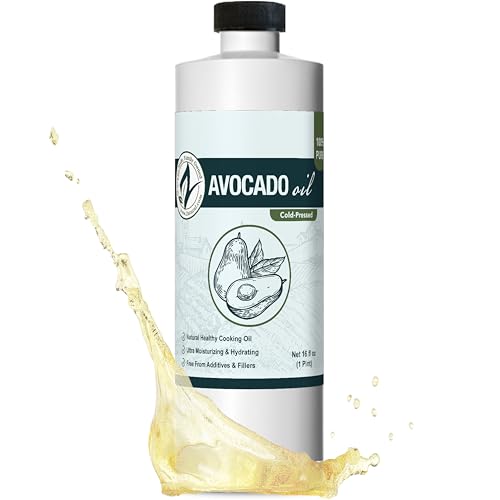
With a smoke point that pushes past 500°F, Zatural’s refined avocado oil gives you an enormous buffer against scorching during deep frying. The cold-pressed extraction followed by a light refinement removes impurities while preserving a clean, almost buttery finish that never overshadows the delicate taste of cod or haddock.
Reviewers consistently note that this oil handles high-temperature frying without any off-flavors or excessive greasiness. The 16-ounce bottle is smaller than the bulk options, but the neutral profile and high thermal stability make it the single best pick for a small batch of perfectly fried fillets where flavor purity is non-negotiable.
The BPA-free bottle with an easy-pour handle helps control the pour, reducing mess around the fry station. While the 16 oz size demands more frequent restocking for heavy fry cooks, the sheer performance margin this oil provides justifies its premium slot.
Why it’s great
- Exceptionally high 500°F+ smoke point prevents burning
- Neutral flavor lets the natural fish taste shine through
- Cold-pressed and refined with no additives or solvents
Good to know
- Smaller 16 oz bottle requires more frequent repurchase for heavy use
- Refined process reduces some nutrients compared to unrefined versions
2. Spectrum High Heat Safflower Oil
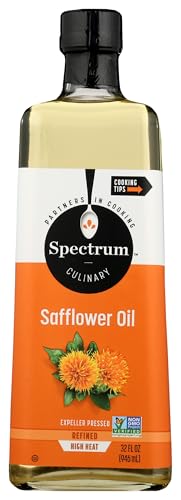
Spectrum’s high-heat safflower oil earns its spot with a subtle taste and a smoke point well above 400°F, making it a reliable candidate for fish frying without the organic premium feeling wasteful. The oil is USDA certified organic, Non-GMO, and kosher — credentials that matter if clean-label sourcing is a priority in your kitchen.
Users report that it doesn’t start smoking during frying and leaves food tasting clean rather than greasy. The glass bottle is a meaningful upgrade over plastic containers, as it eliminates any risk of plastic leaching at high temperatures and feels sturdier in hand during a busy cook.
The 32-ounce size works well for several frying sessions, though some reviewers wish it came in larger volumes. The neutral flavor profile means your fish seasoning — whether Old Bay, cornmeal crust, or just salt and pepper — remains the dominant note on the plate.
Why it’s great
- Light, neutral taste won’t overpower the fish
- USDA organic and Non-GMO certified
- Glass container is safer for high-heat storage
Good to know
- Hard to find in sizes larger than 32 oz
- Safflower can be pricier per ounce than commodity canola
3. Crisco Pure Canola Oil, 1 Gallon (Pack of 2)
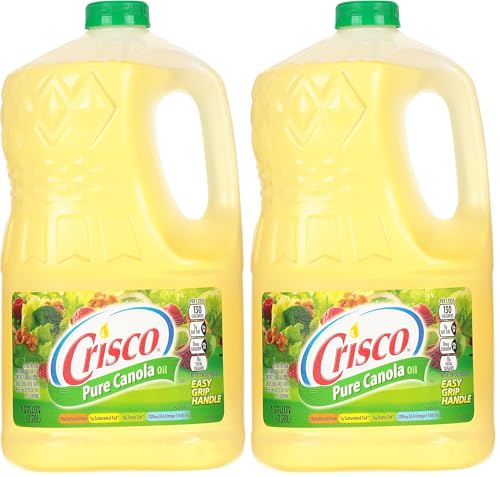
When you’re frying for a crowd — think fish fry gatherings or weekly meal prep — the sheer volume of Crisco’s two-gallon pack eliminates any worry about running dry mid-batch. Canola oil offers a high smoke point suitable for deep frying and a completely neutral taste that critics describe as not changing the true taste of the food.
Reviewers highlight that the bottles arrive without leakage and that the price undercuts what you’d typically pay at the grocery store for the same brand name. The flavorless, light texture pairs well with battered cod or catfish, delivering a crisp crust without any oily residue.
The 1-gallon bottles are easy to handle and pour, though you’ll need adequate storage space. At 14g of total fat per serving and zero trans fat, it aligns with standard dietary preferences without sacrificing frying performance.
Why it’s great
- Massive 256 fl oz total volume for heavy frying sessions
- Fully neutral flavor keeps fish taste clean
- Excellent value per ounce compared to store brands
Good to know
- Large bottles require significant pantry or cabinet space
- Canola is a seed oil, which some cooks prefer to avoid
4. Amazon Grocery Canola Oil, 48 Fl Oz (Pack of 3)
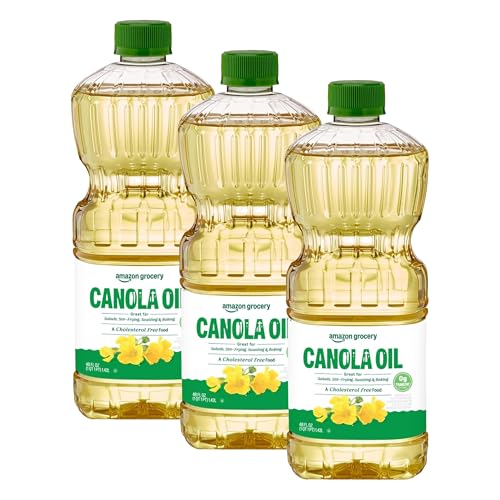
Amazon’s own canola oil delivers exactly what a fish fry demands: a neutral-tasting oil that withstands high heat without imparting off-flavors. The three-pack of 48-ounce bottles gives you 144 total ounces, which is enough for multiple frying sessions or for keeping your deep fryer topped off without repeated trips to the store.
Reviewers consistently mention the oil’s versatility for high-heat sautéing and deep frying, along with a price point that beats many national brands. The 0g trans fat and cholesterol-free nutritional profile makes it an easy everyday staple for home cooks focused on value.
Each bottle pours cleanly, and the packaging is designed for stackable storage. While canola oil doesn’t offer the same prestige as avocado or organic safflower, its thermal performance and budget-friendly cost make it a workhorse choice for frying fish on a regular basis.
Why it’s great
- Great value for the total volume of 144 oz
- Neutral taste works well with all fish types
- 0g trans fat and cholesterol free
Good to know
- Canola is a commodity oil, not suitable for cold dressings
- Best for high-volume frying; no premium health halo
5. Bertolli Cooking Olive Oil, High Smoke Point

Bertolli’s cooking olive oil is specifically formulated for high-temperature frying, with a 392°F smoke point that clears the typical fish frying range. The mild flavor profile respects the natural taste of each ingredient — a key advantage over robust extra virgin varieties that would otherwise dominate a delicate fillet.
Reviewers praise its stability under high heat for frying and roasting, and the 32-ounce bottle lasts through several cooking sessions. Some users note that the cap could be designed for easier pouring, but the consistent performance and Bertolli’s 160-year olive oil heritage add confidence.
If you want the heart-healthy reputation of olive oil in a deep frying context without the strong grassy notes, this refined version hits the sweet spot. It’s not quite as heat-tolerant as avocado oil, but for fish fried at 365°F, it delivers reliable results with a subtle olive background that some cooks actually prefer.
Why it’s great
- Mild olive flavor enhances rather than masks fish
- 392°F smoke point is safe for standard fish frying temperatures
- Non-GMO certified with a trusted brand name
Good to know
- Smoke point is lower than avocado or safflower options
- Bottle cap design can make pouring a bit messy
FAQ
What smoke point do I actually need for frying fish?
Can I reuse grease after frying fish?
Should I avoid olive oil for frying fish?
Final Thoughts: The Verdict
For most users, the grease for frying fish winner is the Zatural Avocado Oil because its 500°F+ smoke point and neutral flavor leave you with a perfectly crisp crust and zero burnt off-notes. If you want a budget-friendly bulk option for weekly fish fries, grab the Crisco Pure Canola Oil two-gallon pack. And for those who prefer an ultra-clean, organic fry and a glass bottle, nothing beats the Spectrum High Heat Safflower Oil.