
A griddle cooks at extreme heat. You need an oil that polymerizes into a hard, nonstick layer — not a greasy film that smokes up your patio or turns sticky after a week. The wrong oil flakes off, rusts bare metal, and ruins your seasoning investment.
I’m Mohammad Maruf — the founder and writer behind Drink4Good. I analyze smoke points, polymerization rates, and NSF certifications to separate griddle-ready oils from ones best left on the shelf.
After researching the market, these five picks deliver the most reliable results for flat-top cooking. Read on to find the right griddle oil for your cookware and cooking style.
How To Choose The Best Griddle Oil
Griddle oil is not a one-size-fits-all consumable. The right choice depends on your cookware material, cooking temperature, and how often you re-season. Focus on these three factors to avoid wasted money and ruined seasoning.
Smoke Point: The 450°F Threshold
A griddle surface runs between 350°F and 500°F depending on what you cook. Oils with smoke points below 450°F burn off before they can polymerize, leaving sticky residue or bare metal. Look for oils rated at 450°F or higher — safflower, avocado, and certain sunflower blends hit this mark. Low-smoke oils like olive or coconut require constant reapplication and risk rancid buildup.
Polymerization vs. Greasy Film
Seasoning happens when oil molecules bond to the metal surface under heat — a process called polymerization. Oils with high linoleic acid content (safflower, sunflower) form harder, more durable layers. Saturated fats like bacon grease or lard leave a soft film that flakes off after a few cooks. A proper griddle oil should create a glassy black finish, not a tacky coating.
Quick Comparison
On smaller screens, swipe sideways to see the full table.
| Model | Category | Best For | Key Spec | Amazon |
|---|---|---|---|---|
| Walrus Oil | Safflower | Restoring old cast iron | NSF Certified, smoke point 450-500°F | Amazon |
| Heritage Products | Avocado Blend | Low-smoke daily maintenance | 8 oz, non-rancid formula | Amazon |
| Crisbee Cream Iron | Sunflower + Beeswax | Even coverage on smooth pans | 6 oz, non-GMO sunflower oil | Amazon |
| Zatural Avocado Oil | Refined Avocado | High-heat searing and frying | 16 oz, smoke point 500°F+ | Amazon |
| Blackstone 2-in-1 | Seasoning Rub | Rust removal + seasoning in one step | 6.5 oz, food safe paste | Amazon |
In‑Depth Reviews
1. Walrus Oil Cast Iron Oil

Walrus Oil uses 100% natural safflower oil with a smoke point between 450 and 500°F — exactly the range needed to polymerize on a hot griddle without burning off. The 8-ounce bottle covers multiple seasoning rounds, and the NSF certification confirms the oil is safe for direct food contact, which matters for flat-top cooking where residual oil touches every batch of food.
Customer feedback shows strong results on rusted cast iron. One user restored an old rusty frying pan to pristine condition using the manufacturer’s directions. Another repeat buyer reports zero smoke during seasoning, which makes indoor griddle maintenance practical. The low odor formula keeps the kitchen from smelling like a deep fryer.
The bottle design has one gripe: the wide cap can spill if tipped over. Users recommend decanting into a precision dropper for controlled application. Despite that packaging quirk, the oil’s polymerization performance and safety certification make it the most reliable all-around option for griddle seasoning and daily maintenance.
Why it’s great
- NSF certified for food-contact safety
- High smoke point prevents smoking during seasoning
- 100% natural and vegan, no additives
Good to know
- Bottle cap design can cause spills
- 8 oz size may require reordering for heavy users
2. Heritage Products Cast Iron Seasoning Oil

Heritage Products blends avocado oil with plant-based ingredients to create a low-smoke seasoning conditioner that polymerizes without the rancid smell that animal fats develop over time. The 8-ounce bottle uses a solvent-less formula that cleans and deodorizes cast iron between uses without stripping the existing seasoning layer — a key advantage for griddle owners who cook daily.
Real-world reviews show the oil performed exceptionally well on a Blackstone griddle that had rusted after a flood. One user cleaned off the rust and applied Heritage Products, reporting the seasoning came back strong. Other reviewers note the oil leaves no sticky residue and keeps cookware smelling fresh even after storing for weeks.
The plant-based formula works for vegans and vegetarians who avoid lard or bacon grease. It’s compatible with Blackstone griddles, Dutch ovens, and standard cast iron skillets. For griddle owners who want a mild, non-rancid oil that maintains the black patina without harsh chemicals, this is a solid mid-range pick.
Why it’s great
- Solvent-less formula won’t strip existing seasoning
- Non-rancid, stays fresh longer than animal fats
- Plant-based and vegan friendly
Good to know
- Not NSF certified for food contact
- Avocado blend may polymerize slower than pure safflower
3. Crisbee Cream Iron Seasoning

Crisbee Cream uses non-GMO sunflower oil blended with beeswax to create a semi-solid rub that spreads evenly on both cold and warm cast iron. The beeswax helps the oil cling to vertical surfaces on griddles, reducing drips and ensuring full coverage. The 6-ounce container is smaller than liquid bottles, but the concentrated formula requires less product per application.
Customer reviews highlight the cream’s ability to fix seasoning problems that liquid oils couldn’t solve. One user struggled with sticky spots and flaking seasoning for a decade before switching to Crisbee Cream; after a few oven rounds, the pans were perfectly seasoned. Another reviewer restored a vintage Griswold skillet with visible improvements after just one coat.
The cream format is more convenient for controlled application than liquid oils, though some users note it adheres less evenly if the pan is cold. The brand is family-owned and made in the USA. For griddle owners who value even coverage and want a reliable post-cook maintenance product, Crisbee Cream delivers consistent results without breaking the budget.
Why it’s great
- Semi-solid rub reduces drips on vertical surfaces
- Non-GMO sunflower oil polymerizes into hard layer
- Beeswax helps prevent rust between uses
Good to know
- Requires warm pan for even application
- Smaller size per container than liquid options
4. Zatural 100% Pure Cold Pressed Avocado Oil
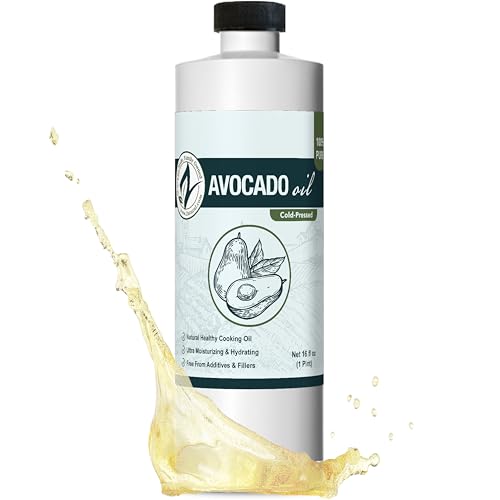
Zatural’s refined avocado oil reaches a smoke point of over 500°F, making it one of the highest-heat options available for griddle seasoning and cooking. The 16-ounce bottle delivers twice the volume of most dedicated seasoning oils, which matters for heavy users who season large flat tops frequently. The cold-pressed, refined process removes impurities without stripping the beneficial fatty acids needed for polymerization.
Users report excellent results for deep frying, searing steaks, and stir-frying on griddles. One reviewer uses it for popcorn and frying, praising the clean smell and neutral taste. Another repeat customer confirms consistent quality across multiple orders. The neutral flavor means it won’t transfer unwanted tastes to delicate foods like eggs or pancakes.
The oil is triple-filtered and BPA-free, though it is not specifically marketed as a dedicated seasoning oil. It works best when used for both cooking and seasoning — applying a thin layer after cleaning maintains the nonstick surface. For budget-conscious griddle owners who want a dual-purpose oil that handles extreme heat, Zatural provides premium specs at a mid-range price.
Why it’s great
- Ultra-high smoke point handles griddle heat without burning
- 16 oz bottle offers best volume for frequent seasoning
- Neutral flavor won’t affect food taste
Good to know
- Not specifically formulated for seasoning (no additives)
- Liquid format can drip or run off vertical surfaces
5. Blackstone 2-in-1 Griddle Seasoning Conditioner

Blackstone’s 2-in-1 seasoning conditioner combines rust removal and seasoning application into a single step. The paste-like rub uses natural ingredients that are food safe and free from harmful chemicals, and it’s designed specifically for Blackstone griddles as well as other cast iron cookware. The 6.5-ounce container is small but the thick consistency means you use less per application than liquid oils.
Customer feedback emphasizes the ease of use — one user calls it the only product they’ll use for seasoning their griddle and cast iron. Another reviewer notes the solid formula doesn’t spread as fast as oil, which actually makes it easier to coat the grill evenly without pooling in corners. The included bottle opener bonus adds a small but appreciated touch for griddle enthusiasts.
A few users feel the product is slightly overpriced compared to liquid alternatives. The 2-in-1 function saves time on griddle restoration projects, but for regular maintenance, a standard high-smoke-point oil may be more cost-effective. For griddle owners dealing with rust spots or tough oil stains, this rub simplifies the restoration process into one quick application.
Why it’s great
- Removes rust and seasons in one application
- Paste consistency prevents drips and pooling
- Food safe and natural ingredients
Good to know
- Higher cost per ounce than liquid oils
- Best for restoration, less practical for daily maintenance
FAQ
Can I use olive oil to season my griddle?
How often should I reapply seasoning oil?
Final Thoughts: The Verdict
For most users, the griddle oil winner is the Walrus Oil Cast Iron Oil because its NSF certification, 450–500°F smoke point, and pure safflower composition deliver reliable polymerization without smoke or rancidity. If you want low-smoke daily maintenance with a non-rancid avocado blend, grab the Heritage Products Cast Iron Seasoning Oil. And for high-heat searing sessions where you need a dual-purpose cooking and seasoning oil, nothing beats the Zatural Avocado Oil with its 500°F+ smoke point and generous 16-ounce bottle.