
A guitar amp is only as good as the mic in front of it. The wrong choice can turn a cranked tube amp into a thin, boxy mess — robbing your tone of its body and attack. Finding a mic that captures the full harmonic spectrum of your rig without adding its own color is the critical first step in any recording or live-sound chain.
I’m Mohammad Maruf — the founder and writer behind Drink4Good. Over the past decade, I’ve analyzed the frequency response curves, SPL handling, and polar patterns of over 200 microphones, comparing how each one translates the transient snap of a flatpicked acoustic or the low-end punch of a 4×12 cabinet.
This guide breaks down the top contenders across every budget tier, helping you match polar pattern and capsule type to your specific setup. Whether you are tracking a pristine fingerstyle part or miking a roaring half-stack, the best guitar mic depends on understanding how these specs interact with your amp and room.
How To Choose The Best Guitar Mic
Selecting a guitar mic is not about brand loyalty — it is about matching capsule construction and pickup pattern to your specific source: a fingerpicked acoustic, a high-gain metal amp, or a clean Fender combo. The wrong decision introduces phase issues, excessive bleed, or a response that dulls the instrument’s natural transient. Three factors separate the contenders from the also-rans.
Dynamic vs Condenser: Which Capsule Fits Your Source
Dynamic mics (like the classic moving-coil designs) handle extreme SPL without distortion and reject ambient room noise, making them the standard for close-miking loud guitar cabinets. Condenser mics, by contrast, use a charged diaphragm that delivers far greater transient detail and a wider frequency response — ideal for acoustic guitar where you want the shimmer of the strings and the body resonance. A condenser requires phantom power; a dynamic does not.
Polar Pattern and Off-Axis Rejection
Cardioid patterns pick up sound primarily from the front, rejecting noise from the rear. This is the baseline for any guitar mic. Super-cardioid (tighter rear rejection but a small rear lobe) is better for isolating a single cabinet on a crowded stage. For stereo recording of acoustic guitars, a pair of small-diaphragm cardioid condensers in an X-Y configuration delivers phase-coherent width without hole-punch artifacts.
Frequency Response and the Presence Region
A flat frequency response is desirable for acoustic work because it captures the instrument uncolored. For electric guitar, a slight bump in the presence region (3–6 kHz) helps the amp cut through a dense mix without adding harshness. Mics with an adjustable low-cut filter give you control over proximity effect, reducing low-end boom when working close to the grille cloth or soundhole.
Quick Comparison
On smaller screens, swipe sideways to see the full table.
| Model | Category | Best For | Key Spec | Amazon |
|---|---|---|---|---|
| AKG P220 | Large Diaphragm Condenser | Studio acoustic & vocal | 20 Hz – 20 kHz frequency range | Amazon |
| AKG P170 | Small Diaphragm Condenser | Acoustic guitar & overheads | 20 – 20000 Hz bandwidth | Amazon |
| Sennheiser e 609 | Super-Cardioid Dynamic | Live amp cabinet | 40 – 18000 Hz frequency response | Amazon |
| SE ELECTRONICS X1 A | Large Diaphragm Condenser | Budget home studio | Max 150 dB SPL handling | Amazon |
| AUDIX i5 | Dynamic Instrument | Snare & guitar amp | 50 Hz – 16 kHz range | Amazon |
| Sennheiser e 906 | Supercardioid Dynamic | Live & studio amp | Switchable presence settings | Amazon |
| Shure SM81-LC | Small Diaphragm Condenser | Acoustic guitar & overheads | Flat 20–20000 Hz response | Amazon |
In‑Depth Reviews
1. AKG P220 Perception 220 Professional Studio Microphone
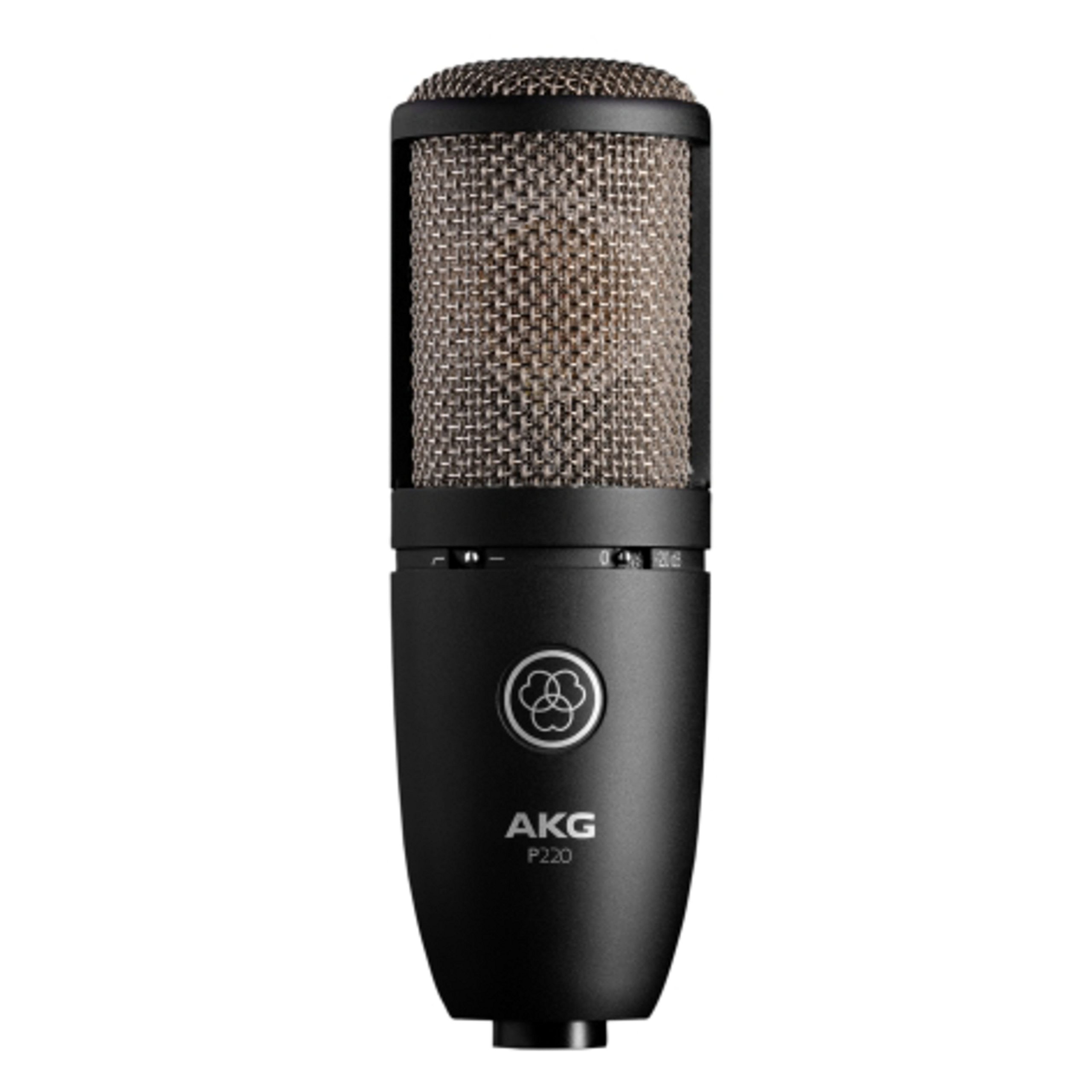
The AKG P220 is a large-diaphragm condenser that punches well above its mid-range tier. Designed and engineered in Vienna, it delivers a clean, natural sound with a response extending from 20 Hz to 20 kHz — covering the full fundamental and harmonic range of both acoustic and electric guitar sources. The switchable bass-cut filter is a practical tool for eliminating low-end rumble from footfall or air conditioning when recording in less-than-ideal rooms.
Rugged all-metal construction gives it the roadworthiness needed for repeated setup and tear-down. Reviewers consistently note its crystal clarity on vocals and drum overheads, and several describe it as a go-to mic for years of use. The included metal shock mount and foam case add immediate value, though the shock mount’s long-term durability has drawn a few notes of caution in humid environments.
For the home studio user who wants a single mic that excels on both voice and instrument, the P220 is the most balanced all-rounder in this lineup. Its natural voicing means you spend less time EQ-ing and more time tracking. That combination of build quality, tonal accuracy, and included accessories makes it the top pick for most players building their first serious mic locker.
Why it’s great
- Switchable bass-cut filter cleans up low-frequency proximity effect when close-miking.
- Robust metal body and included shock mount provide studio-grade vibration isolation.
- Natural, transparent voicing requires minimal post-processing EQ adjustments.
Good to know
- Shock mount assembly has been reported to degrade over time in high-humidity storage.
- Requires phantom power, so an audio interface or mixer with 48V is mandatory.
2. Shure SM81-LC Cardioid Condenser Instrument Microphone

The Shure SM81 is the reference-standard small-diaphragm condenser for acoustic instruments. Its frequency response is dead flat from 20 Hz to 20 kHz, ensuring the mic adds no coloration to the source. For acoustic guitar recording, this neutrality means the mic captures the true voice of the instrument — the woody attack of a pick across bronze strings and the resonant decay of the body are reproduced with surgical transparency.
A lockable 0 dB/10 dB attenuator switch lets you pad the signal by 10 dB, making the SM81 usable on louder sources like guitar amps or drum overheads without overloading the preamp. The selectable low-frequency response (flat, 6 dB/octave rolloff, or 18 dB/octave rolloff) gives you three distinct tools for taming proximity effect or room rumble at the source, reducing the need for EQ during mixing.
Rugged steel construction and low RF susceptibility mean it performs reliably in live stages and studio control rooms alike. Experienced engineers call it the most neutral mic under the premium price ceiling, and its off-axis coloration is minimal — off-axis instruments sound nearly identical to on-axis, a rare quality. For the serious recording enthusiast, the SM81 is an investment in accuracy that will never leave your rack.
Why it’s great
- Flat, uncolored frequency response reproduces acoustic guitar harmonics with true fidelity.
- Three-position low-frequency rolloff switch gives precise control over proximity effect.
- Lockable 10 dB pad extends usable headroom on loud sources like guitar cabs and snares.
Good to know
- Premium price point places it in the investment tier for serious enthusiasts.
- Phantom power required; no built-in battery option for portable recorder use.
3. Sennheiser Pro Audio E906 Microphone
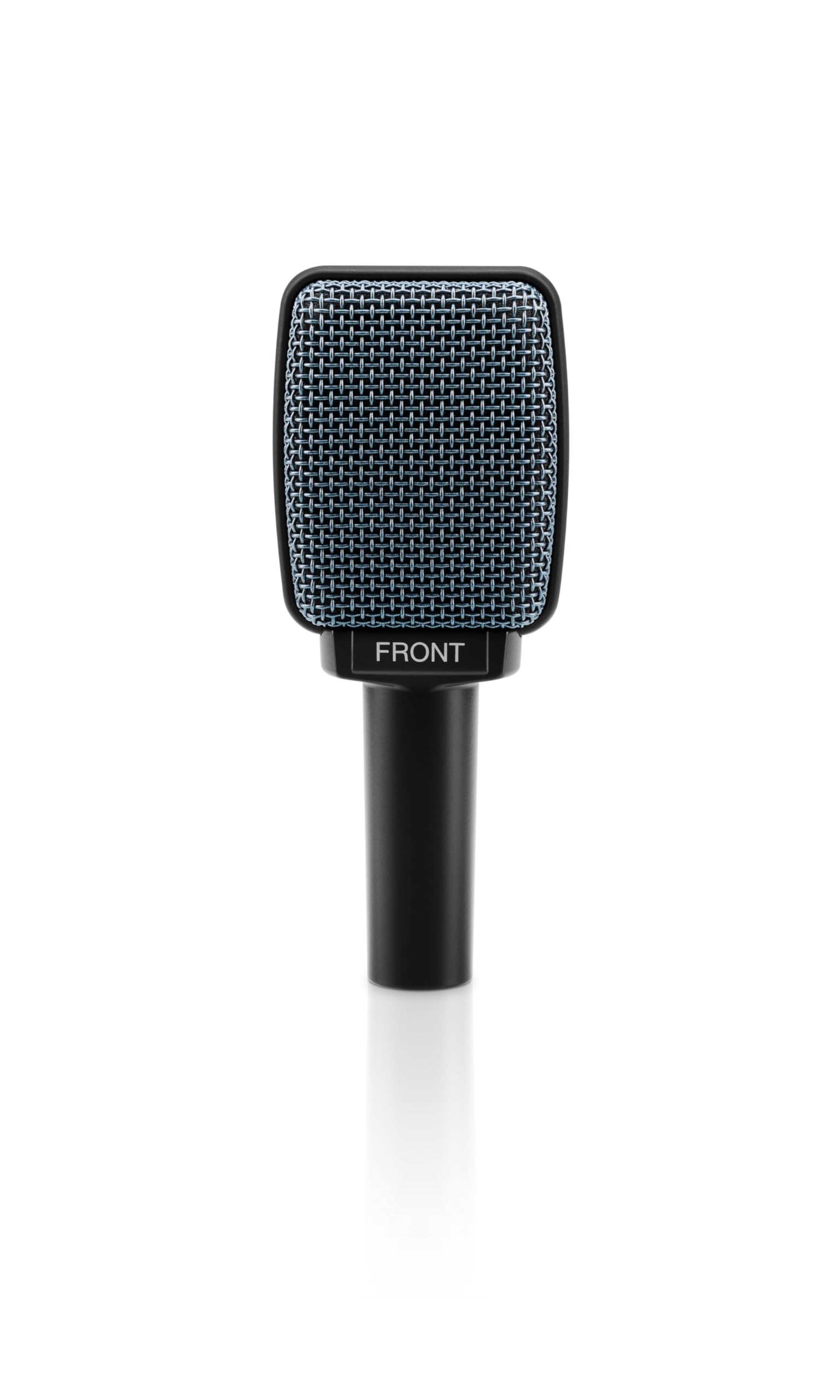
The Sennheiser e906 is a top-tier dynamic microphone purpose-built for guitar cabinets. Its supercardioid pattern provides excellent rejection of off-axis stage noise, and the flat, compact body allows it to hang directly over the front of an amp grille without requiring a stand — a huge convenience for live guitarists who want to minimize stage clutter. Frequency response extends from 25 Hz to 18 kHz, capturing the full low-end thump of a bass amp while retaining the harmonic detail of distorted power chords.
What sets the e906 apart from other dynamics on this list is its three-position presence switch, which lets you toggle between flat response, a mid-presence boost, or a more scooped voicing. This allows you to dial in the exact tone without reaching for an EQ plug-in. Reviewers consistently describe it as brighter and clearer than the SM57, with a fuller body that makes the amp sound more like it does in the room.
The MZQ 100 clamp and carrying pouch are included, and the rugged metal enclosure handles high SPL levels without distortion. For the gigging musician who wants a single mic that hangs on the cab, cuts through a live mix, and offers on-the-fly tonal shaping, the e906 is the definitive premium choice.
Why it’s great
- Three-position presence switch allows instant tonal shaping without external EQ.
- Flat body design hangs over amp grilles, eliminating need for a mic stand.
- Fuller, clearer voicing than classic dynamic alternatives on loud cabinets.
Good to know
- Premium price reflects its niche as a specialized cabinet mic.
- Included soft case offers minimal protection; a hard case is recommended for transport.
4. AKG Pro Audio AKG Perception 170 Professional Instrumental Microphone

The AKG P170 is a small-diaphragm condenser that brings professional-grade transient response to the mid-range market. With a frequency bandwidth of 20 Hz to 20 kHz and a cardioid polar pattern, it captures acoustic guitar with exceptional clarity — the attack of a flatpick across the strings and the harmonic bloom of the body are rendered with minimal coloration. Its very low self-noise makes it an excellent choice for quiet fingerstyle passages where subtle dynamic detail must be preserved.
A switchable 10 dB attenuation pad lets the P170 handle sources up to 155 dB SPL, meaning you can also use it on a loud amplifier or drum overhead without distortion. The flat response makes acoustic instruments sound natural, and the sturdy all-metal body ensures it won’t fall apart in your gig bag.
For the home recordist looking for a dedicated instrument condenser that outperforms similarly priced large-diaphragm mics on acoustic guitar, the P170 offers the best value in this category. The included stand adapter is basic, but the sonic return per dollar is hard to beat.
Why it’s great
- Very low self-noise preserves dynamic detail in quiet acoustic passages.
- 10 dB pad enables clean capture of loud sources up to 155 dB SPL.
- Flat frequency response makes acoustic instruments sound natural and uncolored.
Good to know
- Condenser design is more sensitive to room noise than a dynamic alternative.
- Requires phantom power; no battery power option for standalone use.
5. Sennheiser Professional e 609 Silver Super-Cardioid Instrument Microphone

The Sennheiser e609 Silver is the practical workhorse for live guitar miking. Its super-cardioid pickup pattern provides excellent isolation from other on-stage sound sources, and the flat, low-profile body can be hung directly over the amp grille, saving valuable stage space. The frequency response of 40 Hz to 18 kHz delivers full-bodied tone with a mid-range presence that helps the guitar cut through a dense mix without adding harshness.
A hum-compensating coil reduces electrical interference from nearby power cables and stage lighting, a crucial feature for reliability in live environments. Reviewers consistently rate it as slightly better sounding than the classic SM57 for guitar cabinets, describing a bit more body and fullness while retaining the clarity needed for complex chords. Many sound engineers keep one in their kit as a go-to first choice for guitar.
The all-metal construction and neodymium ferrous magnet with boron keep the mic stable regardless of climate conditions. For the gigging guitarist who needs a rugged, sound-guy-endorsed mic that can take a beating and deliver consistent tone night after night, the e609 is a mid-range investment that pays for itself in reliability.
Why it’s great
- Super-cardioid pattern provides excellent rejection of off-axis bleed on stage.
- Hum-compensating coil prevents electrical interference from stage gear.
- Flat body design hangs over amp grilles without requiring a mic stand.
Good to know
- Frequency response rolls off below 40 Hz, limiting sub-bass extension.
- Silver finish can show wear over time with heavy touring use.
6. AUDIX i5 Dynamic Instrument Microphone

The Audix i5 is a dynamic microphone that distinguishes itself with a built-in EQ curve that provides enhanced top-end clarity and low-end punch compared to industry-standard dynamics. The frequency response spans 50 Hz to 16 kHz, with a slight presence boost that helps guitar amps and snares cut through a mix without excessive EQ. Its 150-ohm impedance ensures compatibility with standard XLR inputs across consoles and audio interfaces.
Live engineers frequently choose the i5 over the SM57 for top snare, citing its superior transient response and built-in contour that requires less processing. On guitar cabs, the i5 delivers a larger-than-life sound that retains the amp’s character while adding a subtle upper-mid bite. The included heavy-duty mic clip and carrying pouch add practical everyday value, especially for musicians who move between rehearsal and stage.
For the player who needs a single dynamic that covers both guitar amp and snare duties, the i5 offers a versatile solution at a competitive price. Its design emphasizes durability, though some reviewers note that the build quality, while good, does not feel quite as substantial as the classic SM57’s all-steel construction. That minor trade-off is easily offset by its superior frequency contour.
Why it’s great
- Built-in EQ curve provides enhanced presence and punch without external processing.
- 150-ohm impedance ensures broad compatibility with XLR inputs.
- Excellent for both guitar cabinets and snare drum applications.
Good to know
- Dynamic range rolls off above 16 kHz, limiting high-frequency detail.
- Some users find the build quality slightly less robust than the SM57.
7. SE ELECTRONICS X1 A Large Diaphragm Condenser Microphone

The SE ELECTRONICS X1 A is an entry-level large-diaphragm condenser that packs professional features into a budget-friendly package. The redesigned capsule delivers a well-balanced frequency response with good transient speed, making it suitable for both acoustic guitar and vocals in a home studio setting. Its maximum SPL of 150 dB means it can handle close-miked amps and drums without distortion — an unusual capability at this price tier.
A -20 dB pad and 100 Hz low-cut filter give you control over loud sources and low-frequency rumble, replicating the flexibility found on mics costing significantly more. The integrated windscreen reduces plosives without requiring an external pop filter, and the gold-plated XLR connector ensures a clean signal path. The all-metal housing rejects electrical interference and feels reassuringly solid for the cost.
Reviewers note that the X1 A sounds similar to the Audio-Technica AT2020 but with the added utility of the pad and filter switches. For the budget-conscious home recordist who needs a single condenser that can handle both voice and instrument tracking without compromising on essential features, the X1 A delivers the most accessible entry point into large-diaphragm condenser territory.
Why it’s great
- -20 dB pad and 100 Hz low-cut filter provide pro-level control on a budget.
- 150 dB max SPL allows clean capture of loud amp and drum sources.
- Integrated windscreen reduces plosives without an external pop filter.
Good to know
- Large diaphragm design is more susceptible to room reflections than a small diaphragm or dynamic.
- Some budget competitors offer similar sound quality at an even lower cost.
FAQ
Can I use a vocal condenser microphone for recording electric guitar?
What is the difference between the Sennheiser e609 and e906 for guitar?
Why would I choose a small-diaphragm condenser over a large-diaphragm for acoustic guitar?
Final Thoughts: The Verdict
For most users, the best guitar mic winner is the AKG P220 because it combines a transparent large-diaphragm voicing with a practical bass-cut filter and roadworthy metal construction at a price that sits comfortably in the mid-range. If you want the most neutral, reference-grade acoustic guitar capture, grab the Shure SM81-LC. And for a live cabinet mic that hangs on the grille and shapes your tone without a sound check, nothing beats the Sennheiser e906.