
Your gym sessions demand a shoe that transitions seamlessly from a deadlift platform to a five-mile treadmill run without feeling clunky or unstable. The wrong pair can sap your energy, cause foot fatigue, or even lead to injury before you finish your circuit. Finding a shoe with the right blend of responsive cushioning, lateral support, and breathable structure is the difference between a mediocre workout and a personal best.
I’m Mohammad Maruf — the founder and writer behind Drink4Good. I’ve spent years analyzing the biomechanics and material science behind athletic footwear, comparing foam densities, outsole rubber compounds, and midsole geometries across hundreds of models to identify which pairs actually deliver on their promises for hybrid training environments.
This guide cuts through the marketing noise to deliver a carefully curated selection of the best gym running shoes for everything from high-intensity interval training to steady-state cardio on the belt.
How To Choose The Best Gym Running Shoes
Selecting the right pair for gym use requires balancing conflicting demands. A maximalist running shoe with a high stack height can feel unstable during lateral moves like lunges or burpees, while a flat, minimalist trainer may lack the cushioning needed for a 30-minute treadmill run. Understanding three core specifications will help you find the perfect middle ground.
Heel-to-Toe Drop
Drop measures the height difference between the heel and forefoot. A lower drop (0-4mm) promotes a natural midfoot strike and feels more stable for lifting, but can strain the Achilles during running. A higher drop (8-12mm) shifts impact to the calf and is common in traditional running shoes, but may feel awkward during squats. For gym use, a mid-range drop of 6-8mm offers the most versatile compromise.
Midsole Cushioning
The foam compound dictates energy return and longevity. Basic EVA foam is lightweight and affordable but compresses over time. Pebax-based super foams (PEBA) deliver exceptional rebound and are found in premium training shoes. Dual-density midsoles provide a firmer inner post for stability with a softer outer rim for comfort, which is ideal for hybrid gym workouts.
Outsole and Upper Durability
Gym floors wear down outsoles faster than road running. Look for carbon rubber in high-wear areas (heel and forefoot) rather than blown rubber. The upper should be breathable mesh for heat management, but with strategic overlays to prevent lateral roll during agility drills. A wider toe box, often called a “natural shape,” allows toes to splay under load, improving balance during lifts.
Quick Comparison
On smaller screens, swipe sideways to see the full table.
| Model | Category | Best For | Key Spec | Amazon |
|---|---|---|---|---|
| On Cloudrunner 2 | Premium | All-day gym & run | 10mm heel drop | Amazon |
| ASICS Gel-Cumulus 27 | Mid-Range | Long runs & walking | PureGEL rearfoot cushioning | Amazon |
| Brooks Glycerin Stealthfit 22 | Premium | Max cushion, daily trainer | DNA LOFT v3 foam | Amazon |
| Brooks Revel 8 | Mid-Range | Budget daily trainer | BioMoGo DNA midsole | Amazon |
| Saucony Ride 18 | Mid-Range | Speed work & tempo | PWRRUN midsole | Amazon |
| ANTA PG7 | Budget | Max cushion on budget | PG bouncy foam | Amazon |
| Hoka Mach 6 | Premium | Lightweight support | MetaRocker geometry | Amazon |
In‑Depth Reviews
1. On Men’s Cloudrunner 2
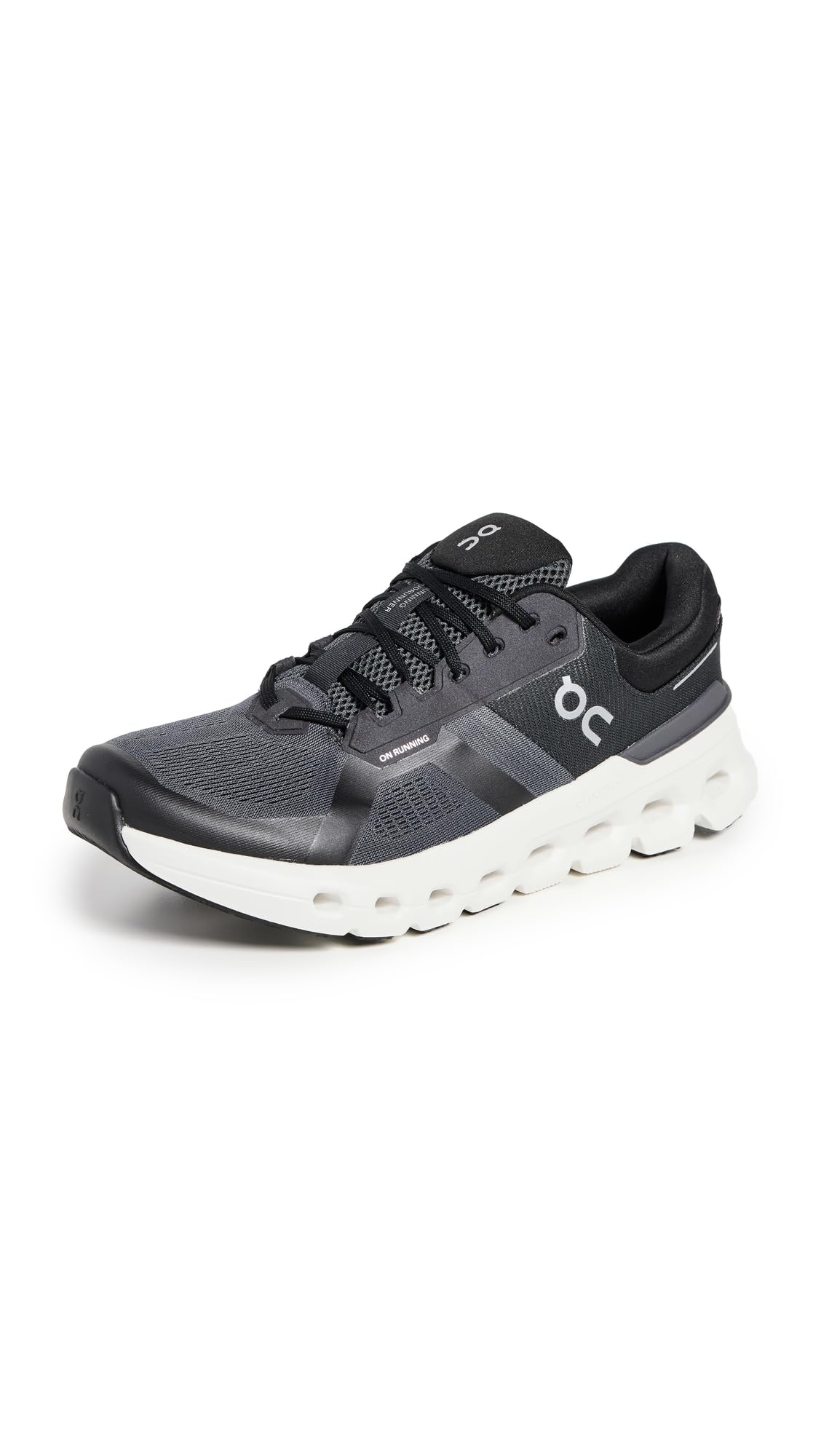
The Cloudrunner 2 represents On’s approach to a supportive daily trainer that works for the gym floor. Its CloudTec sole uses individual pods that compress vertically for soft landings but lock together horizontally to prevent wobble during lateral movements. The engineered mesh upper is highly breathable and wraps the foot without pressure points, addressing a common complaint about older On models being too narrow.
The 10mm heel drop places it firmly in the traditional running category, making it excellent for treadmill strides and recovery runs. Reviewers consistently highlight the zero break-in period, noting the shoe feels “just fit great” out of the box. The outsole uses a durable rubber compound that holds up well on both concrete gym walkways and rubberized track surfaces, though it is not intended for heavy trail use.
For gym-goers who spend significant time on their feet coaching, standing, or walking between sets, the Cloudrunner 2 offers the highest level of plush comfort in this lineup. Its premium price point reflects the Swiss engineering and material quality, making it a long-term investment for athletes who prioritize immediate comfort and a locked-in heel fit.
Why it’s great
- Zero break-in required for immediate comfort
- Excellent breathable upper for hot gym conditions
- Stable platform for gym circuits and standing
Good to know
- Higher drop may feel less stable for heavy squats
- Lacks aggressive lateral support for court sports
2. ASICS Men’s Gel-Cumulus 27
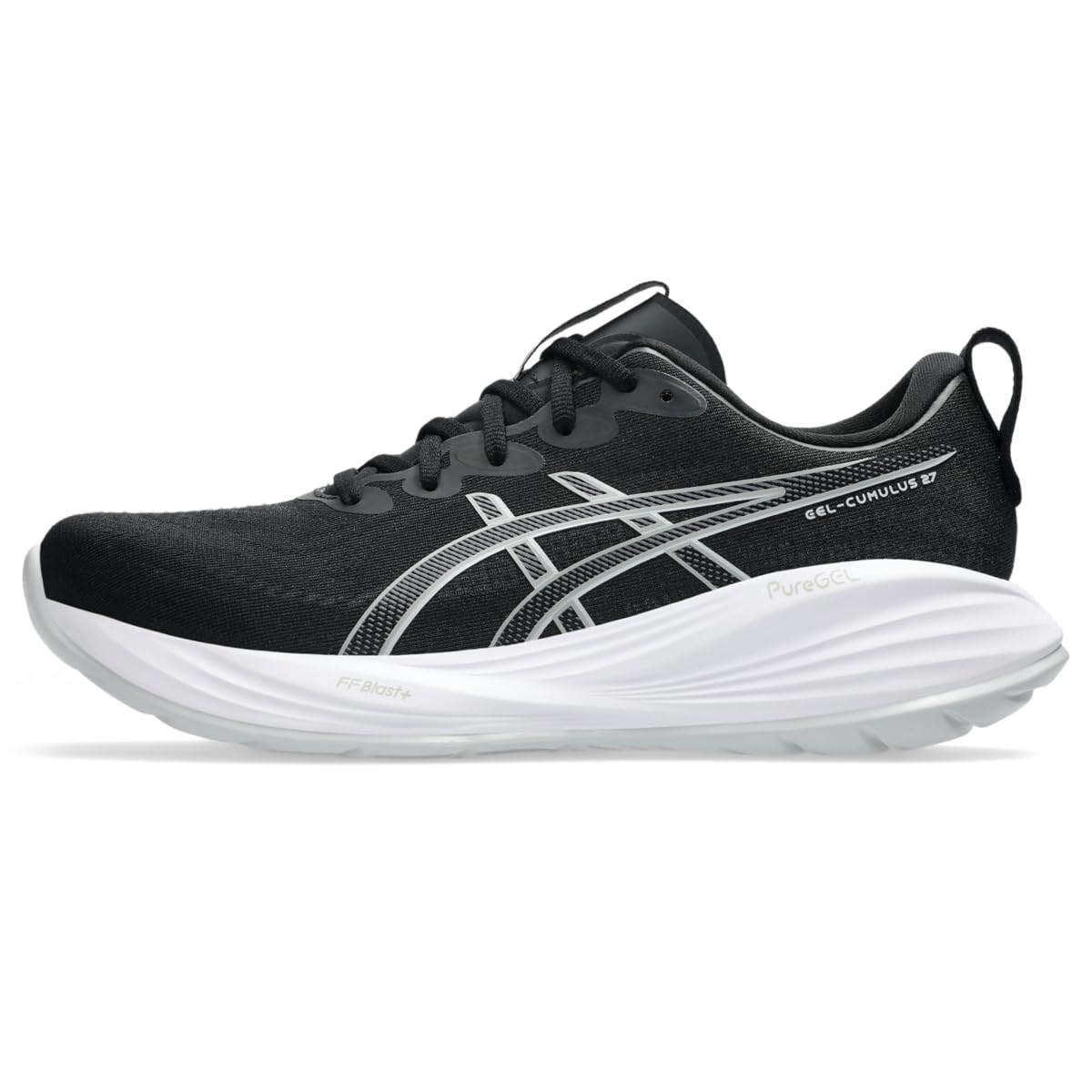
The Gel-Cumulus 27 refines ASICS’ long-running neutral trainer with a redesigned PureGEL unit embedded in the rearfoot. This silicone-based gel absorbs shock more effectively than the old visible gel capsules, providing a smooth heel-to-toe transition that reviewers describe as “excellent cushioning and impact absorption for daily training.” The engineered jacquard mesh upper offers targeted stretch in the forefoot while maintaining structure through the midfoot.
A notable improvement in this version is the weight reduction — it feels lighter and more nimble than previous Cumulus models, making it viable for faster gym intervals beyond just steady-state cardio. The generous toe cap is a standout feature for athletes who experience toe bashing or jamming during burpees and box jumps. Multiple user reviews confirm it eliminated foot pain, specifically under the middle toe, during daily walking routines.
While the Cumulus 27 is primarily a road-running shoe, its flat outsole and moderate 8mm drop make it surprisingly adept for gym floor work. The mid-range price delivers premium-level PureGEL technology without the premium-level price tag, offering exceptional value for runners who need reliable, consistent cushioning session after session.
Why it’s great
- PureGEL provides top-tier heel impact absorption
- Lighter and more responsive than previous versions
- Generous toe box reduces foot jamming
Good to know
- Not ideal for aggressive lateral cutting drills
- Popular colorways sell out quickly
3. Brooks Men’s Glycerin Stealthfit 22
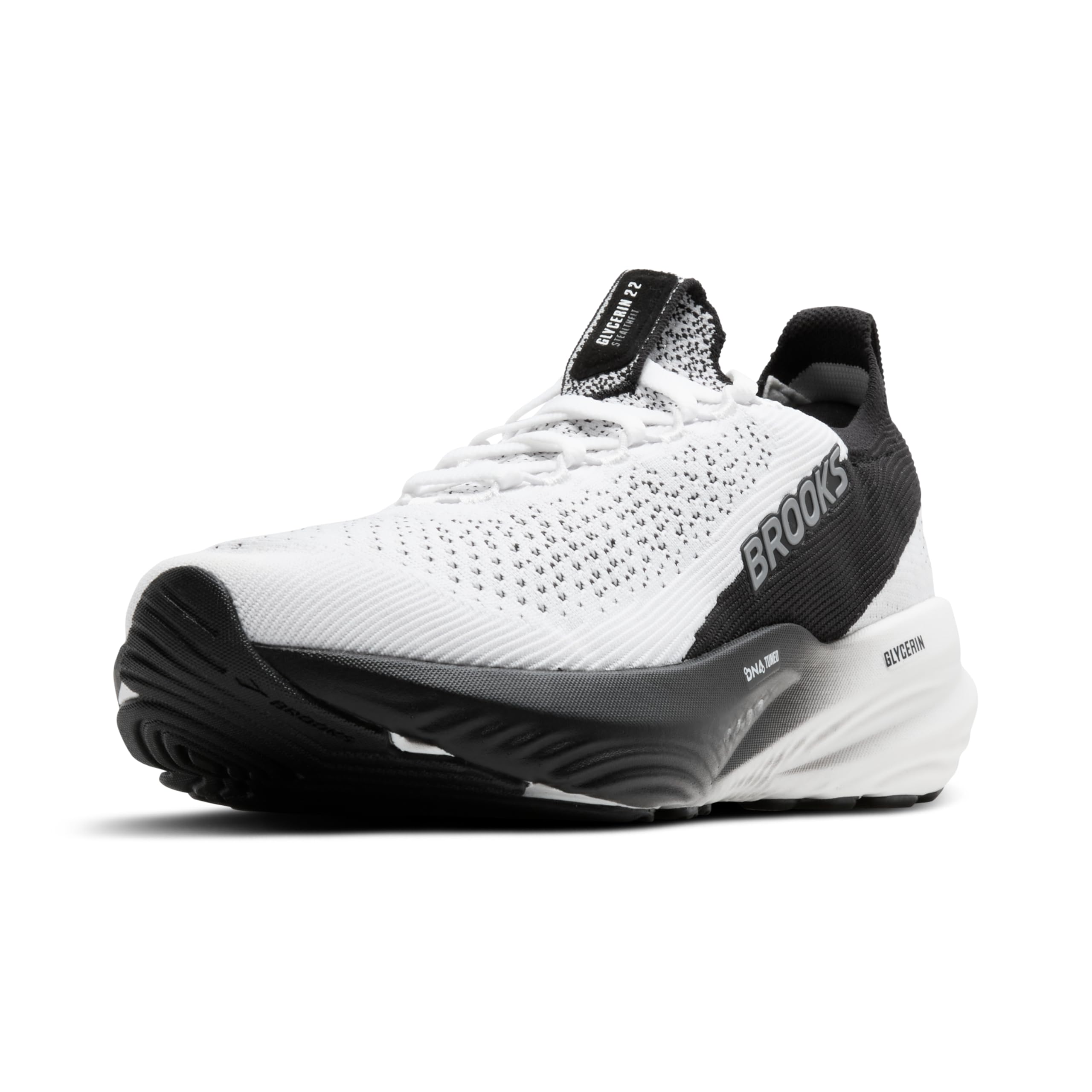
The Glycerin Stealthfit 22 reimagines Brooks’ premium cushioned trainer with a seamless, sock-like upper that eliminates traditional tongue and lacing pressure. The DNA LOFT v3 midsole is Brooks’ softest foam formulation, providing a plush landing that one reviewer — a school custodian on their feet all day — called “the best shoes I’ve ever worn.” The Stealthfit collar integrates the lacing system into the bootie construction for a snug, foot-molding fit with no break-in needed.
Despite its plushness, the Glycerin maintains surprising structural integrity for gym use. The outsole uses a durable carbon rubber compound that grips well on treadmill belts and indoor tracks, though reviewers note it is not suitable for loose trail surfaces. The weight, at roughly 3 pounds for the pair, makes it a heavier option compared to the competition, but the trade-off is unmatched underfoot cushioning for high-impact running. Users who suffer from joint pain or sore knees will appreciate the shock absorption.
For gym runners who split time between the weight room and long cardio sessions, the Glycerin Stealthfit 22 excels as a dedicated running shoe that you change into for the treadmill portion of your workout. Its premium construction and materials justify the higher price for those who prioritize cushioning above all else.
Why it’s great
- DNA LOFT v3 offers industry-leading softness
- Stealthfit upper molds perfectly with no pressure
- Excellent for joint protection during high-impact runs
Good to know
- Heavier than average, not for speed work
- Sock-like upper may feel less secure for wide feet
4. Brooks Men’s Revel 8
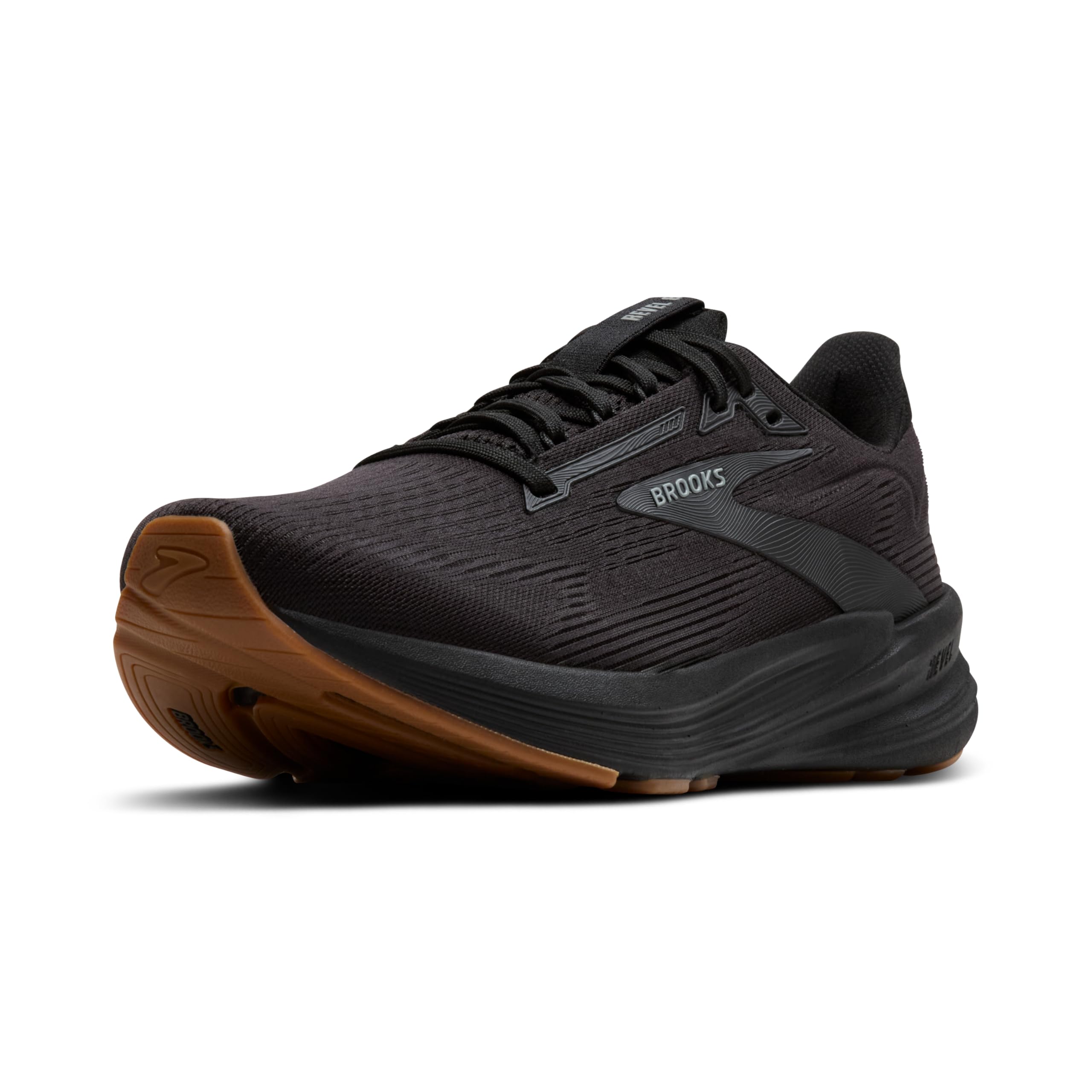
The Revel 8 is Brooks’ entry-level neutral trainer that punches above its weight class with the same BioMoGo DNA midsole technology found in higher-priced Brooks models. This adaptive foam provides a responsive, slightly firmer ride than the Glycerin, which makes it more versatile for gym floor drills like ladder work or box jumps. The engineered mesh upper is lightweight and breathes well, preventing heat buildup during intense circuits.
A unique finding from user reviews is that the Revel 8 fits about a full size larger than typical New Balance or Merrell footwear, so sizing down is recommended unless you have a particularly wide foot. One soccer referee logged 274 miles in the Revel 8, praising its ability to eliminate the foot pain and bloody toenails caused by trail shoes during long shifts on artificial turf. The outsole uses a blown rubber compound that provides decent grip on gym surfaces but may wear faster than carbon rubber for aggressive treadmill runners.
The Revel 8 shines as a budget-conscious daily trainer that doesn’t skimp on core cushioning technology. It offers the best value in this lineup, providing Brooks’ trusted fit and bio-mechanical design at a fraction of the price of premium models. For the gym runner who logs moderate miles and needs a reliable shoe for both cardio and walking, the Revel 8 is a smart, economical choice.
Why it’s great
- BioMoGo DNA delivers responsive, adaptive cushioning
- Excellent value for Brooks quality
- Lightweight and breathable for intense workouts
Good to know
- Runs a full size large, order down
- Shoe laces are reported as very short
5. Saucony Men’s Ride 18
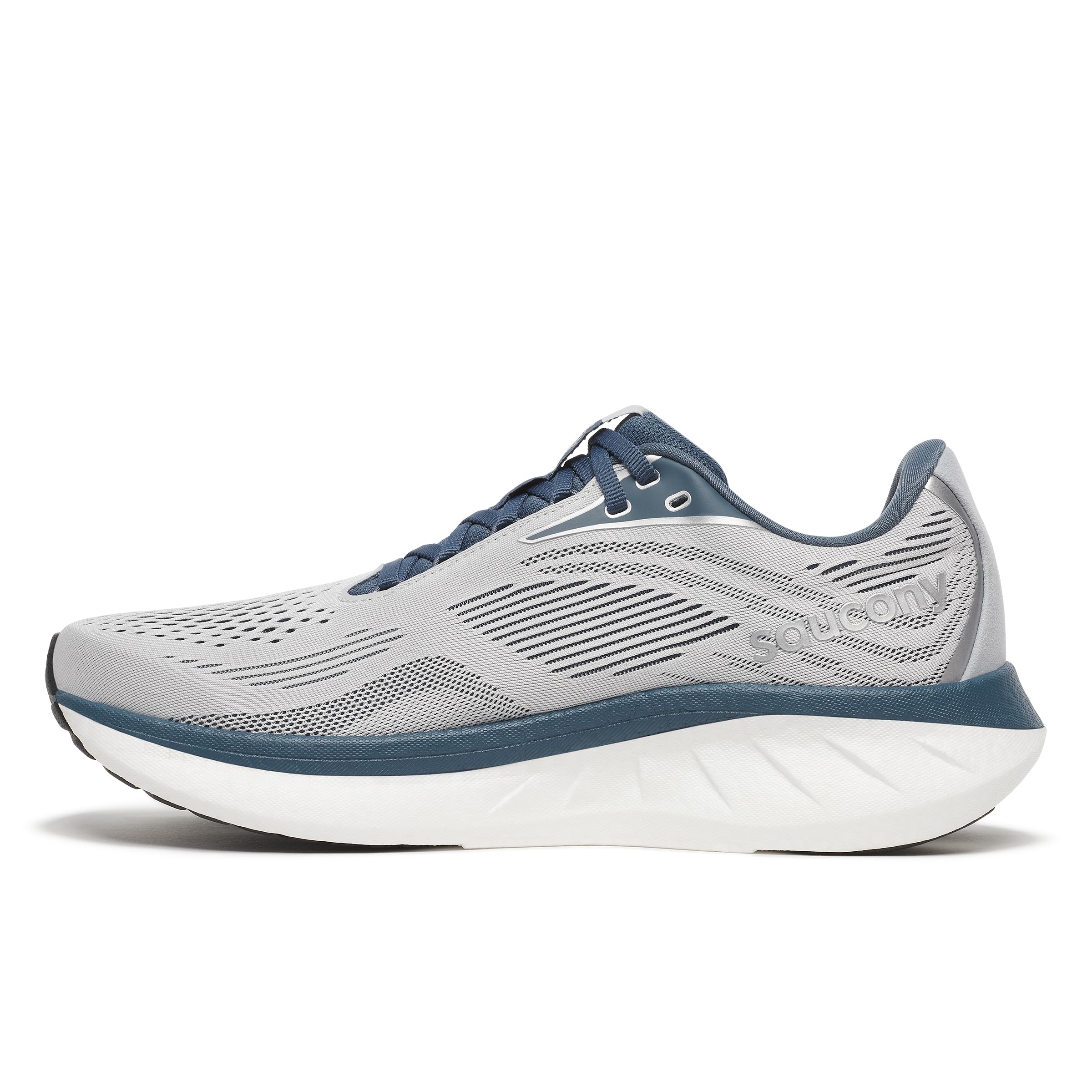
The Saucony Ride 18 has been a staple in the neutral running category for years, and this version continues the legacy with a PWRRUN midsole that balances lightweight cushioning with a responsive feel. At roughly 8.8 ounces, it is the lightest shoe in this review, making it ideal for speed work, tempo runs, and HIIT intervals where every gram matters. The FORMFIT upper construction adapts to the foot’s shape for a secure, glove-like fit with no slipping in the heel.
User feedback reveals an important caveat: the outsole rubber placement has changed compared to previous versions. A verified reviewer reported excessive outsole wear after just two runs, noting the rubber is only present on the sides with a weak middle section that can pinch the metatarsals. This suggests the Ride 18 may be better suited for experienced runners with efficient form who land lightly on the forefoot, rather than heavy heel strikers who need maximum durability.
Despite the durability concern, the Ride 18 offers an exceptional ride quality for its intended purpose — fast, short-distance gym work. The PWRRUN foam provides a lively, bouncy feel that reviewers describe as “great for speed work and shorter runs.” It is less cushioned than the Triumph series, but that trade-off delivers a more direct ground feel that benefits agility drills and sprint intervals on the treadmill.
Why it’s great
- Very lightweight, ideal for speed intervals
- FORMFIT upper provides a secure, comfortable fit
- Responsive PWRRUN foam for tempo work
Good to know
- Outsole durability is a potential weak point
- Runs large in length and width compared to past versions
6. ANTA Men’s PG7

The ANTA PG7 is the sleeper hit of this list, offering max-cushioning at a budget-friendly price point. Its proprietary PG foam delivers a bouncy, energetic feel that one reviewer compared favorably to the Nike Pegasus and New Balance 1080 — shoes that cost significantly more. The midsole firms up nicely at faster paces, providing excellent shock absorption for sprints while still offering plush comfort for walking and all-day standing. This dual-density behavior is rare in the budget segment.
The outsole uses a carbon rubber compound that provides exceptional slip resistance on wet surfaces, according to user feedback. The woven upper is lightweight and breathable with a wide toe box that accommodates natural foot splay during reactive movements like box jumps or burpees. The aesthetic is minimalist, with a relatively bland design, but the material quality feels crisp and well-constructed. Some users noted a heel sink sensation during casual walking, which was mitigated during running thanks to the foam’s rebound properties.
For the budget-conscious gym runner who refuses to compromise on cushioning, the PG7 is an extraordinary find. It is the most affordable option here by some margin, yet it competes directly with mid-range trainers in terms of ride quality and support. The wide toe box and soft foam make it a strong candidate for athletes with high arches or wide feet who struggle to find comfortable budget options.
Why it’s great
- Incredible value with premium-level cushioning
- Wide toe box and excellent breathability
- Carbon outsole grips well on wet gym surfaces
Good to know
- Walking comfort has mixed reviews, better for running
- Not water-repellent; white upper scuffs easily
7. Hoka Womens Mach 6
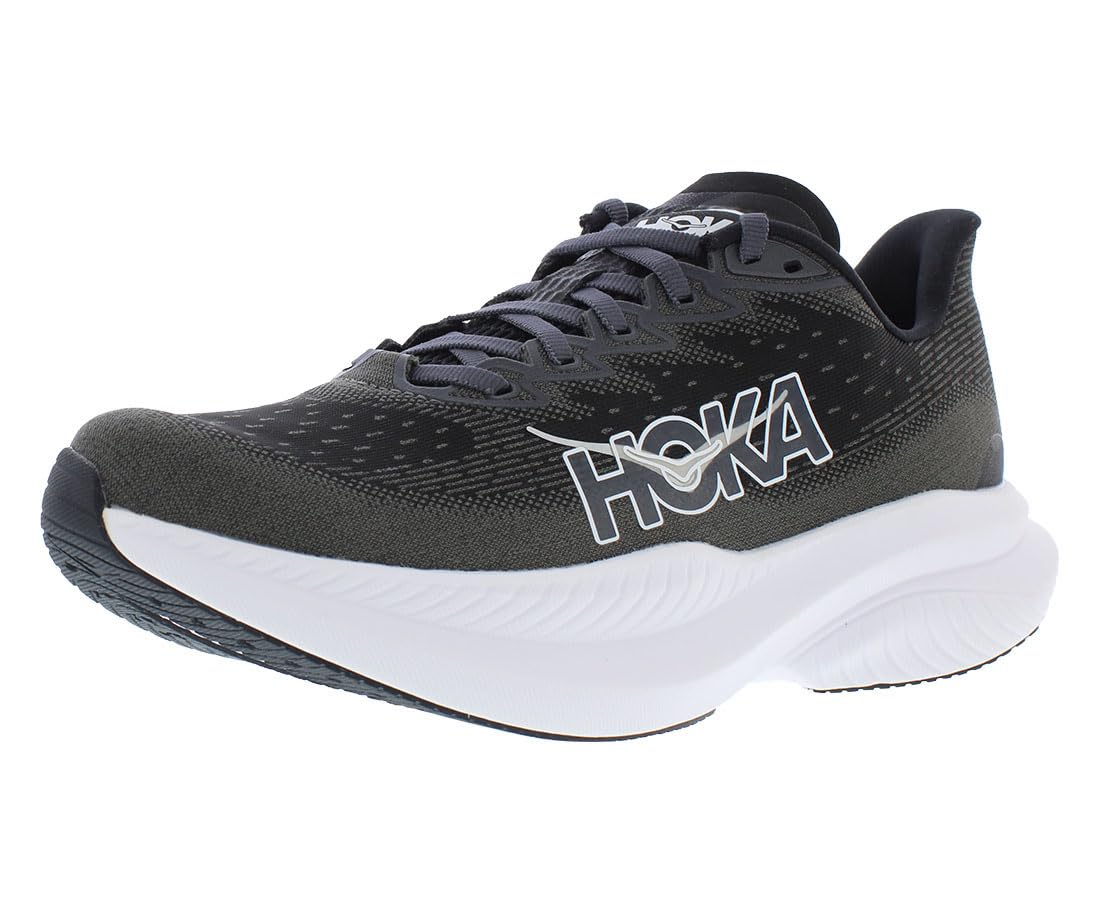
The Hoka Mach 6 carries the signature MetaRocker geometry that Hoka is known for — a curved sole profile designed to propel the foot forward with minimal effort. This design philosophy makes it feel surprisingly fast despite its moderate stack height. The upper is a lightweight, engineered knit that wraps the foot securely without adding bulk. Reviewers consistently note the “great support” and comfort, with one user reporting the shoe helped alleviate pain above the heel that made walking difficult.
While the Mach 6 is marketed as a women’s shoe, the unisex sizing and design make it relevant for athletes of any gender who prefer a lighter, more responsive ride. The outsole rubber coverage is adequate for gym floor grip, though the shoe is optimized for road running rather than aggressive court sports or trail use.
The Mach 6 commands a premium price, placing it in the upper echelon of this list. For the gym runner who prioritizes a smooth, fast-feeling ride and appreciates Hoka’s unique rocker motion, this is a compelling option. It is best suited for runners who spend most of their gym time on the treadmill or running track rather than in the weight room.
Why it’s great
- MetaRocker promotes a smooth, efficient stride
- Very lightweight and breathable upper
- Excellent support for heel-related pain issues
Good to know
- Premium price may be overkill for casual gym users
- Not designed for heavy weight training or lateral moves
FAQ
Can I use running shoes for weightlifting exercises like squats and deadlifts?
What is the best heel-to-toe drop for treadmill running?
How often should I replace gym running shoes?
Should I buy a half size larger for gym running shoes?
What is the difference between a neutral shoe and a stability shoe for gym use?
Final Thoughts: The Verdict
For most users, the best gym running shoes winner is the On Cloudrunner 2 because of its perfect balance of plush cushioning for runs and a stable platform for gym circuits, combined with zero break-in time and premium build quality. If you want maximum cushioning for joint protection during long treadmill sessions, grab the Brooks Glycerin Stealthfit 22. And for the best value that rivals shoes costing twice its price, nothing beats the ANTA PG7.