
The sharp, stabbing pain in your heel the moment you stand up from a squat or step off the treadmill isn’t just annoying—it’s your plantar fascia screaming for support. Finding gym shoes that deliver enough arch reinforcement and heel cushioning to keep you lifting, walking, and running without that familiar ache is a specific challenge that standard cross-trainers simply aren’t built to solve.
I’m Mohammad Maruf — the founder and writer behind Drink4Good. I analyze footwear biomechanics, midsole compounds, and orthotic compatibility to identify which models actually address the structural needs of overpronation and heel-spur sensitivity found in plantar fasciitis.
After combing through hundreds of verified reviews and comparing drop heights, foam densities, and arch profiles, I’ve narrowed down the field to the nine models that deliver real relief for anyone searching for the best gym shoes for plantar fasciitis.
How To Choose The Best Gym Shoes For Plantar Fasciitis
Selecting a shoe for this condition means prioritizing specific structural elements that reduce tension on the plantar fascia ligament during exercise. Not all supportive sneakers are created equal—here’s what matters most.
Arch Support and Heel Cup Depth
A shoe that lacks a firm medial post or an integrated arch shank will allow your foot to collapse inward, aggravating the fascia. Look for models that include a deep heel counter to lock the calcaneus in place, preventing the micro-tearing that causes morning heel pain.
Midsole Cushioning and Stack Height
Soft foams like Fresh Foam or DNA Loft v3 reduce ground impact, but excessive stack height can create instability during lateral moves. Aim for a balance—enough plushness to absorb shock during runs, but enough firmness underfoot to keep you grounded during squats and deadlifts.
Heel-to-Toe Drop
Drops between 8mm and 12mm shift more load off the Achilles and onto the calf, which can relieve direct tension on the fascia. Lower drops (4mm or less) mimic a barefoot feel and may aggravate the condition unless you’ve built up posterior chain strength gradually.
Quick Comparison
On smaller screens, swipe sideways to see the full table.
| Model | Category | Best For | Key Spec | Amazon |
|---|---|---|---|---|
| New Balance More v6 | Premium | Max cushion standing | 47mm stack height | Amazon |
| ASICS Superblast 2 | Premium | Versatile training | FF Blast Turbo midsole | Amazon |
| Brooks Ghost Max | Premium | All-day shock absorption | DNA Loft v3 cushioning | Amazon |
| G-DEFY MATeeM | Mid-Range | Heel pain relief | VersoShock technology | Amazon |
| New Balance 860 v14 | Mid-Range | Stability + overpronation | Fresh Foam X midsole | Amazon |
| Gravity Defyer Energiya | Mid-Range | Walking/standing work | VersoShock insole | Amazon |
| Brooks Glycerin Stealthfit 22 | Mid-Range | Group fitness + walking | Nitrogen-infused DNA Loft | Amazon |
| ASICS GT-1000 14 | Budget | Overpronation gym use | LITETRUSS stability | Amazon |
| Ryka Devotion X Max | Budget | Wide toe box walking | Removable orthotic insole | Amazon |
In‑Depth Reviews
1. New Balance Fresh Foam X More v6
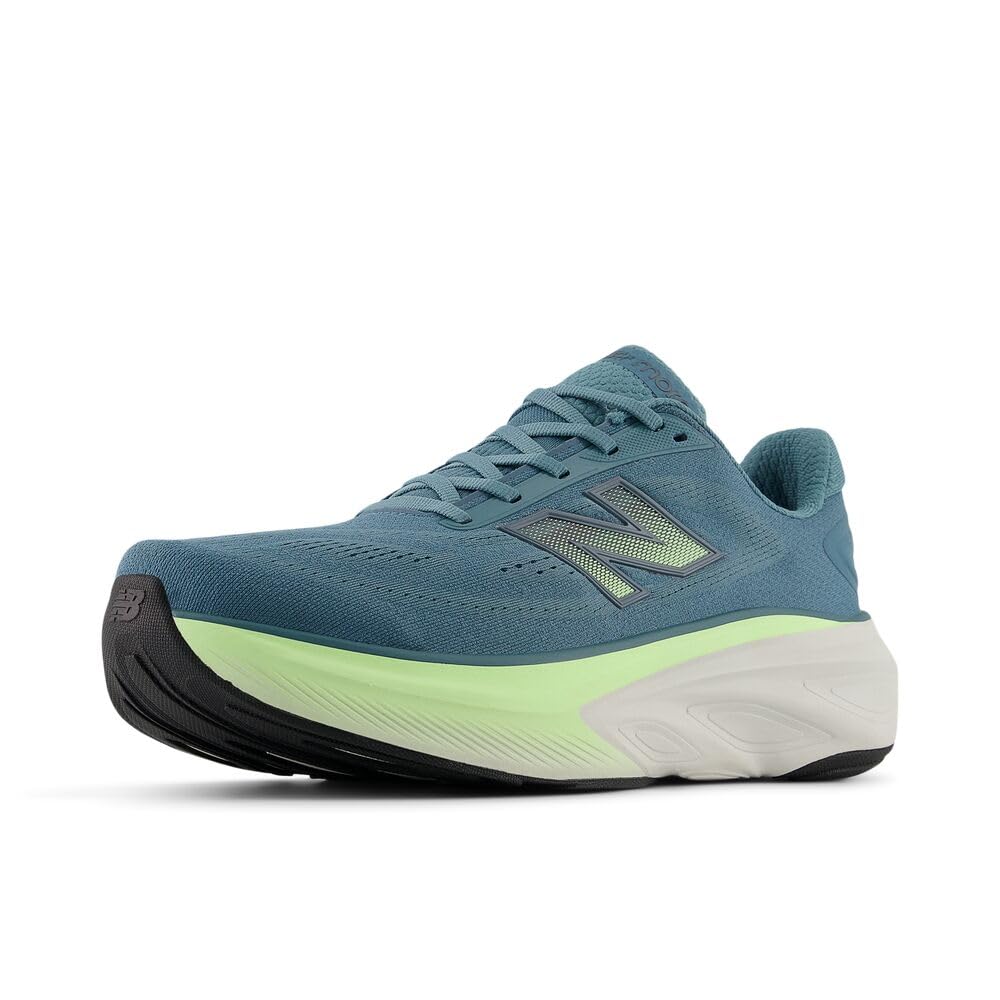
The New Balance More v6 offers the highest stack height in this lineup at 47mm, making it a true max-cushion recovery shoe that excels for users who stand or walk for extended periods. The Fresh Foam X compound delivers a pillowy feel that reviewers consistently compare to walking on clouds, yet the base is wide enough to prevent the instability that plagues other high-stack trainers.
Multiple reviews highlight the ability to size down half a full size due to the generous length, and the availability in wide (2E) and extra-wide (4E) widths means those with bunions or swollen feet find a accommodating fit. Users coming from the Hoka Bondi 9 report superior comfort from the More v6, particularly for all-day wear during clinical or retail shifts.
The deep heel cup and plush collar provide solid lockdown without pressure points, although the soft foam compresses noticeably under heavy loads—so if you plan to squat or deadlift over 300 lbs, this may feel too unstable under the midfoot.
Why it’s great
- Exceptional impact absorption for heel-strikers
- Available in extra-wide 4E sizing
- Pillowy Fresh Foam X out-cushions Hoka Bondi
Good to know
- Runs half size large—downsize or try in store
- Too soft for heavy barbell squats or deadlifts
2. ASICS Superblast 2
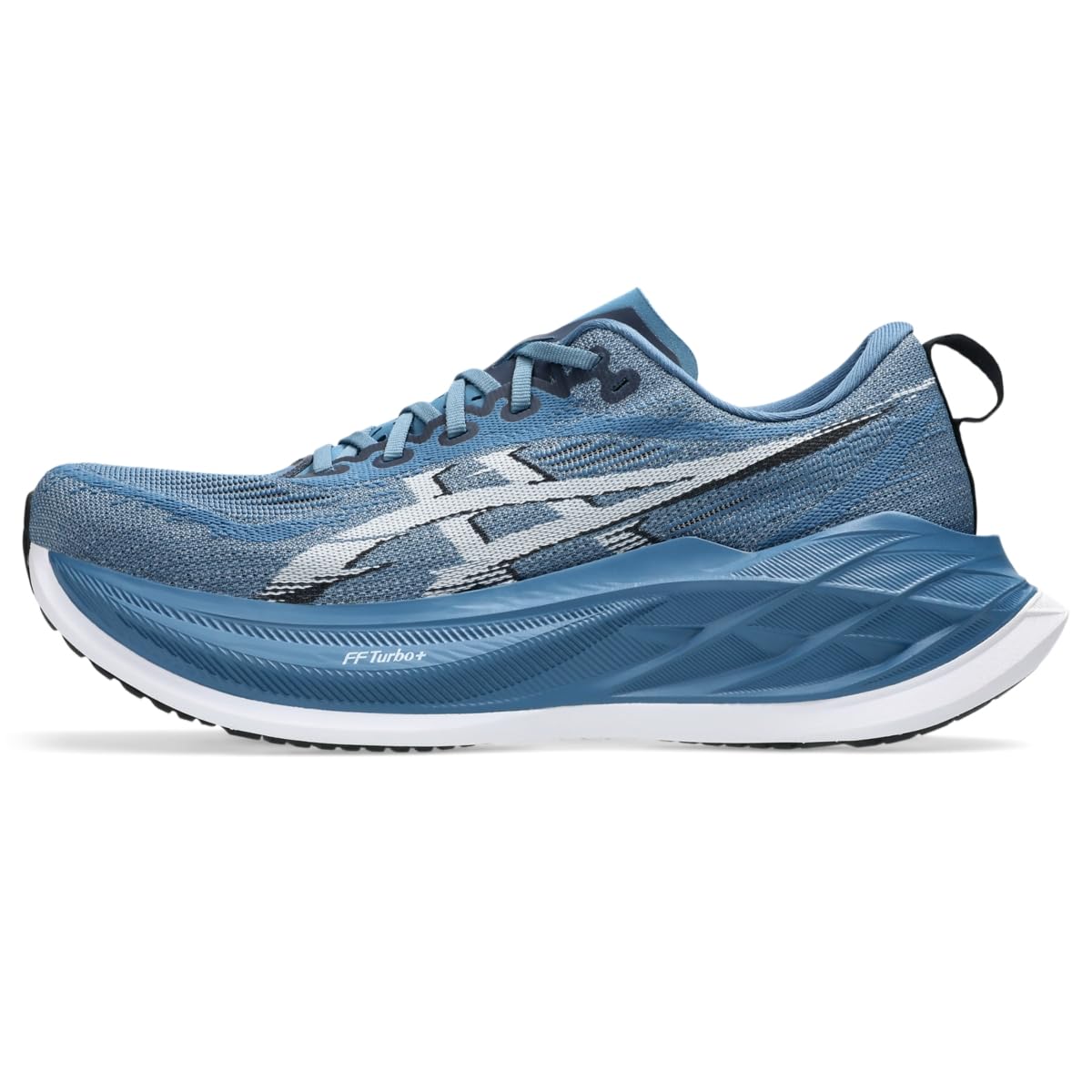
The ASICS Superblast 2 occupies a rare sweet spot: it delivers the energy return of a super-shoe while maintaining neutral stability that protects the plantar fascia from excessive pronation. The FF Blast Turbo midsole is bouncy yet firm enough to prevent ankle roll, making it suitable for both tempo runs and heavy compound lifts.
Reviewers note zero break-in period—the shoe molds to the foot immediately, and the generous toe box allows natural splay that reduces pressure on the fascia during push-off. Heavier runners (around 200 lbs) find the midsole springy without bottoming out, and the outsole coverage provides reliable traction on gym floors and asphalt alike.
One consistent observation: the unisex sizing runs true to length but narrow in the midfoot, so those with high-volume feet should size up half. The lack of a medial post means this shoe isn’t designed for severe overpronation, but for mild to moderate cases needing a versatile trainer, it’s hard to beat.
Why it’s great
- Excellent energy return without sacrificing stability
- Zero break-in needed for immediate relief
- Versatile for paces from slow jog to 5K race pace
Good to know
- Midfoot runs narrow for wider feet
- No dedicated medial post for severe overpronators
3. Brooks Ghost Max Suede/Leather

The Brooks Ghost Max combines the brand’s softest DNA Loft v3 foam with a uniquely stable GlideRoll rocker geometry that reduces the need for aggressive heel-to-toe flexion—a huge win for anyone whose plantar fasciitis flares up during the toe-off phase. The suede and leather upper adds durability and a professional aesthetic suited for nurses and teachers who need a shoe that transitions from the gym to the workplace.
Reviewers walking 17,000+ steps daily report a 90% reduction in foot, knee, and back joint pain after switching to the Ghost Max. The thick sole absorbs shock effectively, and the widened base provides a secure platform for lateral movements in group fitness classes. Several users mention needing to go up half a size because the toe box runs slightly snug despite the accommodating shape.
The main trade-off is the adjustment period: the rocker sole feels like a forward tilt initially, which can affect gait until the neuromuscular system adapts. Once adapted, however, the relief is consistent enough that multiple reviewers have purchased a second pair within weeks.
Why it’s great
- Rocker geometry reduces painful toe-off motion
- Leather/suede upper holds up to daily wear
- Extensive shock absorption for high-mileage walkers
Good to know
- Runs a full size small for most buyers
- Rocker feel takes a few days to get used to
4. G-DEFY MATeeM Women’s Cross Trainer
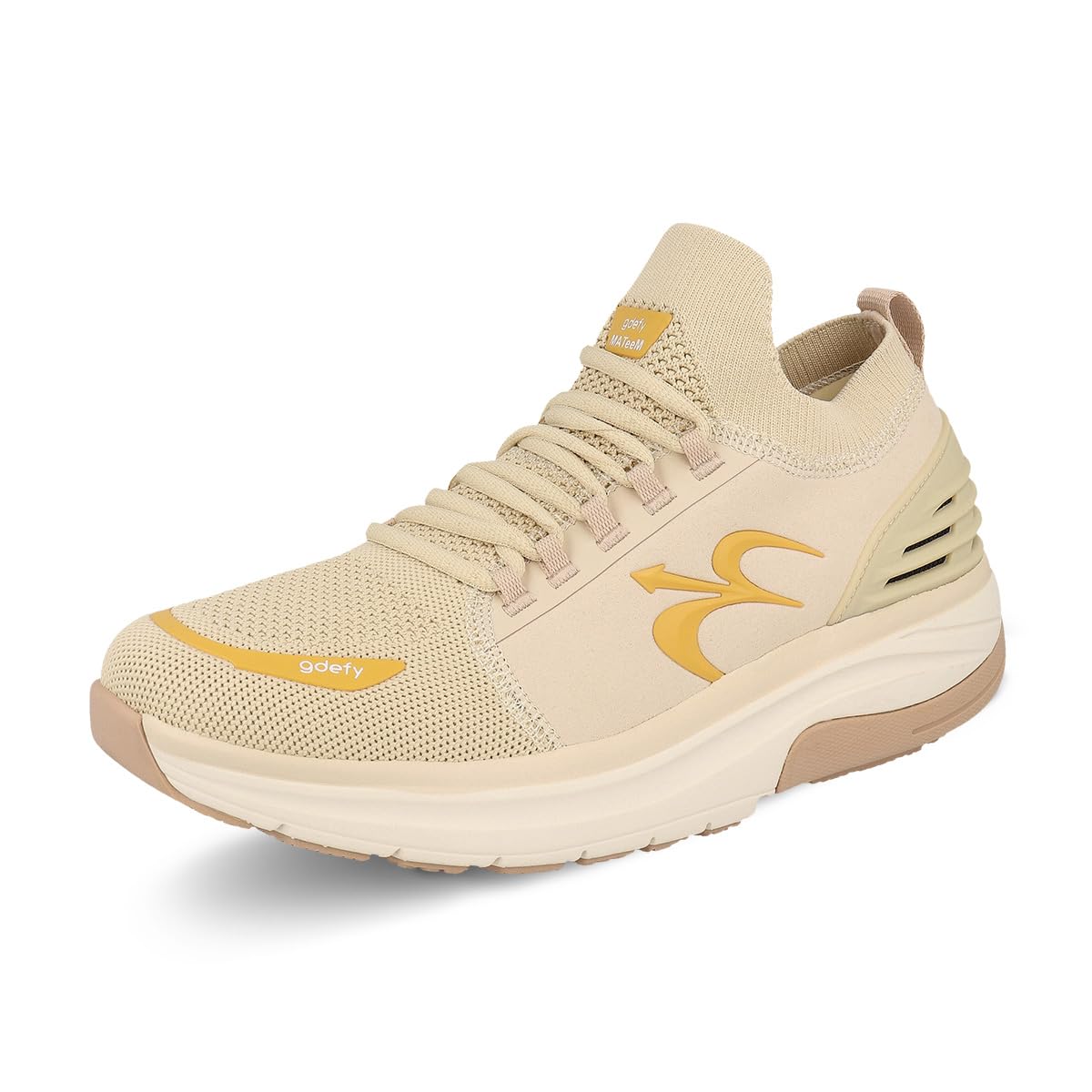
Gravity Defyer’s patented VersoShock technology is designed specifically to reduce heel-strike impact, making the MATeeM a targeted solution for plantar fasciitis sufferers. The spring-like sole compresses on landing and rebounds on toe-off, which several reviewers credit with eliminating lower-body pain after just two days of wear.
The shoe comes with three insole pairs (a free orthotic set) that allow you to dial in the arch height. Users with previous back surgeries or neuropathy found the combination of the bouncy heel and supportive insole allowed them to stand 6–8 hours pain-free for the first time in years. The outsole colors are vibrant, and the fit is true to size for most, though a significant number of reviewers report the sizing runs small—especially in wide widths.
The main drawback is that the MATeeM is not a performance trainer for running or HIIT; the elevated heel and pronounced rocker make lateral cuts feel unstable. It’s best suited for walking, light treadmill work, and standing professions.
Why it’s great
- Proprietary VersoShock spring system reduces heel impact
- Three insole options for custom arch support
- Immediate pain relief reported within 2–4 days
Good to know
- Not stable for lateral movements or HIIT
- Inconsistent sizing—often runs very small
5. New Balance Fresh Foam X 860 v14
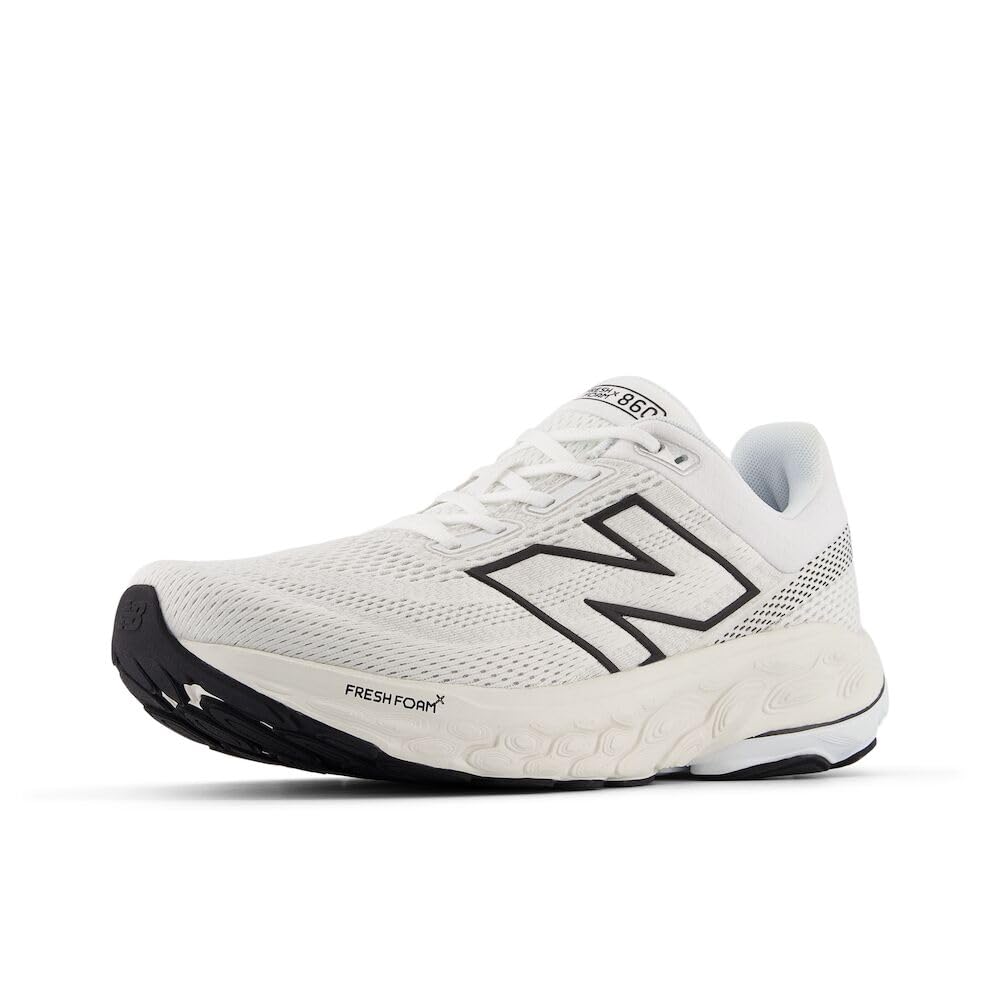
The New Balance 860 v14 is a workhorse stability shoe with a medial post that actively resists overpronation—a critical feature for plantar fasciitis cases caused by collapsed arches. The Fresh Foam X midsole provides a balanced ride that isn’t overly soft, offering enough ground feel for gym work while absorbing road impact during jogs.
Podiatrist recommendations pop up repeatedly in the reviews, and physical education teachers who wear these all day note that the support prevents the foot rolling that aggravates heel pain. The combination of a snug heel counter and a wider forefoot accommodates orthotics without sacrificing lockdown.
The break-in period is real—several users report initial pressure along the midfoot and a slight forward-leaning sensation during the first week. The standard insoles are mediocre, which is a common complaint across all New Balance models, so swapping them for quality aftermarket orthotics is advised.
Why it’s great
- Medial post actively controls overpronation
- Podiatrist-recommended for heel pain relief
- Stable platform suitable for weight training
Good to know
- Break-in period requires a week of wear
- Stock insoles are low quality—plan to replace
6. Gravity Defyer Energiya Cross Training
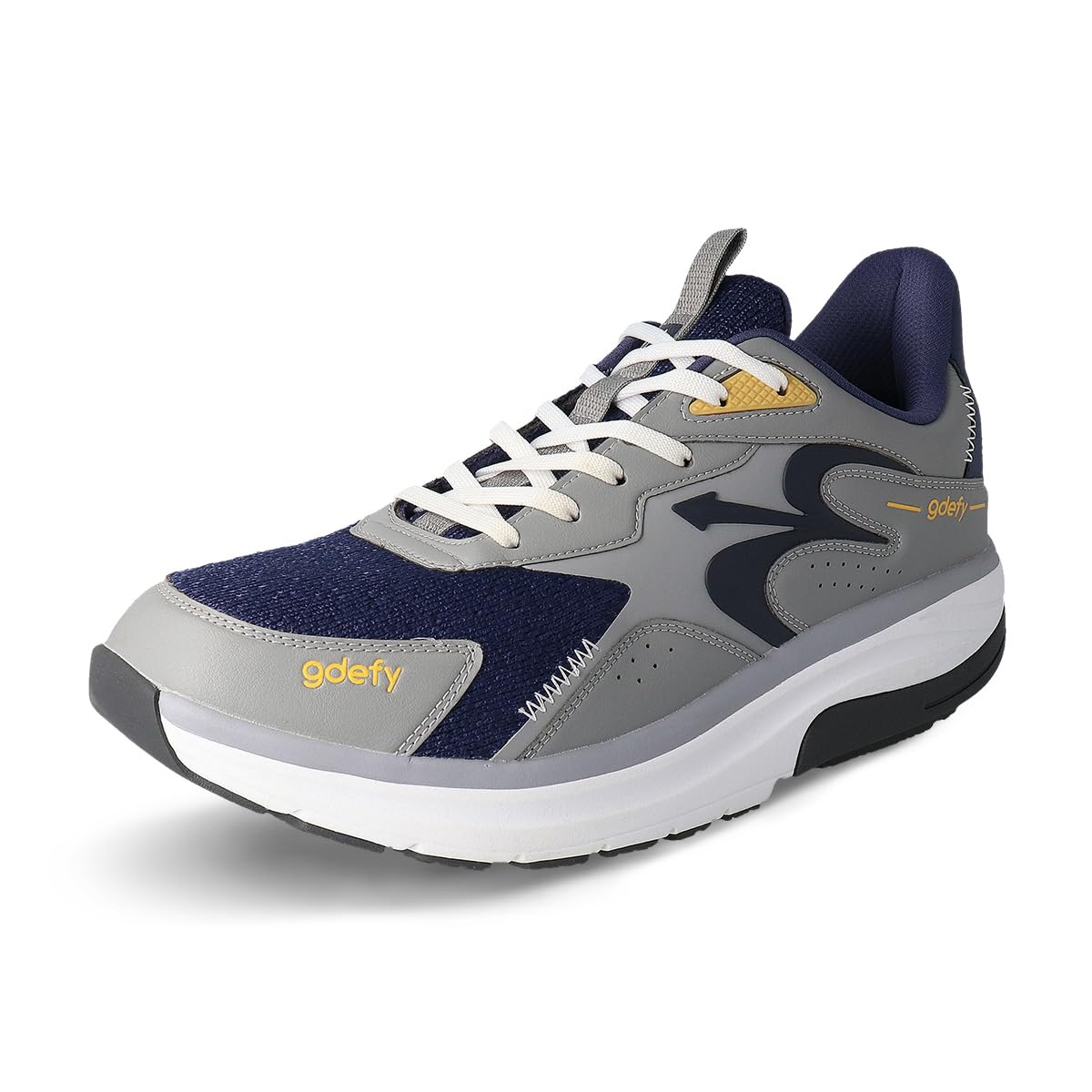
The Gravity Defyer Energiya uses the same VersoShock spring system as the MATeeM but in a men’s cross-training package with a wider toe box. The design goal is to absorb vertical impact and convert it into forward propulsion, which directly reduces the tensile load on the plantar fascia during walking.
Reviewers with flat feet and chronic foot pain report that the Energiya eliminated arch and heel pain within four days, and a 215-lb user found the orthotic insole effective enough to avoid additional inserts. The shoe has a slight forward rocker that makes walking feel effortless, but it’s too cumbersome for running.
The sole’s grid pattern is a notable flaw—it traps small gravel and pebbles, which then grind against floors and reduce traction. Otherwise, the construction quality and cushioning are excellent for a walking-dominant shoe.
Why it’s great
- VersoShock reduces heel-strike impact effectively
- Wide toe box accommodates splay and orthotics
- Rapid pain relief reported within days
Good to know
- Outsole grid pattern traps gravel and debris
- Not suitable for running or lateral drills
7. Brooks Glycerin Stealthfit 22
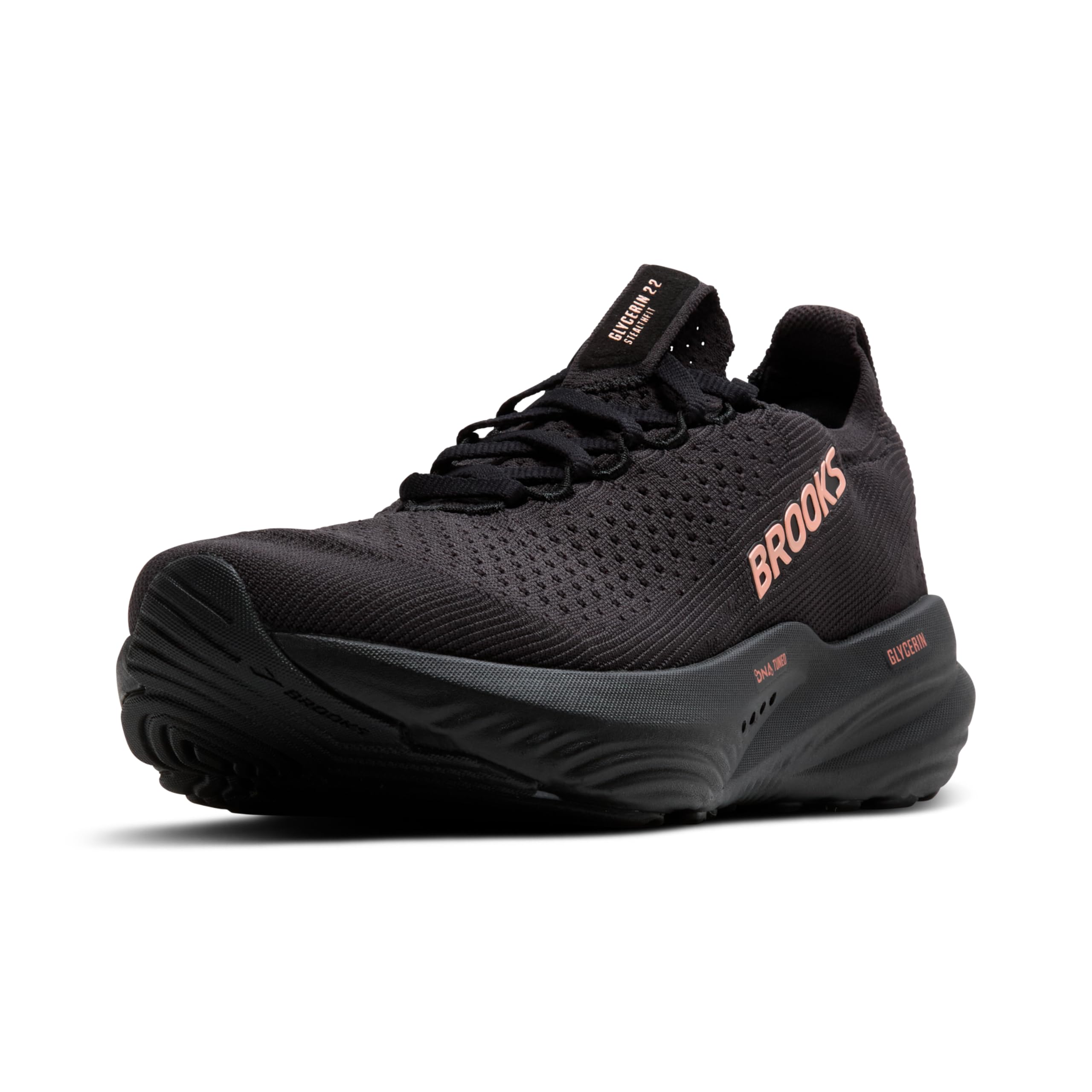
The Brooks Glycerin Stealthfit 22 takes the brand’s softest nitrogen-infused DNA Loft v3 and wraps it in a stretchy knitted upper that molds to the foot’s shape. This combination is particularly effective for users with high arches, bunions, or neuroma pain, as the seamless construction eliminates pressure points that trigger fascia irritation.
Multiple reviews confirm this shoe works well for group fitness, treadmill walking, light running, and resistance training. The cushioning is plush but maintains a firm platform under the insert, which provides stability for squats and lunges. The stretchy upper allows the shoe to function almost like a slip-on after the laces are tied once.
The sizing runs true for most, but the stretch upper can feel loose for narrow feet. Durability is strong—several users report the shoe lasting over a year of consistent use with no tongue slippage or upper separation.
Why it’s great
- Nitrogen-infused foam offers plush yet stable ride
- Stretchy upper eliminates pressure points
- Versatile for walking, lifting, and aerobics
Good to know
- Stretch upper may feel loose for narrow feet
- Not supportive enough for severe overpronators
8. ASICS GT-1000 14
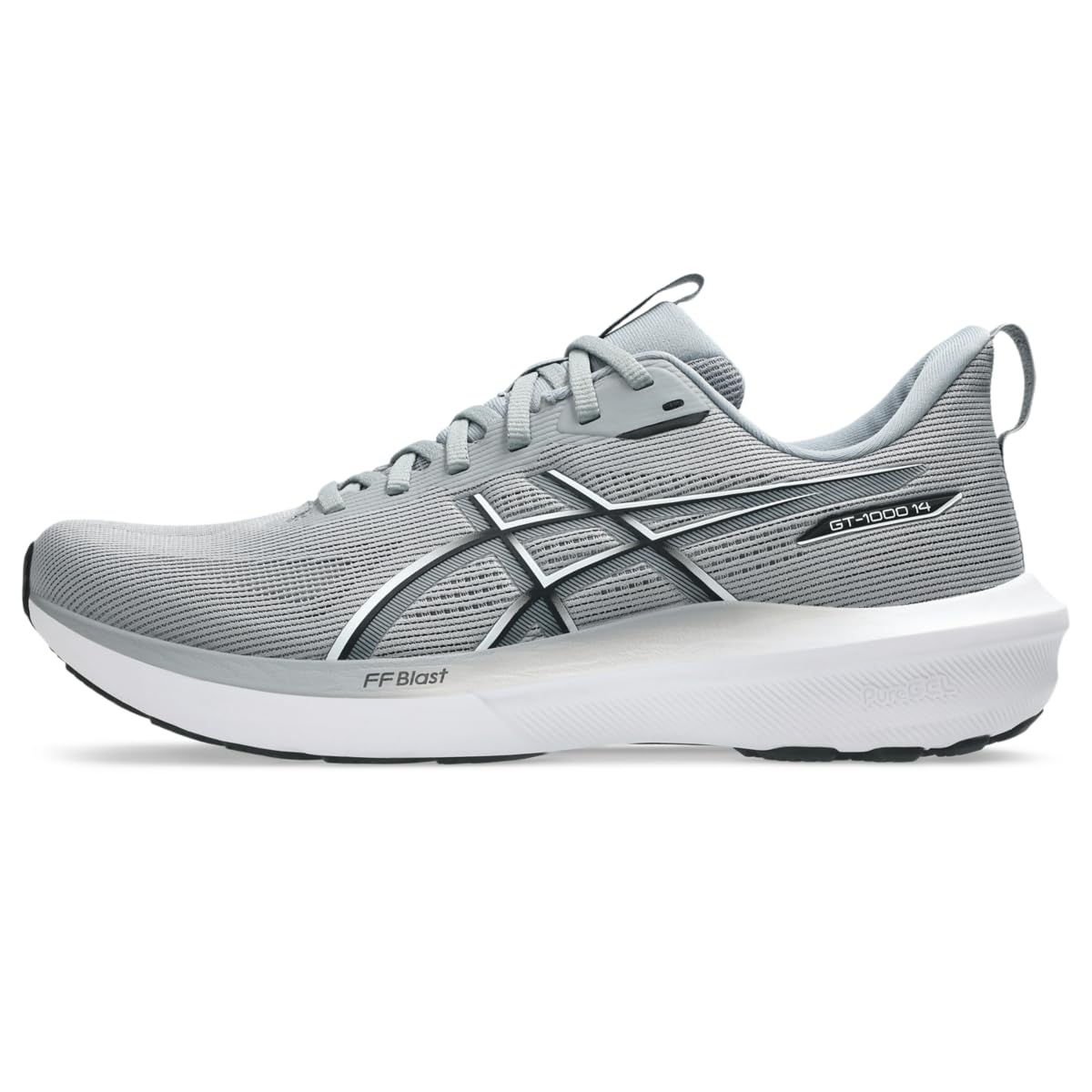
The ASICS GT-1000 14 is the entry-level stability shoe in ASICS’ lineup, yet it punches above its price tier for plantar fasciitis management. The LITETRUSS system provides medial support that corrects overpronation without the rigid feel of a full medial post, and the cushioning is more generous than previous versions—close enough to the GT-2000 that many reviewers switched and saved money without noticing a difference.
Cross-country athletes and daily walkers both praise the breathable mesh upper and the secure heel fit. The extra-wide option actually delivers true width, with no pinching at the toes. The outsole is durable enough for light trail use and road running alike.
The trade-off for the lower price is midsole longevity—reviewers estimate the foam feels dead after about a year of consistent running. For gym-only use or walking, this lifespan is less of an issue, making it a solid value pick.
Why it’s great
- LITETRUSS stability reduces overpronation effectively
- Excellent value compared to GT-2000
- True wide sizing with no pinching
Good to know
- Midsole cushioning degrades after ~1 year of running
- Less support than the Kayano for severe cases
9. Ryka Devotion X Max Walking Shoe
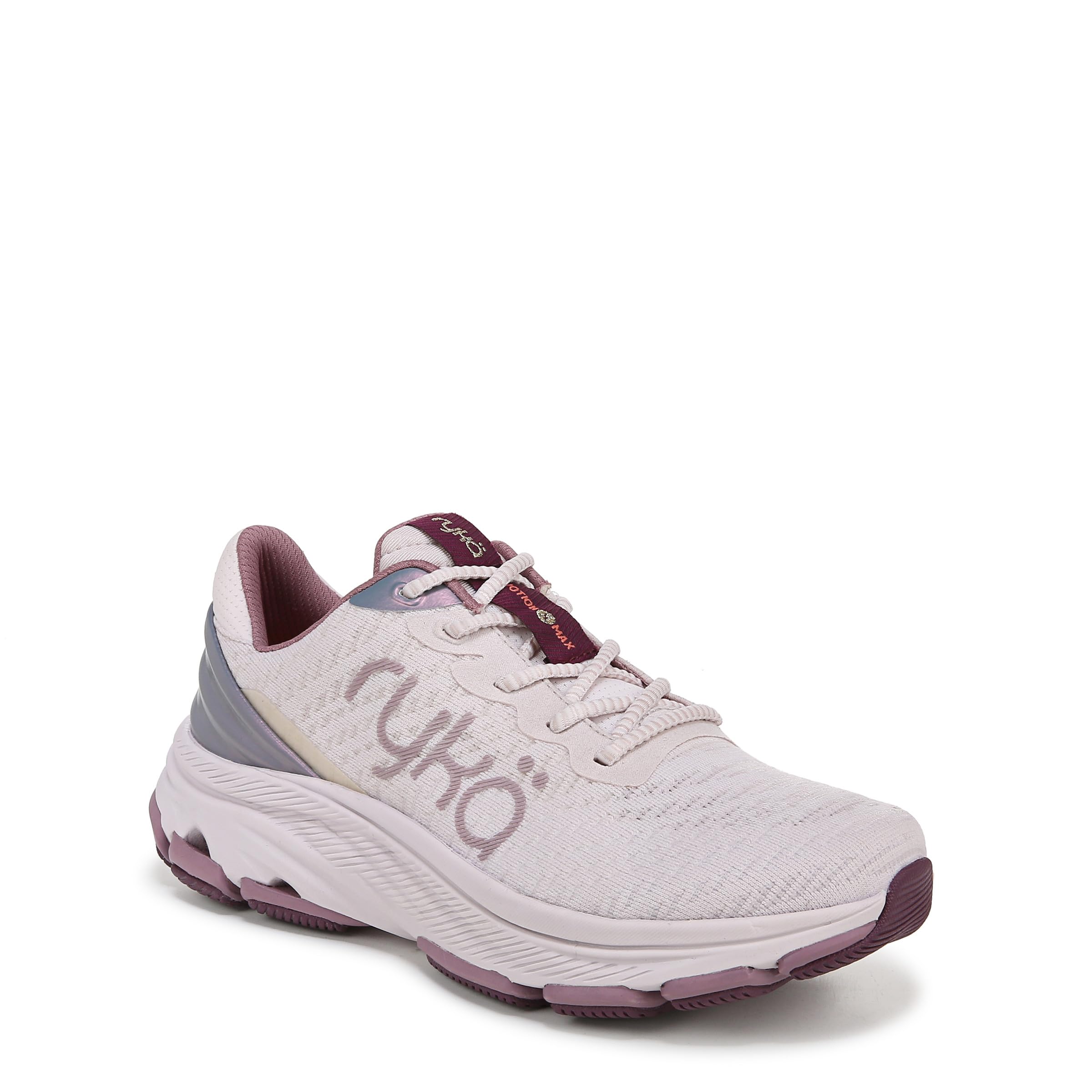
The Ryka Devotion X Max is purpose-built for walking, with a design that prioritizes roomy toe boxes and deep arch support—two non-negotiables for plantar fasciitis relief. The insole is fully removable, allowing users to drop in custom orthotics or aftermarket arch supports, and the cushioning is generous enough that several reviewers preferred it over the Hoka Bondi 9 for comfort.
The fit runs true to size, with wide options that actually accommodate swollen or wide feet without puckering. The outsole is non-slip and the upper is washable, making these practical for daily commutes and travel. Multiple customers bought additional colors after experiencing immediate relief from foot pain during their first walk.
One limitation: the design is strictly for walking and casual gym use—the elevated heel and lack of lateral support make it unsuitable for running or dynamic movements. Users with narrow feet also note that the toe box feels excessively wide, causing slight movement inside the shoe.
Why it’s great
- Removable insole fits custom orthotics perfectly
- Wide toe box reduces pressure on forefoot
- Out-cushions Hoka Bondi for some users
Good to know
- Not designed for running or lateral movement
- Toe box may feel too wide for narrow feet
FAQ
Can I use my plantar fasciitis gym shoes for heavy deadlifts and squats?
Should I replace the stock insoles with custom orthotics?
How often should I replace gym shoes if I have plantar fasciitis?
Final Thoughts: The Verdict
For most users, the gym shoes for plantar fasciitis winner is the New Balance Fresh Foam X More v6 because it combines the highest level of impact absorption with wide sizing options and a stable base for all-day wear. If you prioritize stability for weight training and running, grab the New Balance 860 v14. And for walking-focused relief with a roomy toe box, nothing beats the Ryka Devotion X Max.