
A standard width shoe squeezes the forefoot during a heavy squat, creates hot spots on the side of the pinky toe during lateral drills, and turns a deadlift session into a battle against your own footwear. For anyone with a wide foot—whether from genetics, flat arches, or years of wear—the gym is a uniquely punishing environment for ill-fitting shoes. The right pair provides a forefoot pocket that allows toes to splay naturally, a midfoot that doesn’t collapse under load, and a heel lock that prevents sliding during explosive movement.
I’m Mohammad Maruf — the founder and writer behind Drink4Good. My approach to selecting these shoes involved cross-referencing actual footbed measurements, verified customer data from buyers with known wide-foot dimensions, and construction materials that accommodate high-volume feet without sacrificing stability.
After analyzing dozens of models across multiple price tiers, I’ve narrowed the field to seven pairs that truly deliver for wide-foot lifters and cardio athletes alike. This guide to the best gym shoes for wide feet covers everything from barefoot-style toe freedom to slip-on convenience and dedicated cross-trainer stability.
How To Choose The Best Gym Shoes For Wide Feet
Buying gym shoes for wide feet is not the same as buying casual wide sneakers. The gym environment demands lateral support, a flat or stable platform for lifting, and enough forefoot volume to handle dynamic movement—all while keeping the foot from sliding inside the shoe. Here are the three factors that separate a functional wide gym shoe from one that just feels roomy at the store.
Forefoot Volume vs. Toe Box Shape
Not all wide shoes are created equal. Some brands simply stretch the entire upper, creating a sloppy fit. Others, like Altra and Xero Shoes, design a truly anatomical toe box that mirrors the shape of a splayed foot. Look for a foot-shaped last rather than a generic “wide” option—this preserves midfoot lockdown while giving your toes room to brace during lifts.
Heel Lock and Midfoot Security
A wide forefoot often leads to heel slippage during dynamic movement unless the shoe has a structured heel counter or a lacing system that cinches the midfoot independently. The best wide gym shoes use a combination of a snug heel cup and a lace-lock eyelet to keep the rear foot planted while the forefoot spreads. Without this, you’ll find yourself over-tightening the laces and compressing the top of your foot.
Platform Stability and Drop Height
For lifting, a zero-drop or low-drop platform (0–4 mm) keeps your weight centered over the midfoot, which is especially important for wide-foot lifters who may have flatter arches. A wide, flat outsole with minimal compression under the heel provides a stable base for squats and deadlifts. For cardio and HIIT, a slightly higher drop with responsive cushioning in the forefoot can reduce fatigue—but the outsole must still be wide enough to prevent rolling off the edge during lateral cuts.
Quick Comparison
On smaller screens, swipe sideways to see the full table.
| Model | Category | Best For | Key Spec | Amazon |
|---|---|---|---|---|
| Under Armour TriBase Reign 6 | Cross-Trainer | Lifting & Cardio | Wide toe box, 2 mm drop | Amazon |
| ALTRA Solstice XT 3 | Cross-Trainer | Natural Foot Positioning | FootShape toe box, 0 mm drop | Amazon |
| Xero Shoes Prio Neo | Minimalist | Barefoot Feel & Balance | 5.5 mm sole, wide toe box | Amazon |
| Gravity Defyer Energiya | Orthopedic | Standing All Day & Walking | VersoShock, removable orthotic | Amazon |
| Kizik Lima 2 | Lifestyle/Gym | Quick On/Off & All-Day Wear | Hands-free slip-on, wide available | Amazon |
| Under Armour Charged Commit 5 | Training | Lightweight Versatility | Charged cushioning, molded heel | Amazon |
| K-Swiss ST329 CMF | Walking/Gym | Budget-Friendly Comfort | Wide 2E/4E, memory foam insole | Amazon |
In‑Depth Reviews
1. Under Armour Men’s TriBase Reign 6
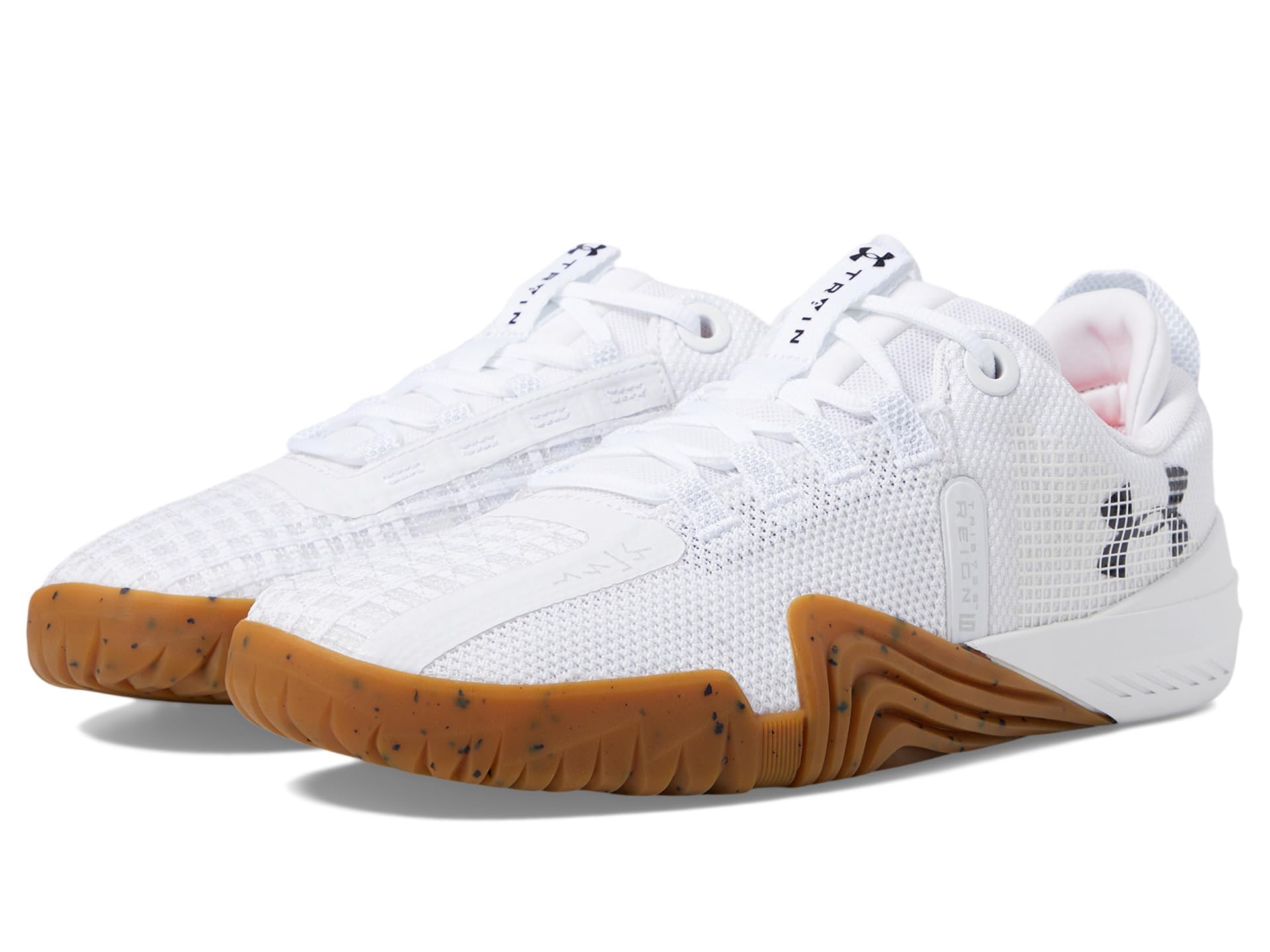
The Under Armour TriBase Reign 6 has become a benchmark for wide-foot cross-trainers simply because it nails the forefoot-to-heel ratio. Reviewers with flat feet and wide forefeet consistently report no heel slippage and no arch ache—even during dynamic HIIT sessions. The TriBase outsole delivers a wide, flat foundation that feels planted on deadlifts and squats, while the upper uses a flexible mesh that accommodates volume without pressure points.
Compared to the Nano and Metcon lines, the Reign 6 offers a noticeably wider toe box at a lower price point, yet it retains the stiffness needed for heavy lifting. The 2 mm drop keeps the lifter’s weight centered, and the full rubber outsole handles cardio and light treadmill work without wearing prematurely. Several verified buyers noted that after a short break-in period, the shoe conforms to the foot’s natural shape.
One drawback: the white colorway is notoriously difficult to keep clean, especially for gym environments with chalk and rubber flooring. Additionally, some users with very high-volume insteps found the midfoot slightly snug during the first few wears, though the lace-lock eyelet helps adjust tension. For most wide-foot lifters, this is the most versatile single gym shoe available.
Why it’s great
- Wide toe box without sacrificing heel lock
- Excellent stability for squats and deadlifts
- Flexible enough for sprints and box jumps
Good to know
- White color shows dirt quickly
- Midfoot may feel snug for very high arches
- Runs slightly long; consider half size down
2. ALTRA Men’s Solstice XT 3

ALTRA’s FootShape toe box is the gold standard for wide-foot natural movement, and the Solstice XT 3 applies that philosophy to a dedicated cross-training platform. The zero-drop sole keeps the foot flat, which is ideal for compound lifts and for users transitioning from minimalist footwear. Verified reviews from CrossFit athletes who train 4–5 times per week report that after two months of box jumps, rope climbs, and lifting, the outsole shows minimal wear and the upper retains its shape.
The Solstice XT 3 features a slightly narrower midfoot than other ALTRA models, which actually improves security during lateral movement—a common complaint about overly roomy wide shoes. The heel counter is structured enough to prevent slipping, and the toe bumper protects against stubbing during dynamic drills. The breathable mesh upper also resists odor buildup, a practical benefit for daily gym use.
Some users note that these are not designed for long-distance running; the zero-drop platform and lower stack height lack the forefoot cushioning for extended road miles. For gym-centric activities—weight training, elliptical, seated bike, and short treadmill intervals—the Solstice XT 3 delivers premium build quality and a fit that wide-foot buyers describe as “custom-made.” Sizing up half a volume is recommended for those with very high-volume feet.
Why it’s great
- Anatomical toe box allows natural splay
- Zero-drop platform improves lifting mechanics
- Durable outsole survives daily CrossFit
Good to know
- Midfoot is narrower than other ALTRA models
- Not suitable for long-distance running
- Recommend sizing up half a size
3. Xero Shoes Men’s Prio Neo
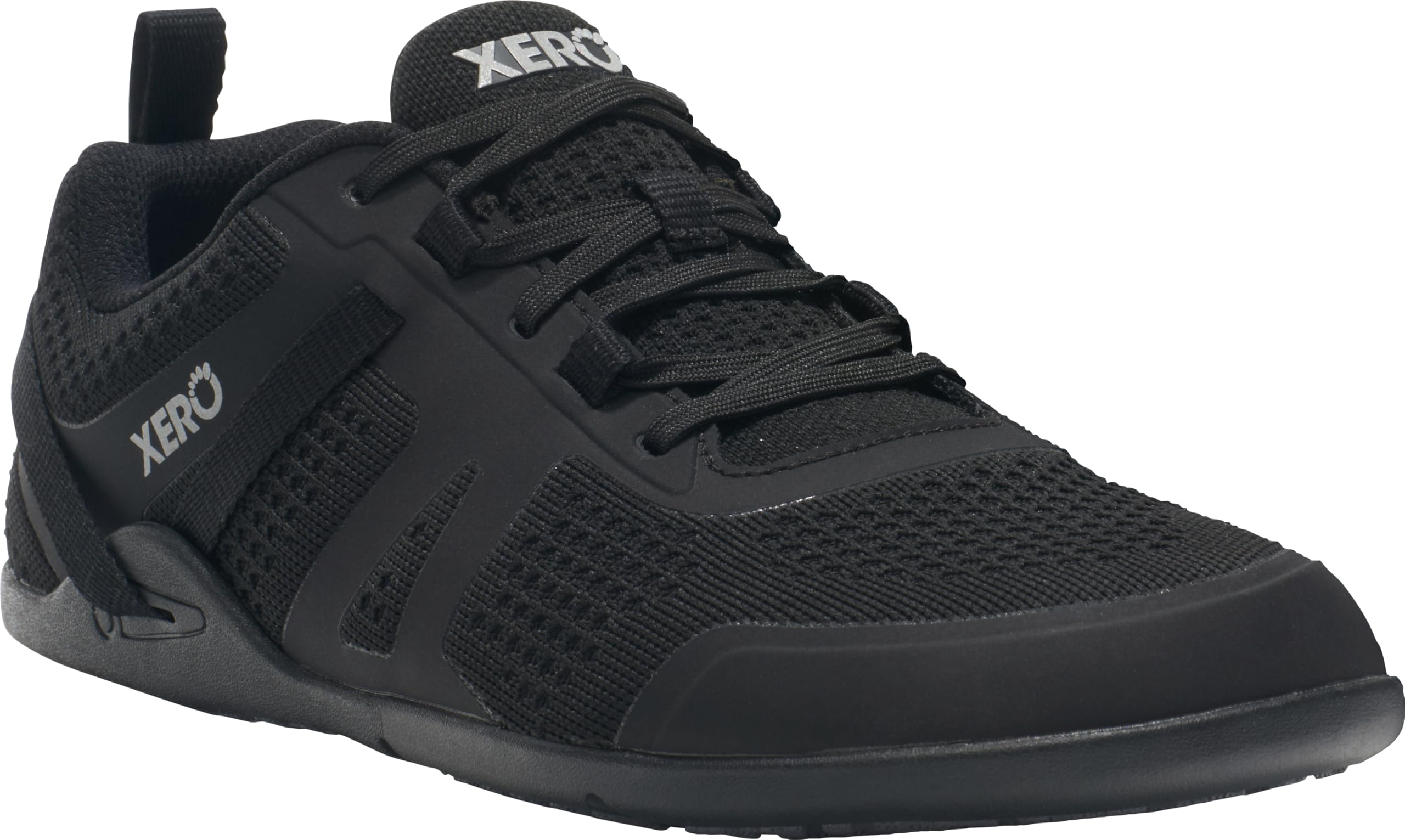
For wide-foot athletes who want ground feel and proprioceptive feedback, the Xero Shoes Prio Neo is the premier option. The 5.5 mm FeelTrue outsole provides just enough protection from gym floor texture while allowing the foot to sense the ground for balance-intensive lifts like single-leg deadlifts and overhead presses. The wide toe box is genuinely foot-shaped, giving each toe room to spread—a critical feature for stability in barefoot-style training.
Several verified purchasers with wide feet switched from traditional gym shoes to the Prio Neo and reported reduced lower back pain and improved foot strength after a two-month adjustment period. The upper is a breathable, durable mesh that holds up well to daily wear, and the rubber outsole uses a shallow tread pattern that won’t trap chalk or gravel. The Prio Neo also transitions well to casual wear, making it a dual-purpose shoe for those who want one pair for the gym and errands.
The thin sole does cause foot soreness during the initial adjustment phase, especially for users accustomed to thickly cushioned trainers. Overuse during the first week can lead to achiness in the arches and calves as the foot adapts to a lower stack height. The Prio Neo is best for dedicated minimalist enthusiasts or for those willing to follow a gradual transition protocol.
Why it’s great
- True foot-shaped toe box for maximum splay
- Thin sole provides exceptional ground feedback
- Improves balance and foot strength over time
Good to know
- Requires gradual transition from cushioned shoes
- Light gray color shows dirt quickly
- Thin sole may cause initial foot soreness
4. Gravity Defyer g-defy Energiya
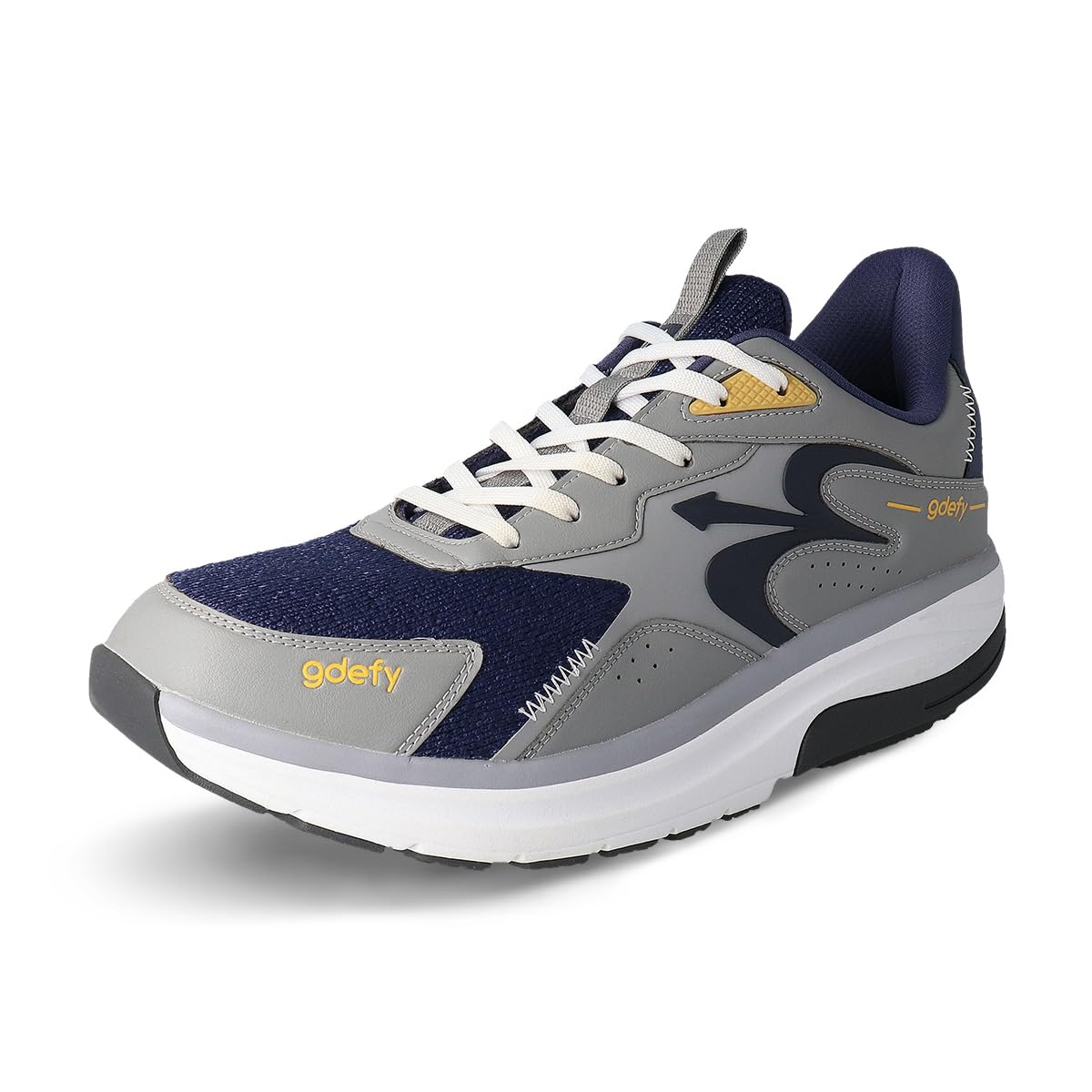
The Gravity Defyer Energiya is built specifically for wide-foot users who spend hours on their feet—whether standing on a warehouse floor, walking a facility, or performing light gym work. The patented VersoShock technology in the heel absorbs impact and returns energy, which reviewers with plantar fasciitis and chronic heel pain found reduced symptoms within days. The wide toe box and removable orthotic-friendly insole make this a strong choice for those who require custom inserts.
Buyers consistently mention that these shoes eliminated arch and heel pain that had persisted through other brands. The upper uses a sparkle fabric that looks more lifestyle-oriented than pure gym, but the construction is sturdy enough for daily use. The outsole features a fine crosshatch pattern that provides good initial traction, though some users noted it picks up fine gravel that doesn’t easily release.
The Energiya is not ideal for heavy lifting or explosive training—the thick sole and pronounced rocker geometry are optimized for walking and standing, not for maintaining a stable platform under a barbell. Sizing up half a size is strongly recommended, as the fit runs slightly short for wide-foot wearers.
Why it’s great
- VersoShock greatly reduces heel and arch pain
- Removable insole accommodates custom orthotics
- Wide toe box with room for toe splay
Good to know
- Sole tread pattern traps small gravel
- Too thick for heavy deadlifts or squats
- Runs short; size up half a size
5. Kizik Lima 2 Slip On
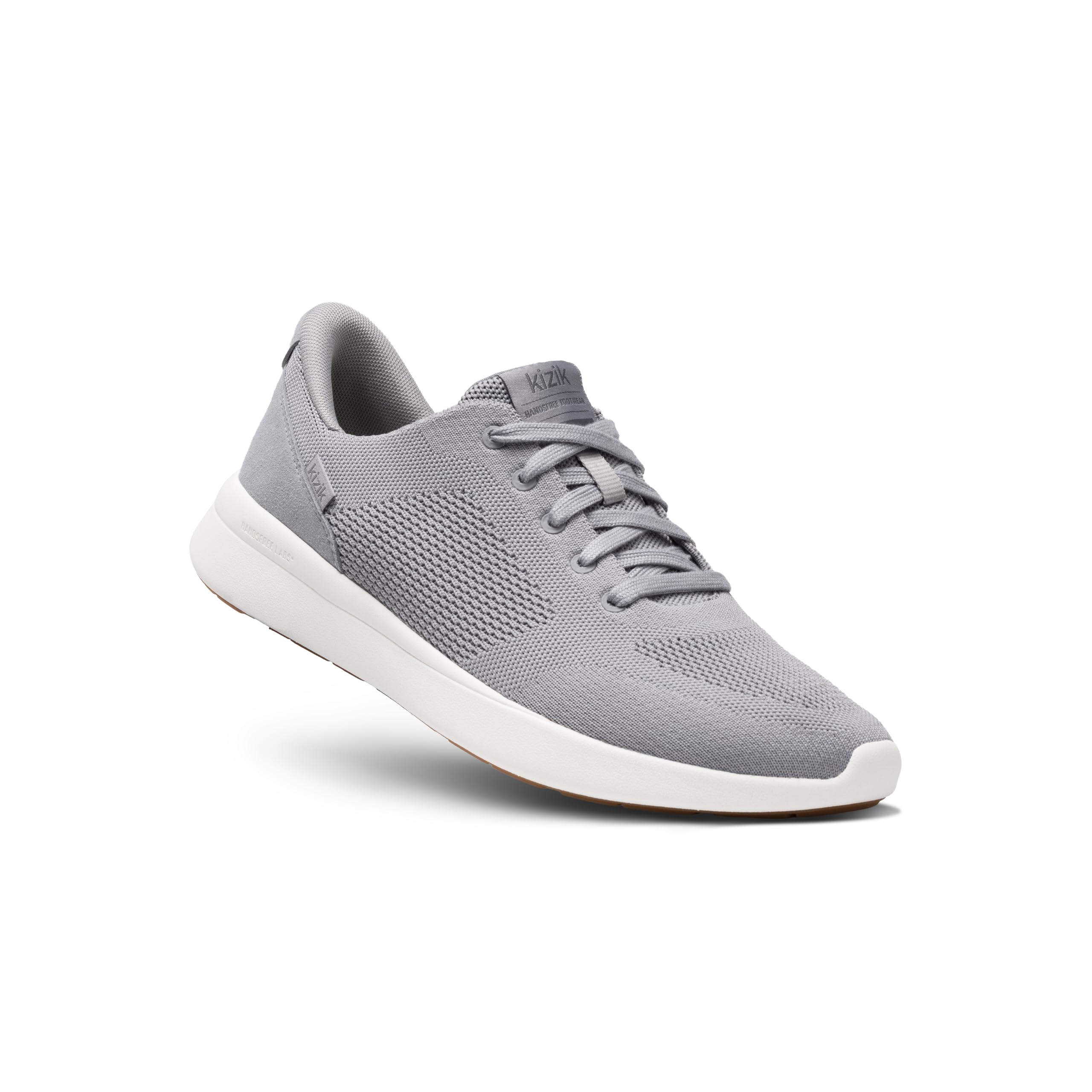
The Kizik Lima 2 solves a specific wide-foot problem: struggling with laces while dealing with edema, neuropathy, or simply wanting a quick transition in and out of the gym. The hands-free slip-on design uses a spring-loaded heel that locks the foot in place once you step in. Buyers with “really wide feet” and those with peripheral edema reported that the Lima 2 provides enough forefoot volume without feeling loose, and that the heel counter stays secure during walking and light gym activity.
Several verified purchasers own multiple pairs and wear them for everything from casual office days to light gym sessions. The shoe’s silhouette leans toward a lifestyle look, but the outsole and midsole provide enough cushioning for treadmill walking, bodyweight circuits, and general gym floor movement. The wide option is noticeably roomier than standard widths from other lifestyle slip-on brands, making this a rare find in the hands-free category.
The fit runs slightly tight in the length—some buyers in size 12 found it comparable to a 12.5 from other brands. The Lima 2 is not built for heavy lifting or agility drills; the cushioning is too thick for a stable deadlift platform, and the slip-on construction lacks the lateral rigidity needed for HIIT work. It’s best understood as a versatile all-day shoe that can handle gym sessions up to moderate intensity.
Why it’s great
- Truly hands-free with secure heel lock
- Generous forefoot volume for wide feet
- Versatile style for gym and casual wear
Good to know
- Not stable enough for heavy compound lifts
- Length runs slightly short; size up
- Not designed for high-intensity lateral drills
6. Under Armour Charged Commit 5
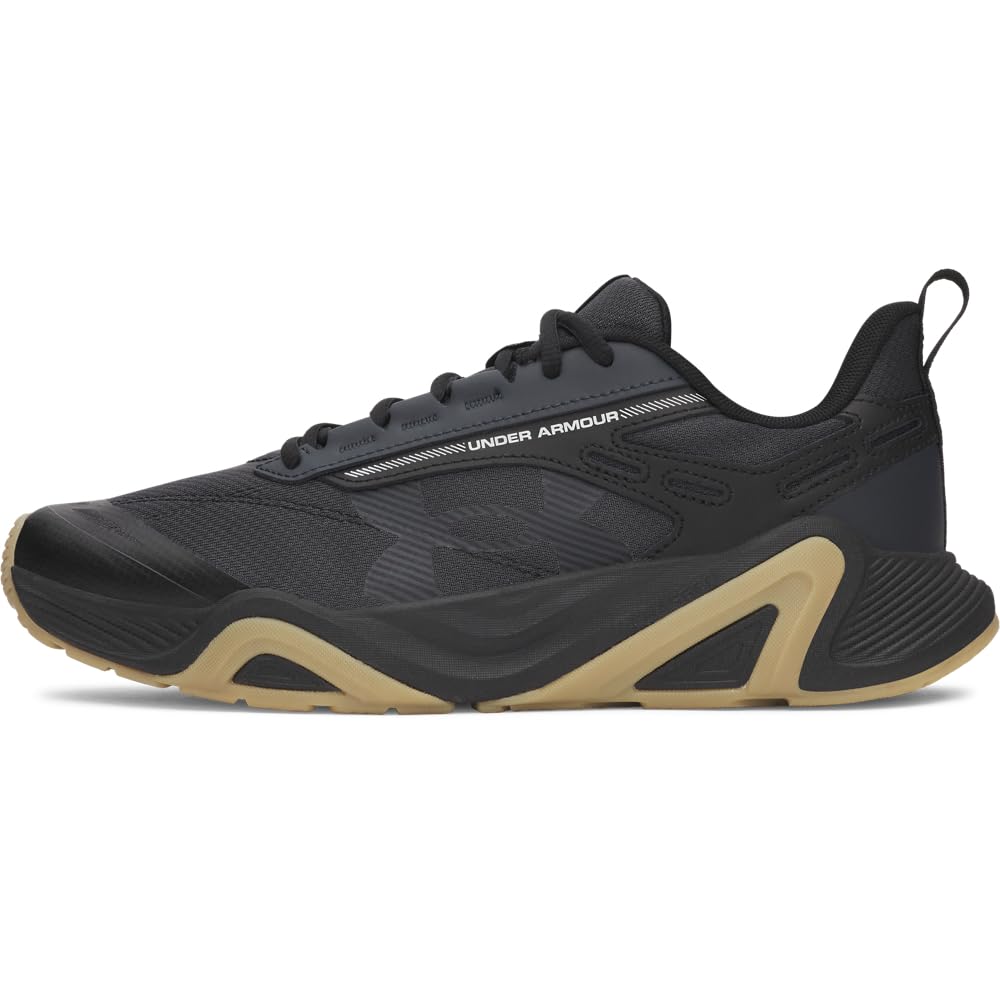
The Under Armour Charged Commit 5 is a direct entry in the wide-foot training category, offering a molded heel that cradles the rear foot while the forefoot provides enough volume for natural toe spread. Reviewers who found previous UA trainers too narrow reported that the Commit 5 fits true to size for wide feet, with a lightweight construction that feels more nimble than the Reign 6. The Charged cushioning midsole delivers responsive energy return for jumping and running, making this a solid choice for circuit training and cardio-heavy gym sessions.
The outsole uses a full rubber wrap that extends up the toe for durability during burpees and mountain climbers. Multiple buyers praised the shoe’s ability to remain comfortable for all-day wear while still providing enough lateral support for resistance training. The aesthetic is modern and clean, with several colorways that appeal beyond pure gym use.
For heavy compound lifts exceeding 300 pounds, the Charged Commit 5’s cushioning compresses slightly under load, reducing stability compared to flat-soled trainers like the Reign 6 or ALTRA Solstice. The molded heel is effective for most users, but those with very narrow heels may experience minor slippage during agility drills. It occupies a middle ground between a dedicated lifting shoe and a running shoe, excelling most in mixed-modality workouts.
Why it’s great
- Lightweight and comfortable for all-day gym wear
- True-to-size wide fit with good forefoot volume
- Responsive cushioning for cardio and HIIT
Good to know
- Compresses under very heavy lifting loads
- Minor heel slip possible for narrow-heeled users
- Not as stable as dedicated flat-soled trainers
7. K-Swiss Men’s ST329 CMF
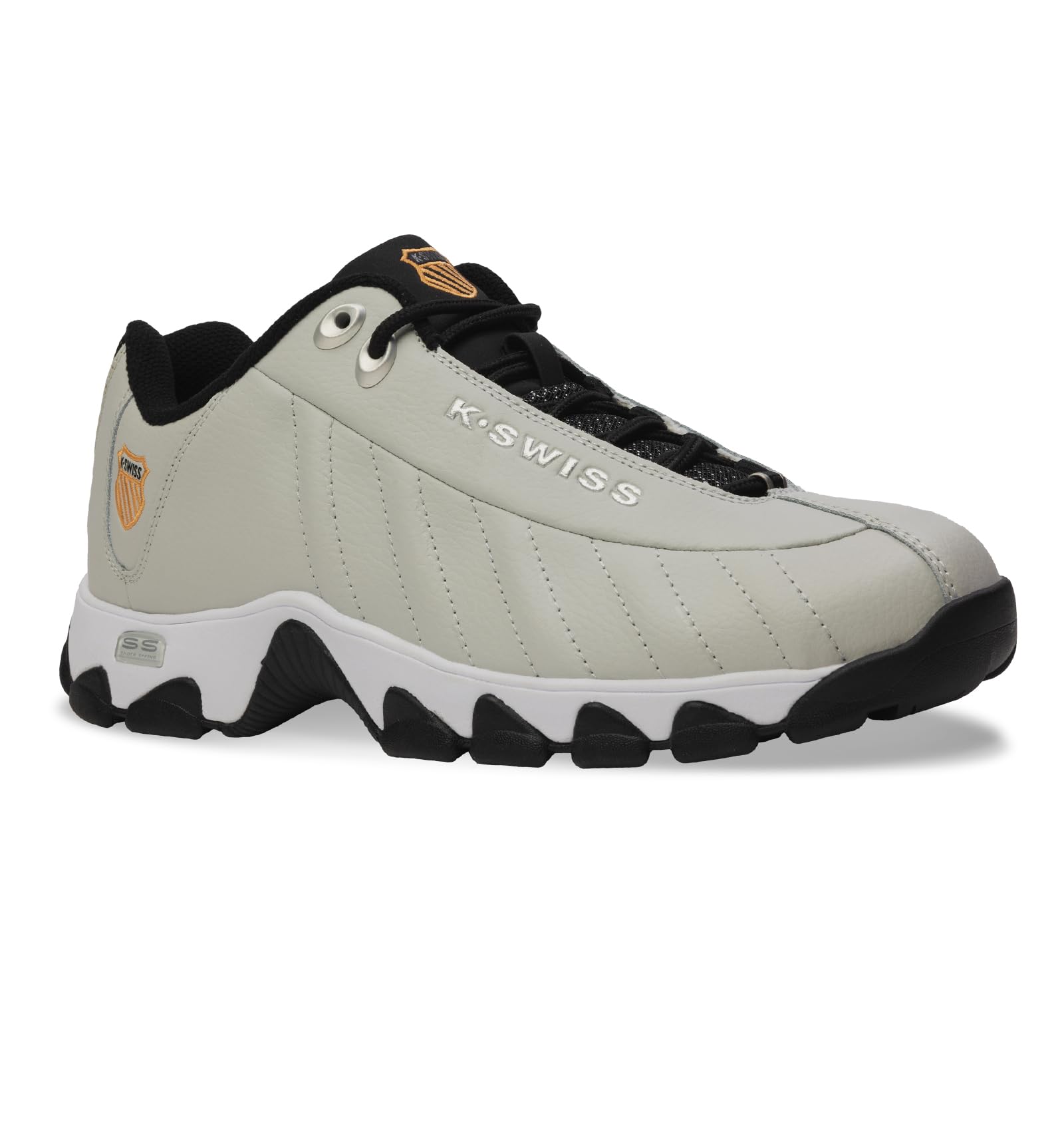
The K-Swiss ST329 CMF has been a cult favorite among wide-foot buyers for over two decades, and the current iteration keeps the same proven last that accommodates 2E and 4E widths with genuine structural room rather than just stretched fabric. The leather upper provides durability that far exceeds its price tier, and the memory foam insole molds to the foot for immediate step-in comfort. Multiple verified purchasers reported buying this shoe repeatedly after the sole eventually wore down from daily heavy use, citing the combination of width, arch support, and affordable replacement cost.
For gym use, the ST329 works best for walking, light lifting, and general gym floor presence. The outsole is tough enough to handle construction-grade abuse, and the thick rubber heel provides good traction on smooth surfaces. The classic tennis-court silhouette looks clean enough for casual wear, and the slip-on ease (through wide lacing) makes it convenient for quick gym sessions.
The memory foam insole can feel warm during extended wear, especially with thicker socks. The sole also uses a bonding method that, after four to five months of heavy daily abuse, may begin to separate at the toe—though this is a durability trade-off at this price point rather than a defect. For dedicated wide-foot lifters on a strict budget, the ST329 offers more value than any other sub-premium wide gym shoe on the market.
Why it’s great
- Genuine 2E/4E width construction, not stretched
- Extremely durable leather upper for daily abuse
- Memory foam insole provides instant comfort
Good to know
- May feel warm inside during extended wear
- Sole bond can separate after months of hard use
- Limited lateral support for dynamic gym drills
FAQ
What does “2E” or “4E” width mean on a gym shoe?
Can I wear zero-drop shoes for weightlifting if I have wide feet?
How do I know if a gym shoe is truly wide or just stretchy?
Final Thoughts: The Verdict
For most users, the best gym shoes for wide feet winner is the Under Armour TriBase Reign 6 because it delivers the rare combination of a genuinely wide toe box with a secure heel lock and a flat, stable platform for lifting. If you want anatomical toe freedom and zero-drop mechanics, grab the ALTRA Solstice XT 3. And for a budget-friendly option that still offers genuine 2E/4E width construction, nothing beats the K-Swiss ST329 CMF.