
The gap between a good lift and a great one often starts at your feet. A training shoe that compresses under a heavy barbell or lets your heel lift during a squat is a direct leak of power and stability. Choosing footwear designed for the demands of the gym floor—rather than a running shoe built for forward motion—changes how your body transfers force into every rep.
I’m Mohammad Maruf — the founder and writer behind Drink4Good. I’ve spent years analyzing training hardware, from barbell knurl patterns to outsole compounds, to understand which gear actually delivers measurable performance gains for lifters and athletes.
This guide breaks down seven models engineered for different gym disciplines, from Olympic lifting to high-intensity circuit training. It’s built to help you identify the right pair of best gym training shoes for your specific routine, foot shape, and performance goals.
How To Choose The Best Gym Training Shoes
Picking the right training shoe starts by matching the shoe’s core design to the main demands of your workouts. A powerlifter needs different platform stability than a CrossFit athlete who moves between squats and box jumps.
Sole Firmness and Heel Elevation
The most important distinction in gym footwear is whether the sole compresses under load. Running shoes have thick, soft foam that absorbs impact—great for roads, terrible for squats. A dedicated training shoe uses a firmer, often elevated heel (typically 0.5 to 0.75 inches) made from dense wood, TPU, or layered rubber. This elevation reduces the ankle range of motion needed to reach depth in a squat, helping you stay upright. For deadlifts and Olympic lifts, a flat, non-compressible sole provides a solid platform for force transfer.
Toe Box Shape and Upper Material
Your toes need to splay for balance during heavy lifts. A narrow toe box pinches the forefoot and reduces stability. Look for a wider toe box, especially if you have a wider foot or plan to wear the shoes for more than an hour. The upper material should balance breathability (mesh or knit) with durability (leather or synthetic overlays) where the shoe bends during lunges and burpees.
Outsole Grip and Lateral Support
Gym floors are polished concrete or rubber matting. A smooth, flat rubber outsole grips well for squats but may lack traction for cutting movements. Patterns with multidirectional lugs work better for agility drills. If your training includes jumping, side shuffles, or sprints, look for a shoe with reinforced sidewalls or a medial wrap to resist rollover during lateral pushes.
Quick Comparison
On smaller screens, swipe sideways to see the full table.
| Model | Category | Best For | Key Spec | Amazon |
|---|---|---|---|---|
| Reebok Nano X5 (Men’s) | Cross Training | Versatile lifting & HIIT | Flat, non-compressible sole | Amazon |
| adidas Powerlift 5 | Weightlifting | Olympic lifting & squats | 0.6-inch elevated TPU heel | Amazon |
| Nordic Lifting VENJA | Weightlifting | Beginner lifting stability | Wooden heel with TPU wrap | Amazon |
| Reebok Nano X5 (Women’s) | Cross Training | Weight training & cardio | Wide toe box for grip | Amazon |
| Reebok Nano Gym | Cross Training | General gym & Zumba | Firm arch support | Amazon |
| adidas Kaptir 4.0 | Casual/Athleisure | Treadmill & daily wear | Stretch-knit upper, roomy toe box | Amazon |
| Puma Softride Enzo 5 | Cross Training | Budget-friendly gym & walk | Pull-on design with cushioned sole | Amazon |
In‑Depth Reviews
1. Reebok Nano X5 (Men’s)
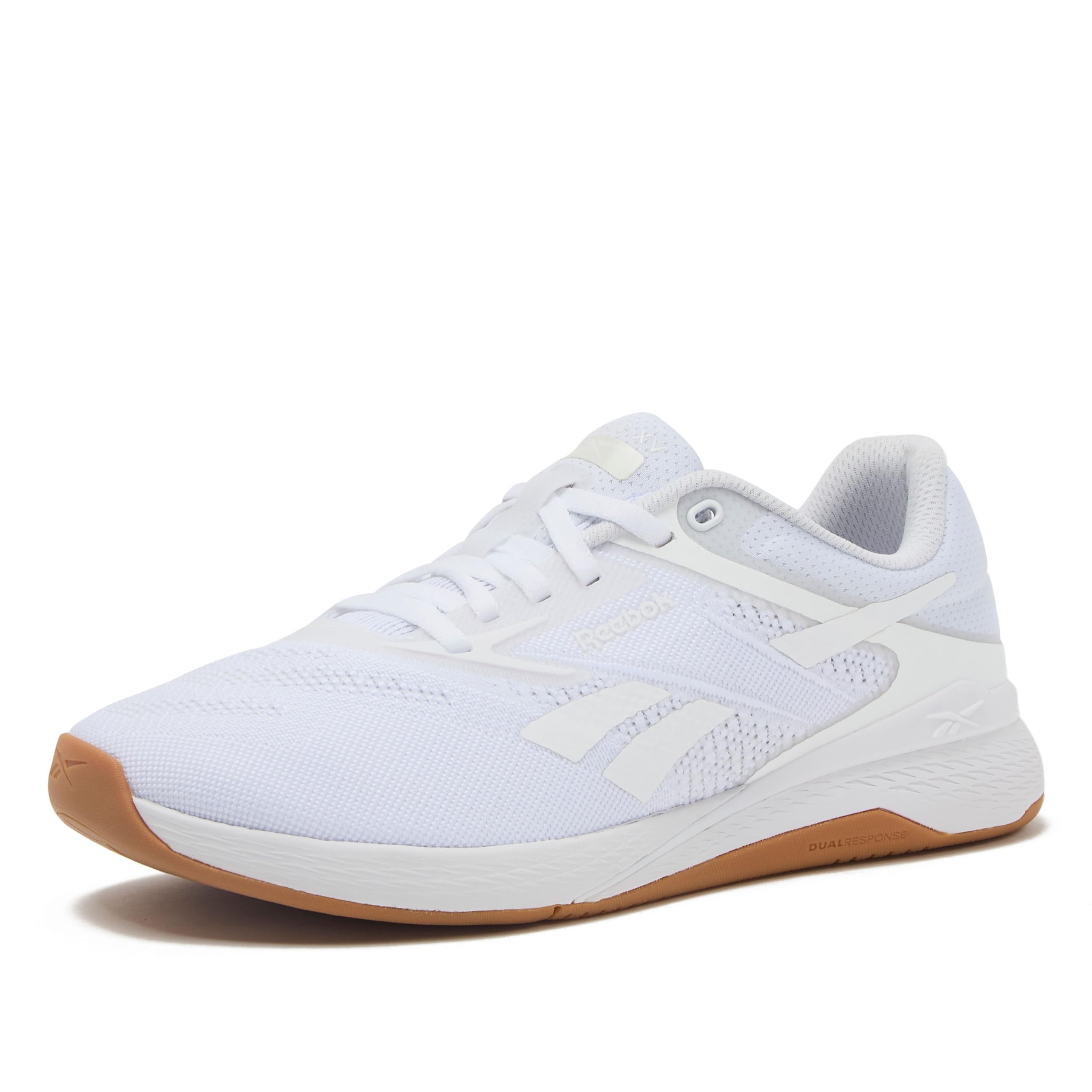
The Reebok Nano X5 earns the top spot because it does what a true cross-trainer must: provide a flat, non-compressible sole for heavy lifts while retaining enough flex for dynamic movement. Users consistently report that the sole eliminates the rocking sensation common in running shoes during split squats and deadlifts. The wide toe box allows toes to splay naturally for grip on the platform, and the hard rubber outsole delivers solid, non-slip steps on every rep.
Arch support is another strong point. Reviews from lifters with plantar fasciitis note that the Nano X5 offers enough medial support to reduce foot fatigue during long sessions. The upper is breathable yet sturdy, holding up to rope climbs and lateral pushes without tearing. Sizing runs slightly large—most users recommend going a half size down from your normal sneaker size for a locked-in fit.
This is the shoe for anyone who moves between the squat rack and the rig in a single workout. It handles strength work, burpees, and box jumps with equal composure. Just don’t plan on running long distances in them—the firm sole lacks the cushioning for sustained road work.
Why it’s great
- Flat, non-compressible sole provides rock-solid stability for squats and deadlifts
- Wide toe box allows natural toe splay and improves grip on the platform
- Strong arch support suitable for plantar fasciitis sufferers
Good to know
- Runs large; sizing down a half size is recommended for a snug fit
- Too flat and firm for long walks or running sessions
2. adidas Powerlift 5
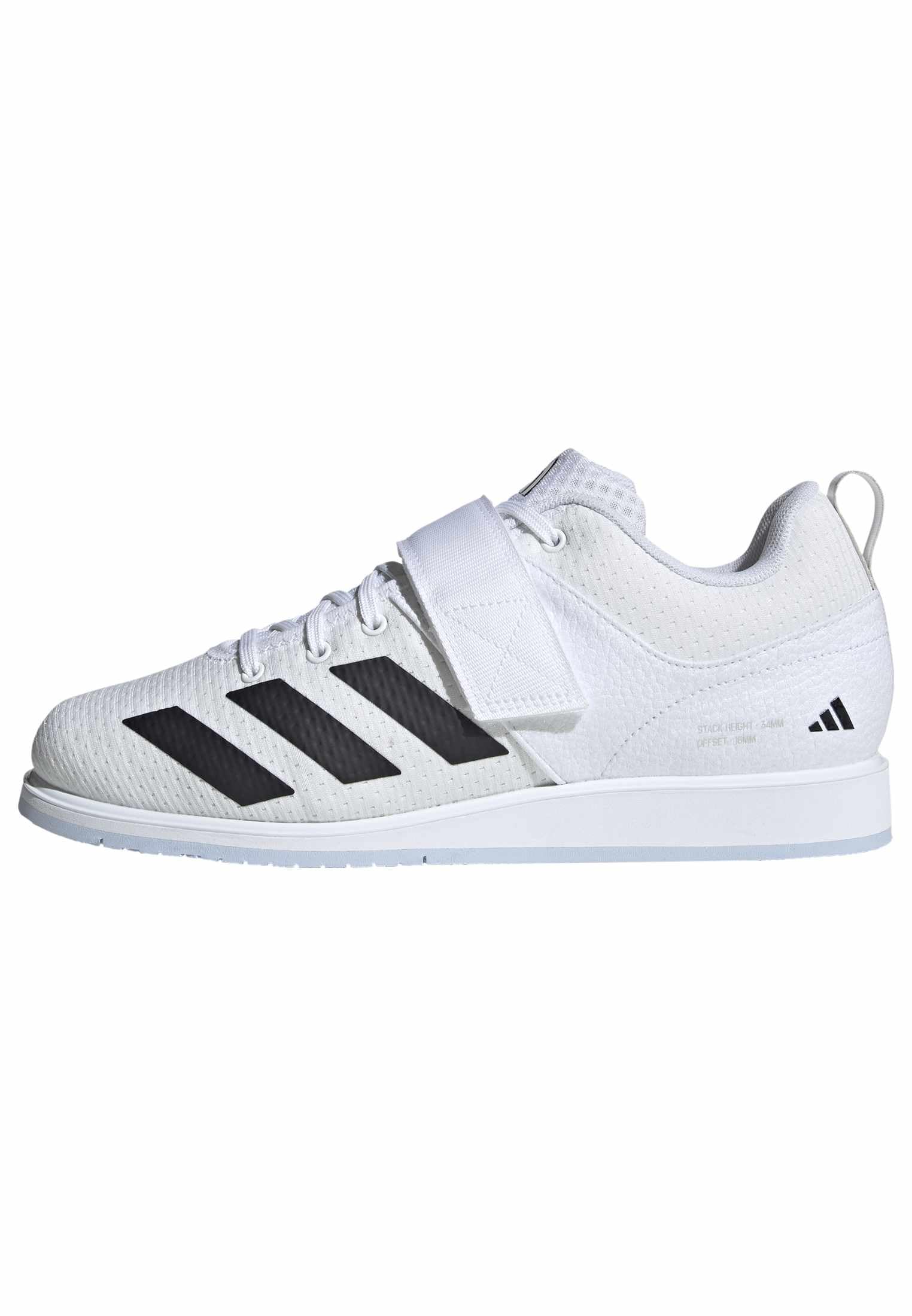
The adidas Powerlift 5 is the entry point into dedicated weightlifting footwear. Its defining feature is the elevated heel—approximately 0.6 inches of dense TPU that reduces the ankle dorsiflexion required to hit depth in a squat. Users report that this heel instantly improves squat alignment, activates the quads and glutes more effectively, and reduces shoulder strain during the front squat by keeping the torso more upright.
The upper is snug and supportive, constructed from a durable synthetic material that holds the foot in place under heavy loads. A single Velcro strap across the midfoot locks the heel down, preventing any sliding during the ascent of a heavy squat or clean. Multiple reviewers note that the shoe eliminated knee pain they experienced in soft-soled trainers—direct evidence that stability transfers into joint health.
The trade-off is fit. The Powerlift 5 runs narrow, especially in the toe box. Users with wider feet or bunions should size up a full half size, or look at the Nano X5 for a roomier forefoot. This is a specialized tool for squat and Olympic lift sessions—not a shoe for jumping, running, or general conditioning work.
Why it’s great
- Elevated TPU heel improves squat depth and torso angle
- Midfoot strap locks the heel in place under heavy loads
- Firm, non-compressible sole transfers force directly into the platform
Good to know
- Narrow toe box; not suitable for wide feet without sizing up
- Not designed for dynamic cardio, jumping, or running
3. Nordic Lifting VENJA

The Nordic Lifting VENJA delivers a traditional wooden heel (wrapped in TPU) at a budget-friendly price point. This is a classic weightlifting shoe construction: a raised, rigid heel paired with a flat, non-compressible forefoot. Users stepping into weightlifting shoes for the first time will immediately notice the difference in stability compared to sneakers. One reviewer summarized it as a “near-perfect training shoe” after switching from the Adidas Powerlift line.
The fit is accommodating for a wider foot. The toe box offers enough room for splay, and the leather upper conforms over time without stretching into a loose shape. The sole is slightly more flexible at the forefoot than pure competitor models, making it more comfortable for walking between stations or adding light dynamic warm-ups before the heavy work begins.
At this price, the VENJA is an excellent entry point for anyone curious about weightlifting shoes. It provides the heel elevation and sole rigidity needed for squats and overhead presses, and it holds up well over months of use. It doesn’t match the finishing or exact midfoot lockdown of the adidas Powerlift 5, but for the cost difference, it remains a smart, functional choice.
Why it’s great
- Wooden heel with TPU wrap provides classic rigid stability for heavy lifts
- Wider toe box accommodates splay and wider foot shapes
- Forefoot flexibility makes it easier to walk between stations
Good to know
- Finishing and midfoot lockdown not as precise as premium models
- Not designed for dynamic or lateral movements
4. Reebok Nano X5 (Women’s)
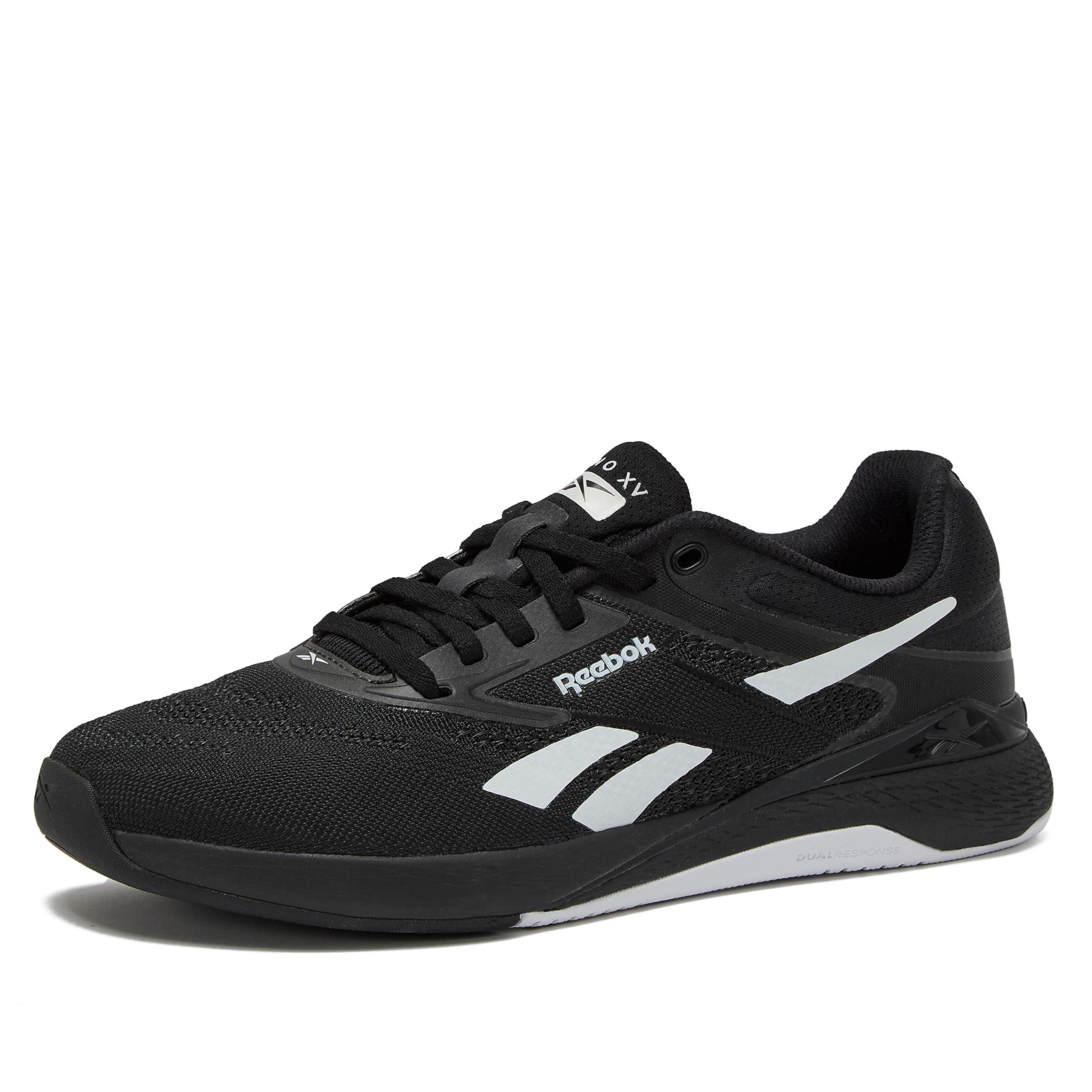
This women’s version of the Nano X5 shares the core traits that make the Nano line a CrossFit staple: a flat, stable sole that eliminates rocking during lifts, a wide toe box for grip, and a breathable upper. Women in the review pool consistently praise its fit, especially those with narrow feet who struggle to find shoes that don’t slip. A size 12 reviewer noted it was the only shoe that fit her foot without extra width, calling them both her gym and everyday shoe.
Arch support is strong enough for plantar fasciitis sufferers, and the sole provides a solid ground feel for heavy deadlifts and squats. The shoe also retains enough flexibility in the forefoot for cardio intervals, box jumps, and burpee transitions—making it a true cross-trainer rather than a pure lifting shoe. Multiple reviewers are on their third pair, which speaks to long-term durability.
The main drawback is that the shoe runs wide for those with very skinny ankles or narrow feet. A few users report a slight squeak when walking and note the shoe is too flat and firm for long walks or errands. This is a gym-only tool, not a lifestyle sneaker.
Why it’s great
- Flat, non-compressible sole ideal for weight training and stability
- Wide toe box accommodates natural toe splay
- Strong arch support suitable for plantar fasciitis
Good to know
- Runs wide; not ideal for very narrow feet or skinny ankles
- Too flat and firm for long walks or running errands
5. Reebok Nano Gym
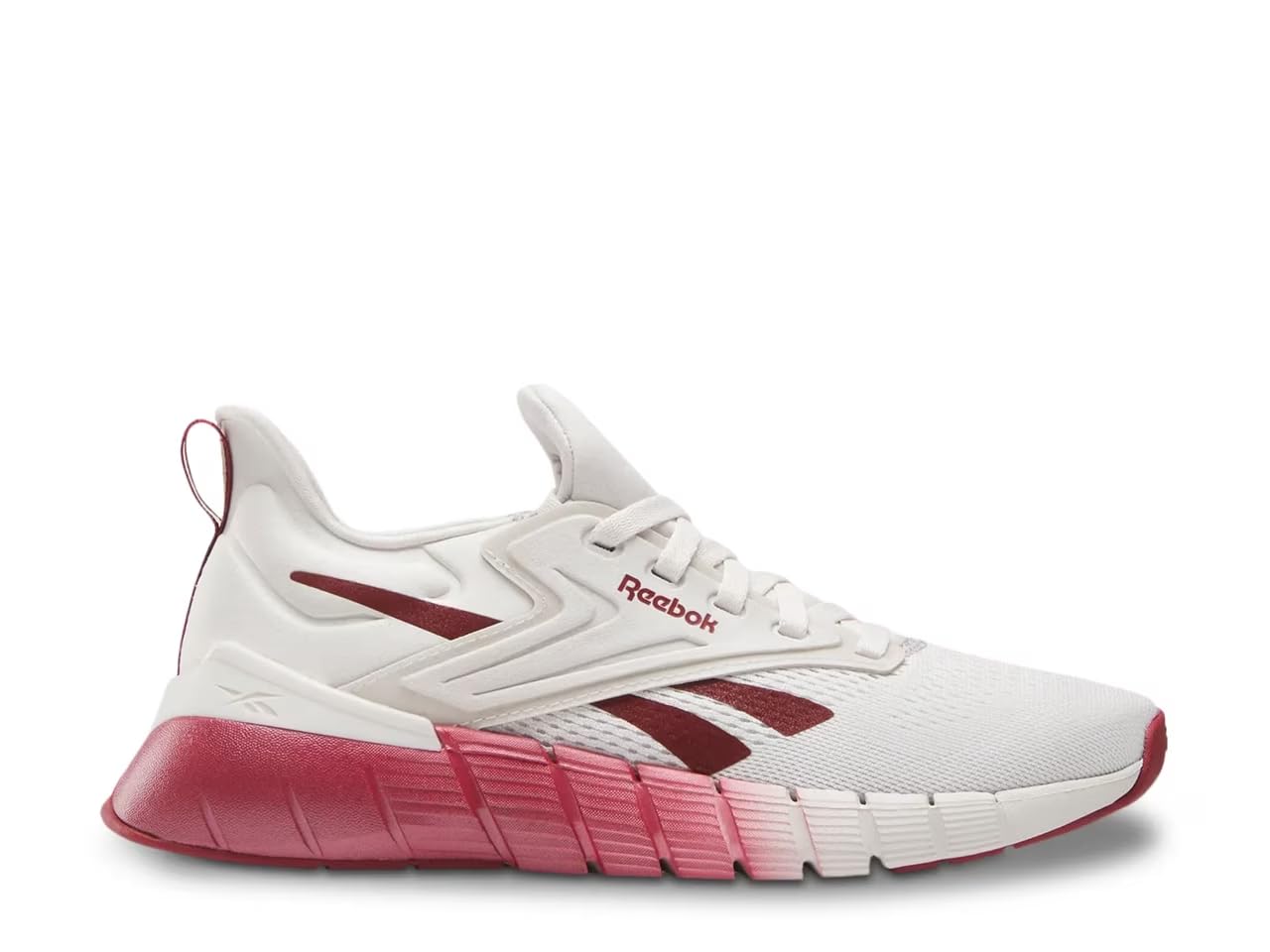
The Reebok Nano Gym is positioned as a lighter, more flexible sibling to the Nano X5. It retains the firm arch support and durable construction that Nano fans expect, but with a slightly softer, more forgiving sole. This makes it a better match for workouts that involve more dynamic movement—Zumba, light plyometrics, and general fitness classes—while still providing enough stability for moderate weight training.
Users report true-to-size fit and excellent arch support. The toe box is slightly narrower than the Nano X5, but still comfortable for most foot shapes. The one-piece upper design (no separate tongue) creates a clean look but can feel snug across the top of the foot for some users. Multiple reviewers note the shoe holds up well after six months of regular use, showing minimal wear on the outsole and upper.
The Nano Gym is a good choice for the gym-goer who does a mix of light lifting, cardio, and flexibility work. It doesn’t have the rigid heel of a dedicated lifting shoe or the aggressive grip of a HIIT-specific trainer, but it offers a comfortable middle ground for general strength and fitness.
Why it’s great
- Firm arch support with a more forgiving sole for dynamic movement
- Durable construction holds up well after months of regular use
- True-to-size fit with good overall comfort
Good to know
- One-piece upper can feel snug across the top of the foot
- Not stable enough for heavy Olympic lifting or maximal squats
6. adidas Kaptir 4.0
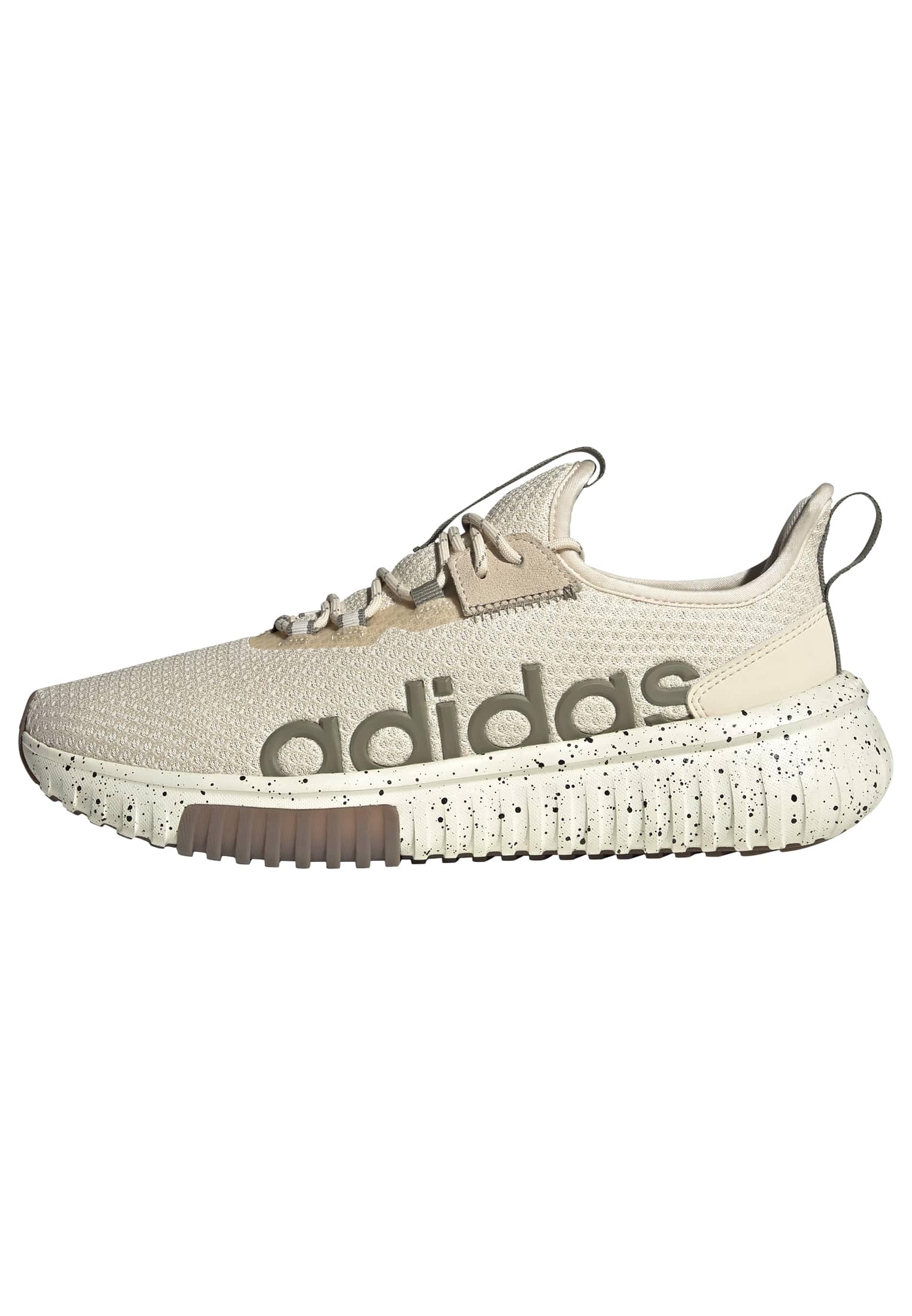
The adidas Kaptir 4.0 sits in the casual/athleisure category rather than the pure training shoe segment. Its stretch-knit upper and EVA midsole provide a soft, comfortable step that works well for treadmill walking, light gym sessions, and everyday wear. The roomy toe box is a standout feature—users with bunions or wider feet specifically praise the fit, noting it allows the forefoot to spread naturally.
The sole is cushioned and flexible, making the Kaptir 4.0 comfortable out of the box with zero break-in period. It breathes well and looks clean in casual settings. Several users mention it works for light treadmill running, though it lacks the firm platform needed for heavier weight training. The laces are reported to be excessively long, a minor annoyance easily fixed with a proper knot.
If your gym routine is limited to cardio, light calisthenics, and machine work, the Kaptir 4.0 is a solid, comfortable option at an accessible price point. For anyone who squats or deadlifts heavy, however, the compressible sole and lack of lateral support make it a poor choice for the weight room.
Why it’s great
- Roomy toe box accommodates bunions and wider feet comfortably
- Stretch-knit upper is breathable and requires no break-in
- Light, cushioned sole comfortable for treadmill and casual wear
Good to know
- Compressible sole lacks stability for heavy weight training
- Laces are excessively long and may need to be replaced
7. Puma Softride Enzo 5
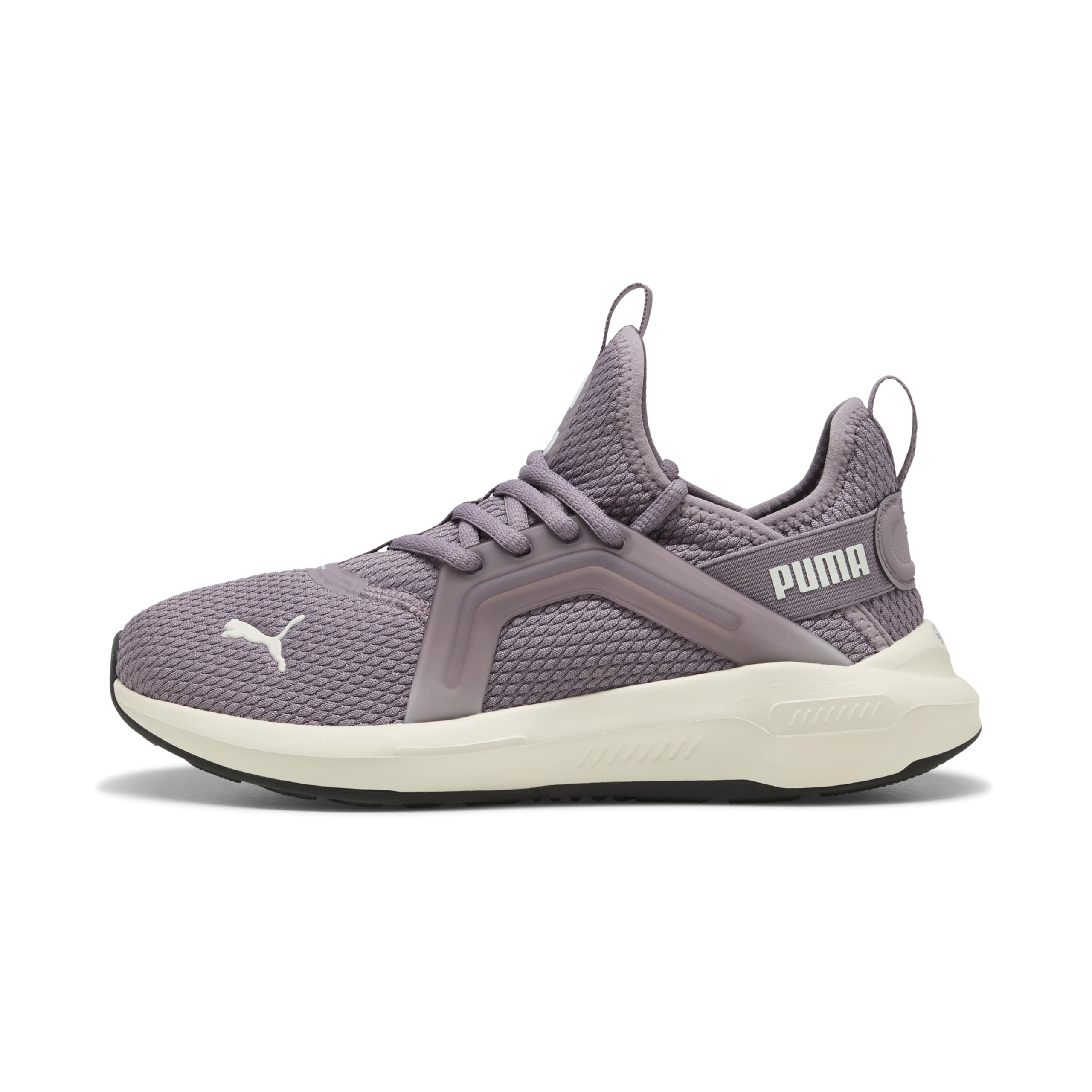
The Puma Softride Enzo 5 is the entry-level option in this list, offering a budget-friendly price for those who need a versatile shoe for walking, running, and light gym work. The pull-on design with slip-in construction makes them easy to get on and off, and the Softride EVA midsole provides a cushioned, comfortable step. Users consistently note the shoe is true to size and offers a classy, non-chunky silhouette that works for daily errands as well as the gym.
Arch support is surprisingly good at this price level. Multiple reviewers describe the fit as supportive and roomy for wider feet. The outsole holds up well compared to more expensive brands—one user reported outlasting both OnClouds and Reeboks in durability. The shoe is lightweight and flexible, making it a good match for walking and light jogging.
The trade-off for the low price is that the Softride Enzo 5 lacks the rigid sole and lateral support needed for any serious weight training. The cushioned midsole compresses under load, making squats and deadlifts less stable. This is a solid choice for the casual gym-goer or someone who prioritizes comfort and value, but not for the dedicated lifter.
Why it’s great
- Pull-on design offers easy, slip-in convenience
- Good arch support and a roomy fit for wider feet
- Durable outsole that outlasts some premium competitors
Good to know
- Cushioned midsole compresses under heavy loads, reducing stability
- Not suitable for heavy weightlifting or lateral movements
FAQ
Can I use running shoes for weightlifting?
What is the ideal heel drop for a gym training shoe?
How should gym training shoes fit compared to casual sneakers?
Can I replace the insole in my training shoes?
Final Thoughts: The Verdict
For most users, the best gym training shoes winner is the Reebok Nano X5 (Men’s) because it delivers the flat, stable sole needed for heavy lifts with enough flexibility for dynamic conditioning. If you want a dedicated heel for Olympic lifting and squats, grab the adidas Powerlift 5. And for a budget-friendly entry into weightlifting shoes, nothing beats the Nordic Lifting VENJA.