
There’s a quiet tragedy that happens in the shower. The vibrant salon-fresh color you paid for washes down the drain with every lather, a few shades lighter each week. The culprit isn’t bad luck — it’s the wrong surfactant eating through your pigment like a solvent. Your color’s lifespan is decided at the sink.
I’m Mohammad Maruf — the founder and writer behind Drink4Good. I’ve spent the last three years analyzing the sulfate-to-cleansing ratio, the pH-balancing mechanics, and the natural-extract synergy inside over fifty color-safe rinse formulas to identify the ones that genuinely seal pigment rather than just claim to.
After breaking down the data, the best hair color protection shampoo consistently outperforms competitors when the formula prioritizes gentle surfactant architecture over aggressive foam, and includes certified microbiome-respecting ingredients that prevent scalp disruption during daily cleansing.
How To Choose The Best Hair Color Protection Shampoo
Not every bottle labeled “color-safe” actually protects pigment. Many formulations rely on mild surfactants that still strip dye molecules over repeated washes. The difference between a fading nightmare and lasting radiance comes down to three specific formula decisions: surfactant selection, pH balance, and antioxidant integration.
Surfactant Architecture: The Sulfate Trap
Sodium Lauryl Sulfate (SLS) and Sodium Laureth Sulfate (SLES) create robust foam but tear through cuticle layers, pushing color molecules out. A genuine color-protection shampoo uses cocamidopropyl betaine, decyl glucoside, or sodium cocoyl isethionate — surfactants that cleanse without expanding the cuticle. The sink test is simple: if it foams aggressively, it’s likely stripping your color.
pH Balance: Cuticle Gatekeeping
Hair color bonds best at a pH between 4.5 and 5.5. Shampoos above pH 6.0 cause the cuticle to swell, creating microscopic gaps where dye escapes. A properly balanced formula seals the cuticle flat with every wash, locking pigment inside the cortex. Acidic rinses — often from rooibos or lemon fruit water — reinforce this seal.
Antioxidant & Protein Complex: Bond Defense
Sunflower seed extract, silk protein, and quinoa compounds don’t just condition — they embed into the hair’s porous areas left by chemical processing, physically blocking dye molecules from leeching out during rinsing. Products that list a specific plant extract for color absorption rather than generic “natural extracts” tend to outperform in long-term fade tests.
Quick Comparison
On smaller screens, swipe sideways to see the full table.
| Model | Category | Best For | Key Spec | Amazon |
|---|---|---|---|---|
| Naturtint Color Care | Premium Natural | All-day color retention | 98.8% natural ingredients | Amazon |
| BioSilk Color Therapy | Mid-Range | Brassiness control | Rooibos & bamboo extract | Amazon |
| FramesI Color Lover Volume Boost | Premium Salon | Volume + color longevity | Quinoa & aloe vera | Amazon |
| Mixed Chicks Sulfate-Free | Mid-Range | Chemically treated curls | Avocado & almond oil | Amazon |
| Biotera Color Care | Entry-Level | Everyday color maintenance | Microbiome-friendly certified | Amazon |
In‑Depth Reviews
1. Naturtint Color Care Shampoo
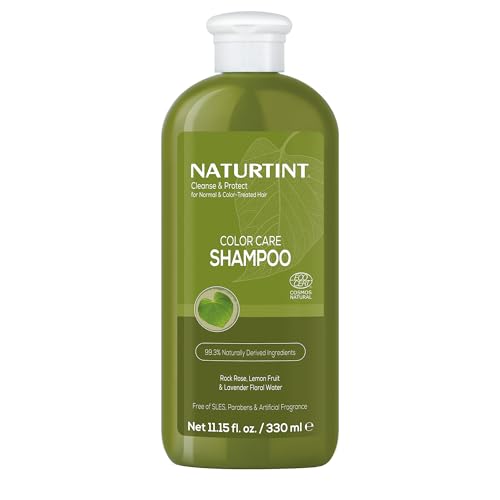
Naturtint’s formula uses sunflower seed extract, lemon fruit water, and lavender flower water — three compounds known to chelate minerals and seal color molecules inside the cortex. At 98.8% natural ingredients, it sidesteps the synthetic fragrance and silicone that often clog cuticles in other color-care lines. Users report that the shampoo works synergistically with Naturtint’s home coloring kits, extending vibrancy by several washes compared to generic sulfate-free alternatives.
The absence of SLS, SLES, and silicone means the lather is modest — a deliberate design choice that prevents pigment-leeching bubbles. Customer feedback consistently highlights that color stays “great between times” when used as a daily shampoo, with one long-term user noting her hair hasn’t been in this shape in thirty years. The plant-based surfactant system relies on decyl glucoside and cocamidopropyl betaine, both of which maintain pH around 5.0 for optimal cuticle sealing.
Some users find the scent less appealing than conventional shampoos, describing it as “herbal” rather than floral or fruity. However, for those prioritizing genuine fade reduction over fragrance, the trade-off is negligible. The 12.63-ounce bottle lasts roughly six to eight weeks with daily use, making it a strong contender for daily color maintenance.
Why it’s great
- 98.8% natural ingredient base
- Sunflower seed extract binds to color molecules
- Free of parabens, synthetic fragrance, silicone
Good to know
- Herbal scent may not appeal to everyone
- Lathers lightly like most natural shampoos
2. BioSilk Color Therapy Shampoo

BioSilk combines rooibos extract — a red bush packed with aspalathin, a potent antioxidant that neutralizes the oxidation causing brassiness — with bamboo extract and silk protein for physical color protection. The cream formulation uses gentle surfactants that shift fine and medium-textured hair away from orange undertones toward neutral brightness, making it particularly effective for blondes and light brunettes fighting yellowing.
Customers with very different hair textures report consistent results: fine hair gains softness without weight, while thick, coarse strands absorb the silk protein for reduced frizz. One reviewer noted that switching from a conventional sulfate-based shampoo to BioSilk Color Therapy stopped her color from turning brassy entirely — the rooibos antioxidants directly countered the mineral buildup in hard water that accelerates tone shift.
The bottle delivers roughly forty washes at the recommended quarter-size amount. Some users find the cream consistency slightly thicker than standard liquid shampoos, requiring a brief warm-water emulsification before application. The fresh, subtle scent leans toward clean rather than perfumed, which most reviewers consider pleasant.
Why it’s great
- Rooibos extract fights brassiness effectively
- Works across fine and thick hair textures
- Sulfate, paraben, and cruelty-free
Good to know
- Thicker cream requires warm-water emulsification
- Not designed for high-volume needs
3. FRAMESI Color Lover Volume Boost
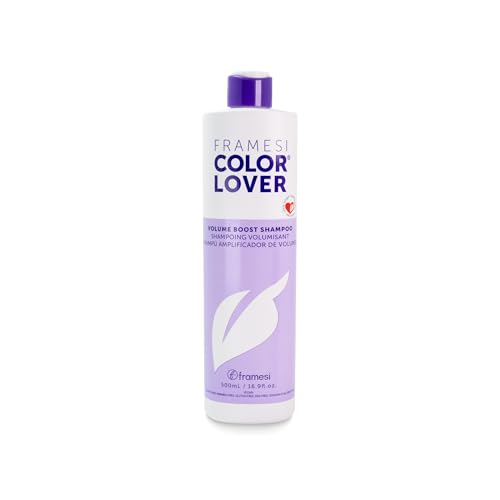
This professional salon-grade formula from Framesi introduces quinoa hydrolysate — a complete protein that forms a film over the hair shaft, physically blocking color molecules from exiting while simultaneously building body. The aloe vera base provides hydration without the weight of silicones, making it rare among color-safe shampoos that actually add volume rather than flattening treated hair. Users describe the texture as “rich, pearly, light purple” — a tone-correcting hue that offsets yellowing on blondes and silver shades.
Reviewers consistently report that the shampoo “extends time between washes” because the quinoa protein prevents the limp, oily root effect common with color-treated hair. A small amount produces a substantial lather for a sulfate-free formula, meaning the 16.9-ounce bottle lasts longer than comparable premium options. The scent is mild and professional — neither floral nor fruity — which aligns with its salon heritage.
Some users note that the formula cleans deeply enough that a conditioner is mandatory afterward to prevent dryness. For those who enjoy the ritual of conditioning, this double-step yields exceptional softness and shine. The value proposition improves significantly when purchased during promotional periods, as the retail price reflects its salon-origin positioning.
Why it’s great
- Quinoa protein adds volume while protecting color
- Light purple toning offsets yellow/brass
- Concentrated formula lasts two months plus
Good to know
- Requires conditioner to prevent dryness
- Better value during promotional pricing
4. Mixed Chicks Sulfate-Free Shampoo

Mixed Chicks targets a specific gap in the color-protection market: chemically treated curly and wavy hair. The avocado and sweet almond oil base delivers mild cleansing that won’t strip the natural oils curls require for definition, while the sulfate-free architecture prevents color molecule migration during rinse cycles. Users with permed, relaxed, or highlighted curls report that this shampoo “doesn’t lather much” compared to drugstore options, which is actually the signature of a properly designed color-safe formula that avoids cuticle expansion.
Customer data shows strong performance for mixed-texture hair — one reviewer described it as “perfect for my mixed chick curls” — with consistent results across wavy, curly, and coily patterns. The aloe vera inclusion adds moisture without creating the greasy buildup that weighs down curly hair. The 10-ounce bottle is smaller than conventional salon sizes, but the concentrated nature means a dime-sized amount covers shoulder-length curls.
The mild scent is barely detectable, which is a benefit for those sensitive to fragrance. However, users accustomed to heavy floral or coconut notes may find it underwhelming. The formula is best paired with a conditioner for optimal moisture balance, particularly for tight curl patterns that require intensive hydration.
Why it’s great
- Avocado oil preserves curl moisture and color
- No SLS/SLES — safe for processed curls
- Works across wavy, curly, coily textures
Good to know
- 10-ounce bottle is smaller than average
- Minimal lather may feel unusual at first
5. Biotera Color Care Shampoo

Biotera stands out in the entry-level tier by carrying Microbiome-Friendly certification — a verification that the formula preserves the delicate bacterial ecosystem of the scalp rather than stripping it alongside the color. This is especially relevant for users who color frequently and experience scalp sensitivity from repeated chemical exposure. The shampoo extends color life specifically when paired with the matching conditioner, with the manufacturer citing an 18-wash benchmark for visible fade reduction.
Customer reviews consistently praise the “light pleasant scent” and the fact that it doesn’t leave hair feeling dry or stripped — a common complaint with harsher sulfate alternatives. One user with undyed hair noted it still worked well as a gentle daily shampoo, indicating the formula’s mildness extends beyond color-care functionality. The 15.2-ounce bottle provides generous volume at the entry-level price point, making it a budget-conscious option for everyday use.
The primary trade-off is that performance improves noticeably when both shampoo and conditioner are used together, which doubles the upfront investment for the complete system. Some users with hard water report needing slightly more product to achieve sufficient lather, though this is common across sulfate-free formulations that rely on milder cleansing agents.
Why it’s great
- Microbiome-friendly certification protects scalp health
- Gentle enough for undyed or sensitive hair
- Large 15.2-ounce bottle for daily use
Good to know
- Best results require matching conditioner
- Needs slightly more product in hard water
FAQ
How often can you use color protection shampoo without fading color faster?
Does sulfate-free shampoo always equal color protection?
Should you use conditioner after color protection shampoo every time?
Final Thoughts: The Verdict
For most users, the best hair color protection shampoo winner is the Naturtint Color Care Shampoo because its 98.8% natural formula uses sunflower seed extract to bind dye molecules while maintaining a gentle, microbiome-respecting pH. If you want targeted brassiness control, grab the BioSilk Color Therapy Shampoo with its rooibos antioxidant complex. And for color-treated curls or volume-seeking color lovers, nothing beats the Mixed Chicks Sulfate-Free Shampoo or the FRAMESI Color Lover Volume Boost respectively.