
The secret to winning the war against poison ivy isn’t a fancy lotion or a magic pill — it’s the barrier between your skin and the plant’s urushiol oil. A single brush against a leaf can launch a week of blistering misery, so the right glove is your only real defense. Not all rubber gloves are built for this, though; thin disposables tear too easily, and standard garden gloves soak up the oil like a sponge, transferring it straight to your skin the moment you sweat.
I’m Mohammad Maruf — the founder and writer behind Drink4Good. I’ve spent years analyzing chemical-resistant materials, barrier integrity, and real-world user feedback to separate the gloves that actually block urushiol from those that just claim to.
This guide breaks down the five best models built to keep that oily resin off your hands, so you can pull vines, clear brush, and finally win the yard battle without a single blister. Here are the best poison ivy gloves you can buy right now.
How To Choose The Best Poison Ivy Gloves
Choosing the wrong glove for poison ivy removal is worse than wearing no glove at all — because a saturated liner can press urushiol directly against your skin for hours. Focus on these three criteria to avoid that trap.
Material: Nitrile vs PVC vs Latex
Nitrile is the gold standard for poison ivy work. It resists punctures from thorns and brambles and provides a strong chemical barrier against urushiol oil. PVC offers similar protection but tends to be stiffer and less breathable. Latex is a poor choice — it degrades when exposed to oils and offers minimal puncture resistance, meaning one thorn push can ruin the seal.
Length: The Gauntlet Factor
Standard 12-inch gloves leave a dangerous gap between the glove cuff and your sleeve. When you reach into a poison ivy patch, that exposed wrist skin is the first to brush against leaves. A 25- or 26-inch gauntlet tucks under your shirt sleeve and seals the gap, giving you forearm protection that lets you work confidently in dense brush.
Liner: Comfort vs Washability
Cotton-lined gloves feel comfortable and wick sweat, but once urushiol soaks into the liner, the glove becomes a contamination hazard unless you wash it immediately after each use. Unlined nitrile gloves are easier to decontaminate — you simply rinse the exterior with soap and water — but they can feel clammy during long sessions. Your choice depends on whether you prioritize comfort or clean-up convenience.
Quick Comparison
On smaller screens, swipe sideways to see the full table.
| Model | Category | Best For | Key Spec | Amazon |
|---|---|---|---|---|
| SHOWA 727 | Unlined Nitrile | Precision work & chemical resistance | 15-mil thickness, 13-inch gauntlet | Amazon |
| Atlas GLV26 772 | Cotton-Lined Nitrile | Extended reach & heavy brush | 25-inch length, nitrile coated | Amazon |
| PACIFIC PPE 26″ PVC | PVC with Cotton Liner | Wet, greasy, or acidic conditions | 26-inch length, level 4 abrasion | Amazon |
| Atlas Glove WG772L | Cotton-Lined Nitrile | Chemical & petroleum handling | 26-inch length, machine washable | Amazon |
| Raxwell Nitrile Disposable | Disposable Nitrile | Quick tasks & budget-friendly | Puncture-resistant, diamond grip | Amazon |
In‑Depth Reviews
1. SHOWA 727 Chemical Resistant Gloves
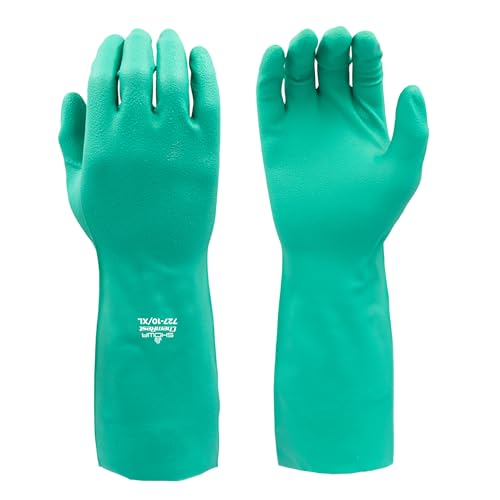
The SHOWA 727 is the benchmark for chemical-resistant hand protection. It’s made from 15-mil unsupported nitrile — meaning no fabric liner to trap oil — so you can rinse urushiol off the exterior with soap and water in seconds. The bisque grip texture gives you reliable traction on wet tools, and the 13-inch extended gauntlet seals your forearm from splashes when you’re wrist-deep in poison ivy vines.
Users with smaller hands note the sizing runs slightly large, so consider sizing down if you’re between sizes. The unlined interior means no sweat absorption, but it also means the glove can feel clammy during extended summer sessions. For precision tasks like gripping individual stems or handling resin-coated tools, the 727’s dexterity is unmatched among gloves in this category.
CE Cat III Type A certification (JKLOPT) and food-safe approval confirm this glove meets rigorous European standards for chemical permeation. It’s the most expensive pair on this list, but the 12-pack brings the per-pair cost down significantly, making it the smartest long-term investment for regular poison ivy removal.
Why it’s great
- Unlined nitrile rinses clean instantly — no oil soak-in risk
- CE Cat III rated for harsh solvents and biological hazards
- Bisque grip stays secure even when wet or greasy
Good to know
- Sizing runs large; size down if between sizes
- No liner means less breathability in hot weather
- Short 13-inch gauntlet may not fully cover tall forearms
2. Atlas GLV26 772 Nitrile Chemical Resistant Gloves

The Atlas GLV26 772 delivers the longest gauntlet in this lineup at 25 inches — reaching nearly to the shoulder on most adults. This makes it the undisputed choice for reaching into deep brush piles or wading through dense poison ivy ground cover where you can’t see where your arm is going. The nitrile coating is tough enough to handle thorny blackberry and multiflora rose without puncturing.
Inside, the fully sewn-in cotton liner wicks sweat away from your skin, which helps during long pulling sessions in the summer humidity. Several users reported using these gloves for cleaning pools, washing large dogs with flea shampoo, and even dyeing fabric — evidence of the glove’s all-purpose durability. The textured palm provides solid grip on shovel handles and lopper grips, though fine-motor tasks like tying off vines feel a bit clumsy.
The main drawback is the cotton liner itself: once urushiol breaches the coating, the fabric absorbs the oil and becomes a contamination risk. Washing the gloves immediately after use is critical, and some users note the interior needs to be turned inside-out and aired out to prevent odor buildup over time.
Why it’s great
- 25-inch gauntlet offers near-shoulder arm coverage
- Cotton liner reduces sweat buildup during long sessions
- Textured grip handles rough tools and wet conditions
Good to know
- Cotton liner can trap urushiol if not washed immediately
- Not as dexterous for precision work
- Liner may shed fibers or strip over extended use
3. PACIFIC PPE 26″ Rubber Chemical Resistant Gloves

The PACIFIC PPE 26-inch glove is built around PVC — a material that offers outstanding resistance to acids, alkalis, and solvents. For poison ivy removal, this translates into a glove that won’t degrade when you’re also handling herbicides or pool chemicals in the same session. The ANSI level 4 abrasion rating (8,000+ cycles) means this glove can take repeated contact with rough bark and rocks without wearing thin.
The interior uses a 13-gauge seamless cotton liner that’s comfortable to pull on and off, and the 26-inch length provides full forearm coverage. Users report using these gloves for scalding water in restaurant sinks, cleaning pool skimmers, and even dispensing caustic pool chemicals — all contexts where accidental poison ivy exposure is common. The sandy textured palm delivers a positive grip on greasy tools and wet vines alike.
The downsides: PVC is heavier and less flexible than nitrile, so extended fine work will fatigue your hands faster. The liner also tends to shed cotton fibers over time, and some users noted that the liner strips can bunch up inside after repeated washings. If you’re doing heavy clearing of established poison ivy patches mixed with brambles, the PACIFIC PPE gloves offer unmatched durability.
Why it’s great
- PVC resists acids, alkalis, and solvents better than nitrile
- Level 4 abrasion rating survives heavy brush contact
- 26-inch length covers the entire forearm
Good to know
- Heavier and stiffer than nitrile alternatives
- Cotton liner sheds fibers with repeated use
- Less dexterity for fine motor tasks
4. Atlas Glove WG772L 26-Inch Long Sleeve Nitrile Gloves
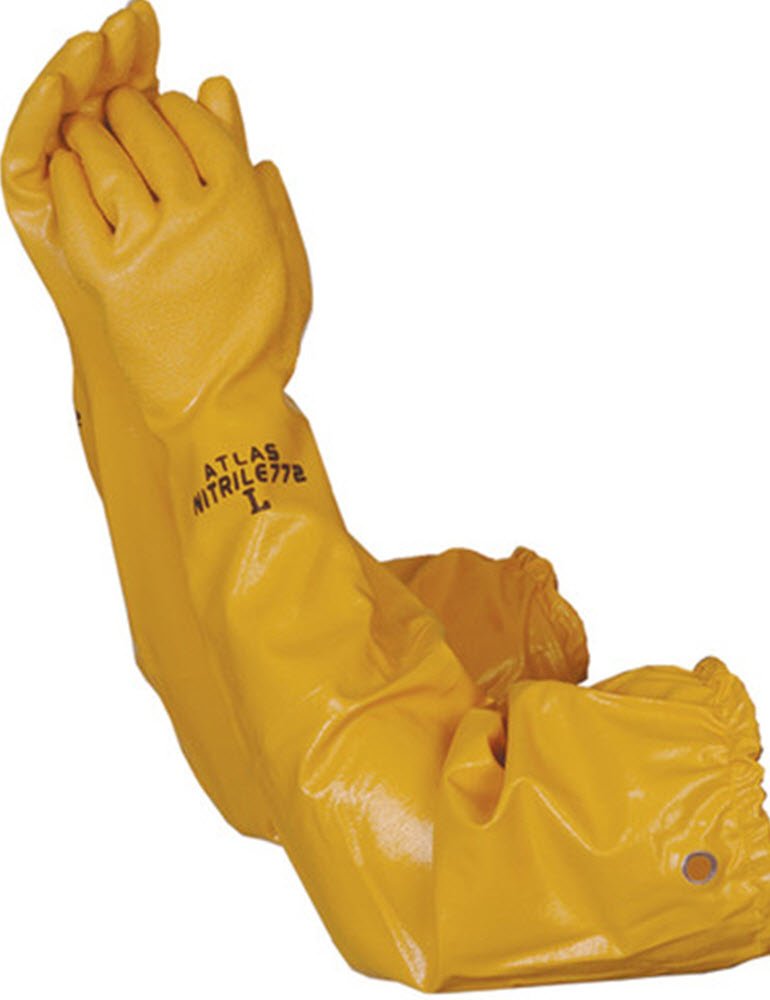
The Atlas WG772L is the longer sibling of the GLV26, extending to 26 inches for even more arm coverage. It’s designed with the same tough nitrile coating and a cotton/polyester blend liner that’s soft against the skin and machine washable — a critical feature when the glove interior has absorbed sweat and potential urushiol residue during a long clearing session.
Reviews from beekeepers and aquarium enthusiasts highlight the glove’s comfortable fit and durable construction. One beekeeper uses them to avoid stings and chemical exposure in the apiary, while another has been wearing the same pair for four years in a saltwater aquarium before developing a small hole at the fingertip. The textured grip handles tools well, and the liner prevents the “sweaty arm slime” that plagues unlined rubber gloves.
The ambidextrous design means both gloves are identical — comfortable for general use but less ergonomic than form-specific gloves during demanding tasks. Some users with larger hands found the fit tight despite ordering up a size. The polyester blend liner is less absorbent than pure cotton, which reduces sweat wicking but also reduces the risk of fiber shedding.
Why it’s great
- Machine washable liner reduces contamination risk
- 26-inch length offers maximum arm coverage
- Durable enough for beekeeping and aquarium use
Good to know
- Ambidextrous fit less ergonomic than hand-specific gloves
- Larger hands may struggle with sizing
- Liner wicks less sweat than 100% cotton
5. Raxwell Nitrile Disposable Gloves
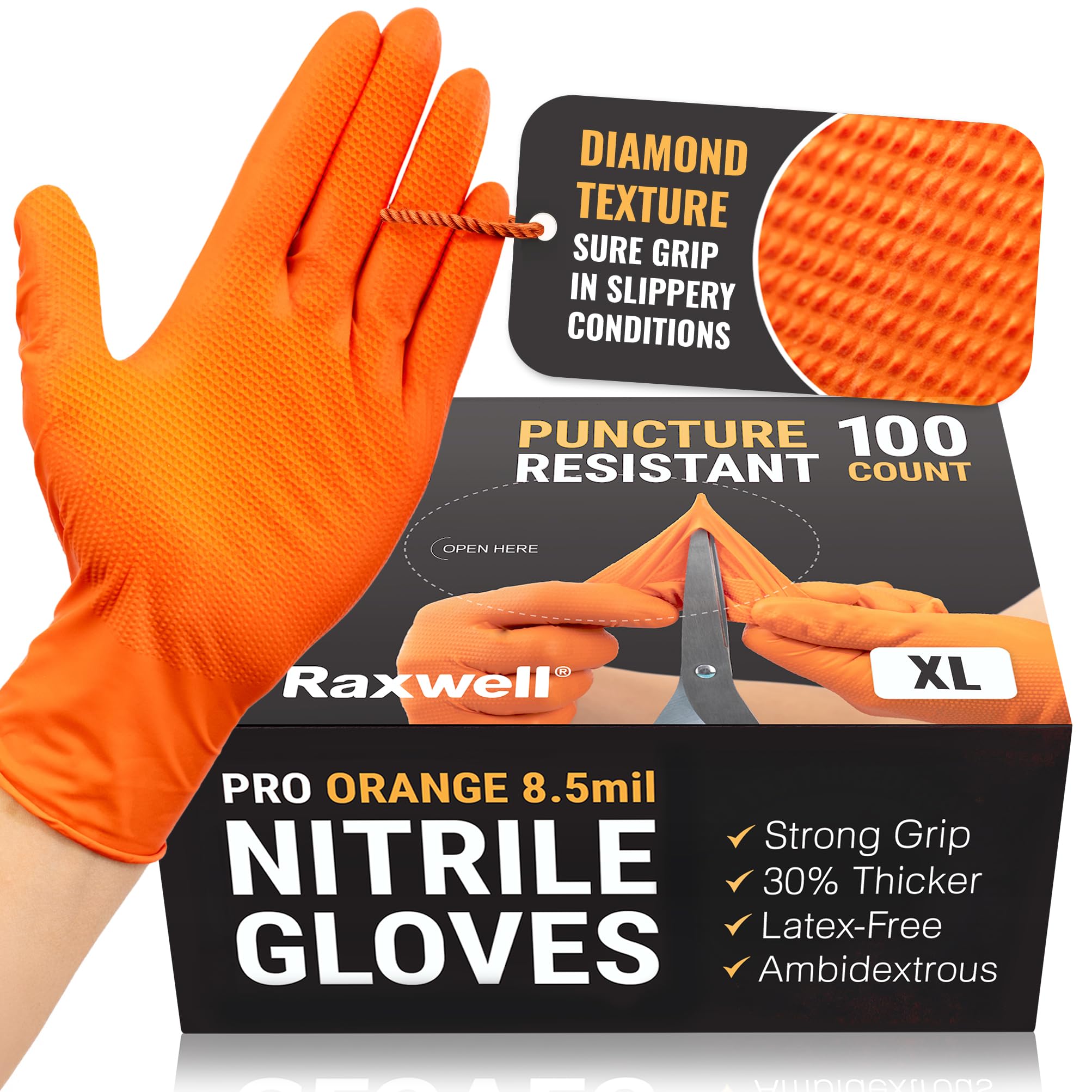
The Raxwell nitrile disposable gloves are the entry-level option for quick poison ivy tasks — pulling a few vines, clearing a small patch, or handling contaminated tools. Though disposable by design, users report they’re durable enough to survive a full day of handyman work, woodworking, and oil changes without tearing — a significant upgrade over standard medical nitrile gloves that puncture at the first thorn contact.
The diamond grip texture on the palm and fingers gives you reliable control when pulling weeds with sharp stems, and the nitrile material is thick enough (reported as roughly 8-10 mil) to resist punctures from most brambles. Because they’re disposable, you simply peel them off and throw them away after a poison ivy session — no washing, no risk of cross-contamination from a reused glove liner.
The key limitation is the short cuff length — most users report it hits just above the wrist, leaving your forearm exposed. Pair these with a separate gauntlet or long sleeve for full protection. They’re also not suitable for heavy chemical exposure or extended contact with concentrated urushiol; think of them as the ideal backup pair for light, quick tasks.
Why it’s great
- Disposable design eliminates washing and contamination risk
- Thicker than standard medical gloves; resists punctures
- Diamond grip provides solid traction on weeds and tools
Good to know
- Short cuff leaves forearm exposed to urushiol
- Not suitable for prolonged chemical exposure
- Disposable nature may feel wasteful for small tasks
FAQ
Can urushiol soak through nitrile gloves?
How do I clean my poison ivy gloves after use?
Why shouldn’t I use latex gloves for poison ivy?
Final Thoughts: The Verdict
For most users, the best poison ivy gloves winner is the SHOWA 727 because its unlined 15-mil nitrile construction offers the perfect balance of dexterity, chemical resistance, and easy decontamination. If you need maximum arm coverage for reaching into deep brush, grab the Atlas GLV26 772 with its 25-inch gauntlet. And for quick, light-duty sessions where you don’t want to worry about washing, nothing beats the Raxwell Nitrile Disposables for convenience at an entry-level price.