
The real challenge with cold-weather layering isn’t finding something warm — it’s finding something that blocks wind and wet snow without making you feel like you’re wrestling a sleeping bag. Between jackets that can’t handle a drizzle, boots that leak after one season, and parkas that are overbuilt for a commute, most winter gear forces you to choose between mobility and insulation. That trade-off is exactly what this guide eliminates.
I’m Mohammad Maruf — the founder and writer behind Drink4Good. I’ve spent years analyzing insulation fill weights, waterproof membrane specs, and cold-weather boot construction to separate what actually performs from what just looks tough on a rack.
Whether you need a daily driver for slushy sidewalks or a serious shell for sub-zero windchill, this breakdown of the best winter gear covers seven top-shelf options that solve real cold-weather problems without the usual compromises.
How To Choose The Best Winter Gear
Buying cold-weather gear that actually works means understanding the specs behind the hype, not just the brand logo. The most common mistake is equating heft with warmth — a 400-gram boot lining doesn’t automatically outperform a 200-gram one if the insulation uses hollow-core fibers that trap more air per ounce. Here’s what matters.
Insulation Type and Fill Weight
Synthetic insulation, like Columbia’s Omni-Heat or The North Face’s HEATSEEKER, uses hollow polyester fibers to trap body heat while staying compressible and breathable. Down fill, measured in fill power (600-fill is the standard for cold-weather parkas), offers the best warmth-to-weight ratio but loses insulating value when wet. For wet climates, synthetic is more reliable. For dry deep cold, down wins.
Waterproofing vs. Water Resistance
A non-PFC DWR (durable water repellent) finish sheds light snow and brief rain but isn’t a substitute for a sealed waterproof membrane like DryVent. If your winter includes actual rain or slush, you need a coat with taped seams and a waterproof rating — not just a hydrophobic fabric face. For boots, a waterproof membrane like those in SOREL boots keeps feet dry through deep puddles and wet snow.
Fit and Layer Room
The best winter jackets leave enough interior volume for a mid-layer fleece or light down vest without restricting arm movement. A relaxed fit allows easy layering; a regular fit is trimmer and works better for standalone wear. Boots should accommodate a medium-weight wool sock without the toe box pinching — that extra 0.5cm in forefoot volume prevents cold toes during a long walk.
Quick Comparison
On smaller screens, swipe sideways to see the full table.
| Model | Category | Best For | Key Spec | Amazon |
|---|---|---|---|---|
| The North Face McMurdo Bomber | Premium Parka | Icy, wet winters with wind | 600-fill recycled down + DryVent 2L shell | Amazon |
| Helly-Hansen Reine Parka | Urban Parka | Deep cold, urban commuting | YKK zipper, detachable faux fur hood | Amazon |
| The North Face Junction Insulated | Synthetic Insulation | Lightweight warmth, wet snow | 100g HEATSEEKER synthetic insulation | Amazon |
| Columbia Suttle Mountain Long | Insulated Long Coat | Midwest winters, full coverage | Long length, YKK zipper, waterproof | Amazon |
| SOREL Tivoli V Tall Boot | Winter Boot | Heavy snow, slush, deep puddles | Waterproof, rated to 0°F, tall shaft | Amazon |
| Columbia Copper Crest II Hooded | Lightweight Jacket | Mild winter, 30-60°F layering | Soft inner lining, waterproof shell | Amazon |
| Columbia Powder Lite II | Puffer Jacket | Lightweight travel, mild cold | Omni-Heat reflective lining, compressible | Amazon |
In‑Depth Reviews
1. THE NORTH FACE Men’s McMurdo Bomber Jacket
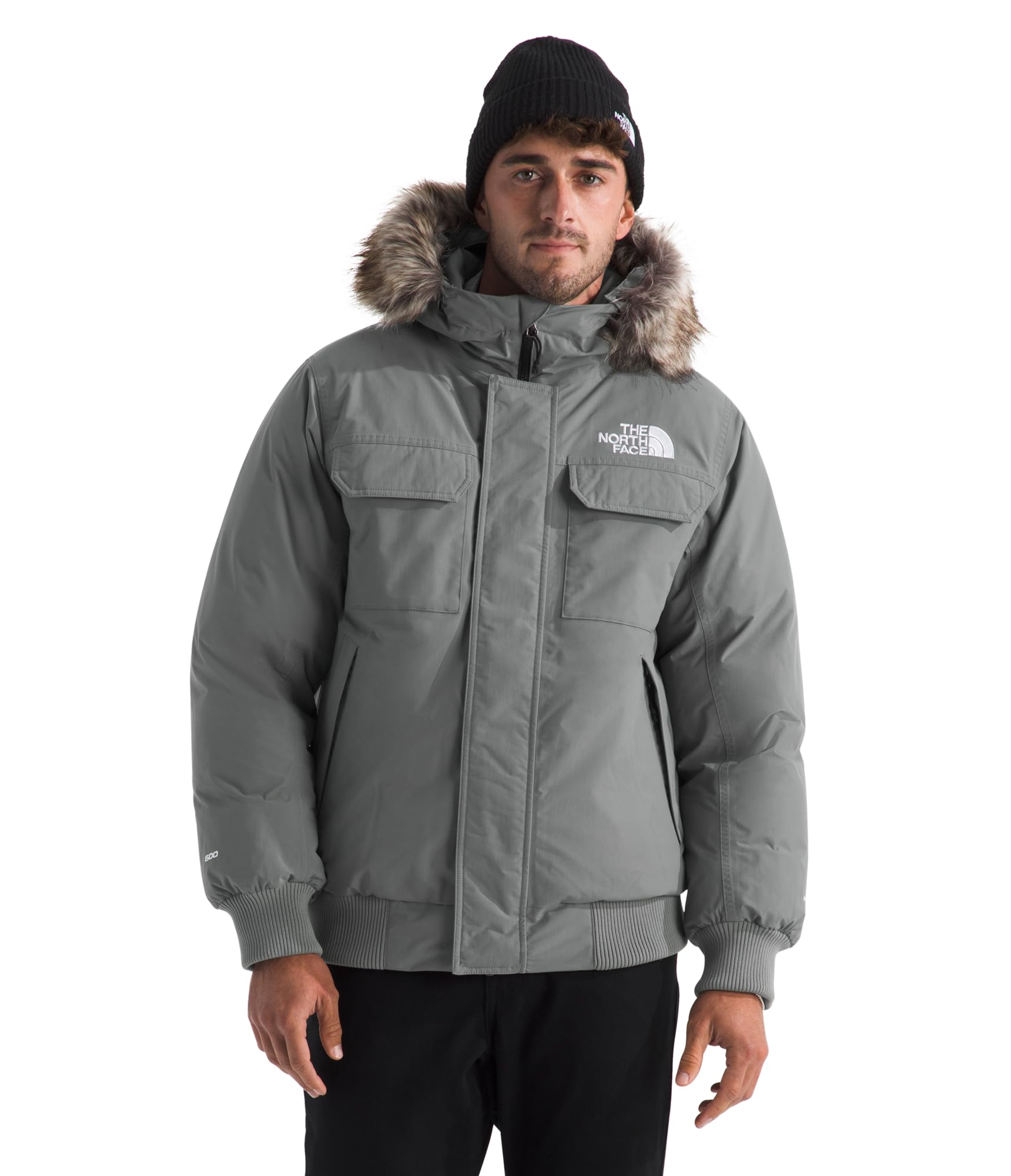
The McMurdo Bomber brings together 600-fill recycled waterfowl down with a waterproof, breathable DryVent 2L shell that’s fully seam-sealed. That combination means you can stand in a wet snow squall for 30 minutes and stay dry while the down maintains consistent warmth without cold spots. The relaxed fit leaves room for a sweater or a light fleece underneath without the jacket feeling like a sausage casing.
The shorter bomber cut is a deliberate design choice — it blocks wind at the waist better than a full-length parka in gusty conditions while keeping you mobile for shoveling or walking the dog. The 3-piece adjustable hood with removable faux fur ruff seals out sideways precipitation, and the two chest pockets plus hand pockets give you enough storage for a phone, wallet, and keys without losing heat through unzipped openings.
Buyers consistently report this jacket handles temperatures in the teens and single digits with just a base layer. A few noted the relaxed cut runs slightly large by design, which works well for layering but may require sizing down if you plan to wear it without a mid-layer. The Smoked Pearl color looks even better in person than online.
Why it’s great
- Waterproof DryVent shell with seam-sealed construction handles real rain and slush
- 600-fill recycled down delivers premium warmth without the weight of a heavy parka
- Relaxed fit accommodates an insulating mid-layer without restricting movement
Good to know
- Sleeve length may run long on shorter torsos; size down if you plan to wear without layers
- Not compressible enough to pack into a backpack for travel
2. Helly-Hansen Mens Reine Parka

The Helly-Hansen Reine Parka is built for deep urban cold. At 2.85 pounds, it’s not the lightest option, but that weight comes from a thick shell and substantial insulation that keeps you warm well below 0°F. The YKK zipper with a full-length internal wind flap prevents drafts from sneaking through the front, which is the most common failure point on cheaper parkas.
The detachable faux fur hood is large enough to cover a winter hat without restricting peripheral vision. The interior mesh pockets are a smart touch for stashing gloves or a beanie so they stay warm. Multiple reviewers noted the jacket runs large — a medium fits a 5’9″, 167-pound frame with room for a down vest, which works in your favor if you want to layer for extreme cold.
The one consistent gap in the design is the lack of a waist drawstring. When you’re standing still on a windy chairlift or waiting for a bus, cold air can enter from below. A simple belt or cinch solves the problem, but it’s a missed detail at this price level. Outside of that, the Reine Parka is a bombproof choice for anyone who needs serious warmth in a city-friendly silhouette.
Why it’s great
- Handles below-zero temperatures with just a base layer underneath
- Full YKK zipper with wind flap prevents front drafts in gusty conditions
- Large detachable hood fits over a hat without restricting vision
Good to know
- No internal waist drawstring allows cold air to enter from below
- Runs large; consider sizing down if you don’t plan to layer heavily
3. THE NORTH FACE Men’s Junction Insulated Jacket
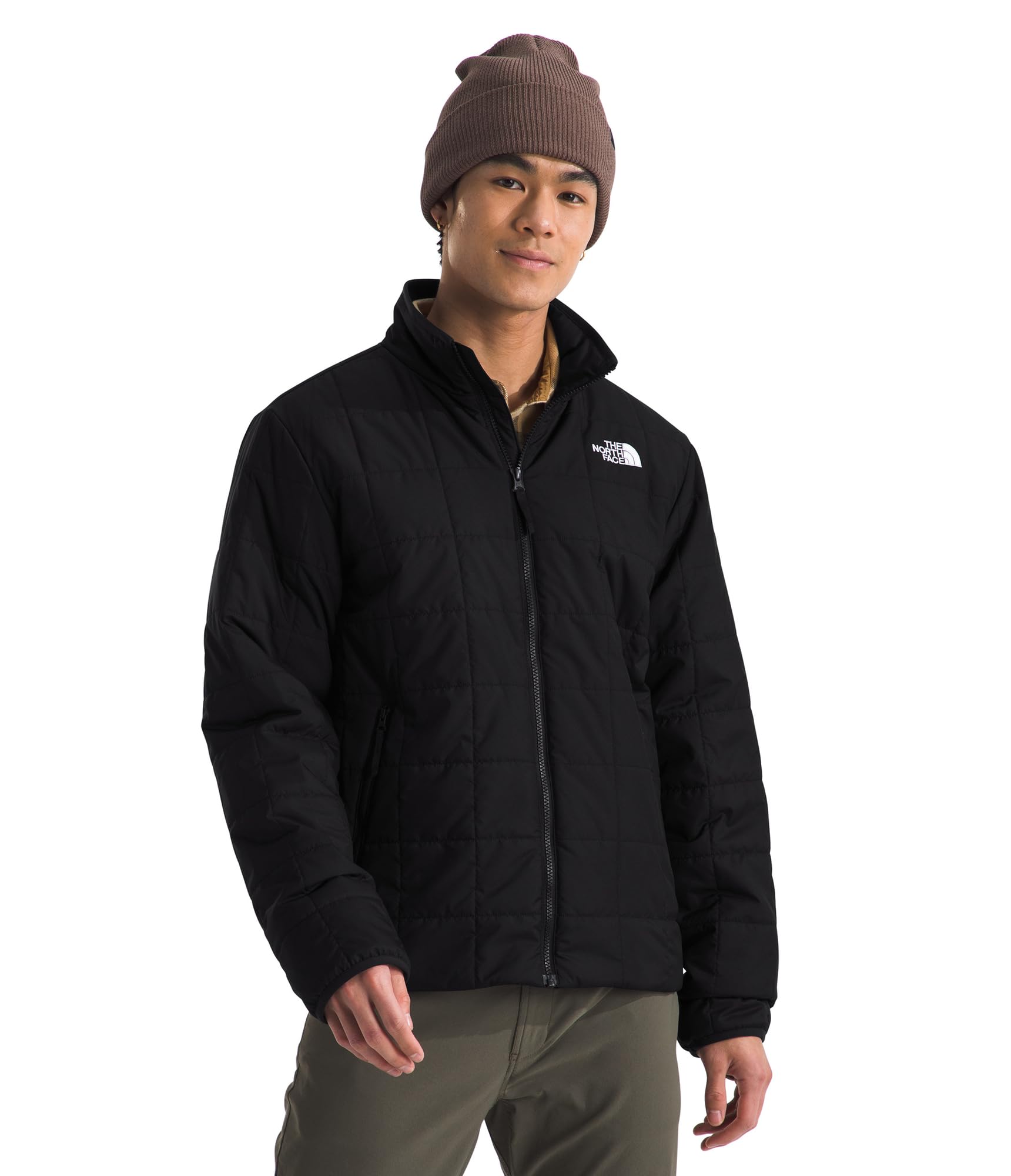
The Junction Insulated Jacket packs 100 grams of HEATSEEKER synthetic insulation into a shell that weighs almost nothing. HEATSEEKER uses hollow-core polyester fibers that compress easily for packing but still trap enough air for all-day warmth in the 30–45°F range. The non-PFC DWR finish handles light rain and wet snow well enough for a commute, though this isn’t a jacket for standing in a downpour.
The regular fit is trim but not restrictive — you can layer a thin fleece under it without the jacket pulling across the shoulders. The exposed front zipper includes an internal draft flap, which is a welcome detail on a jacket at this price point. Buyers in Michigan and other cold-winter states report it’s warm enough for daily wear through most of the season, especially when paired with a mid-layer.
One notable advantage is the jacket’s compressibility. It folds down small enough to stuff into a carry-on or backpack, making it a strong choice for winter travel where you need a reliable layer that doesn’t eat luggage space. The main downside is the sizing — a few buyers found it runs large, with sleeves that can be too long for shorter frames. If you’re between sizes, sizing down may give a better fit.
Why it’s great
- 100g HEATSEEKER insulation provides consistent warmth in wet conditions
- Compresses well for travel without sacrificing thermal performance
- Internal draft flap behind the zipper blocks wind at the front
Good to know
- Runs large for some body types; sleeves may be too long on shorter frames
- DWR finish is water-resistant, not fully waterproof for heavy rain
4. Columbia Women’s Suttle Mountain Long Insulated Jacket
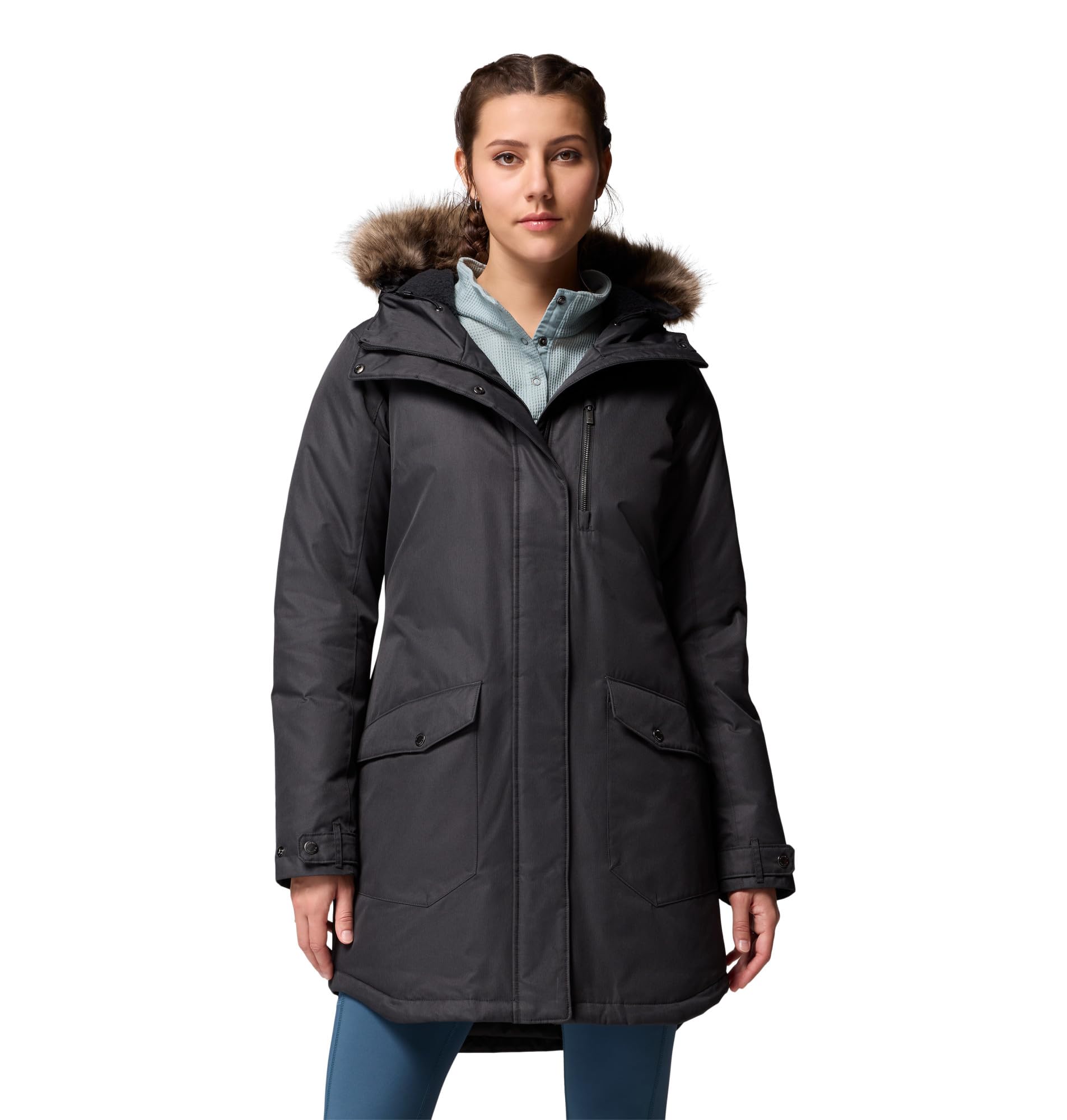
The Suttle Mountain Long Insulated Jacket bridges the gap between a hip-length jacket and a full-length parka. The extended cut covers the lower back and hips, which is exactly where drafts sneak in during windy walks. The shell is more waterproof than many Columbia winter jackets — it handles wet snow and light rain without wetting out, making it a solid option for Midwest winters that mix precipitation with cold.
The YKK zipper is smooth and backed by a buttoned storm flap, giving you two ways to regulate temperature without fully unzipping. The interior is warm but not as lightweight as some other Columbia models — buyers who expected a featherlight coat were surprised by the moderate heft. That extra weight comes from thicker insulation, which translates to real warmth in the teens and twenties.
The pocket layout includes two decently sized side pockets and one zipped chest pocket. A few reviewers wished for more storage, but the trade-off is a cleaner silhouette that doesn’t bulge. At 5’5″ and 160 pounds, a size L fits with room to layer a fleece underneath. If you want a long winter coat that actually blocks drafts without needing to cinch a belt, this is a strong choice.
Why it’s great
- Extra length blocks wind at the lower back and hips
- More waterproof than typical Columbia winter jackets
- Smooth YKK zipper with buttoned storm flap for temperature control
Good to know
- Heavier than expected for a Columbia jacket due to thicker insulation
- Limited pocket count; only one zipped chest pocket and two side pockets
5. SOREL Women’s Tivoli V Tall Waterproof Boot
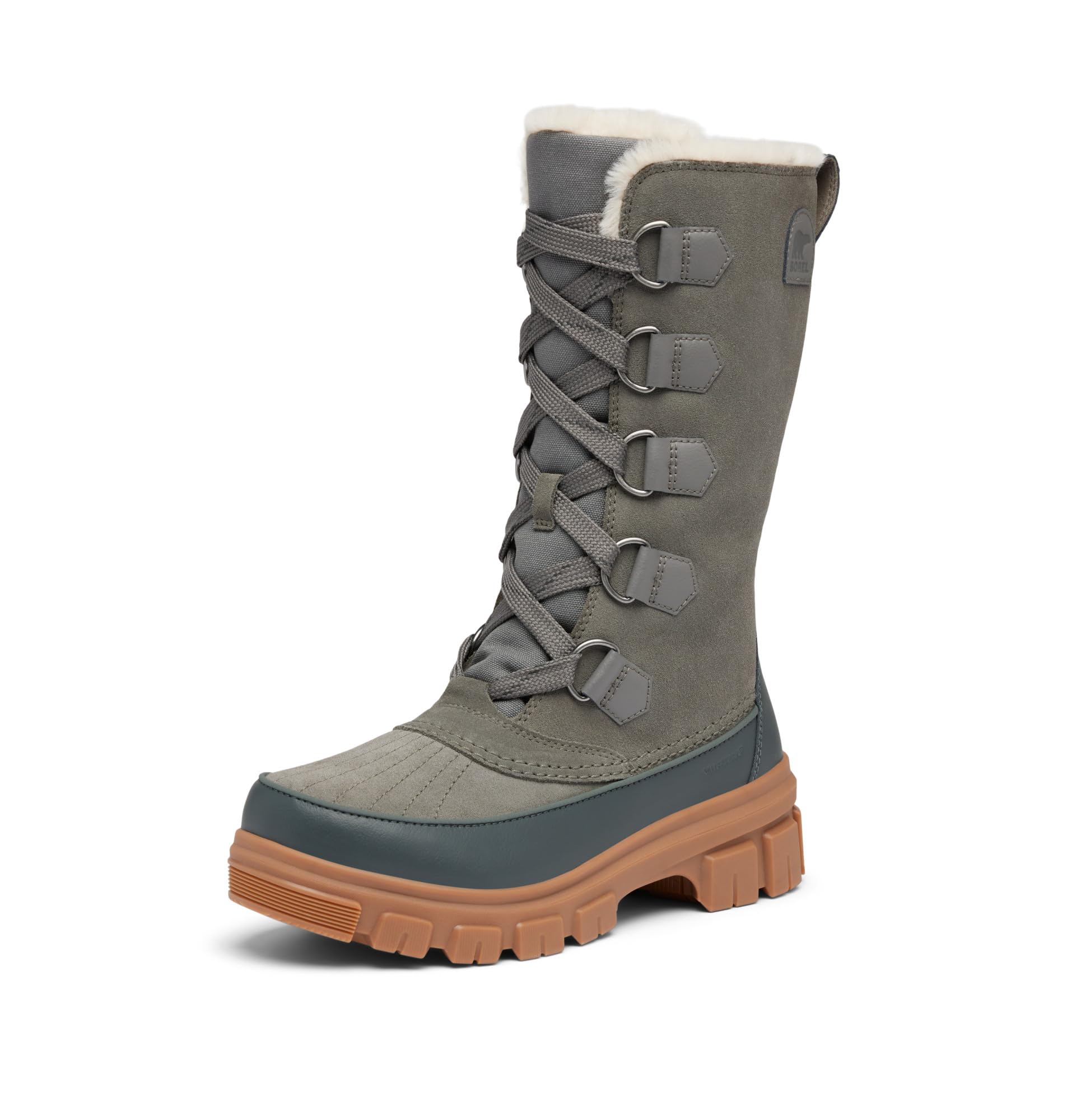
The Tivoli V Tall is the boot that cold-weather buyers keep coming back to, often replacing pairs that lasted a decade of heavy use. The waterproof construction handles deep puddles and wet snow without leaking, while the insulation keeps feet warm down to about 0°F. For temps below that, adding a heated insole makes them viable even through negative-degree windchill.
The tall shaft is the standout feature — it gives you coverage well above the ankle, which prevents snow from sneaking in when you step into a drift. The laces are thick enough to avoid freezing stiff in cold air, a small detail that makes a big difference when you need to adjust them on a freezing morning. The traction pattern on the outsole is aggressive enough for packed snow and muddy trails, so these boots work for both urban slush and light off-road use.
Buyers consistently report true-to-size fit with enough room for medium wool socks. The boot accommodates orthotics without feeling cramped. The only minor complaint is some ankle rubbing when laced tightly, which resolves with looser lacing or a moleskin patch. For anyone who needs one pair of boots that handles snow, slush, and cold equally well, these are the standard.
Why it’s great
- True waterproof membrane keeps feet dry in deep slush and puddles
- Insulation is effective down to 0°F with medium wool socks
- Laces don’t freeze stiff in sub-freezing temperatures
Good to know
- Ankle area can rub if laced too tightly; loosening the top hooks helps
- For negative-degree temps, heated insoles are recommended for full warmth
6. Columbia Women’s Copper Crest II Hooded Jacket

The Copper Crest II Hooded Jacket is the kind of piece you reach for when the forecast says 40°F and drizzly. The soft inner lining is noticeably plush against the skin — it’s not just a slick nylon liner tacked onto insulation. The shell is waterproof enough to repel light rain and wet snow, and the hood stays in place without being oversized.
Fit is a strong point here. The large size fits a 5’5″, 155-pound frame with room for a thin fleece underneath, and the length covers the butt, which is exactly where cold air hits when you bend over. The jacket is not bulky — it compresses easily for car storage or a work bag. Reviewers consistently call it cozy and comfortable, with enough warmth for 30–60°F conditions.
The one real caution involves the white color option, which multiple buyers found to be more yellowish than the online photos suggest. The pink and black colorways are reported to be accurate. If you want a no-fuss jacket that does 90% of what a heavy winter coat does but with half the weight, this is a smart pick for transitional seasons and mild winter days.
Why it’s great
- Soft inner lining is comfortable against bare arms without an extra layer
- Waterproof shell handles drizzle and wet snow without wetting out
- Length covers the lower back and hips for draft protection
Good to know
- White color runs more yellow than shown in product images
- Best suited for 30–60°F range; not warm enough for deep sub-freezing temps
7. Columbia Mens Powder Lite II Jacket
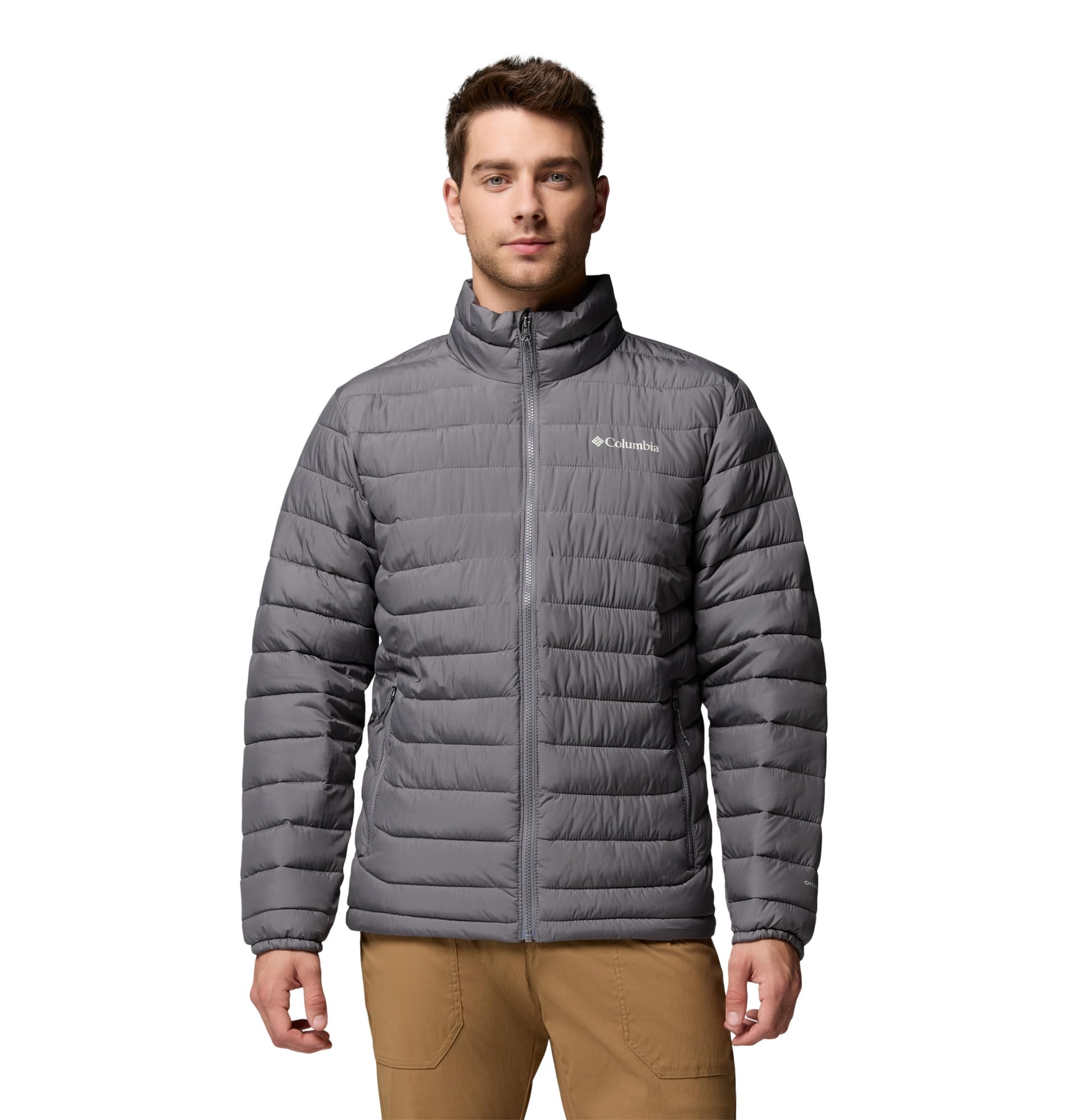
The Powder Lite II is a classic lightweight puffer that relies on Columbia’s Omni-Heat reflective lining to bounce body heat back toward you. The effect is subtle — you feel a noticeable warmth gain when the jacket is sealed up, but it’s not as intense as a thick synthetic fill. It works best as a mid-layer under a shell or as a standalone on crisp 40–50°F days with minimal wind.
The fit is true to size, which is good to know because some Columbia jackets run roomy. A size XL fits a 6’4″ frame comfortably, including sleeve length. The jacket compresses into a small stuff sack for travel, making it a go-to for anyone who needs a warm layer that won’t take up luggage space. Machine washability is a plus — you can throw it in the wash without worrying about insulation clumping.
One design omission is the lack of a hood. If you’re wearing this in wind or light precipitation, you’ll need a separate hat or a shell hood. The collar is snug but not tall enough to fully protect the neck. For mild winter conditions with calm skies, this is a lightweight winner. For wet or windy cold, it pairs better as a mid-layer than a standalone piece.
Why it’s great
- Omni-Heat reflective lining creates noticeable warmth gain without added bulk
- Compresses well for packing; ideal for winter travel
- Machine washable without insulation clumping
Good to know
- No hood; requires a separate hat or shell hood for wind and precipitation
- Best suited as a mid-layer in windy or sub-freezing conditions
FAQ
What is the difference between 600-fill and 800-fill down insulation?
How often should I reapply DWR treatment to my winter jacket?
Can I wear a synthetic insulated jacket in heavy rain?
Final Thoughts: The Verdict
For most users, the best winter gear winner is the The North Face McMurdo Bomber because it combines 600-fill down insulation with a fully waterproof DryVent shell in a relaxed, layer-friendly fit that handles everything from wet snow to single-digit windchill. If you want a boot that lasts seasons and keeps feet dry through deep slush, grab the SOREL Tivoli V Tall. And for lightweight travel or mild winter days, nothing beats the compressible, machine-washable convenience of the Columbia Powder Lite II.