
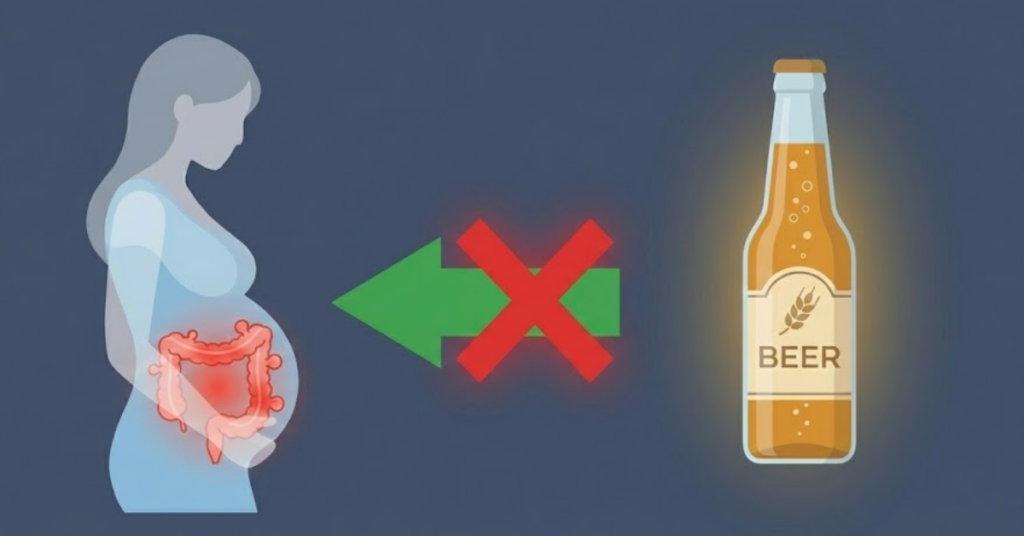
No, beer during diverticulitis flares raises risks, and even after recovery alcohol needs strict limits agreed with your own doctor.
That question sits in the back of many minds after a painful bout of diverticulitis. Beer links to relaxation, social time, and habit, while diverticulitis brings fear of flare pain, hospital stays, and new diet rules. Sorting out where beer fits helps you protect your gut without feeling lost every time a drink menu appears.
This guide walks through what happens in the bowel with diverticulitis, how alcohol behaves in that setting, and when any beer might fit again. You will see the answer differ during an active flare, early recovery, and long term living with diverticular disease.
Can I Drink Beer With Diverticulitis? Diet Rules And Risks
During an active flare, the clear answer to can i drink beer with diverticulitis? is no. When pouches in the colon turn inflamed or infected, the bowel needs rest. Standard care from major centers leans on clear liquids, then a short spell of low fiber food, plus medicines such as antibiotics when needed.
Mayo Clinic guidance on the diverticulitis diet starts with clear liquids only, like broth, pulp free juice, and plain tea or coffee without cream. Beer does not land on that list. It adds gas, draws fluid into the gut, and stresses the liver while your body fights infection.
As pain eases and you move to low fiber meals, that rest period still continues. Beer in this phase can worsen bloating, change bowel movements, and blur the picture when your team watches for warning signs such as fever, chills, or bleeding.
| Situation | Beer Advice | Reason |
|---|---|---|
| No history of diverticular disease | Follow general alcohol limits | Risk tied to overall intake, weight, and diet pattern |
| Diverticulosis, no active symptoms | Light to moderate only, some days booze free | Heavy intake links to higher diverticulitis risk |
| Mild diverticulitis flare at home | Avoid all alcohol | Beer irritates bowel and clouds symptom tracking |
| Severe flare or hospital stay | Strictly no alcohol | Clear liquids or IV fluids only until bowel calms |
| Early recovery after a flare | Stay off beer until bowels feel settled | Low fiber plan still in place; healing underway |
| Stable recovery, back to high fiber | Ask your doctor before any drink | Plan must match your history, meds, and other disease |
| Frequent flares or bowel surgery | Many people do best with long term alcohol limits | Extra stress on gut, liver, and overall healing |
Large studies on diet and diverticular disease show mixed findings on direct links between beer and attacks. One meta analysis did not see a clear tie between alcohol and diverticulosis or bleeding, but heavy drinking still tracked with more problems in general bowel health. In real life care, major clinics still press for limits on beer and spirits for people with diverticulitis, since alcohol loads the gut with irritants and weakens healing.
Cleveland Clinic dietitians describe a stepwise recovery plan: clear liquids during a serious flare, then a low fiber plan for several days, then a slow move back to high fiber food once cramps settle. Their diverticulitis diet guide builds that path around broths, soft grains, and lean protein. Beer simply does not line up with that sequence.
How Alcohol And Beer Affect The Gut With Diverticulitis
Alcohol touches nearly every part of gut function, from the stomach lining down to the colon. When diverticula already sit in the bowel wall, those effects can add up and tip a quiet day into a painful one.
Inflammation And Irritation
Beer carries ethanol along with bubbles, histamines, and sometimes added sugars. Ethanol thins the protective mucus lining, which leaves tissue more sensitive. Carbonation expands gas volume in the bowel, which stretches pockets that already feel sore.
During an attack, those pockets may hold infection. Extra pressure from gas, straining, or loose stool can raise the chance of rupture or bleeding. That is why flares call for quiet bowel flow, not beer foam.
Dehydration, Constipation, And Stool Changes
Alcohol acts as a diuretic. The body loses water through urine while the colon tries to draw fluid from stool. The result swings between loose stool, dehydration, and constipation. Each swing makes the muscle in the colon work harder to move waste forward.
Years of hard pushing from small, dry stools link to diverticula in the first place. Long term heavy beer intake can fit that pattern, which is one reason lifestyle advice for diverticular disease always stresses water and fiber over alcohol.
Interactions With Medicines
Many diverticulitis flares need antibiotic courses, pain relief, or both. Alcohol mixes badly with many of these drugs. Nausea, liver strain, and dizziness all grow more likely. While that might sound mild on paper, symptoms can blur warning signs such as spreading pain or fever that call for urgent care.
Even after a flare, people with long standing bowel trouble often take other drugs for blood pressure, mood, or blood thinning. Each one may carry its own alcohol caution line, so this question never sits alone; it always sits inside your full medicine list.
Can I Drink Beer With Diverticulitis? Safer Drinking Plan After Recovery
Once a flare heals, life usually shifts back toward normal food and social events. Many people want clear rules for beer at this point. Broad guidance leans toward rare, small servings at most, with water and food in the same sitting.
Check Your Personal Risk Picture First
Before any return to beer, your team will look at several clues. Past flare count, any hospital stays, bowel surgery, bleeding, family history of colon disease, weight, blood pressure, and liver tests all shape the answer. A person with one mild flare ten years ago sits in a different place than someone with several recent attacks.
Talk with your gastroenterologist or primary doctor before adding alcohol back. Bring a clear description of how often you drank beer before, what counts as a typical serving for you, and how you felt during and after each bout of diverticulitis.
Practical Rules If Your Doctor Clears Occasional Beer
If your clinician gives room for light beer use, guardrails help. They keep risk lower and give you a simple way to judge each social setting.
- Keep to no more than one standard drink in a day, and not every day.
- Eat a fiber rich meal first, such as beans, lentils, whole grains, fruits, and vegetables.
- Drink a full glass of water before and after each alcoholic drink.
- Avoid binge sessions, shots, and strong craft styles with high alcohol content.
- Skip beer fully during any hint of flare symptoms such as lower left belly pain, fever, or new bleeding.
- Choose smaller glasses and sip slowly rather than refilling often.
- Set a clear ride plan so you never drive after drinking.
When Zero Alcohol Makes More Sense
For some people with diverticulitis, the safest move is no beer at all. That can feel like a loss at first, yet many find bowel comfort and energy improve once alcohol leaves the picture. You might fall into this group if you have frequent flares, chronic liver disease, severe reflux, or trouble stopping once drinking begins.
In these settings, craving beer can mark stress, habit, or social pressure more than joy in the taste. Help from friends, family, and health professionals, along with alcohol free alternatives, can make that shift easier to live with day by day.
| Beverage | When It May Fit | Caution Points |
|---|---|---|
| Plain water | All stages | Best base for stool softness and bowel flow |
| Herbal tea or clear broth | During flares and recovery | Gentle hydration, little gut irritation |
| Nonalcoholic beer | After recovery if gas is not a big trigger | Carbonation may still bloat; check labels for sugar |
| Regular light beer | Only if your doctor agrees, in small amounts | Alcohol load plus bubbles; stop with any gut pain |
| Strong craft beer | Often best to skip | Higher alcohol content and more histamines |
| Wine | Some people do better than with beer | Acid and sugar can still upset some bowels |
| Spirits and mixed drinks | High risk, usually discouraged | Concentrated alcohol, sugary mixers, quick intake |
Everyday Habits That Matter More Than One Beer
Diverticular disease ties closely to bowel habits across many years. Food pattern, movement, smoking, weight, and stress all stack up and shape risk for diverticulitis flare ups. Alcohol sits inside that stack, not alone.
Build A Fiber Centered Plate
High fiber eating softens stool and lowers pressure inside the colon. Large studies from groups such as Mayo Clinic and Cleveland Clinic keep pointing toward fruits, vegetables, legumes, and whole grains as the base for long term care of diverticulosis. Aim for at least twenty five to thirty grams of fiber each day once your doctor clears you to leave the low fiber phase.
Pair that fiber with steady fluid, mostly water. Soda, coffee, and beer do not replace that need. They can fit in small amounts for some people, but plain water still carries the bulk of the load.
Move, Sleep, And Manage Stress
Regular walking, cycling, swimming, or strength work keeps bowel muscles active. Good sleep and simple stress tools such as breathing drills or short breaks also ease cramps and gas in many people. These habits often lower the urge to lean on beer for relief at the end of the day.
Practical Takeaways On Beer And Diverticulitis
The core message around can i drink beer with diverticulitis? looks like this. During an active flare, avoid all alcohol and stick with the clear liquid and low fiber plan your team sets. As the colon heals and you return to high fiber food, some people can add small servings of beer back under medical guidance, but many do better with strict limits or none at all.
Pay close attention to your own symptom pattern, lab results, and history of flares. Beer is never worth a new attack, bleeding, or a middle of the night trip to the emergency room. When in doubt, reach for water, herbal tea, or nonalcoholic choices, and keep the focus on long term bowel health rather than the next round.