
Yes, you can generally drink expired kombucha if it has been refrigerated and shows no signs of fuzzy mold, though the flavor will be much sharper and more vinegary.
You reach into the back of your fridge and pull out a bottle of fermented tea. You were saving it for a hot afternoon, but the date stamped on the cap passed three months ago. This is a common kitchen dilemma. Kombucha is a living drink, which makes its shelf life different from soda or pasteurized juice. Because it contains active bacteria and yeast, it changes over time rather than simply spoiling in the way milk does.
Knowing whether that bottle is safe requires a quick inspection of the liquid inside. While the “best by” date matters, your senses are the best tools for judging safety. You need to look for specific visual cues and smell the contents before you take a sip.
Understanding Kombucha Dates And Shelf Life
Most commercial bottles carry a “Best By” or “Best Before” date rather than an “Expiration” date. This distinction is vital. The manufacturer guarantees the flavor profile—the balance of sweet and tart—up until that date. After that point, the quality shifts, but the safety does not necessarily degrade immediately.
The low pH level of kombucha creates an acidic environment. Pathogens like salmonella or E. coli struggle to survive in such acidity. This natural preservation method has been used for centuries. However, the date on the bottle serves as a guide for when the drink will taste the way the brewer intended. Past that date, the living organisms continue to work, consuming sugar and producing more acid.
Your main concern with an old bottle is usually palatability, not food poisoning. If the bottle has stayed cold, the fermentation process slows down significantly. This preservation keeps the drink stable for months past the printed date.
Visual And Sensory Changes In Old Kombucha
Before you decide to drink or toss the bottle, you should compare its current state to what a fresh bottle looks like. The liquid evolves as it sits, even in the cold.
| Attribute | Fresh Kombucha | Old / Expired Kombucha |
|---|---|---|
| Taste Profile | Balanced sweet and tart | Sharp, acidic, vinegar-like |
| Carbonation | Moderate fizz | High fizz or excessive foam |
| Sugar Content | Higher (sweetness detects) | Lower (bacteria ate the sugar) |
| Alcohol Trace | Standard (<0.5%) | Slightly elevated |
| Sediment | Minimal yeast strands | Thick sediment or “baby SCOBY” |
| Smell | Fruity, slightly yeasty | Strong vinegar or nail polish |
| Liquid Clarity | Relatively clear or hazy | Cloudy with floating blobs |
| Safety Status | Safe | Safe (unless mold is present) |
Can I Drink Expired Kombucha?
The short answer depends on storage. If you kept the bottle in the refrigerator the entire time, you can drink it. The cold temperature puts the yeast and bacteria into a dormant state. They are still active, just moving very slowly. This means the transformation from sweet tea to vinegar happens at a snail’s pace.
Drinking it might surprise your taste buds, though. The longer it sits, the more the bacteria consume the remaining sugars. The result is a drink that makes your lips pucker. Some people actually prefer this “dry” flavor, while others find it unpalatable. It is not dangerous, just intense.
If the bottle was left out at room temperature, the rules change entirely. Warmth accelerates fermentation. An expired bottle left on the counter may have carbonated to the point of exploding, or the pH balance may have shifted unpredictably. You should discard any kombucha that has been left unrefrigerated for more than a day or two after opening or purchasing.
Drinking Expired Kombucha – Safety First
While acidity protects the drink, you still need to watch for specific spoilage signs. Just because it is fermented does not mean it is invincible. You must inspect the liquid before taking a sip.
Identifying Dangerous Mold
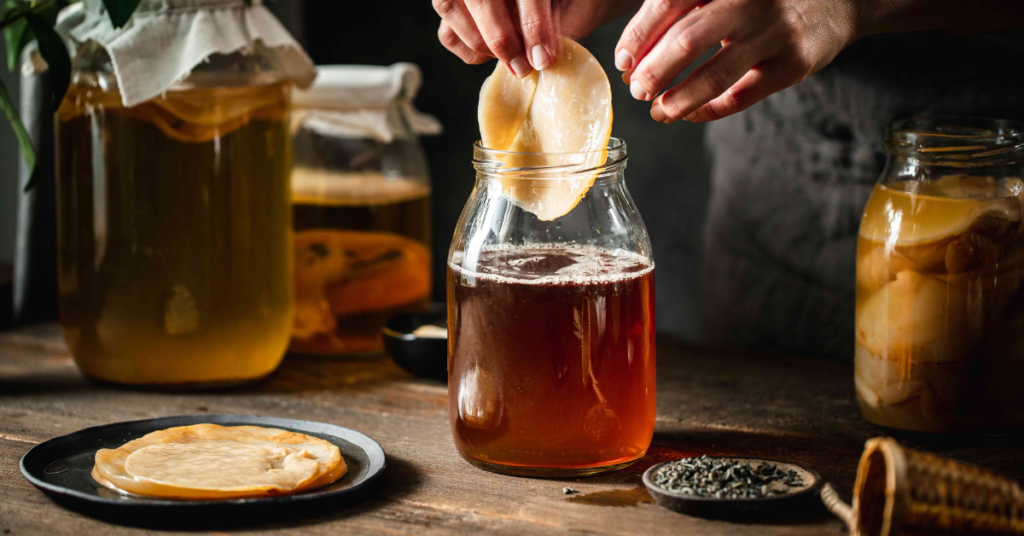
Mold is the only true deal-breaker. Because kombucha involves a “Symbiotic Culture Of Bacteria and Yeast” (SCOBY), you will see strange things floating in the bottle. Brown, stringy blobs are yeast strands. A gelatinous, clear blob floating on top is a new SCOBY forming. These are safe and natural.
Mold looks distinct. It appears fuzzy, dry, and colorful. If you see green, white, or black fuzz growing on the surface of the liquid or on the cap, pour it down the sink. Do not try to scoop it out. Mold spores have likely permeated the entire bottle.
The Sniff Test
Your nose will tell you a lot. Fresh kombucha smells earthy and slightly sour. Expired kombucha smells like strong vinegar. This is safe. However, if you detect a smell like rotten eggs or sulfur, something went wrong with the fermentation. Put that bottle in the trash.
According to the USDA Food Safety and Inspection Service, foods that exhibit an off odor, flavor, or texture due to spoilage bacteria should not be eaten for quality reasons, even if safety isn’t always the primary risk. Trust your nose.
The Impact Of Continued Fermentation
Kombucha does not stop changing once it is bottled. It is a dynamic product. The yeast eats sugar and creates ethanol (alcohol) and carbon dioxide (fizz). The bacteria eat the ethanol and create acids. This cycle continues until one of the resources runs out.
Excessive Carbonation Risks
Time creates gas. An expired bottle of kombucha has had months to build up carbon dioxide. When yeast consumes sugar in a sealed environment, that gas has nowhere to go. It dissolves into the liquid until the liquid is saturated, then builds pressure in the headspace.
Open an old bottle over a sink. Do not open it near your computer or on a white rug. The “geyser effect” is real with aged fermented drinks. If the bottle is bulging before you even touch it, be extremely careful. The pressure might be high enough to pop the cap aggressively.
Alcohol Content Increases
Store-bought kombucha must remain under 0.5% alcohol by volume (ABV) to be sold as a non-alcoholic beverage. As the drink sits, yeast continues to produce small amounts of alcohol. In a refrigerated environment, this increase is negligible. However, if the bottle warmed up at any point, the alcohol content could drift higher.
It will unlikely turn into hard cider, but you might notice a slight buzz if you are highly sensitive to alcohol. The flavor often shifts toward a cidery taste as well.
The Vinegar Shift
The most noticeable change is the shift to vinegar. This happens because Acetobacter, the bacteria responsible for acetic acid, works overtime. Eventually, all the sugar is gone. The drink becomes kombucha vinegar.
This liquid is still safe to consume. In fact, many people use extremely old kombucha as a starter fluid for a new batch of homemade brew, or as a salad dressing base. It acts just like apple cider vinegar. If you take a sip and your mouth puckers instantly, you have simply waited too long for a refreshing drink, but you have gained a decent cooking ingredient.
Unpasteurized vs. Pasteurized Kombucha
Check the label to see if your drink is raw or pasteurized. Most health-focused brands are raw (unpasteurized) because customers want the probiotic benefits. Raw kombucha is the type that changes over time, grows new SCOBYs, and gets more sour.
Pasteurized kombucha has been heated to kill the bacteria and yeast. This type acts more like a standard soda. It will not get more sour, and it will not grow a new culture. If pasteurized kombucha is past its date, it likely just tastes flat or stale. It does not carry the same pressure-buildup risks as the raw version, but it also lacks the gut-health benefits associated with the drink.
Stomach Sensitivity And Digestion
Even if the drink is technically safe, it might not agree with your stomach. The high acidity of expired kombucha can trigger acid reflux or heartburn in sensitive individuals. The increased bacteria count might also cause temporary bloating or gas.
If you are new to kombucha, do not start with an expired bottle. Your gut biome needs time to adjust to the probiotics. Starting with a highly acidic, aged batch is a recipe for a stomach ache. Pour a small amount into a glass—about two ounces—and see how you feel before finishing the bottle.
Storage Guidelines For Longevity
Keeping your kombucha palatable for as long as possible requires strict temperature control. You cannot treat it like shelf-stable iced tea.
| State of Bottle | Best Storage Location | Estimated Shelf Life |
|---|---|---|
| Unopened (Store-bought) | Fridge (Center shelf) | 3-6 months past date |
| Opened | Fridge (Door or shelf) | 1 week for best carbonation |
| Homemade (Bottled) | Fridge | 1-3 months |
| Unrefrigerated (Any) | Countertop | 1-2 days (Risk of explosion) |
What To Do With Old Kombucha
If you decide the bottle in your fridge is too sour to drink, you do not have to pour it down the drain. The high acid content makes it a versatile household tool. It is essentially seasoned vinegar.
Use it for cleaning: Filter out the solids and mix the liquid with water. It cuts through grease on countertops just like white vinegar. The smell dissipates quickly, leaving a clean surface.
Hair rinse: Acidic rinses help remove product buildup from hair and seal the cuticle. Dilute the old kombucha with water and use it after shampooing. It can leave hair shinier and softer.
Garden helper: Some plants love acidic soil. You can use diluted kombucha to water acid-loving plants like hydrangeas or blueberries. It acts as a soil amendment that lowers the pH.
Marinade: The acidity tenderizes meat effectively. Use the sour kombucha as a base for a marinade for chicken or pork. The flavor profile often works well with soy sauce, ginger, and garlic.
Bottom Line On Old Bottles
The question “can I drink expired kombucha” usually resolves with a yes, provided you kept it cold. The “best by” date is a suggestion regarding quality, not a safety warning.
Trust your eyes and nose. If it looks like normal tea with some brown yeast strands, it is fine. If it smells like vinegar, it is safe but sour. If you see fuzzy mold or smell rotten eggs, discard it immediately. For most people, the worst side effect of drinking an old bottle is a puckered face from the intense tartness. Open the bottle over a sink to catch any foam, take a small sip to test the flavor, and enjoy the extra potent probiotics.