
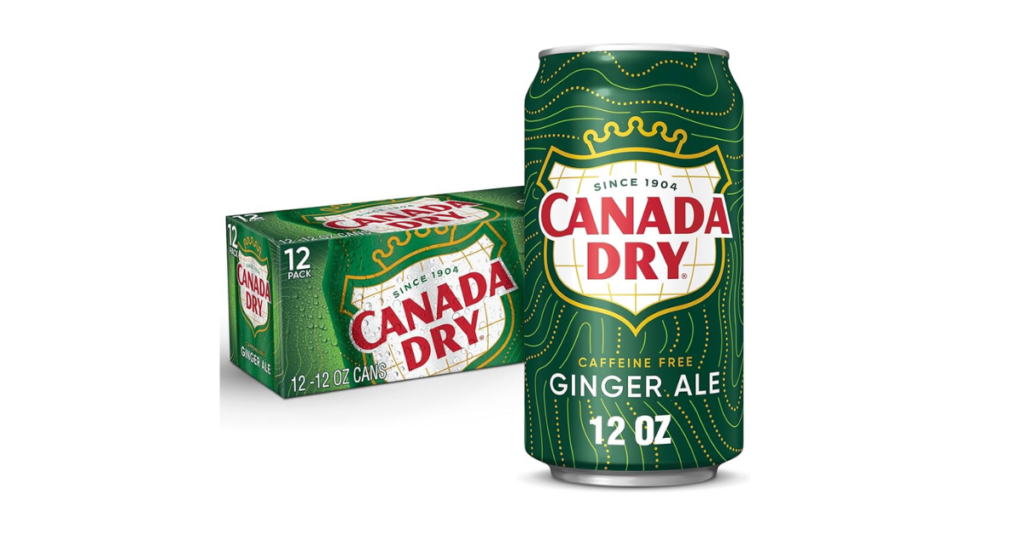
Yes, most healthy pregnancies can include small amounts of ginger ale, as long as you watch sugar, caffeine, and artificial sweeteners.
Morning sickness can make you reach for anything that settles your stomach, and ginger ale is often the first drink that comes to mind. If you keep asking yourself, “can i drink ginger ale while pregnant?”, you’re not alone. This article walks through what we know about ginger, soda, sugar, and pregnancy so you can pick the kind of ginger ale, serving size, and timing that actually helps instead of making you feel worse.
The guidance below pulls from trusted medical and public health sources and keeps to a cautious, sugar-aware approach. It doesn’t replace a visit with your own doctor or midwife, especially if you have nausea that stops you keeping food down, a high-risk pregnancy, or conditions such as diabetes or high blood pressure.
Can I Drink Ginger Ale While Pregnant? Safety Basics
In most pregnancies, small servings of ginger ale are fine as an occasional drink. Ginger itself has a long track record as a nausea remedy in pregnancy, and several medical groups list it as a first-line home option. Ginger tea, candies, and even ginger ale with real ginger often appear alongside vitamin B6 in advice for morning sickness from groups that care for pregnant patients.
That said, ginger ale is still a soft drink. The ginger content is often low, while sugar and carbonation run high. Some brands also add caffeine or artificial sweeteners. So the real safety question is less “Is ginger poisonous?” and more “How much sugar, caffeine, and additive load do you want from this drink while pregnant?”
Most guidance on ginger in pregnancy focuses on ginger root, capsules, or tea, not soda. Research and official reviews tend to agree that culinary uses of ginger within normal food amounts do not raise clear safety alarms, while very high-dose supplements deserve more caution. Soda usually gives you far less ginger than those research doses, which means your bigger issue is the rest of the ingredients in the can.
Main Ginger Ale Ingredients And Pregnancy Notes
| Component | Why It Matters In Pregnancy | Typical Tips |
|---|---|---|
| Sugar (high-fructose corn syrup or cane sugar) | Excess sugar can drive weight gain, blood sugar spikes, and dental problems, and it can worsen nausea for some people. | Pick smaller cans, sip slowly, and balance with water or unsweetened drinks. |
| Ginger (real root, extract, or “natural flavors”) | Ginger can ease nausea, but the actual amount in many sodas is small compared with research doses. | Choose brands that list real ginger or ginger extract high on the ingredient list. |
| Carbonation | Bubbles may soothe mild queasiness for some, while others get more gas and bloating. | Let the drink go slightly flat if bubbles bother your stomach. |
| Caffeine | Some ginger ales or “spicy” sodas contain caffeine, which counts toward your daily pregnancy limit. | Check the label and stick with caffeine-free ginger ale when possible. |
| Artificial sweeteners (diet ginger ale) | Common sweeteners like aspartame or sucralose are usually considered safe in moderation, but research on long-term effects is still developing. | Use diet versions sparingly, especially if you already drink other diet beverages. |
| Sodium | Extra salt can add up if you also eat processed foods and may not suit those with blood pressure concerns. | Scan labels and keep an eye on total daily sodium from drinks and snacks. |
| Herbal or fruit additives | Most lemon or lime flavors are fine, but added herbs can vary in safety during pregnancy. | Stick with simple ingredient lists when you can. |
Seen through this lens, a small glass of caffeine-free ginger ale with real ginger is usually a reasonable choice in an otherwise balanced day. Trouble tends to start when ginger ale turns into an all-day hydration plan or when sugary drinks crowd out water, milk, and other nutrient-dense options.
How Ginger And Ginger Ale Help With Morning Sickness
Ginger has a long history as a stomach-settling plant, and modern research backs that up for pregnancy nausea. Trials using ginger powder, capsules, or tea often show a modest drop in nausea scores and vomiting episodes compared with placebo. Many clinical guides now list ginger among the first things to try at home before prescription medication.
Public health and maternity services, including national health services and obstetric groups, often mention ginger foods and drinks as one of several self-care steps for nausea. Some advice pages even list ginger ale made with real ginger alongside ginger tea and ginger candies, with a reminder to check sugar and to talk with a pharmacist before taking concentrated supplements. One example is the
NHS guidance on vomiting and morning sickness, which mentions ginger products as a possible aid.
Still, not all ginger ales are equal. Some brands rely mostly on flavorings and contain only traces of actual ginger. Others include a higher dose of real ginger root extract and keep sugar lower. If you feel relief from a specific brand, that may be due to a mix of ginger content, bubbles, sugar, and cold temperature. If a drink makes your nausea worse, even if the label says ginger, it is fine to skip it.
Why Ginger Ale Can Help (And Sometimes Hurt)
There are a few simple reasons ginger ale may seem helpful during pregnancy:
- Small sips of a flavored drink can make it easier to stay hydrated when water tastes flat.
- Some ginger ales contain enough ginger extract to calm a jumpy stomach.
- Cold drinks can feel soothing when you feel hot and clammy from nausea.
On the flip side, high sugar and carbonation can backfire:
- Big sugar hits can upset blood sugar balance, which may worsen nausea for some people.
- Bubbles can increase bloating, burping, and heartburn.
- Drinking large volumes close to meals may leave you too full to eat small, steady snacks that keep nausea in check.
If you notice that ginger tea, chews, or real ginger in food helps more than ginger ale, that is a useful clue that soda might not be the main tool you need.
Drinking Ginger Ale While Pregnant Safely
Once you know that small servings are acceptable, the next step is to shape a plan that fits your health and daily habits. Many pregnant people like having “rules of thumb” so they don’t have to rethink each sip. When someone asks, “can i drink ginger ale while pregnant?” in a clinic visit, the conversation often ends up in the same place: modest amounts, not as your main drink, with an eye on sugar and caffeine.
How Much Ginger Ale Is Reasonable?
There is no official worldwide limit for ginger ale in pregnancy, but you can lean on general sugar and caffeine advice. Soft drinks tend to carry 20–40 grams of sugar per 12-ounce (355 ml) can. Many nutrition experts encourage pregnant people to keep added sugar as low as they can, especially if weight gain, blood sugar, or dental health are concerns.
A common, practical approach is:
- Limit ginger ale to one small can (or one small glass) per day on days when nausea is rough.
- Skip it on days when you feel well and lean on water, herbal tea, or milk instead.
- Spread sips over an hour rather than chugging the whole can at once.
As for ginger itself, many reviews of ginger for nausea point to doses around 1 gram of ginger per day as a reasonable upper range. Ginger ale rarely gets close to that amount. That means you usually do not need to fear “too much ginger” from a single soda; your bigger job is to keep sugar and total fluid balance on track.
Regular Vs. Diet Ginger Ale
Regular ginger ale delivers sugar calories, while diet versions swap those for artificial sweeteners. Some medical and nutrition groups class non-nutritive sweeteners as safe in moderate amounts during pregnancy, while others encourage a cautious approach and suggest cutting down when possible. If you already drink diet cola, diet iced tea, or use tabletop sweeteners in coffee, make sure diet ginger ale does not stack on top of those all day.
A simple plan is:
- Pick regular ginger ale if you rarely drink soda and prefer to avoid artificial sweeteners.
- Pick diet ginger ale if blood sugar control is a big concern and your doctor has asked you to limit sugar, keeping total diet drinks modest.
- Whichever you choose, keep it as a small extra, not a main part of your fluid intake.
Why Caffeine-Free Matters
Many ginger ales are caffeine-free, which makes life easier, but a few “spicy” or cola-style blends contain caffeine. Since pregnancy guidelines usually set a daily caffeine limit, every source of caffeine counts, including coffee, tea, chocolate, and energy drinks. To keep tracking simple, reach for bottles or cans that clearly say “caffeine free” on the label.
For a wider view of fluid choices in pregnancy, including where soda fits, the
ACOG nutrition FAQ for pregnancy is a helpful starting point. It stresses regular water intake, nutrient-rich drinks, and moderation with sweet beverages.
Smart Swaps And Other Ways To Calm Pregnancy Nausea
Many people only reach for ginger ale because nausea is wearing them down. When ginger ale is just one tool among several gentle options, you can usually drink less of it and still feel better. That reduces sugar load and gives you more control over symptoms.
Other Ginger Options
If ginger works well for your body, you might get more benefit from forms that give you more ginger and less sugar. Popular choices include ginger tea, ginger chews, lozenges, and homemade ginger syrup mixed with sparkling water. These options let you tune both flavor strength and sweetness.
Non-Ginger Drink Ideas
Many pregnancy nausea guides suggest simple, cold, and lightly flavored drinks. Small sips of lemon water, diluted fruit juice, oral rehydration solutions, or electrolyte drinks can help when plain water feels heavy. Some people like crushed ice or ice pops as an even smaller step when they feel on the edge of vomiting.
Simple Snacks That Work With Your Drinks
Drinks and food work together. Light snacks such as dry crackers, toast, plain yogurt, bananas, or nuts can steady your stomach so ginger ale does not hit an empty gut. Try a few bites of food, wait a short time, then sip your drink. That rhythm can limit the swings that make nausea worse.
Ginger Drink Options And What To Watch
| Option | Pros For Pregnancy | Things To Watch |
|---|---|---|
| Caffeine-free ginger ale (regular) | Easy to find, familiar taste, can settle mild nausea. | High sugar, little actual ginger, carbonation may cause gas. |
| Caffeine-free diet ginger ale | No sugar, light flavor when food tastes off. | Artificial sweeteners; keep total daily intake modest. |
| Ginger tea (from fresh or tea bags) | More ginger, flexible strength, usually low sugar. | Watch total ginger dose if you also use capsules or shots. |
| Ginger chews or candies | Portable and handy during travel or work. | Sugar content and dental health, especially with frequent use. |
| Homemade ginger syrup with sparkling water | Control over sugar level and ginger strength. | Food safety and hygiene when making and storing syrup. |
| Ginger capsules or tablets | Standardized doses used in some clinical studies. | Always talk with your doctor before starting supplements. |
The right mix for you may shift over the weeks. Early on, a few sips of ginger ale might feel like the only drink you can handle. Later, once nausea eases, you might prefer ginger tea in the evening and water during the day. Pay attention to how you feel an hour after each choice; that pattern often tells you more than any label.
When Ginger Ale Is Not A Good Idea
There are times when even caffeine-free ginger ale is not the best fit. If you have gestational diabetes, pre-existing diabetes, insulin resistance, or a high risk of these, regular sugary sodas may clash with your blood sugar targets. In that case, your diabetes or pregnancy team can help you sort out whether small servings, diet versions, or non-soda ginger options make more sense.
People with reflux, frequent heartburn, or lots of bloating may also find that carbonated drinks of any kind make symptoms worse. In that situation, flat ginger tea or still water with a slice of fresh ginger and lemon often feels kinder. If you are on strict fluid or sodium limits for blood pressure or kidney issues, ginger ale adds more salt and fluid on top of that, so get clear advice from your care team before making it a habit.
Red flags matter more than drink choice. If you cannot keep down fluids for more than 24 hours, feel dizzy when you stand, notice very dark urine, or have weight loss from ongoing vomiting, reach out to your doctor or midwife urgently. No home drink, ginger-based or otherwise, replaces medical care for severe nausea and dehydration.
Quick Tips For Sipping Ginger Ale In Pregnancy
To bring everything together, use these simple pointers as a reference any time you stand in front of the fridge with a can in your hand:
- Pick caffeine-free ginger ale and scan the label for sugar or sweeteners.
- Keep servings small, such as one short glass or can on rough days, not all day long.
- Use ginger ale alongside other tools like ginger tea, small snacks, and rest.
- Watch how your body responds; if bloating or heartburn flare, switch to non-carbonated options.
- Talk with your doctor or midwife if you have diabetes, high blood pressure, or severe nausea before relying on soda.
When used this way, drinking ginger ale while pregnant can sit in a sensible middle ground: a short-term comfort drink, not a main source of fluids or calories. That balance lets you enjoy the relief it brings without losing sight of the bigger picture of a steady, nutrient-rich pregnancy diet.