
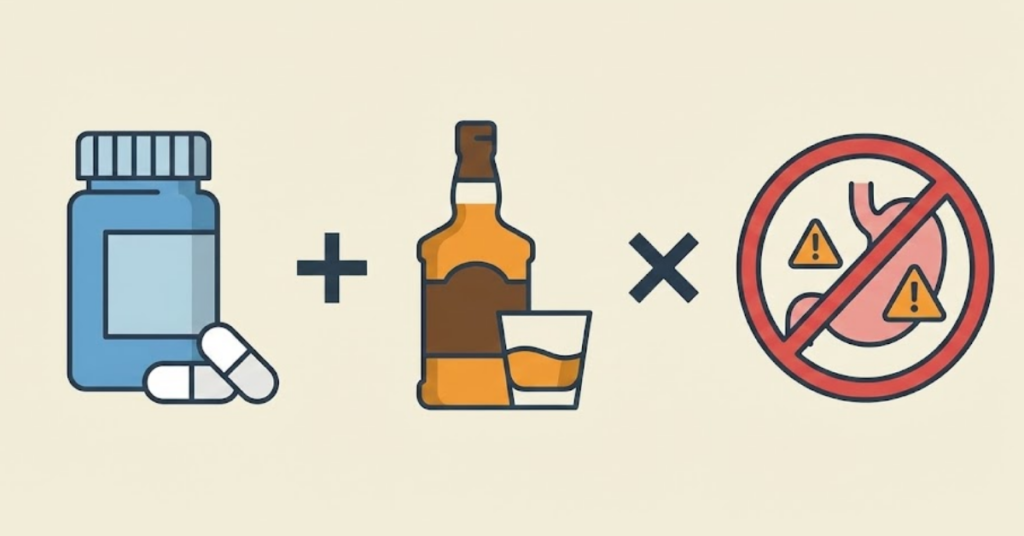
No, mixing ibuprofen with alcohol increases the risk of stomach bleeding and kidney damage, though a single drink with a low dose is rarely fatal.
Taking pain relievers is a standard part of managing headaches or muscle soreness. However, social situations often involve a glass of wine or a beer. You need to understand how these two common substances interact inside your body before you combine them.
The combination poses specific health risks that vary based on your age, the dosage, and your stomach health. This guide breaks down exactly what happens biologically and how to stay safe.
Can I Drink Ibuprofen With Alcohol?
Medical professionals generally advise against mixing non-steroidal anti-inflammatory drugs (NSAIDs) like ibuprofen with alcohol. While a single glass of wine with a standard 200mg dose might not send a healthy adult to the emergency room, the interaction creates immediate stress on your digestive system.
Alcohol irritates the lining of your stomach. Ibuprofen works by blocking the production of prostaglandins, which are chemicals that signal pain but also help protect that same stomach lining. When you remove the protective layer and add an irritant, the chances of gastritis or ulcers rise sharply.
Many people unknowingly ask, can i drink ibuprofen with alcohol without causing permanent damage? The answer relies heavily on frequency. Occasional mixing carries lower risks than habitual use, but the threat of gastrointestinal bleeding remains present even with moderate consumption.
The Hidden Impact On Your Kidneys
Your kidneys filter waste from your blood. Alcohol acts as a diuretic, which can lead to dehydration and force your kidneys to work harder. Ibuprofen constricts the blood vessels leading to the kidneys.
When you combine dehydration with restricted blood flow, you risk acute kidney injury. This is particularly dangerous for older adults or anyone with pre-existing renal issues. You might not feel kidney stress immediately, but the cumulative damage can be significant.
Risk Assessment By Scenario
Not every situation carries the same level of danger. The following table outlines different consumption scenarios to help you judge your personal risk level immediately.
| Consumption Scenario | Risk Level | Primary Health Concern |
|---|---|---|
| 1 Drink + 200mg Ibuprofen | Low | Mild stomach irritation. |
| 3+ Drinks + 200mg Ibuprofen | Moderate | Increased acid, gastritis risk. |
| Any Alcohol + 800mg Ibuprofen | High | Stomach bleeding, kidney stress. |
| Daily Drinking + Daily Ibuprofen | Severe | Ulcers, liver/kidney failure. |
| Drinking on an Empty Stomach | High | Rapid absorption, acute pain. |
| Age 60+ + Any Combination | High | Renal toxicity, hidden bleeds. |
| History of Ulcers + Alcohol | Severe | Re-opening gastric wounds. |
| Dehydrated + Any Combination | Moderate-High | Acute kidney strain. |
Identifying Gastrointestinal Bleeding
The most severe side effect of this combination is stomach bleeding. This does not always manifest as sharp pain immediately. You might not realize damage is occurring until symptoms become severe.
Watch for black, tarry stools. This is a clear sign of blood in the digestive tract. Vomit that looks like coffee grounds is another emergency signal. If you notice these signs, stop all medication and alcohol intake immediately and visit a hospital.
Persistent abdominal pain that feels like gnawing or burning can indicate the start of an ulcer. Continuing to drink while experiencing this pain prevents the stomach lining from healing.
Common Side Effects Of Mixing Ibuprofen And Alcohol
Beyond the silent internal damage, you may experience immediate physical reactions. Both substances can cause drowsiness. Taking them together intensifies this effect, leading to impaired coordination and slower reaction times.
You might also experience:
- Nausea and vomiting: The stomach produces excess acid in response to the mixture.
- Dizziness: Changes in blood pressure and hydration levels affect balance.
- Worsened hangoves: While some take ibuprofen to prevent a hangover, taking it while drinking can actually make the stomach pain worse the next day.
The Alertness Factor
Driving or operating machinery becomes much riskier when these substances mix. You might feel fine to drive after two beers, but the added sedative effect of the medication can tip you over the edge into impairment. Safe judgment requires accounting for this enhanced drowsiness.
How Long Should You Wait To Drink?
Timing matters. If you took a dose of ibuprofen in the morning for back pain, is it safe to have a beer at dinner? Generally, yes.
Ibuprofen has a relatively short half-life of about two hours. This means your body eliminates half the dose every two hours. Most of the drug leaves your system within 10 hours. Drinking 8 to 10 hours after your last dose is usually safe for most healthy adults.
Taking the pill with the alcohol is the most dangerous timing. This places both chemicals in your stomach simultaneously, maximizing the irritation. If you must take pain relief, try to separate the alcohol and the medication by at least four to six hours.
Can I Drink Ibuprofen With Alcohol If I Have Chronic Conditions?
If you manage ongoing health issues, the rules change. A healthy twenty-year-old processes this mixture differently than someone with hypertension or arthritis. If you wonder can i drink ibuprofen with alcohol with a pre-existing condition, the answer is almost always a strict no.
Those with high blood pressure should be careful. NSAIDs can raise blood pressure, and alcohol can interfere with blood pressure medications. Combining them creates a chaotic environment for your cardiovascular system.
Gastritis And Ulcer History
If you have ever had a stomach ulcer, you possess a vulnerability in your stomach lining. Alcohol acts as an abrasive. Ibuprofen removes the shield. Using them together is effectively inviting a recurrence of the injury.
According to the National Institute of Diabetes and Digestive and Kidney Diseases, long-term use of NSAIDs is a leading cause of reactive gastropathy. Adding alcohol accelerates this process significantly.
Comparing Pain Relievers And Alcohol
You might consider swapping ibuprofen for a different pill. However, every pain reliever interacts with alcohol differently. The table below compares common options so you can make an informed choice.
| Medication Type | Brand Names | Alcohol Interaction Risk |
|---|---|---|
| Ibuprofen (NSAID) | Advil, Motrin | High risk of stomach bleed/ulcers. |
| Acetaminophen | Tylenol, Panadol | Severe liver damage risk. |
| Aspirin (NSAID) | Bayer, Excedrin | Very high stomach bleed risk. |
| Naproxen (NSAID) | Aleve | High risk (longer lasting than ibuprofen). |
| Topical Creams | Voltaren, Icy Hot | Low risk (minimal absorption). |
The Danger Of “Hangover Cures”
A common myth suggests taking ibuprofen before bed after a night of drinking prevents a hangover. This is a dangerous practice. While you sleep, the alcohol and medication sit in your stomach, eroding the lining without food to buffer the acid.
You also risk waking up with severe abdominal pain. The medication wears off by morning, leaving you with the rebound headache and a raw stomach. Hydration and sleep remain the only safe cures for a hangover.
Safe Alternatives For Pain Relief
If you have a headache and plan to drink, you have limited pharmaceutical options. Most oral pain relievers carry risks when mixed with ethanol. The safest approach is avoiding oral medication entirely until the alcohol leaves your system.
Non-Medicated Management
Focus on treating the source of the pain without drugs. For tension headaches, hydration often helps significantly. Alcohol dehydrates you, which shrinks the brain slightly and pulls on the membranes, causing pain. Drinking a glass of water between every alcoholic beverage helps prevent this.
For muscle pain, consider topical treatments. Creams and patches deliver medication locally to the muscle tissue with very little entering your bloodstream. This bypasses the stomach and liver, making it a safer choice if you plan to enjoy a drink.
When To Seek Medical Attention
Most people will not experience a catastrophe from one slip-up. However, you must recognize when home monitoring is not enough. Warning signs of a serious interaction include:
- Vomiting blood or material that looks like coffee grounds.
- Bloody or black, tarry stools.
- Unexplained bruising.
- Swelling in the ankles (a sign of kidney stress).
- Difficulty breathing.
If you experience these, emergency care is necessary. Inform the doctors immediately that you have combined NSAIDs and alcohol so they can treat you correctly.
Understanding Dosage Differences
The quantity of the drug changes the risk profile. Over-the-counter pills usually come in 200mg doses. Prescription strength can go up to 800mg per pill. The higher the dose, the stronger the inhibition of protective stomach enzymes.
Taking a prescription-strength dose with alcohol is highly risky. The National Kidney Foundation warns that heavy use of painkillers is a known cause of kidney disease. Adding alcohol to a high-dose regimen multiplies this stress.
Doctors prescribe high doses for significant inflammation. If your condition requires 800mg of ibuprofen, your body is likely already under stress. Adding the toxin of alcohol interferes with your body’s ability to heal the inflammation you are trying to treat.
Final Safety Guidelines
If you choose to drink, plan your medication around it. Skip the dose for that evening if your doctor agrees it is safe to do so. If you need the medication for chronic pain, you may need to abstain from alcohol to protect your organs.
Always eat a full meal before taking ibuprofen. Food acts as a buffer, reducing the direct contact between the pill and your stomach lining. Never take these pills with alcohol to wash them down. Use water, wait for the pill to dissolve and absorb, and then decide if a drink is worth the risk.