
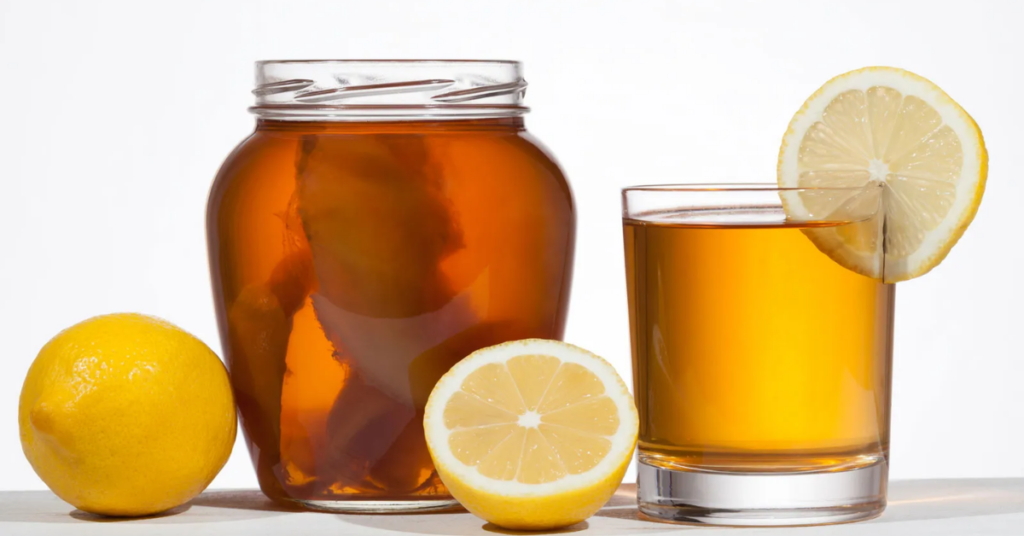
No, most medical experts advise avoiding kombucha during pregnancy due to trace alcohol content, caffeine, and the risk of harmful bacteria in unpasteurized brews.
Pregnancy changes how you look at every label in your fridge. You want to stay healthy, and fermented tea usually feels like a smart choice for your gut. But when you are expecting, the rules for “healthy” foods often shift. The live cultures that make this fizzy drink popular are the exact reason doctors wave a red flag.
You need to protect your immune system right now. Your body naturally lowers its immune defenses during pregnancy to accept the baby. This makes you more susceptible to foodborne illnesses that a non-pregnant body might fight off easily. Because most traditional kombucha is raw and unpasteurized, it falls into the same category as raw milk or soft cheeses.
The fermentation process also creates byproducts that you might not expect in a tea aisle beverage. We will look at the specific dangers, from accidental alcohol intake to bacterial contamination, so you can decide what belongs in your cup.
Can I Drink Kombucha While Pregnant?
The short answer remains no. The primary concern with drinking kombucha while pregnant is that it is a raw, fermented product. To keep the probiotics alive, manufacturers often skip pasteurization. While this preserves the “good” bacteria, it leaves the door open for harmful pathogens like Listeria or Salmonella to grow.
Listeria is particularly dangerous for pregnant women. It can lead to serious complications even if you only feel mild flu-like symptoms. Since kombucha is produced by bacteria and yeast acting on sugar and tea, the environment is ripe for microbial growth. Without the heat step of pasteurization to kill the bad bugs, the risk outweighs the potential probiotic benefits.
You also have to consider the lack of regulation in fermentation times. One batch might be perfectly safe, while another sits too long and develops higher alcohol or bacterial levels. Because you cannot verify the exact safety of every bottle, the safest route is to skip it until after delivery.
The Problem With Home-Brewed Versions
Homemade kombucha carries the highest risk. When you brew at home, you do not have a lab testing the pH levels or alcohol content. It is very easy for a home brew to over-ferment. This can spike the alcohol content significantly higher than what you find in stores. Commercial brands have to stay under 0.5% alcohol by volume (ABV) to be sold as non-alcoholic, but homemade versions can easily creep up to 3% or more. That is essentially a light beer.
Contamination is also much more likely in a home kitchen. Sterile environments are hard to maintain, and a “SCOBY” (Symbiotic Culture Of Bacteria and Yeast) can easily pick up foreign mold or bad bacteria. If you drink a contaminated batch while pregnant, the consequences can be severe.
Nutritional Breakdown And Pregnancy Risks
Understanding exactly what is inside that bottle helps clarify why it is on the “avoid” list. It is not just one factor; it is a combination of several elements that do not mix well with pregnancy.
| Component | Typical Content | Why It Is A Risk |
|---|---|---|
| Alcohol | 0.5% to 3.0% ABV | No amount of alcohol is proven safe; risks Fetal Alcohol Spectrum Disorders. |
| Live Bacteria | Unknown strains | Raw fermentation poses a risk of Listeria or other harmful pathogens. |
| Caffeine | 10mg to 50mg per cup | Adds to daily total; high intake links to low birth weight. |
| Acidity (pH) | 2.5 to 3.5 pH | Can worsen heartburn or acid reflux, which is common in pregnancy. |
| Sugar | 4g to 20g per serving | Excess sugar can complicate Gestational Diabetes management. |
| Heavy Metals | Trace amounts | Improper ceramic brewing vessels can leach lead into the acidic tea. |
| Herbal Additives | Varies (Ginseng, etc.) | Some herbal roots and supplements are not safe for pregnancy. |
The Hidden Alcohol Content
Many people assume non-alcoholic beverages are completely free of booze. That is not true for fermented foods. The yeast eats the sugar in the tea and converts it into ethanol and carbon dioxide. That is where the fizz comes from, but the ethanol is real alcohol.
Commercial brands are monitored, but bottles can continue to ferment after they leave the factory. If a bottle sits on a warm delivery truck or on a store shelf for too long, the yeast wakes up. It eats the remaining sugar and produces more alcohol. You might buy a bottle thinking it is safe, but it could have an ABV closer to 1% or 2% by the time you open it.
According to the American College of Obstetricians and Gynecologists, there is no established safe level of alcohol consumption during pregnancy. Since you cannot measure the alcohol in your specific bottle of tea without a lab kit, the risk is unnecessary.
Risks Of Drinking Kombucha While Pregnant
When you look closely at the risks of drinking kombucha while pregnant, the pasteurization issue stands out most. Unpasteurized juices and ciders are well-known pregnancy “don’ts.” Kombucha is essentially unpasteurized tea cider.
Your immune system is suppressed, making food poisoning hit harder. A bacterial infection that gives a healthy adult a stomach ache could cause dehydration, fever, or even miscarriage in a pregnant woman. The FDA explicitly advises pregnant women to avoid unpasteurized juices for this exact reason.
Another factor is the caffeine. Most brews start with a base of black or green tea. While the fermentation process reduces caffeine slightly, it does not remove it. If you are already drinking a cup of coffee in the morning and having chocolate later, a bottle of kombucha could push you over the recommended 200mg daily caffeine limit.
Can I Drink Pasteurized Kombucha?
You might find some brands that are shelf-stable and pasteurized. This kills the harmful bacteria and the yeast, which stops the alcohol production. From a food safety standpoint, pasteurized kombucha is safer than raw versions.
However, pasteurization also kills the probiotics. If you are drinking it for gut health, a pasteurized version is just sweet, vinegary tea without the benefits. It still contains caffeine and leftover alcohol from the initial fermentation. Even with the bacteria dead, the trace alcohol remains. Most experts suggest sticking to water or pregnancy-safe herbal teas instead.
What If I Already Drank It?
If you consumed a glass before reading this, do not panic. The absolute risk from a single serving is generally low. The warnings are about avoiding cumulative risk and potential worst-case scenarios.
Monitor how you feel. If you experience symptoms of food poisoning like vomiting, fever, or diarrhea, contact your healthcare provider. Mention that you drank unpasteurized fermented tea. For the vast majority of women, a slip-up will not cause harm, but it is smart to stop drinking it for the rest of your term.
Safe Probiotic Alternatives
You likely want kombucha for the gut health benefits or the digestion help. Pregnancy often slows down digestion, leading to constipation and bloating. You can get those same probiotic benefits from sources that do not carry the alcohol or bacteria risks.
Yogurt is the gold standard here. Pasteurized yogurt with active cultures provides the gut support you need along with calcium and protein, which are excellent for your baby’s bone development. Look for “live and active cultures” on the seal.
Kefir is another option, but check the label. Traditional kefir is fermented milk and can have the same alcohol issues as kombucha if made traditionally. However, most commercial kefir sold in the dairy aisle is pasteurized and safe. It is a potent source of probiotics.
Comparing Probiotic Sources
It helps to see how this trendy tea stacks up against safer options. You do not have to sacrifice gut health just because you are giving up the fizz.
| Product | Safety Rating | Pregnancy Pros & Cons |
|---|---|---|
| Raw Kombucha | Avoid | High bacteria/alcohol risk. Not worth the probiotic benefit. |
| Pasteurized Yogurt | Safe | Excellent calcium and protein. Look for low-sugar options. |
| Probiotic Supplements | Consult Doctor | Generally considered safe, but ask your OB-GYN for specific brands. |
| Pickles (Fermented) | Safe (If Pasteurized) | Satisfies cravings. Sodium can be high, so watch portions. |
| Pasteurized Kefir | Safe | Drinkable like kombucha, but creamier. Check sugar content. |
| Ginger Ale | Safe | No probiotics, but great for nausea. Choose real ginger versions. |
The Impact On Liver Function
Your liver works overtime during pregnancy. It processes your hormones and filters toxins for two people. Adding alcohol and complex fermentation byproducts to the mix adds unnecessary stress to this organ.
Some herbal ingredients found in “wellness” kombuchas can also tax the liver. Adaptogens like ashwagandha or medicinal mushrooms are popular additives in modern brands. These have not been thoroughly tested for safety in pregnant women. Sticking to simple ingredients reduces the workload on your liver and keeps your baby safe.
Can I Drink Kombucha While Breastfeeding?
Once the baby arrives, you might think you can immediately go back to your daily habits. However, nursing mothers should still proceed with caution. The alcohol in kombucha does pass into breast milk.
While a tiny amount of alcohol metabolizes quickly, the caffeine is a bigger issue for some infants. Newborns process caffeine very slowly. If your baby is fussy or has trouble sleeping, the caffeine from your tea might be the culprit. The CDC notes that moderate caffeine is usually fine, but kombucha varies wildly in caffeine content.
If you decide to drink it while nursing, stick to small amounts and watch your baby for reactions. Avoid home brews completely, as the higher alcohol potential is risky for a breastfeeding infant.
Final Thoughts On Fermented Tea
The craving for something tart and fizzy is real, especially when you are tired of plain water. But the combination of raw bacteria, caffeine, and alcohol makes kombucha a poor choice for these nine months. The industry simply does not have the standardization needed to guarantee safety for pregnant women.
You have plenty of safer ways to support your gut and hydration. Sparkling water with a splash of cranberry juice can mimic the tartness. Pasteurized yogurt can handle the probiotic needs. Protect your pregnancy by keeping the raw ferments out of your glass until after delivery.