
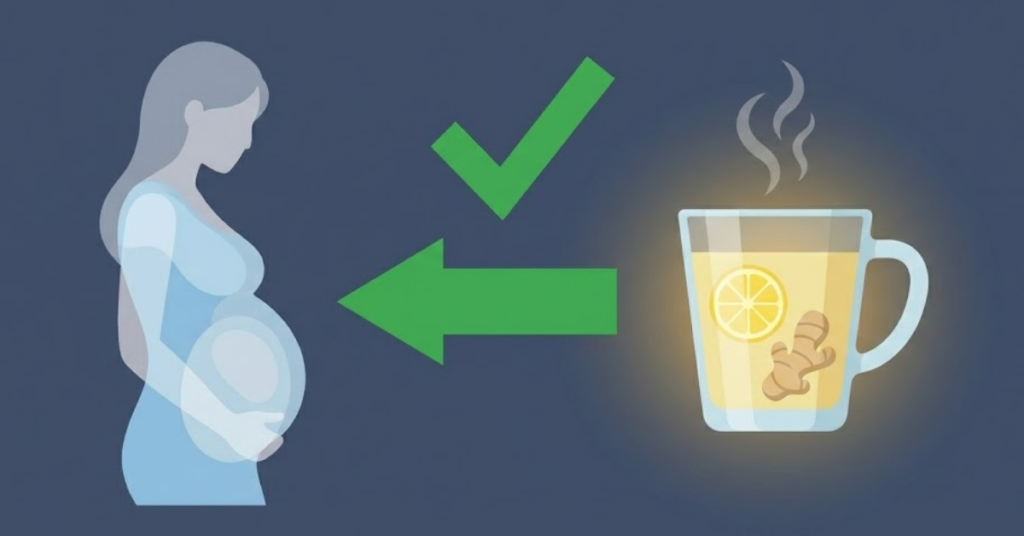
Yes, you can drink lemon ginger tea while pregnant to manage nausea and stay hydrated, provided you stick to 1–2 cups daily to avoid heartburn.
Pregnancy brings a wave of changes, and for many, an overwhelming wave of nausea. When morning sickness hits, your instinct might drive you toward natural remedies rather than the medicine cabinet. A steaming mug of lemon ginger tea is a classic comfort, but seeing two pink lines often makes you question everything you put in your body.
You need safe, effective relief without risking your baby’s health. While herbal teas are generally gentle, not all natural ingredients suit every stage of pregnancy. Understanding the limits of ginger intake and how acidity affects your digestion helps you sip safely.
Can I Drink Lemon Ginger Tea While Pregnant? – The Safety Verdict
You can breathe a sigh of relief. For most expectant mothers, drinking lemon ginger tea is safe and highly recommended by nutritionists and midwives. The combination of ginger root and lemon juice creates a powerful aid for digestion and nausea suppression. However, the difference between a helpful remedy and a heartburn trigger often lies in the quantity.
Ginger is classified as likely safe when consumed in amounts commonly found in food. During pregnancy, medical experts often suggest it as a first-line non-pharmaceutical treatment for nausea. Lemon provides Vitamin C and helps cut through the metallic taste that often accompanies early pregnancy.
The main caution here involves concentration. Medicinal doses of dried ginger supplements differ from steeping a few slices of fresh root in water. Drinking reasonable amounts of tea allows you to reap the benefits without exceeding the recommended daily limits of ginger consumption.
Understanding Daily Limits
Moderation remains your best friend. Most healthcare providers suggest limiting dried ginger intake to 1,000 mg (1 gram) per day. If you use fresh ginger, this equals roughly 4 grams (about one teaspoon of grated root). Since a standard tea bag or a homemade cup usually contains less than this limit, enjoying one to two cups a day falls well within the safety zone.
Excessive consumption might lead to mild side effects. Too much ginger can occasionally cause gas or bloating, while the citric acid in lemon can aggravate acid reflux, a condition already common in the later stages of pregnancy due to the growing baby pressing on your stomach.
Nutritional Breakdown and Pregnancy Impact
To understand why this drink is such a popular choice, we need to look at what is actually in your cup. This breakdown covers the common components found in both homemade and store-bought versions.
This table details the ingredients, their specific benefits for you right now, and what limits you should respect.
| Ingredient | Pregnancy Benefit | Potential Risk or Limit |
|---|---|---|
| Fresh Ginger Root | Contains gingerols that block nausea receptors in the gut. | Limit to 4g/day. High doses may thin blood slightly. |
| Dried Ginger (Powder) | Highly concentrated for digestion support. | Limit to 1g/day. Stronger flavor may trigger reflux. |
| Lemon Juice | Provides Vitamin C and boosts immunity. | High acidity can erode tooth enamel or worsen heartburn. |
| Lemon Zest/Peel | Contains limonene which aids digestion. | Wash thoroughly to remove wax or pesticide residue. |
| Honey (Sweetener) | Sooths sore throats; provides quick energy. | Calorie dense; monitor intake if managing gestational diabetes. |
| Herbal Tea Base (Rooibos/Mint) | Caffeine-free hydration. | Peppermint can relax the esophageal sphincter, worsening reflux. |
| Green/Black Tea Base | Mild energy boost. | Contains caffeine. Limit total daily caffeine to 200mg. |
Why Ginger Is a Superfood for Morning Sickness
Ginger does not just mask nausea; it actively fights it. The active compounds in ginger, known as gingerols and shogaols, speed up stomach emptying. When you feel queasy, it is often because your stomach motility has slowed down, leaving food and acid sitting stagnant. Ginger stimulates the muscles of the gastrointestinal system to move things along.
This mechanism makes it particularly effective for hyperemesis gravidarum, the severe form of morning sickness. While it is not a cure-all, studies cited by the American College of Obstetricians and Gynecologists suggest that ginger treatment significantly reduces the severity of nausea in early pregnancy.
Beyond the stomach, ginger has anti-inflammatory properties. Pregnancy suppresses your immune system slightly to protect the fetus, making you more susceptible to colds. The antimicrobial properties in ginger, combined with the Vitamin C in lemon, act as a gentle shield during flu season.
Addressing the Heartburn Dilemma
While asking can I drink lemon ginger tea while pregnant, many women overlook the side effect of heartburn. Progesterone, the hormone supporting your pregnancy, relaxes smooth muscles throughout your body. This includes the valve between your stomach and esophagus.
When you drink highly acidic beverages like lemon tea, that relaxed valve allows acid to creep back up, causing that familiar burning sensation in your chest. If you already suffer from heartburn, you do not have to give up your tea, but you should tweak how you drink it.
Tips to Minimize Acid Reflux
- Dilute the Lemon: Use half the amount of lemon juice you normally would.
- Sip, Don’t Gulp: Drinking large volumes of liquid quickly can overfill the stomach.
- Sit Up Straight: Drink your tea while sitting upright and avoid lying down for at least 30 minutes afterward.
- Skip the Sugar: Sometimes the added sugar or honey contributes more to the acid flare-up than the lemon itself.
Store-Bought Tea Bags vs. Homemade Brews
Convenience matters when you are exhausted. Grabbing a box of tea bags from the grocery store is perfectly fine, but reading the label is non-negotiable. Commercial blends often include other herbs to enhance flavor or shelf life. Some of these additions might not be ideal for pregnancy.
Ingredients to watch for in blends:
- Licorice Root: Often added for sweetness, but excessive consumption is linked to higher blood pressure and preterm labor risks.
- Hibiscus: Frequently paired with lemon for color, but some studies suggest it may stimulate blood flow to the uterus.
- Lemongrass: Safe in food amounts, but concentrated oils or large quantities are sometimes cautioned against.
Making your own tea gives you total control. You know exactly how much ginger is going in, and you can ensure the lemon is fresh. Homemade versions also lack the “natural flavors” often listed on boxes, which can be vague and processed.
How to Make the Safest Cup
Creating a pregnancy-safe brew at home takes less than ten minutes. This method extracts the beneficial gingerols without making the tea too spicy or acidic.
Step 1: Prep the Ginger
Peel a one-inch knob of fresh ginger root. Slice it thinly. Grating it makes the tea stronger and cloudier, while slicing keeps it clear and milder.
Step 2: The Boil
Bring two cups of water to a boil in a small pot. Add the ginger slices. Reduce the heat and let it simmer for at least 5 minutes. If you want a stronger effect for nausea, simmer for 10 minutes.
Step 3: Add Lemon Last
Remove the pot from the heat. Squeeze in the juice of half a lemon. Adding lemon while the water is actively boiling can destroy some of the Vitamin C.
Step 4: Sweeten Wisely
Stir in a teaspoon of honey or maple syrup if needed. Sip slowly while it is warm.
First Trimester vs. Third Trimester Considerations
Your body’s reaction to lemon ginger tea might shift as your pregnancy progresses.
First Trimester
This is the peak time for morning sickness. You might rely heavily on this tea. The focus here is nausea management. You can drink it chilled if hot beverages trigger your gag reflex. Iced lemon ginger tea works just as well for hydration and settling the stomach.
Third Trimester
As the baby grows, they push against your stomach. Heartburn becomes the primary enemy. You might find that the lemon content becomes too aggressive for your esophagus. In this stage, you might switch to just ginger tea with no lemon, or reduce the lemon quantity significantly. Also, ensure you aren’t drinking large amounts of fluid right before bed to minimize nighttime bathroom trips.
Comparing Herbal Teas for Pregnancy Safety
You might want variety. Drinking the same flavor every day can get boring. It helps to know which other herbal options sit safely on the shelf next to your lemon ginger box.
This comparison helps you build a safe rotation of beverages.
| Tea Type | Pregnancy Safety Status | Notes |
|---|---|---|
| Lemon Ginger | Safe (Green Light) | Best for nausea. Watch for heartburn. |
| Peppermint | Safe (Green Light) | Good for gas, but can worsen heartburn. |
| Red Raspberry Leaf | Caution (Yellow Light) | Often recommended for labor prep in 3rd trimester; avoid in 1st. |
| Chamomile | Safe (Green Light) | Great for sleep. Limit to 1-2 cups. |
| Licorice Root | Unsafe (Red Light) | Avoid. Linked to adverse developmental outcomes. |
| Black/Green Tea | Moderate (Yellow Light) | Contains caffeine. Count toward daily 200mg limit. |
| Sage Tea | Unsafe (Red Light) | Contains thujone; linked to miscarriage risk in high doses. |
When to Consult Your Doctor
While we have established the answer to can I drink lemon ginger tea while pregnant is a yes, individual medical histories vary. You should have a quick conversation with your OB-GYN or midwife if you fall into high-risk categories.
Women with a history of bleeding disorders should be careful. Ginger has mild blood-thinning properties. If you are taking anticoagulant medication or are close to your delivery date with a scheduled C-section, your doctor might ask you to stop consuming ginger to minimize bleeding risks during the procedure.
Additionally, if your nausea is so severe that you cannot keep down even fluids, tea is not the solution. This could be a sign of hyperemesis gravidarum, which requires medical intervention and IV fluids to prevent dehydration.
The Role of Temperature in Digestion
The temperature of your tea affects how your body receives it. Traditional Chinese Medicine and Ayurveda often recommend warm foods and drinks for pregnant women to support “digestive fire.” Warm tea acts as a vasodilator, widening blood vessels and helping the gut muscles relax.
However, if you are overheating—a common side effect of increased blood volume and hormones—iced lemon ginger tea is a valid alternative. The key with iced tea is to brew it hot first to kill any potential bacteria on the fresh ingredients, then cool it down. Avoid “sun tea” or cold-brewing methods with raw roots during pregnancy to eliminate the risk of listeria or other bacterial contamination.
Interactions With Prenatal Vitamins
Timing your tea consumption matters. The tannins found in tea (more common in black and green tea, but present in some herbal blends) can inhibit the absorption of iron. Iron is critical during pregnancy to prevent anemia.
To maximize nutrient absorption from your prenatal vitamins or iron-rich meals, wait about one hour after eating before drinking your tea. The Vitamin C in the lemon actually helps iron absorption, but if your blend contains tea leaves, the tannins might cancel out that benefit. If you are drinking pure fresh ginger and lemon water, the Vitamin C will boost your iron uptake, making it a great drink to pair with a spinach salad or steak.
Managing Sugar Content
Many pre-bottled lemon ginger drinks found in convenience stores are not teas; they are sodas or sugary juices. These can contain upwards of 30 grams of sugar per bottle. High sugar intake can lead to excessive weight gain and increase the risk of gestational diabetes.
Always stick to brewed versions. If you need sweetness, use a small amount of pasteurized honey. According to the American Pregnancy Association, commercial herbal teas are generally safe, but reading the nutritional panel for added sugars is a smart habit to build now.
Final Thoughts on Pregnancy Hydration
Staying hydrated is one of the most effective ways to keep amniotic fluid levels healthy and reduce common pregnancy complaints like headaches and swelling. Water can get boring after a few months. Lemon ginger tea offers a flavorful, functional alternative that tackles nausea while keeping your fluid intake up.
Listen to your body. If the tea makes your heart burn, switch to plain ginger or peppermint. If it soothes your stomach, enjoy it as a daily ritual. Pregnancy is about finding what works for you and your baby, one cup at a time.