
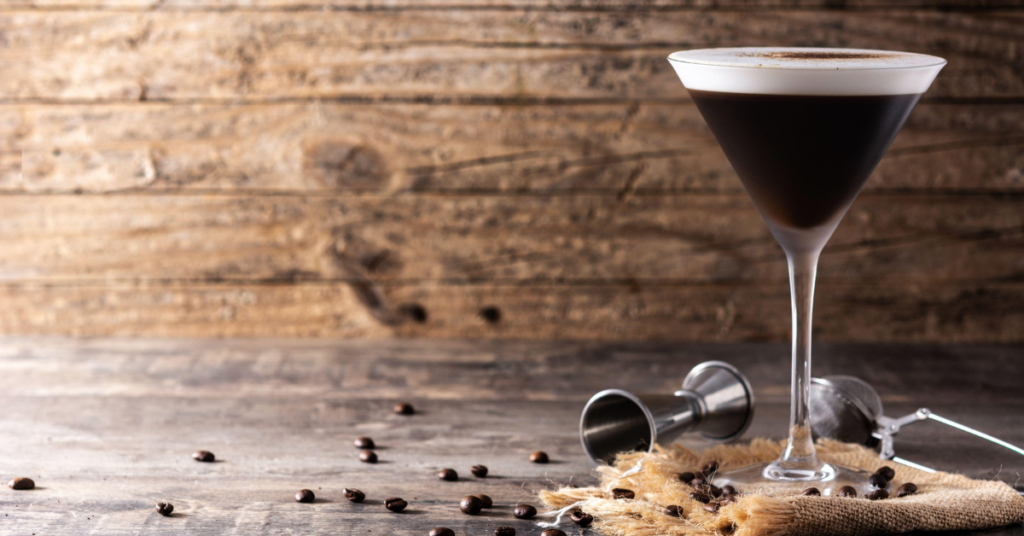
Most espresso martinis use one espresso shot, though many bartenders double it to two shots for stronger coffee punch in many busy bars.
Quick Answer: How Many Espresso Shots Are In An Espresso Martini?
The classic recipe for an espresso martini uses one shot of espresso. In many bars, that single shot lands around one ounce, or thirty milliliters, pulled fresh and shaken with vodka, coffee liqueur, and a touch of sugar syrup. When guests ask about shot count in an espresso martini, the honest reply is that one shot is standard, though two shots show up often in modern twists.
Most guests feel pleasantly alert with a single shot version, while a double shot espresso martini can edge into wired territory, especially after dinner. Shot size also varies by café or bar, so a “single” in one venue might match a “double” somewhere else. Because of that, many bartenders talk about total espresso volume instead of a strict shot label.
Espresso Martini Shot Styles And Ratios Table
This first table gives a quick view of common espresso martini builds and how many espresso shots each version usually carries.
| Recipe Style | Espresso Shots | Typical Use |
|---|---|---|
| IBA Style Classic | 1 shot | Balanced drink for most guests at a bar |
| Standard House Espresso Martini | 1 shot | Everyday menu version in cocktail bars |
| Double Shot Espresso Martini | 2 shots | Stronger coffee flavour and bigger caffeine hit |
| Low Caffeine Espresso Martini | 1/2 shot | Lighter late night drink or second round |
| Large Format Or Coupe Upgrade | 2 shots | Larger glass size or split drink for sharing |
| Decaf Espresso Martini | 1–2 shots decaf | Coffee flavour with less stimulation |
| Dessert Style Espresso Martini | 1 shot | Sweeter drink with syrups or cream liqueur added |
Espresso Martini Espresso Shot Breakdown By Ingredient Ratio
At the core of every espresso martini sits a triangle of vodka, coffee liqueur, and fresh espresso. The International Bartenders Association lists a template with fifty milliliters of vodka, thirty milliliters of coffee liqueur, ten milliliters of sugar syrup, and one strong espresso shot shaken with ice and strained into a chilled cocktail glass.
That formula keeps sweetness, alcohol, and coffee in balance. One shot of espresso in this build contributes strong flavour, a creamy layer of foam on top, and a moderate amount of caffeine. When a bar upgrades the drink to two shots, the espresso portion can outweigh the liqueur, which leads to a drier, more roasted profile that some guests love and others find harsh.
Many bartenders adjust sugar syrup or coffee liqueur when they increase espresso volume. Adding a second shot without changing anything else can leave the drink bitter. Slightly more sugar or a touch more coffee liqueur nudges the flavour back toward smooth while keeping the clear coffee punch people expect from this cocktail.
Shot Count For Classic Espresso Martini Recipes
If a recipe claims to follow the official pattern for this drink, one shot is almost always baked in. Sources that summarise the IBA version repeat that single strong espresso line and show ratios that match the original build. Many respected cocktail references and recipe collections echo the same approach and keep the drink at one shot unless they flag a twist in the title.
Home bartenders who copy those recipes can stay close to that one shot plan for a base version. From there, they can test a half shot more, a full second shot, or a mix of regular and decaf espresso. Each tweak still gives a clear answer when guests ask how many espresso shots are in an espresso martini.
Why Some Bars Pour Two Espresso Shots
In busy service, many bartenders pull double espresso shots as a habit, because one handle pull on the machine yields two shots. Rather than waste the second half, they often pour both into the shaker, which turns the double shot espresso martini into a quiet house standard. Groups who love strong iced coffee or cold brew then taste that bolder version, request it by name, and keep it on the menu through repeat orders.
How Caffeine Changes With Espresso Shot Count
A single one ounce shot of espresso usually lands around sixty to seventy milligrams of caffeine, though beans, grind, and equipment can nudge that number up or down.
An espresso martini built with one shot sits near the same caffeine level as a small strong coffee. A double shot version roughly doubles the caffeine in the glass and can feel closer to a regular morning mug, especially if you drink more than one cocktail.
Guidance from the U.S. Food and Drug Administration notes that about four hundred milligrams of caffeine per day suits many healthy adults. One or two single shot espresso martinis leave plenty of room in that budget, while several double shot rounds, plus earlier coffee, can push some guests near their personal limit.
Listening To Your Body With Espresso Martinis
Everyone reacts to caffeine in a slightly different way. Some people feel wide awake after half a shot, and others can sip two double shot espresso martinis and still fall asleep easily. Guests who know they feel jittery from late coffee can treat this drink like a final cup and stop there for the night.
People with heart conditions, high blood pressure, or a medical reason to limit caffeine can still enjoy the flavours with tweaks. One option is a half shot build backed by decaf espresso, which keeps the dark roasted coffee taste with less stimulation. Another route uses full decaf espresso, which lets guests share the ritual and look of the drink with a softer effect on sleep and heart rate.
Ordering An Espresso Martini At A Bar Without Confusion
When you order this cocktail out, a short chat with the bartender removes guesswork. Menus rarely show shot counts, so guests can end up more wired than they planned, especially if they already had coffee with dinner. A clear request up front leads to a drink that suits both taste and tolerance.
One easy line is to ask whether the house espresso martini uses one or two shots. Once you know that, you can request a lighter pour or an extra boost. Guests who rarely drink coffee might start with half a shot and watch how they feel before ordering another round. Regular coffee drinkers often feel comfortable with one shot at first and then a second in a later drink if the night runs long.
Questions To Ask Your Bartender
If you care about caffeine or flavour strength, a few friendly questions help. You can ask whether the bar uses decaf espresso on request, what cup size they pull for each shot, and whether the bartender can sweeten or dry out the drink to match your taste. Guests who plan to drive, feel sensitive to caffeine, or already had energy drinks earlier in the day can share that too, so the bartender can steer them toward one shot versions, decaf builds, or a lower alcohol twist that still tastes like an espresso martini.
Home Espresso Martini Recipes By Shot Count
Home mixing gives you full control over how many espresso shots land in the glass. A simple shaker, fresh espresso, vodka, coffee liqueur, and ice are enough to build versions for different moods. The recipes in this table use the same glass size, so the main change from row to row sits in shot count and small ratio shifts.
| Version | Espresso Shots | Best For |
|---|---|---|
| Weeknight Single Shot | 1 shot | Light evening treat with coffee flavour |
| Brunch Double Shot | 2 shots | Daytime drink for coffee lovers |
| Half Shot Starter | 1/2 shot | Guests new to coffee cocktails |
| Regular And Decaf Split | 1 shot regular + 1 shot decaf | Late night sipping with softer effect |
| Low Alcohol Espresso Martini | 1 shot | Less vodka, more liqueur, same coffee taste |
| Sharing Coupe Espresso Martini | 2 shots | Wide glass to split between two people |
| Mocktail Espresso Style | 0 shots | Chilled sweet coffee drink without alcohol |
Simple One Shot Espresso Martini Recipe
To mix a classic home version, shake fifty milliliters of vodka, thirty milliliters of coffee liqueur, ten milliliters of sugar syrup, and one freshly pulled espresso shot with plenty of ice. Shake hard until the shaker feels frosty in your hands, then strain into a chilled coupe or martini glass. Three coffee beans on top finish the look and bring a light aroma every time the glass nears your nose.
Guests who want a double shot espresso martini can keep everything the same and add a second espresso shot, then adjust sugar syrup slightly if the drink tastes too bitter. People who want the texture with less caffeine can swap part of the espresso for decaf or mix in a splash of cold brew concentrate.
Answering Espresso Martini Shot Counts At Home
When you pour drinks for friends, it helps to share the plan up front. If you say that each glass holds one shot, guests can track their caffeine as easily as their alcohol. When someone asks how many espresso shots are in an espresso martini at your place, you can point to your recipe card with confidence.
Writing that card with clear numbers for vodka, coffee liqueur, sugar syrup, and espresso turns this modern classic into a repeatable house drink. Over time you can tune shot counts for seasons, events, and guest lists, while still keeping the basic answer the same. Most of the time, one shot builds a reliable espresso martini, and a second shot is an option, not a rule.