
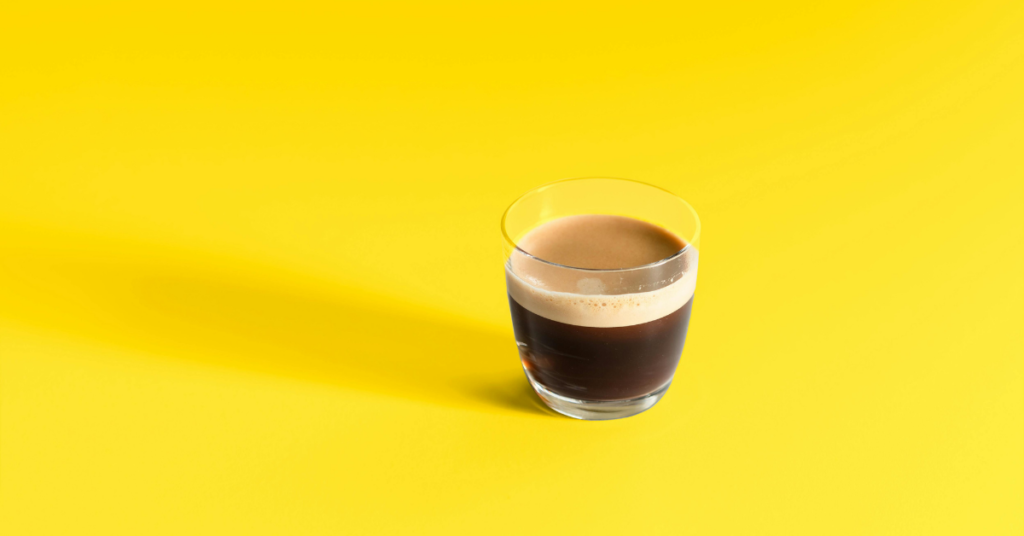
Most healthy adults can have about 3–5 single espressos a day, around 400 mg caffeine total, if they are not getting large doses from other drinks.
If you love the punch of a straight espresso, you have probably asked yourself some version of “how many espressos can you have in a day?” The answer sits at the point where flavor, habit, and caffeine safety meet. You need a clear number range, but you also need to adjust it for your body, your sleep, and any health issues you may have.
Health agencies usually talk about caffeine in milligrams, not espresso shots. So this guide translates those official limits into real-world shot counts, then shows how drink size, timing, and personal sensitivity change the safe daily range.
How Many Espressos Can You Have In A Day? Safe Ranges
Most guidance for healthy adults lands on about 400 mg of caffeine per day as a reasonable ceiling. The U.S. Food and Drug Administration notes that this level, spread through the day, is not generally linked with negative effects in healthy adults. You can see this in their consumer update on caffeine intake.
The European Food Safety Authority reaches a similar number, stating that up to 400 mg caffeine per day and single doses up to 200 mg are unlikely to raise safety concerns for healthy adults, based on available data across many studies. Their summary on the topic appears in an overview of caffeine safety.
A single espresso shot varies by café and machine, but a common range is about 60–80 mg caffeine for a 25–30 ml “single” shot. That means:
- At 60 mg per shot, 400 mg equals about 6–7 espressos.
- At 80 mg per shot, 400 mg equals about 5 espressos.
Most people also drink other sources of caffeine such as drip coffee, tea, soda, energy drinks, chocolate, or caffeine-containing medicine. Once you add those in, a practical daily cap often lands closer to 3–5 single espressos for a healthy adult.
Daily Caffeine Limits And Rough Espresso Equivalents
| Group | Suggested Daily Caffeine Limit | Approximate Espresso Shots |
|---|---|---|
| Healthy non-pregnant adult | Up to 400 mg | About 3–5 singles, depending on size |
| Pregnant person | Up to 200 mg | About 1–3 singles |
| Breastfeeding person | Up to 200 mg | About 1–3 singles |
| Teenager | About 100 mg | About 1 single, sometimes less |
| Child | Limit usually based on body weight | Espresso not advised as a routine drink |
| Adult with heart or rhythm issues | Often less than 400 mg | Personal cap set by a health professional |
| Person on interacting medicine | May need a lower limit | Number of shots depends on advice given |
These ranges are broad on purpose. They show how many espressos fit under common caffeine limits, not a target you must hit. Your own safe number can easily sit lower than the top of the range if you are sensitive to caffeine or if your drinks are larger or stronger than average.
How Espresso Size And Strength Change The Math
Two people might each say they drink “three espressos,” yet one could be getting twice the caffeine of the other. Shot size, roast, grind, and brew method all shape the caffeine load in the cup.
Single Vs Double Shots
Many cafés default to a double shot in drinks like lattes and cappuccinos. That means a “coffee” already contains two standard espressos before you even order another round. If a single shot at your local shop sits close to 70–80 mg caffeine, a double lands near 140–160 mg.
Stack a morning double, a mid-day double, and an afternoon single and you might reach 350–400 mg caffeine in espresso alone. Add an energy drink or a strong tea and you are likely above the usual daily guidance in less than a day.
Beans, Roast, And Grind
Bean type and roast level shift caffeine by a smaller amount than many people expect, but they still matter. Robusta beans tend to carry more caffeine than arabica. Darker roasts are slightly lower in caffeine by volume, though dose and grind often counter that, since baristas may pack a little more coffee into a basket for a dark roast.
A fine grind and long extraction pull more caffeine into the shot. If the barista runs the shot long or uses a larger basket than standard, your “one espresso” may drift toward the high end of the usual range.
Home Machine Vs Café Espresso
At home, dose and yield can vary from day to day. One morning you might use 16 grams of coffee and pull a classic 1:2 ratio shot; another day you might run it long and turn it almost into an americano base. When you ask how many espressos can you have in a day, it helps to estimate how much caffeine sits in the typical shot from your own machine.
A simple rule that works for many setups is to assume about 60–70 mg caffeine for a compact single shot around 25–30 ml and about 120–140 mg for a moderate double. Use that as a starting point unless you have lab testing or detailed data from your machine and beans.
Who Should Drink Fewer Espressos
While many healthy adults can enjoy several espressos without trouble, some groups need a lower ceiling or a different routine. Caffeine stays longer in the body for some people, and certain life stages or conditions call for a cautious approach.
Pregnancy And Breastfeeding
During pregnancy, caffeine passes the placenta and breaks down slowly, so health bodies commonly advise keeping daily intake at or under 200 mg. That usually means no more than one or two espressos, and often less, especially if you also drink tea, cola, or chocolate drinks. For breastfeeding, similar limits are often suggested, since caffeine passes into breast milk and can make some infants unsettled.
Children And Teenagers
Kids and teens are smaller and more sensitive to caffeine, so their safe limit is lower per day and per kilogram of body weight. Many pediatric and public health groups recommend that teenagers stay near or below 100 mg caffeine daily and that younger children avoid coffee drinks such as espresso entirely. If a teenager does drink espresso, one small shot already uses most of that daily budget.
People With Heart, Sleep, Or Anxiety Issues
Caffeine can raise heart rate and blood pressure in the short term and can worsen insomnia or anxiety in some people. If you already live with heart disease, rhythm problems, severe high blood pressure, panic attacks, or chronic sleep trouble, even two espressos might feel like too much. In that case, limits from broad population data do not tell the full story, and a personal plan made with a health professional matters far more than any generic number.
Signs You Are Overdoing Espresso
Official limits give a ceiling, but your body gives feedback long before you pass that line. If you keep asking how many espressos can you have in a day, it may help to watch for warning signs that your current intake is not working for you.
Short-Term Warning Signs
- Jitters, shakiness, or a buzzing feeling after one or two shots.
- Racing heart or strong palpitations that feel uncomfortable.
- Headaches that appear once the caffeine starts to wear off.
- Stomach upset, nausea, or loose stools after espresso.
- Feeling edgy, restless, or unusually irritable.
If these show up often, trimming the number of espressos, switching some drinks to decaf, or spacing shots farther apart can make a clear difference within a few days.
Sleep And Next-Day Effects
Caffeine can stay in your system for many hours. A strong espresso in late afternoon may still affect your ability to fall asleep or stay asleep that night, especially if you do not drink coffee regularly. When sleep quality drops, people often feel tired and reach for more caffeine the next morning, which can create a loop of growing intake and growing fatigue.
If you notice that three or four espressos leave you wide awake at night or groggy the next morning, your personal limit might sit closer to one or two shots, taken earlier in the day.
How To Plan Your Espressos Through The Day
Once you know the broad caffeine range that fits your situation, planning when and how you drink each espresso keeps you under that line while still enjoying the ritual.
Pick A Personal Daily Cap
Start by choosing a simple number of shots that fits under your caffeine limit and matches your current routine. For many healthy adults, that might be three or four single espressos. If you often drink double shots, count each as two and adjust the number accordingly.
Someone who wants to stay near 300 mg caffeine might pick a cap of three singles. A person who often has a double cappuccino in the morning and a double after lunch might decide that those four shots already fill their daily allowance, and any extra caffeine needs to be decaf or tea with a gentler dose.
Spread Shots, Do Not Stack Them
Spacing drinks helps your body handle caffeine more smoothly. Instead of three espressos back-to-back, drink one with breakfast, one late morning, and one early afternoon. That pattern keeps peaks lower and leaves more time for caffeine levels to fall before bedtime.
You can also trade some espressos for drinks that still feel cozy but carry less caffeine. Half-caf shots, smaller cups, or one full-strength espresso followed by a decaf version of your favorite drink all lower the total milligrams without taking away the habit.
Keep Late-Day Espresso Rare
If sleep matters to you, treat mid-afternoon as a soft cut-off time for caffeine. Many people notice fewer problems when the last espresso lands at least six hours before bedtime, and even earlier if they are sensitive. Saving that evening slot for water, herbal tea, or a caffeine-free treat helps break the cycle of sleep loss and extra coffee.
Example Daily Espresso Patterns Within Safe Limits
Translating caffeine numbers into daily patterns can make the guidance easier to follow. These examples assume a single espresso contains around 70 mg caffeine and that you are not drinking large amounts of other caffeinated drinks on the same day.
| Pattern | Number Of Espresso Shots | Caffeine Estimate From Espresso |
|---|---|---|
| Light drinker | 1 single in the morning | About 70 mg |
| Moderate morning focus | 2 singles before noon | About 140 mg |
| Spread through workday | 1 single at breakfast, 1 mid-morning, 1 early afternoon | About 210 mg |
| Double-shot fan | 1 double in the morning, 1 single after lunch | About 210–230 mg |
| Near the upper adult limit | 2 doubles, one early, one mid-day | About 280–320 mg |
| Heavy espresso day | 3 doubles spaced out | About 420–480 mg |
That last pattern already pushes beyond or close to the 400 mg level many agencies give as an upper range for healthy adults. On a day with tablets, energy drinks, or multiple cups of strong tea on top of espresso, you can cross that line much faster than you might guess.
When To Talk With A Professional About Espresso Intake
While general ranges such as “up to 400 mg per day” work well for population-level advice, they do not replace individual medical guidance. If you live with heart disease, rhythm problems, serious high blood pressure, ulcers, reflux, anxiety disorders, or chronic insomnia, your safe number of espressos can be far lower than the broad guideline.
Bring a clear picture of your caffeine intake to your next appointment. Include espresso shots, brewed coffee, tea, caffeine pills, energy drinks, and any medicine that contains caffeine. A professional who knows your medical history can help you decide whether your current pattern is safe, whether you should cut back, or whether switching some drinks to decaf would be a smart move.
If you are pregnant, trying to conceive, or breastfeeding, or if you are thinking about letting a teenager drink espresso, ask for specific guidance on caffeine. Local recommendations sometimes differ slightly, but most will point toward low daily limits and careful timing of any espresso you do drink.
In short, for many healthy adults, keeping total caffeine under about 400 mg per day and limiting espresso to roughly 3–5 standard shots is a sensible target. The exact answer to how many espressos you can have in a day depends on your body, your other sources of caffeine, and your health status, so use these numbers as a guide and adjust them with personal medical advice when needed.