
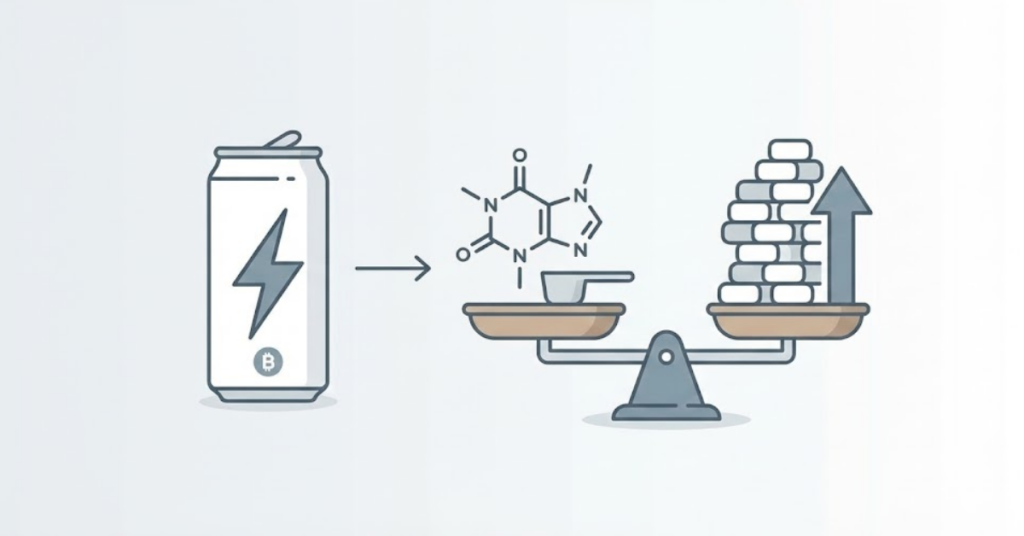
One 16 fl oz Bang energy drink contains about 300 mg of caffeine, which is close to three cups of coffee in a single can.
Bang made its name by packing a heavy dose of caffeine into a can with zero sugar and almost no calories. If you grab one from the fridge before work, the gym, or a long drive, it helps to know exactly how much caffeine you are getting and how that fits into your day. If you have ever typed “How Many MG Of Caffeine Are In A Bang Energy Drink?” into a search bar, you are asking a fair question about what you are putting into your body. This guide walks through the caffeine numbers for Bang, how they compare with other drinks, and how to drink it in a way that still respects basic health advice.
Bang Energy Caffeine Breakdown
Most standard Bang flavors come in 16 fl oz cans. Each of those cans lists 300 mg of caffeine on the label. That comes out to around 18.8 mg per fluid ounce and roughly 63 mg per 100 ml. In other words, a single Bang holds almost the full daily caffeine limit many health agencies suggest for healthy adults.
Here is a quick comparison of Bang energy drink caffeine next to other popular picks:
| Drink / Product | Typical Serving | Caffeine (mg) |
|---|---|---|
| Bang energy drink | 16 fl oz can | 300 |
| Strong brewed coffee | 12 fl oz mug | 180 |
| Standard drip coffee | 8 fl oz cup | 95 |
| Espresso shot | 1 fl oz shot | 60 |
| Monster Energy | 16 fl oz can | 160 |
| Red Bull | 8.4 fl oz can | 80 |
| Cola soda | 12 fl oz can | 35 |
| Black tea | 8 fl oz cup | 40 |
When you see the numbers side by side, the gap stands out. One Bang can hold close to three cans of Red Bull or close to two strong mugs of coffee in caffeine terms. That is why you feel such a sharp lift after finishing the can.
Daily Caffeine Limits And Where Bang Fits
Health bodies treat caffeine as safe for many adults within a certain ceiling. The U.S. Food and Drug Administration cites 400 mg of caffeine per day as a level that many healthy adults can handle without clear negative effects. A Bang energy drink with 300 mg of caffeine takes up three quarters of that daily budget in one go.
That 400 mg figure comes from harm reviews on caffeine intake in healthy adults. Large health groups use it as a rough cap, not a personal rule, since genetics, medications, and sleep habits all change how fast your body clears caffeine and how strongly a given dose hits you for each person though.
That means a person who drinks one full can of Bang and then adds in a latte, a cold brew, or several sodas can cross the 400 mg line without much effort. For people who are smaller in body size, sensitive to caffeine, pregnant, nursing, or living with heart issues, high blood pressure, or sleep problems, that line can sit much lower. In those cases, a full Bang may be too much, and a half can or a lower caffeine drink might be a safer pick.
How Many MG Of Caffeine Are In A Bang Energy Drink? Daily Planning Tips
So how many mg of caffeine are in a Bang energy drink in a way that matters to your schedule? The raw answer is 300 mg in a 16 fl oz can, but the practical answer depends on what else you drink across the day. Think of your daily caffeine intake like a simple budget where each drink spends a bit of the total.
Someone who starts the day with brewed coffee, grabs sweet tea at lunch, and cracks a Bang before an evening workout can blow past 400 mg without noticing. If you want one full can in your routine, trade other drinks for herbal tea, decaf coffee, or plain sparkling water so most of your daily caffeine sits in that single Bang.
Bang Energy Ingredients That Add To The Stimulating Effect
Caffeine is the headliner, but Bang energy drink also includes other stimulating ingredients. Common cans list branched chain amino acids, CoQ10, B vitamins, and a branded ingredient called “Super Creatine.” Some formulas and sibling products also add ingredients such as taurine or L-citrulline.
These extras do not raise the caffeine total, but they can change how the drink feels. B vitamins take part in energy metabolism, while amino acids relate to muscle work and recovery. The mix leaves many people feeling sharp, buzzy, and “locked in” for a stretch after they finish the can.
How Bang Energy Caffeine Compares To Other Popular Drinks
To see why the caffeine in Bang stands out, it helps to compare a full can to other common drinks in a more structured way. The table below lines up the caffeine content of Bang with several familiar drinks by both serving and approximate caffeine density per fluid ounce. Independent testing sites maintain a broad caffeine chart for energy drinks, and the numbers below stay in line with those listings.
| Drink / Product | Caffeine Per Serving (mg) | Caffeine Per fl oz (mg) |
|---|---|---|
| Bang energy drink, 16 fl oz | 300 | 18.8 |
| Energy shot, 2 fl oz | 200 | 100 |
| Brewed coffee, 12 fl oz | 180 | 15 |
| Cold brew coffee, 12 fl oz | 200 | 16.7 |
| Espresso, 2 fl oz double shot | 120 | 60 |
| Celsius energy drink, 12 fl oz | 200 | 16.7 |
| Regular cola, 12 fl oz | 35 | 2.9 |
| Bottled black tea, 16 fl oz | 70 | 4.4 |
In terms of total caffeine per serving, Bang sits closer to a large coffee than to a classic soda. In terms of density, it lands near strong cold brew or other high caffeine energy drinks. That means the drink hits fast and hard, especially for someone who does not use caffeine often.
How Long Does The Caffeine From Bang Stay In Your System?
Caffeine does not vanish once you crush the can. After you drink Bang, caffeine peaks in your blood in about an hour, then drops slowly. The average half life in adults sits near five hours, so a late afternoon can leaves a chunk of that 300 mg dose still in your system at bedtime.
Who Should Be Extra Careful With Bang Energy Caffeine?
Even if one Bang sits under the 400 mg daily limit for many adults, some groups need extra care. Children, teens, and people who are pregnant or nursing often receive much lower suggested limits, and high caffeine energy drinks usually land on the “skip” list for them. Anyone with heart rhythm problems, high blood pressure, anxiety, panic, or sleep disorders may feel trouble at doses that others handle. For that crowd, even half a can can bring a racing heart, shaky hands, or a wired mood, so a doctor’s advice before regular use makes sense.
Reading The Label On Bang Energy Cans
Every Bang can has a nutrition facts panel and ingredient list. The caffeine content per serving appears there along with total calories, sodium, vitamin levels, and warning text that says the drink is not for children, pregnant people, or those sensitive to caffeine. The can also states that one serving equals the full can, so there is no hidden “two servings per can” math.
When you pick up a new flavor, take a moment to scan the label and the caffeine line in particular. Some sister products, limited flavors, or newer formulas might tweak the ingredients, and the only way to know for sure is to read the panel on the can in your hand. If you split a can with a friend, you can cut the listed caffeine per serving in half for a quick estimate.
Practical Tips For Drinking Bang Safely
Plenty of adults enjoy Bang energy drink and still feel fine, but a little planning makes a big difference. Try these simple prompts when you reach for a can:
- Time of day: Keep Bang for morning or early afternoon so more caffeine clears before you try to sleep.
- Total tally: Count coffee, tea, soda, pre-workout, and chocolate along with the 300 mg in the can.
- Body cues: Jitters, shaky hands, or a pounding heart are a sign to slow down intake.
- Hydration: Pair each can with water across the day.
- Food pairing: Drink Bang with a snack or meal if an empty stomach makes the buzz feel harsh.
If you notice sleep problems, anxiety, or frequent headaches around days when you drink Bang, experiment with a smaller pour, a slower sipping pace, or swapping in a lower caffeine drink a few days a week.
Is Bang Energy Right For You?
In the end, the question “How Many MG Of Caffeine Are In A Bang Energy Drink?” leads to more than a single number. A 16 fl oz can holds 300 mg of caffeine, which counts as a big hit for many people, especially if they add other caffeinated drinks on top.
Some adults who tolerate caffeine well and stay near 400 mg per day can make an early Bang fit. Others, especially teens, pregnant people, and those with heart or sleep problems, may be better off treating it as an occasional sip or skipping it entirely. Reading labels, adding up your daily total, and paying attention to how you feel will tell you whether Bang belongs in your fridge.