
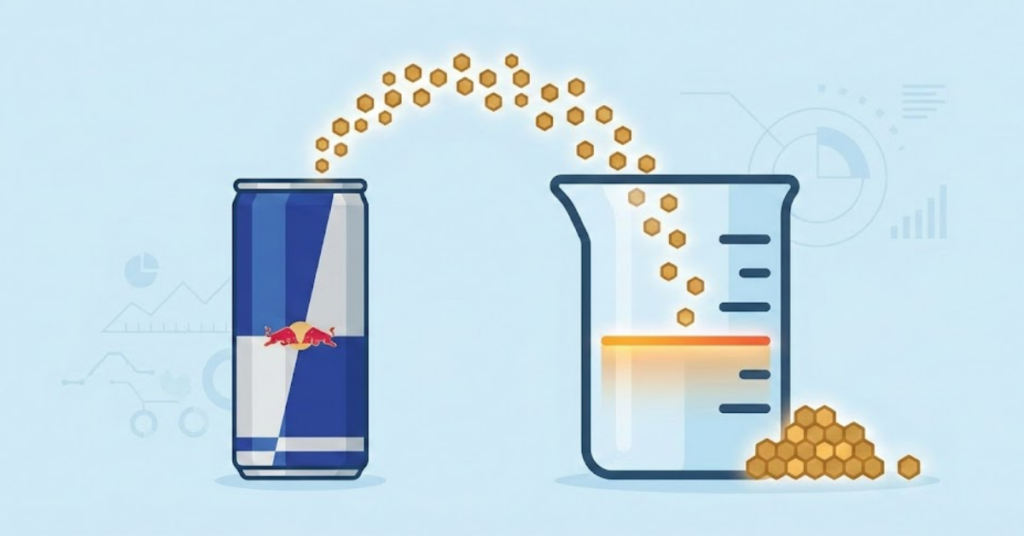
A standard 8.4-oz Red Bull contains 80 mg of caffeine; larger cans range from about 114–151 mg depending on size.
Red Bull lists the caffeine content right on the can, but sizes vary by market and flavor. If you want a quick, reliable number, the classic 8.4-ounce can carries 80 milligrams of caffeine. Bigger cans scale up. The sugarfree and Editions lines match the same caffeine per can size, so the main variable is volume. This guide lays out the milligrams by size, compares Red Bull with coffee and other drinks, and shows safe intake ranges so you can choose without guesswork.
Caffeine By Red Bull Can Size
Use this quick table to pick your can and see the caffeine in milligrams. Values reflect typical labeled amounts in the most common sizes.
| Can Size | Caffeine | Notes |
|---|---|---|
| 8.4 oz (250 ml) — Classic | 80 mg | Baseline can; also for Sugarfree and Editions of same size |
| 12 oz (355 ml) | 114 mg | Often sold in multipacks in some markets |
| 16 oz (473 ml) | 151 mg | Large “Energy Drink” format |
| 20 oz (591 ml) | 189 mg | Extra large; availability varies by region |
| 250 ml (EU standard) | 80 mg | Common size across many countries |
| 330 ml (EU tall can) | 105 mg | Select markets; same recipe per ml |
| 355 ml (12 oz) Sugarfree | 114 mg | Same caffeine as regular of equal size |
| 16 oz Editions (flavored) | 151 mg | Flavor changes; caffeine does not for same size |
| 8.4 oz Total Zero | 80 mg | Zero sugar and zero calories; same caffeine |
How Many Milligrams Of Caffeine Are In A Red Bull?
The number most shoppers want is for the small can. That answer is 80 milligrams in the standard 8.4-ounce Red Bull. If you reach for the 12-ounce can, you’re looking at about 114 milligrams, and the 16-ounce can lands near 151 milligrams. Sugarfree and the fruit-flavored Editions match the same caffeine level at each size, so flavor choice won’t change the milligrams.
Caffeine In Red Bull By Size: Milligrams Per Can
Red Bull uses the same caffeine concentration across its core lineups, so scaling by volume gives you a dependable estimate. If a label shows a per-100-ml value, you can do quick math: multiply by your can’s milliliters to get total milligrams. For the common 250-ml can, that still nets 80 milligrams. The math holds for 330 ml, 355 ml, 473 ml, and 591 ml cans.
Red Bull posts nutrition panels for each product on its product pages, and the U.S. FDA gives practical intake guidance for healthy adults. If you want the source details, see the Red Bull Energy Drink facts and the FDA’s consumer note “How Much Caffeine Is Too Much?”.
How Red Bull’s Caffeine Compares
Context helps you plan your day. A small Red Bull sits below most brewed coffee servings but above colas. A single espresso shot typically ranges near the 60–75 milligram mark, so an 8.4-ounce Red Bull feels similar to a modest shot and a half. The 16-ounce can creeps toward the caffeine of a medium coffee at many cafés.
Caffeine Comparison With Common Drinks
The figures below reflect typical ranges from product labels and standard references; brands and brew strength change the numbers.
| Drink | Typical Serving | Caffeine |
|---|---|---|
| Brewed Coffee (8 oz) | 8 fl oz | 95–120 mg |
| Espresso (1 shot) | 1 fl oz | 60–75 mg |
| Drip Coffee (12 oz) | 12 fl oz | 140–200 mg |
| Cola (12 oz) | 12 fl oz | 30–40 mg |
| Green Tea (8 oz) | 8 fl oz | 25–45 mg |
| Black Tea (8 oz) | 8 fl oz | 40–70 mg |
| Red Bull (8.4 oz) | 8.4 fl oz | 80 mg |
| Red Bull (16 oz) | 16 fl oz | 151 mg |
Safe Intake And Daily Limits
Most healthy adults can handle up to 400 milligrams of caffeine per day according to many health authorities. That’s roughly five of the small 8.4-ounce cans or two 16-ounce cans plus a small coffee, though stacking all of that at once won’t feel pleasant. Pregnant individuals, teens, and people sensitive to stimulants should set lower limits or seek medical advice. Watch for total daily intake from coffee, tea, pre-workouts, and soda since caffeine adds up quickly.
Sugar, Calories, And What Stays The Same
Flavor and sugar change taste and calories, not caffeine. Red Bull Sugarfree and Total Zero keep the same milligrams in the same size. If you prefer fewer calories, pick the zero-sugar versions without expecting a different caffeine hit. The Editions line (Tropical, Watermelon, and others) follows the same pattern: choose the flavor you like and pick your size for the caffeine you want.
When A Red Bull Kicks In
Caffeine starts acting within 15 to 45 minutes for most people. Peak effects arrive near the one-hour mark and taper over three to five hours as your body clears it. If you sip late in the day, sleep can take a hit; a simple fix is to set a personal caffeine cutoff time in the afternoon. Pair a can with water and a snack if you’re sensitive, since hydration and food can blunt edgy feelings.
Label Reading Tips For Accuracy
Cans list caffeine either per can or per 100 ml. If you only see a per-100-ml line, multiply by the can size. As an example, a 355-ml can at about 32 mg per 100 ml ends up near 114 mg for the full can. If you’re scanning a store shelf and asking “how many milligrams of caffeine are in a red bull?” in your head, match the exact can size and you’ll land on the right number.
Picking A Can For Workouts Or Study
Pre-workout targets often sit in the 150–200 milligram range for many people, which lines up with a 16-ounce can or a small coffee plus a small can. For focused study or long drives, the 8.4-ounce can offers a lighter lift that’s easier to stack with a later coffee if needed. Always test your own tolerance on low-stress days before relying on caffeine for something important.
Serving Temperature And Taste
Chilling a can softens the bite and tightens the sweetness. The caffeine dose stays the same warm or cold. If you pour over ice, you’ll dilute the flavor but you won’t change the milligrams in the liquid you drink unless you leave melted ice behind in the glass. For a lighter sweetness, pick Sugarfree or Total Zero in the same size.
Track Intake And Watch For Side Effects
If you feel jitters, a racing pulse, or stomach upset, ease back. Space out cans and swap one serving for water or a snack. Sleep quality, hydration, and stress all change how caffeine feels from day to day. A simple habit is to log your servings for a week, along with times and notes; you’ll see patterns that help you dial in a comfortable range.
Caffeine Sources That Add Up Fast
Energy drinks are only one slice of the picture. Coffee refills, strong tea, colas, chocolate, and pre-workout mixes can push totals higher than planned. Nutrition labels help, yet brew strength and café recipes vary a lot. A medium coffee can swing by more than fifty milligrams from one shop to another. Set a simple daily target, log a week, and see where your peaks sit. If sleep dips or you feel edgy, trim twenty to forty milligrams and reassess.
Swap one serving for decaf, herbal tea, or water when you’re near goal. Small swaps keep your routine familiar while bringing totals back into a comfortable lane.
Regional Can Sizes And Label Nuances
Outside the U.S., the most common can is 250 ml, which matches the 80 milligram figure. Some markets sell 330 ml tall cans and 500 ml bottles or cans. The concentration stays consistent, so you can trust the per-ml math. Labels may print caffeine as a range or “not more than” figure in certain countries. When in doubt, use the higher figure for planning.
Myths About Sugar And Caffeine
Sugar affects taste and energy feel, but it doesn’t change the caffeine in a given can size. If you want the same lift with fewer calories, Sugarfree and Total Zero are direct swaps. Another myth says flavored Editions are weaker; they are not. Pick flavor for taste, not for caffeine changes.
Practical Planning Scenarios
Morning commute: one 8.4-ounce can offers a clean start without overshooting your daily limit. Afternoon meeting: a 12-ounce can lands near 114 milligrams and pairs well with water so you stay sharp without feeling wired. Late-night study: consider a small can earlier in the evening and stop several hours before bedtime so sleep stays intact.
Quick Recap: The Numbers That Matter
For absolute clarity, here’s the line you came for one more time: how many milligrams of caffeine are in a red bull? The small 8.4-ounce can has 80 milligrams; bigger cans scale to about 114, 151, and 189 milligrams. Pick your size, add up your day, and you’ll stay within a range that feels steady and predictable.
Simple Rule Of Thumb
Think in easy steps: small can equals 80 milligrams, medium lands around 114, large hits about 151. Double-check the label, count other sources in your day, and sip water between servings. This tiny checklist keeps your target clear without math on the fly. Stay steady, enjoy the lift.