
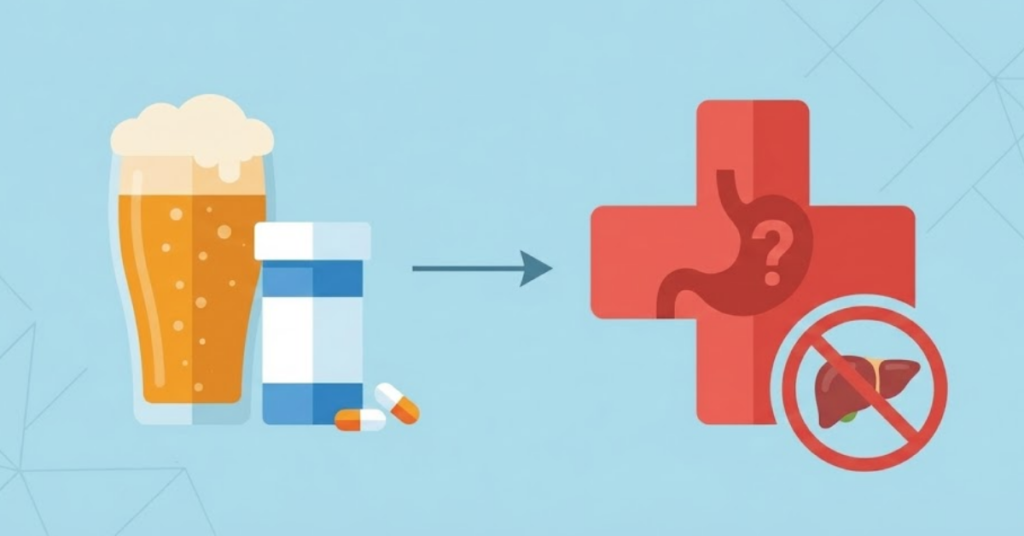
No, drinking beer on antibiotics is usually unsafe, since alcohol can worsen side effects and sometimes cause severe reactions with specific drugs.
You feel better, you miss the taste of beer, and the infection already seems under control. At that point, the question
“can i drink beer on antibiotics?” comes up fast. The trick is that the answer depends on which antibiotic you take,
how sick you are, and your overall health. Some combinations are flat-out dangerous. Others mainly slow down recovery and pile on extra side effects.
This guide walks through when beer and antibiotics clash, which drug types sit in the danger zone, and how to think through real-world choices.
It isn’t a substitute for directions from your own doctor or pharmacist, but it gives you a clear framework so you know what to ask and what to watch for.
Can I Drink Beer On Antibiotics? Safety Basics
For most people, the safest default is simple: skip beer for the full course of antibiotics and a short time afterwards.
That single habit avoids several problems at once. Beer adds alcohol at the exact moment your body tries to clear infection and process a medication that already taxes your liver and gut.
On top of that, a few antibiotics react with alcohol in a way that triggers flushing, pounding headache, nausea, vomiting, and rapid heart rate.
Metronidazole, tinidazole, and some combinations such as sulfamethoxazole-trimethoprim are well-known for this kind of reaction.
Linezolid has its own issue with certain fermented drinks, including some beer styles.
Even with antibiotics that do not have a famous alcohol reaction, beer can still leave you more dehydrated, disturb sleep, and make side effects such as stomach upset feel worse.
So the question “can i drink beer on antibiotics?” usually turns into “is this worth the extra risk and slower recovery?” For most people, the answer is no.
Common Antibiotic Types And Alcohol Concerns
The table below groups frequent antibiotic types and how beer fits in. This doesn’t replace the leaflet in your pill box or directions from your prescriber,
but it gives a quick sense of why alcohol warnings show up so often.
| Antibiotic Type | Typical Use | Beer + Alcohol Concern |
|---|---|---|
| Metronidazole / Tinidazole | Dental, gut, some vaginal infections | Can trigger severe flushing, nausea, vomiting, rapid heart rate; strict no-alcohol rule during treatment and short time after. |
| Sulfamethoxazole-Trimethoprim | UTIs, some skin and lung infections | May cause flushing and other reactions with alcohol; higher load on liver and kidneys. |
| Linezolid | Serious resistant infections | Interacts with some beers and red wine; can raise blood pressure in a dangerous way. |
| Tetracyclines (e.g., doxycycline) | Skin, chest, tick-borne infections | Long-term heavy drinking can blunt effect; beer also worsens stomach upset and reflux. |
| Macrolides (e.g., erythromycin) | Chest and sinus infections | Already linked with nausea; beer adds more gut upset and may change how the drug is absorbed. |
| Fluoroquinolones | Complicated UTIs, some lung infections | Both drug and alcohol strain tendons, nerves, and the central nervous system; extra sedation and dizziness possible. |
| Penicillins / Cephalosporins | Ear, throat, skin, lung infections | No classic alcohol reaction, but beer still weakens sleep, hydration, and overall recovery. |
Health resources such as
Mayo Clinic advice on antibiotics and alcohol
stress that certain antibiotics must not be mixed with any alcohol at all, while others still deserve caution because of side effects and slower healing.
Drinking Beer On Antibiotics Risks By Drug Type
Once you know the name of your antibiotic, you can map out the level of risk. The sections here group the main patterns people run into with beer and treatment courses.
Metronidazole, Tinidazole And Beer
Metronidazole and tinidazole sit in the strict “no beer, no alcohol” camp. These drugs can trigger a reaction that looks a lot like the effect of the medication disulfiram,
which is sometimes used in people with alcohol dependence. Even a small drink of beer can cause flushing, pounding headache, nausea, vomiting, and rapid heart rate.
Because of that risk, patients are told to avoid alcohol for the full course of treatment and for a few days after the last dose.
The same rule applies to hidden alcohol in mouthwash, cough syrup, or some tonics.
Product information and clinical guides repeat this warning because the reaction can feel severe and has led to serious outcomes in rare cases.
Sulfamethoxazole-Trimethoprim And Beer
The combination sulfamethoxazole-trimethoprim (often sold under names like Bactrim or Septra) also pairs badly with alcohol.
People who drink beer with this drug can feel flushed, nauseated, and dizzy, and the liver has more work to do while it is already handling both infection and medication.
Anyone with past liver disease, kidney problems, or a history of heavy drinking sits in a higher-risk group.
In that setting, even a “small” beer may tip the balance toward stronger side effects or abnormal lab results.
Linezolid And Fermented Drinks
Linezolid stands out for a different reason. It interacts with certain foods and drinks that contain tyramine, a compound that shows up in aged or fermented items.
Tap beer and some craft beers fall into that bucket. When tyramine and linezolid meet, blood pressure can spike.
That shift in blood pressure might lead to pounding headache, chest tightness, or other warning signs.
Anyone on linezolid usually receives a food and drink list that sets limits on specific beer styles, cured meats, and aged cheeses.
Other Common Antibiotics And Beer
Many widely used antibiotics, such as amoxicillin, cephalexin, or plain doxycycline, do not cause the classic “disulfiram-like” reaction with alcohol.
That leads some people to assume beer is completely fine with these drugs. The picture isn’t that simple.
Alcohol still dries you out, slows sleep cycles, and pushes the liver and immune system to work harder.
Side effects such as loose stool, stomach cramps, and fatigue tend to feel worse after beer.
Some data also suggest that long-term heavy drinking can blunt the effect of certain antibiotics over time.
Medical organizations such as
Cleveland Clinic guidance on alcohol with antibiotics
point out that even when a strict interaction is not present, alcohol still adds strain and may slow recovery from infection.
How Beer Interacts With Treatment And Recovery
Beyond named interactions, beer changes how your body handles infection and medicine in several basic ways.
None of these paths helps you get better faster.
Liver Load And Side Effects
Your liver handles both alcohol and many antibiotics. It processes the drug so it can leave your body and breaks down the alcohol from each drink.
When both arrive at once, the liver has to split its effort between clearing infection medication and handling the beer.
That shared burden can raise levels of the antibiotic or its by-products, which raises the chance of nausea, tiredness, or changes in lab tests.
In people who already have liver disease or regular heavy drinking, the margin for error shrinks even more.
Dehydration, Sleep, And Immune Response
Beer encourages fluid loss through urine and can leave you more dehydrated by the end of the evening.
Antibiotics often work best when you drink enough water and keep blood volume steady, so dehydration pulls in the wrong direction.
Alcohol also disrupts sleep architecture. Even if you nod off faster, the deeper stages of sleep get shorter.
That change matters because your immune system leans on quality sleep to coordinate white blood cells, inflammatory signals, and repair processes.
Poor sleep during an infection often shows up as lingering fatigue and slower symptom relief.
Gut Upset And Stomach Lining
Many antibiotics irritate the stomach lining or alter the balance of gut bacteria.
Beer adds bubbles, acid, and alcohol that also irritate that lining.
Mix them together and you get a higher chance of nausea, cramps, reflux, or loose stool.
Some people try to “wash down” an antibiotic tablet with beer at a social event.
That habit raises the risk of heartburn, choking, or poor absorption of the tablet itself.
Water remains the safest partner for your antibiotic dose.
Drinking Beer On Antibiotics When Your Doctor Says Yes
In real life, not every situation is black and white. Some people take an antibiotic that has no listed alcohol interaction,
feel almost back to normal, and ask their doctor whether a single light beer with food is acceptable.
At times, the answer may be yes, especially in someone with no liver disease, no heavy drinking history, and a short, simple course of medication.
If your own clinician gives that kind of green light, it still pays to treat beer as a small treat, not a regular part of the course.
That means slow sipping, plenty of water, and food in your stomach.
Any warning sign such as flushing, pounding headache, chest pressure, or sudden nausea is a cue to stop at once and seek medical help without delay.
Checks Before You Even Think About Beer
Before you act on any permission to drink, walk through a few quick checks:
- Read the leaflet in your medicine box from start to finish, paying special attention to cautions about alcohol.
- Confirm the drug name, dose, and length of course so you know exactly what you are taking.
- Think about liver disease, stomach ulcers, past pancreatitis, or heavy drinking history; any of these should push you toward skipping beer completely.
- Ask your doctor or pharmacist again if you feel unsure, especially if you take other medicines that also list alcohol warnings.
Many people also pair antibiotics with pain relievers such as paracetamol (acetaminophen) or ibuprofen.
Those drugs have their own alcohol cautions, so stacking beer on top of everything else can create a risky mix even if the antibiotic alone has no strict alcohol ban.
Simple Timing Rules People Commonly Use
Some clinicians share rough timing rules to keep patients safer. These examples only show the reasoning;
your own course may need a different plan based on dose, organ function, and other medicines.
| Situation | Safer Beer Choice | Why It Helps |
|---|---|---|
| On metronidazole or tinidazole | No beer during treatment and for several days after last dose | Reduces risk of flushing, vomiting, and rapid heart rate linked with alcohol. |
| On sulfamethoxazole-trimethoprim | Skip beer until course is finished and you feel well again | Limits extra load on liver and kidneys and lowers reaction risk. |
| On linezolid | Avoid tap beer and high-tyramine beers completely | Prevents sudden spikes in blood pressure tied to tyramine. |
| On other antibiotics, still symptomatic | Skip beer; focus on sleep, fluids, and food | Supports immune response and lowers chance of side effects. |
| On non-interacting antibiotic, feeling well, doctor says one drink is fine | Limit to one small beer with food and extra water | Keeps alcohol load low while drug course continues. |
| History of liver disease or regular heavy drinking | No beer at all during and shortly after antibiotic course | Protects organs that already face extra strain. |
| Pregnant, breastfeeding, or on multiple other medicines | Skip beer entirely unless your specialist gives clear approval | Reduces combined risk from several drugs plus alcohol. |
These patterns share one theme: if there is any doubt, beer waits until the infection is gone, the course is finished, and your own clinician says you are in the clear.
Can I Drink Beer On Antibiotics? Practical Takeaways
When you put all this together, beer and antibiotics rarely make a smart pair.
The risks range from miserable stomach upset to dangerous blood pressure swings or severe flushing reactions, and the potential payoff is only a brief drink.
- For drugs such as metronidazole, tinidazole, and some combinations, beer is off the table during treatment and for several days afterwards.
- For linezolid, certain beers can push blood pressure up; avoiding tap beer and high-tyramine styles is central to safety.
- Even where no strict interaction exists, beer slows recovery by drying you out, disturbing sleep, and sharpening common side effects.
- People with liver disease, heavy drinking history, pregnancy, or complex medication lists have even more to lose from mixing antibiotics and alcohol.
- If your own doctor allows a single beer on a non-interacting antibiotic, keep it rare, small, and paired with food and water, and stop at the first warning sign.
In short, saying “no” to beer for a week or two often brings a smoother course, fewer side effects, and a faster return to your normal routine.
When health and medication safety are on the line, patience beats a pint.