
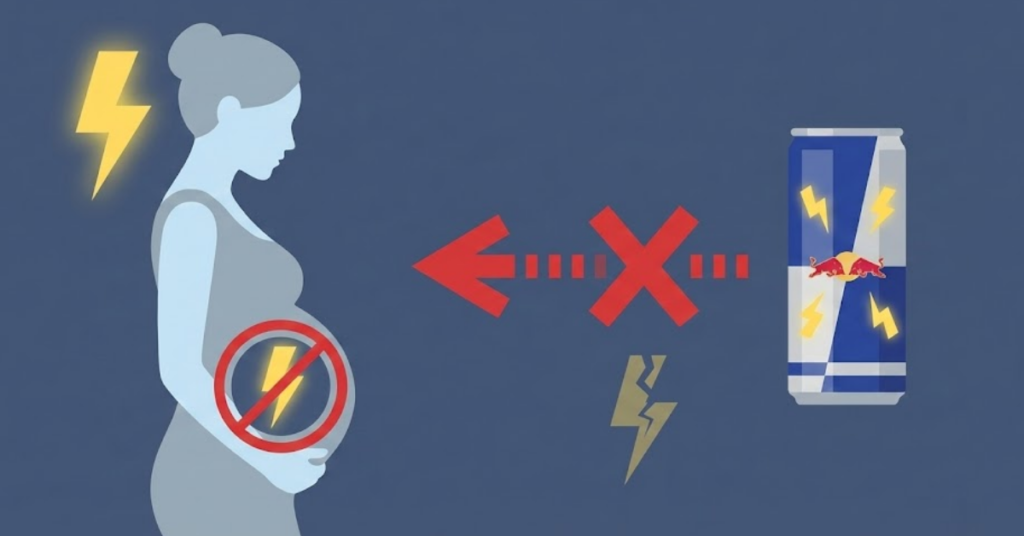
No, energy drinks are not recommended during pregnancy because they pack high caffeine, sugar, and stimulants that raise safety concerns.
That mid-afternoon slump hits, you are pregnant, and the fridge is stocked with cans that promise instant focus and energy. The label looks tempting, yet a small voice in your head asks the real question: can i drink energy drinks during pregnancy? This article walks through what is in those cans, how each ingredient fits with pregnancy safety advice, and practical ways to keep your energy steady without putting extra strain on you or your baby.
Why Energy Drinks And Pregnancy Do Not Mix Well
Energy drinks are more than flavored caffeine. Many brands combine a high dose of caffeine with sugar, sweeteners, herbal stimulants, and large amounts of certain vitamins. On their own, each of these ingredients may raise questions for pregnant people. Together, they create a drink that is hard to fit safely within pregnancy guidelines.
Health bodies such as the American College of Obstetricians and Gynecologists (ACOG) recommend keeping total caffeine below about 200 milligrams per day during pregnancy, roughly the caffeine in one 12-ounce cup of coffee.ACOG caffeine advice Many energy drinks contain close to that amount in a single can, even before counting coffee, tea, chocolate, or soda from the rest of your day.
Energy Drinks In Pregnancy — Ingredient Snapshot
To understand why the answer tilts strongly toward “best to skip them,” it helps to look at typical ingredients side by side. Exact values vary between brands, yet the pattern stays similar.
| Energy Drink Component | Typical Amount Per Can | Pregnancy Safety Notes |
|---|---|---|
| Caffeine | 80–300 mg | Can push daily intake above the 200 mg limit advised by ACOG; high doses link to raised heart rate and blood pressure. |
| Added Sugar | 25–50 g | Often matches or exceeds the daily added sugar limit many heart-health groups suggest for women. |
| Taurine | Up to 1,000 mg | Occurs naturally in food, yet research on large supplemental doses during pregnancy remains limited. |
| Guarana | Variable; extra caffeine source | Plant source of concentrated caffeine that can raise the total stimulant load beyond what the label lists. |
| Other Herbal Stimulants | Small proprietary blends | Ginseng, ginkgo, and similar ingredients often lack strong pregnancy safety data in high, combined doses. |
| B Vitamins | Up to several hundred percent of daily value | Most B vitamins are water-soluble, yet stacking high doses from drinks and prenatal supplements offers little extra benefit. |
| Artificial Sweeteners | In “sugar-free” versions | Some sweeteners are considered acceptable in moderation during pregnancy, though a heavy daily habit is still discouraged. |
Can I Drink Energy Drinks During Pregnancy? Risk Snapshot
Most major pregnancy organizations advise staying away from energy drinks altogether. The mix of high caffeine, added sugars, and concentrated stimulants leaves very little margin for error with daily limits. It also becomes hard to track exactly how much caffeine you have had once you combine one of these drinks with coffee, tea, or chocolate during the same day.
Caffeine Load And Pregnancy Limits
Caffeine crosses the placenta and your baby breaks it down far more slowly than you do. Research backing the 200 milligram daily cap suggests that moderate intake below that threshold does not appear to raise the risk of miscarriage or preterm birth, while higher intake may relate to lower birth weight and other concerns.
A standard 8-ounce energy drink may hold a similar caffeine dose to a small coffee. Larger cans, concentrated “energy shots,” or brands with added guarana can easily double or triple that amount. One busy day with two cans and a coffee can send caffeine intake far past the level encouraged during pregnancy.
Added Sugar, Blood Sugar Swings, And Weight Gain
Many energy drinks contain sugar amounts that match or exceed soda. A single large can can deliver 40 grams of sugar or more. The American Heart Association encourages women to keep added sugar to about six teaspoons, or 25 grams, per day, and lists energy drinks among common sources of added sugar.AHA added sugar advice
During pregnancy, very high intake of simple sugar links to excessive weight gain, higher risk of gestational diabetes, and later health issues for the child. Liquid sugar also tends to pass through the stomach quickly, which can trigger spikes and crashes in blood glucose. When those highs and lows arrive on top of pregnancy fatigue, cravings for more sweet drinks usually follow.
Other Stimulants And Unknown Combinations
Energy drink labels often list taurine, guarana, or blends of herbs and amino acids. Some of these ingredients have been studied in isolation, yet less is known about their combined effects at the doses used in commercial drinks, especially during pregnancy.
Animal experiments and cell studies suggest that very high intake of certain energy drink ingredients may affect brain and organ development. Human data are still limited, yet that uncertainty alone leads many obstetric teams to recommend steering clear of these products rather than testing where the line sits.
Energy Drinks During Pregnancy — Better Questions To Ask
Instead of trying to stick an energy drink into your caffeine budget, a better starting point is to look at your overall pattern. What is driving your fatigue, how much caffeine are you already drinking, and where could small changes give you steadier energy?
Check Your Total Daily Caffeine Intake
Start by adding up caffeine from all sources on a typical day. Coffee, tea, cola, chocolate, and some headache medications all contribute. Many people underestimate their intake because serving sizes have grown over time and because extra caffeine from guarana or “proprietary blends” may not appear clearly on labels.
If your usual pattern already sits near 200 milligrams, there is no spare room for an energy drink. Even if you normally stay under that cap, pregnancy experts still tend to discourage using energy drinks as your main caffeine source because they add sugar and extra stimulants without much nutrition.
Look At Sleep, Hydration, And Meals
Fatigue in pregnancy rarely comes from one cause. Short sleep, nausea, low-fiber meals, and dehydration all play a part. Before turning to a canned stimulant, it can be more helpful to check whether you are drinking enough water, getting small regular snacks with protein and complex carbohydrates, and carving out pockets of rest where possible. Small habits can have a steady energy payoff.
Simple steps such as keeping a water bottle nearby, pairing fruit with nuts, and taking brief movement breaks can smooth energy dips. These habits may not feel as dramatic as the jolt from an energy drink, yet they promote steadier energy over the course of the day.
Safer Ways To Boost Energy During Pregnancy
Skipping energy drinks does not mean you must accept dragging through every day. There are many gentler ways to raise alertness and stay productive while still staying within pregnancy guidelines.
| Energy Strategy | How It Helps | What To Watch |
|---|---|---|
| Small, Frequent Meals | Steady intake of protein, fiber, and healthy fats smooths blood sugar and cuts sudden crashes. | Aim for whole foods more often than packaged snacks. |
| Hydration With Water Or Electrolyte Drinks | Correcting mild dehydration can ease headaches and sluggishness. | Choose low-sugar options and check sodium content if you have blood pressure concerns. |
| Light Movement Breaks | Short walks or gentle stretches boost circulation and wakefulness. | Stop if you feel dizzy, short of breath, or notice pain. |
| Short Daytime Naps | Brief rest periods can restore alertness better than extra caffeine for many people. | Set an alarm for 20–30 minutes to avoid grogginess. |
| Moderate Coffee Or Tea | One small cup of coffee or a couple of cups of tea can fit within the 200 mg caffeine cap for many people. | Count all sources of caffeine across the day to stay under the limit. |
| Iron-Rich Foods | Red meat, beans, lentils, and fortified cereals help prevent low iron, which often worsens fatigue. | Pair plant sources with vitamin C-rich foods to aid absorption when your clinician advises higher intake. |
| Sleep Routine Tweaks | Regular bed and wake times, screens off before bed, and a dark room can improve sleep quality. | Bring any loud snoring, pauses in breathing, or severe insomnia to your maternity team. |
When To Talk To Your Doctor About Energy Drinks
If you had a heavy energy drink habit before pregnancy or you already live with high blood pressure, heart rhythm issues, or gestational diabetes, it is worth mentioning past use to your prenatal care team. They can review any symptoms, medications, and lab values that might change how cautious you need to be around caffeine and sugar.
Bring a photo of the labels for the drinks you have used, along with an honest estimate of how often you drank them. That level of detail helps clinicians spot any ingredient combinations that clash with your current treatment plan, and helps them suggest replacements that match your routine.
Final Take On Energy Drinks During Pregnancy
So, can i drink energy drinks during pregnancy? The safest stance based on current guidance is to avoid them and focus on caffeine from simpler sources, such as plain coffee or tea within the 200 milligram daily cap, if your clinician agrees that this works for you. Energy drinks add concentrated caffeine, sugar, and stimulants that do not line up well with pregnancy safety advice.
By paying attention to total caffeine, trimming sugary drinks, and building a few simple energy habits into your day, you can stay more alert without relying on cans that were never designed with pregnancy in mind. That choice keeps your total caffeine and sugar clearer.