
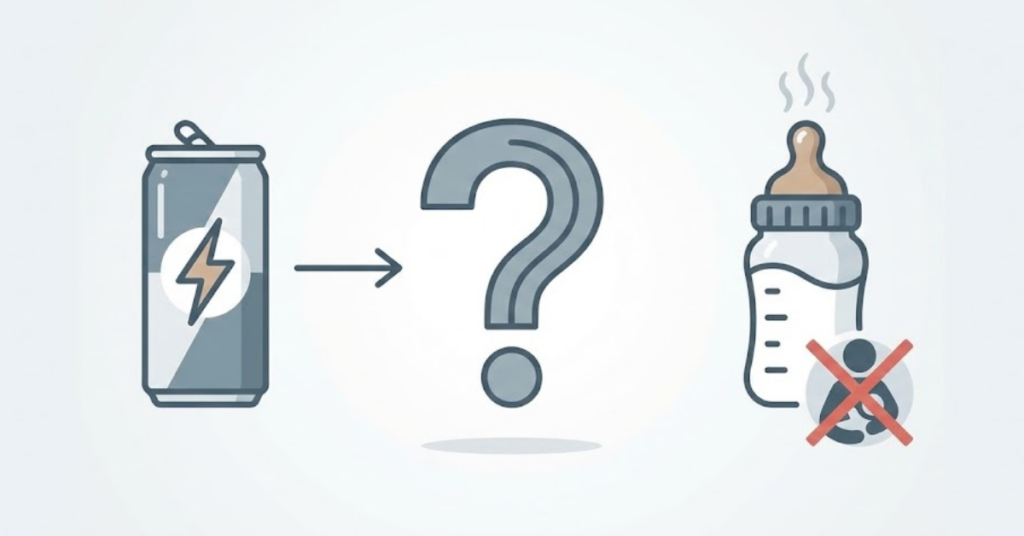
Yes, most breastfeeding parents can drink energy drinks in small, caffeine-aware amounts, but high-caffeine or herbal formulas are best limited.
Newborn life is tiring, and an ice-cold can with a caffeine kick can sound tempting. You still want steady energy and calm feeds, yet you also want to keep your baby safe. That tension sits behind the question.
Can I Drink Energy Drinks While Breastfeeding? Big Picture
When people ask can i drink energy drinks while breastfeeding?, they are usually asking about two things at once: how much caffeine is okay, and whether the extra ingredients in these cans change the story.
Guidelines from groups such as public health agencies and breastfeeding organisations often land on a daily caffeine range near 200 to 300 milligrams for most nursing parents, though the exact figure can vary slightly between countries and expert panels.
Energy drinks make this trickier because caffeine levels swing widely between brands, and many products add other stimulants, sugars, and herbal blends. Some regulators even ask manufacturers to mark energy drinks as unsuitable for pregnant and breastfeeding women when caffeine levels are high. Taken together, that means an energy drink is not off limits for every breastfeeding parent, yet these drinks deserve more planning than a regular cup of tea.
Energy Drinks While Breastfeeding Safety Rules
Instead of a blanket yes or no, it helps to set simple safety checks. Think about three areas: total caffeine across your whole day, your baby’s age and sensitivity, and what else hides in the can besides caffeine.
Before you reach for a can, scan the label for caffeine content per serving, number of servings in the container, and any bolded warnings. Many popular brands cluster around 80 milligrams in a small can and 150 to 200 milligrams in a tall can. A single large energy drink can sometimes use up most of a full day’s sensible caffeine allowance once you add coffee, tea, or chocolate on top.
Caffeine In Energy Drinks Versus Other Drinks
Caffeine is the main reason energy drinks feel powerful. It also passes into breast milk, peaking about an hour after you drink it. Only a small fraction reaches milk, yet babies clear caffeine more slowly than adults, especially newborns and preterm infants.
| Beverage Type | Typical Serving Size | Approximate Caffeine (mg) |
|---|---|---|
| Brewed Coffee | 8 oz mug | 95–165 |
| Black Tea | 8 oz mug | 25–48 |
| Cola Soft Drink | 12 oz can | 30–40 |
| Standard Energy Drink | 8 oz can | 70–80 |
| Large Energy Drink | 16 oz can | 140–160 |
| Energy Shot | 2 oz shot | 100–200 |
| Dark Chocolate Bar | 1.5 oz bar | 20–40 |
Tables like this show why tracking caffeine matters. One large can can nearly match two small coffees. If you stack that with a morning latte, an afternoon tea, and chocolate in the evening, daily intake may climb more than you expect.
How Caffeine From Energy Drinks Reaches Your Milk
Caffeine moves from your bloodstream into your milk through simple diffusion. Levels in milk climb and fall in step with levels in your blood. In most adults, half of a caffeine dose clears from the body over three to seven hours, while young babies take longer, so caffeine can build up more easily.
Only a tiny share of what you drink reaches milk, yet a tiny baby has a small body and an immature liver, so long stretches of heavy caffeine use still deserve care.
Other Energy Drink Ingredients During Breastfeeding
Energy drinks are more than caffeine in a can. Many products mix sugar, artificial sweeteners, amino acids, herbal extracts, and sizable doses of B vitamins. Each group brings its own questions for breastfeeding.
Sugar And Sweeteners
Sweetened energy drinks can contain as much sugar as regular soda, and sometimes more. Sugar does not pass into milk in the same way caffeine does, yet these drinks can nudge blood sugar and energy swings for you. Sugar free options often rely on artificial sweeteners that appear in milk at low levels in typical portions. If you choose these drinks, staying in the “occasional treat” range is a cautious approach.
Other Stimulants And Herbal Blends
Some energy drinks add plant extracts such as guarana, yerba mate, ginseng, or yohimbe. Others include taurine or carnitine. For many of these substances, especially herbs, data in breastfeeding parents and infants is thin. Guarana and yerba mate both contain caffeine, so they add to the total even if the label lists them separately. When ingredients look unfamiliar, it is safer to skip that product or pick a brand with a shorter, clearer list.
Reading Labels And Counting Caffeine Safely
Energy drink cans vary a lot, so the safest habit is to read each label rather than assume. Look for three lines every time: total caffeine per serving, servings per container, and any advice line for pregnancy or breastfeeding.
Many nutrition labels now list caffeine in milligrams. If your can states 160 milligrams in one serving, and you drink the entire container, you can treat that as just over half of a 300 milligram daily target. Add in your regular coffee, tea, soda, and chocolate to estimate your full day.
Public health bodies such as the CDC guidance on caffeine while breastfeeding treat low to moderate intake as compatible with nursing. Some nutrition groups prefer a slightly lower cap near 200 milligrams per day. Where different ranges exist, a middle path near the lower end leaves more room for label surprises.
A review from the InfantRisk Center review of caffeine and energy drinks notes that mothers who use these products should pay close attention to serving sizes, total caffeine, and infant behavior. That kind of tracking matters more when your baby is a newborn, was born early, or has known medical needs.
Spotting Signs That Your Baby May React To Caffeine
Because of that variation, watching your own baby often tells you more than any single number on a chart.
Possible signs of caffeine sensitivity in a breastfed baby include trouble falling asleep, shorter naps, tense posture, more crying than usual, or a quick startle response. These signs can come from many causes, not only caffeine, yet a pattern that tracks with your caffeine habits gives a useful clue.
If you notice a link, a simple test is to cut out energy drinks and trim other caffeine sources for a week or two while keeping a small diary. If sleep and mood settle, you have helpful feedback that can guide later choices.
Balancing Energy Needs With Safer Choices
Fatigue during early parenthood is real, and energy drinks promise a quick fix. Still, there are other ways to lift energy that carry less caffeine and fewer additives.
Switching To Lower Caffeine Sources
If can i drink energy drinks while breastfeeding? runs through your mind every afternoon, one option is to swap some cans for lower caffeine drinks. Regular coffee, tea, and even half-caf blends let you spread caffeine through the day without the rapid spike that follows an energy shot. Another tactic is to shrink serving sizes so a small, steady dose in the morning and early afternoon replaces a huge dose from a tall can late in the day.
Non Caffeine Energy Helpers
Caffeine is only part of the energy picture. Hydration, steady meals, and short movement breaks all matter. A large glass of water, a snack with protein and complex carbs, and five minutes of light movement or stretching can lift alertness more gently than a double-strength energy drink. Short daytime naps also help, even if they last only ten to twenty minutes.
Practical Rules For Using Energy Drinks While Breastfeeding
For many parents, life will still include the occasional can. Clear rules keep that choice safer for both you and your baby.
| Decision Point | Safer Choice | Notes |
|---|---|---|
| Daily Caffeine Limit | Stay near 200–300 mg | Count all drinks and sources |
| Baby’s Age | Be extra careful under 6 months | Younger babies clear caffeine slowly |
| Product Type | Pick brands without herbs | Avoid unfamiliar plant extracts |
| Timing | Drink just after a feed | Levels in milk peak about 1 hour later |
| Frequency | Use cans as an occasional choice | Rely on sleep, food, and water first |
| Warnings On Label | Respect any breastfeeding warnings | If a label says avoid, pick another drink |
| Baby’s Reaction | Watch sleep and mood | Cut back if your baby seems tense or restless |
When To Talk With A Health Professional
If you have a medical condition such as heart rhythm problems, high blood pressure, anxiety disorders, or thyroid disease, the stimulant load from energy drinks can be harder on your body. In that setting, caffeine caps may be lower than general ranges.
If you ever notice strong palpitations, chest pain, or sudden severe anxiety after an energy drink, seek urgent care and mention exactly what you drank and when. Those events are rare, yet they deserve prompt attention.
So, Can You Keep Your Energy Drink?
Energy drinks and breastfeeding can fit together in a careful way, yet they are not the first line answer for tired parents. A modest caffeine cap, close attention to labels, and an eye on your baby’s sleep and mood can all protect your feeding rhythm.
In short, an occasional can that keeps your total daily caffeine near the 200 to 300 milligram range is likely to sit well for many healthy parent and baby pairs. Large, frequent cans, high caffeine shots, and drinks loaded with herbal stimulants are better left on the shelf while you ride out the nursing months. That way you still get a lift while keeping feeds on track and your baby more settled.