
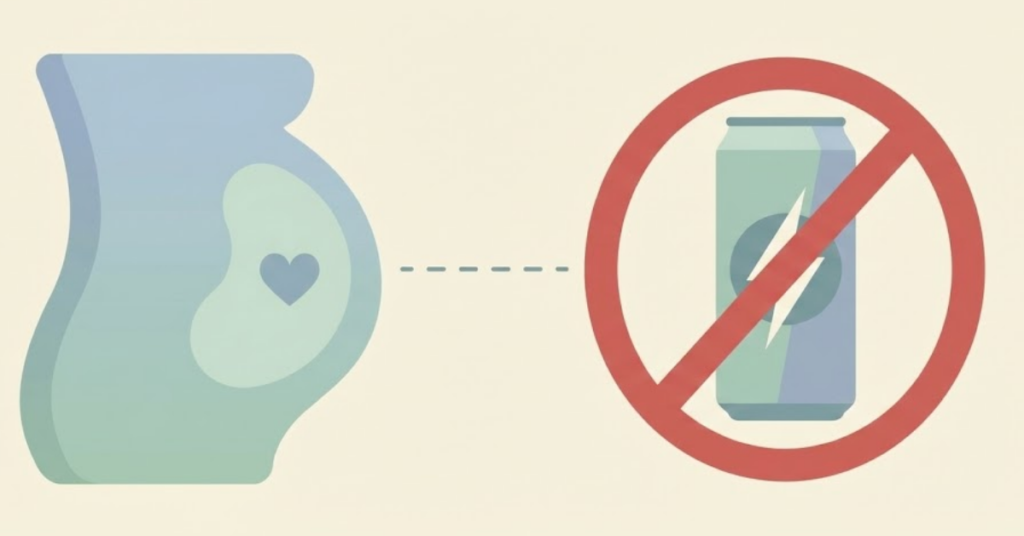
No, regularly drinking energy drinks while pregnant is not advised because of high caffeine, stimulants, and uncertain safety for the baby.
Energy drinks sit in a grey zone for many parents-to-be. You might rely on them for long shifts, early classes, or parenting older kids, then suddenly wonder whether that same can belongs anywhere near pregnancy. Late at night, a lot of people type “can i drink energy drinks while pregnant?” into a search bar and find conflicting answers.
This article pulls together what major medical groups say about caffeine, why energy drinks raise extra concern, and better ways to handle pregnancy fatigue without leaning on a can that was never designed with pregnancy in mind.
Can I Drink Energy Drinks While Pregnant?
Short answer: most maternity and obstetric teams encourage people to skip energy drinks during pregnancy, not only limit them. That is a stronger stance than for coffee or tea, even though all three contain caffeine.
Many guidelines suggest keeping total caffeine from all sources under about 200 milligrams per day while pregnant. That amount roughly matches one small coffeehouse drink or two smaller cups of home-brewed coffee. A single energy drink can land close to that number, or well above it, in one serving. Some cans also include herbal stimulants and extra caffeine sources that do not always show up clearly at first glance.
On top of that, a number of health services in the United Kingdom and elsewhere now say that pregnant people should avoid energy drinks altogether, partly because caffeine content varies so widely and partly because there is limited safety research on the extra ingredients in this group of products.
So when someone asks “can i drink energy drinks while pregnant?”, the safest general advice is to treat energy drinks differently from a small coffee or tea. Coffee and tea can sometimes fit within a daily caffeine cap set by your own clinician, while energy drinks are better viewed as drinks to park until after birth and breastfeeding, unless your clinician gives a very specific, personalised green light.
Caffeine Limits During Pregnancy
Major organisations that write pregnancy guidance tend to land on a similar caffeine ceiling. They point toward total daily caffeine under about 200 milligrams. That ceiling includes coffee, tea, cola, energy drinks, chocolate, and even some over-the-counter medicines that contain caffeine.
To see how easily a single drink can push you toward that level, it helps to compare common caffeine sources side by side.
Typical Caffeine In Common Drinks
The numbers below are rounded and can vary by brand, brewing style, and serving size, but they give a rough sense of how fast caffeine adds up during pregnancy.
| Drink | Typical Serving | Approximate Caffeine (mg) |
|---|---|---|
| Filter Coffee | 1 mug (about 200–250 ml) | 120–140 mg |
| Instant Coffee | 1 mug | 60–90 mg |
| Black Tea | 1 mug | 60–75 mg |
| Cola Drink | 330 ml can | 30–45 mg |
| Standard Energy Drink | 250 ml can | 70–80 mg |
| Large Energy Drink | 473–500 ml can | 150–300 mg |
| Chocolate Drink Or Bar | Medium serving | 10–50 mg |
Many people picture energy drinks as similar to a cola in strength, yet large cans can match or outpace a strong coffee. That mismatch between expectation and reality is one reason pregnancy guidance treats these drinks with extra caution.
How Caffeine From Energy Drinks Reaches The Baby
Caffeine passes easily from a pregnant person’s bloodstream through the placenta to the baby. The developing liver processes caffeine far more slowly than an adult liver, so the compound stays in the baby’s system for longer. Higher daily caffeine intake during pregnancy has been linked in research to a raised risk of low birth weight, pregnancy loss, and stillbirth, especially once intake moves well above the 200 milligram range.
Energy drinks raise concern because they let you reach that intake level quickly and because some cans deliver much higher doses than a standard coffee. When you also count chocolate, tea, or cola from the same day, total caffeine can climb fast.
Drinking Energy Drinks While Pregnant Risks And Safer Choices
When you weigh up energy drinks in pregnancy, you are not only thinking about caffeine. Sugar, sweeteners, herbal extracts, and high-dose vitamins can all contribute to side effects for you or the baby.
Caffeine Spikes And Heart Effects
Many energy drinks pack 100–300 milligrams of caffeine in a single serving. That level can cause a rapid rise in heart rate and blood pressure, especially in people who do not use caffeine regularly. During pregnancy, your heart is already working harder, and blood volume has climbed. Adding a sharp caffeine spike on top of that can trigger palpitations, chest fluttering, or light-headed spells.
For someone with high blood pressure, heart rhythm problems, or risk factors for heart disease, those extra jolts carry even more weight. Because pregnancy itself can unmask heart issues, most clinicians would rather see you use a steady, modest caffeine source than a drink that can double or triple your daily intake in minutes.
Sleep, Anxiety, And Pregnant Bodies
Sleep often gets fragile during pregnancy due to hormonal shifts, physical discomfort, and late-night bathroom visits. Energy drinks usually land late in the day when fatigue peaks, so caffeine lingers right when your body needs wind-down time. Restless sleep or insomnia then feeds back into daytime exhaustion, which can tempt you toward more caffeine, creating a loop that is hard to break.
Energy drinks can also intensify jitteriness, racing thoughts, or a shaky feeling. Someone who already feels on edge about pregnancy may find that these drinks make those sensations worse.
Blood Sugar Swings And Weight Gain
Regular energy drinks often carry a large sugar load, sometimes equal to or above common soft drinks. A single can can reach or surpass the daily sugar amount many nutrition teams advise for adults. Sharp sugar spikes followed by drops can leave you feeling even more drained and hungry.
During pregnancy, the body is more prone to insulin resistance. Extra sugar from energy drinks can push blood glucose higher, especially for people who already live with higher weight, polycystic ovary syndrome, or a family history of diabetes. That pattern makes gestational diabetes screening and management harder.
“Sugar-Free” Energy Drinks And Artificial Sweeteners
Sugar-free versions avoid the heavy sugar load, but they still keep the high caffeine content and extra stimulants. On top of that, many contain artificial sweeteners. Some sweeteners appear in pregnancy guidelines as acceptable in small amounts, while research still looks at longer-term effects for others. Because an energy drink is not bringing any protein, fibre, or real hydration to the table, most experts still suggest you reach for other drinks first, even if the can says “zero sugar”.
How Much Caffeine Is Hiding In Energy Drinks?
Packaging can make energy drinks look similar even when caffeine levels differ a lot. Some brands label caffeine per serving, then list more than one serving per can. Others add guarana or other plant sources that contain caffeine, which can raise the total above the headline number.
Broadly, small cans in the 8–9 ounce range often hold around 70–80 milligrams of caffeine. Tall cans in the 16–17 ounce range can carry 150 milligrams or much more. Some specialty drinks push toward the upper end of that span. When guidelines suggest total daily caffeine under 200 milligrams for pregnancy, one tall energy drink can already take you to or past that level before coffee, tea, or chocolate enter the picture.
Comparing Energy Drinks To Coffee And Tea
A home-brewed mug of coffee usually lands in the 60–140 milligram range depending on the type of bean and brewing time. A mug of black tea tends to sit between 40 and 80 milligrams. That means a modest coffee or tea can be fitted into a balanced day with some care and label reading.
A large energy drink, on the other hand, can match or beat a strong coffee. That is why some pregnancy services mention coffee and tea in moderation but single out energy drinks as products to avoid until after pregnancy.
Extra Ingredients In Energy Drinks During Pregnancy
Energy drinks rarely stop at caffeine and sugar. Ingredient lists often include taurine, guarana, ginseng, high-dose B vitamins, and a mix of plant extracts. For a non-pregnant adult, those blends still raise questions, but safety studies exist. For pregnancy, research on many of these combinations is limited.
Taurine, Guarana, And Herbal Stimulants
Taurine is an amino acid added to many energy drinks, and guarana is a plant source of caffeine. Ginseng and other herbs sometimes appear as well. Human pregnancy data for these ingredients at energy drink levels is sparse. Animal studies and case reports raise enough concern that many clinicians prefer to keep them out of a pregnant person’s routine unless a clear medical reason exists and a specialist is supervising.
Because labels often group these ingredients under a “proprietary blend”, you might not know the exact dose of each one. That uncertainty adds to the argument for keeping energy drinks off the menu in pregnancy.
High-Dose B Vitamins
Some energy drinks advertise large amounts of B vitamins, including niacin (vitamin B3) and vitamin B6. While your body needs B vitamins, they are already present in most prenatal supplements and a balanced diet. Extra high doses from drinks do not necessarily add benefit and in rare cases may bring side effects such as flushing, tingling, or liver strain. It makes far more sense to rely on a prenatal vitamin chosen with your clinician and a varied diet than to chase “energy” from vitamin-boosted cans.
Better Ways To Handle Pregnancy Fatigue
Fatigue in pregnancy is real and can feel overwhelming, especially in the first and third trimesters. Cutting out energy drinks does not mean you have to power through on willpower alone. A few simple shifts can ease the drag without putting extra pressure on your heart or your baby.
Fine-Tuning Caffeine From Safer Sources
Many clinicians are comfortable with a small amount of caffeine from coffee or tea as long as total daily intake stays under about 200 milligrams and you do not have extra risk factors. One small coffee or two small teas spread across the day may be enough to smooth the hardest hours.
When you want caffeine, brew at home or pick a shop drink with clear labelling. Skip extra espresso shots, “energy” syrups, or canned energy blends. That way you can tally caffeine from coffee, tea, cola, and chocolate and stay under the limit your own obstetric or midwifery team recommends.
Hydration, Snacks, And Movement
Mild dehydration and long gaps between meals can deepen fatigue. Plain water, sparkling water with a slice of citrus, or milk all bring more to the table than an energy drink. Small, frequent snacks that mix protein, fibre, and slow-release carbohydrates can smooth your energy line across the day.
Gentle movement such as short walks, light stretching, or a brief prenatal exercise video can spark a natural lift without stressing your body. Even a five-minute walk in a hallway or around the block can wake muscles and mind enough to get through the next task.
Sleep Routines That Work With Pregnancy
Good sleep in pregnancy can feel rare, yet small habits help. Try keeping a steady bedtime, dimming screens early in the evening, and using pillows to support your bump and hips. If heartburn or restless legs keep you up, talk with your clinician about options. Better sleep reduces the pull toward energy drinks during the day.
Pregnancy-Friendly Drink Swaps For An Energy Lift
When you miss the ritual of cracking a can or sipping something with flavour, a few simple swaps can fill that gap without the same caffeine surge. The table below lists options many clinicians see as more pregnancy-friendly, assuming you do not have specific medical restrictions.
| Drink Or Strategy | When It Helps | Caffeine Level |
|---|---|---|
| Small Home-Brewed Coffee | Morning lift within daily caffeine cap | Moderate |
| Black Or Green Tea | Gentler caffeine spread through the day | Lower than coffee |
| Decaf Coffee Or Tea | When you want the taste without caffeine | Trace amounts |
| Herbal Tea Checked For Pregnancy Safety | Evening ritual without stimulation | None |
| Milk Or Fortified Plant Drink | Snack time with protein and calcium | None |
| Water With Fruit Or Herbs | Hydration with flavour, any time of day | None |
| Snack Plus Water Break | Mid-afternoon slump at work or home | None |
Always check herbal teas and flavoured drinks with your clinician or midwife if you are unsure about a specific ingredient. “Natural” on a label does not automatically mean safe for pregnancy.
Smart Steps If You Already Drank Energy Drinks While Pregnant
If you had energy drinks early in pregnancy before you realised you were pregnant, or before you saw any guidance about them, try not to panic. Many people share that story at prenatal visits. One drink, or a short period of use, does not automatically mean your baby will have a problem.
The most helpful next step is to stop or cut back now and talk openly with your clinician about what you drank, how often, and during which weeks. Bring photos of the cans or a list of brands and serving sizes if you can. That information lets your clinician place your intake in context and decide whether any extra monitoring makes sense.
How To Cut Back Without Withdrawal Headaches
If you have been drinking energy drinks daily, stopping overnight can trigger caffeine withdrawal headaches, irritability, or low mood. A gradual taper often works better. You might swap one energy drink for a small coffee for a few days, then switch that coffee to tea, then finally move to decaf or water.
Pair each step with a new habit that makes you feel a little more awake: a short walk, a stretch break, a call with a friend, or a snack with protein. That way, caffeine slides down while your overall routine still gives you moments that feel energising and pleasant.
Main Takeaways About Energy Drinks And Pregnancy
Energy drinks are built for a quick jolt, not for pregnancy. They bundle high caffeine with sugar, sweeteners, and other stimulants in amounts and combinations that have not been studied well in pregnant people.
Most modern pregnancy guidance points toward keeping total caffeine under about 200 milligrams per day and avoiding energy drinks altogether. Coffee and tea in modest amounts can sometimes fit inside that limit, while energy drinks make it too easy to overshoot.
If you feel drained and tempted by a can, treat that feeling as a signal, not a failure. Look at your sleep, hydration, meals, workload, and support network, and bring those questions to your next prenatal appointment. With your clinician’s help, you can build a plan that honours your fatigue and protects your baby without leaning on drinks that were never designed for this stage of life.