
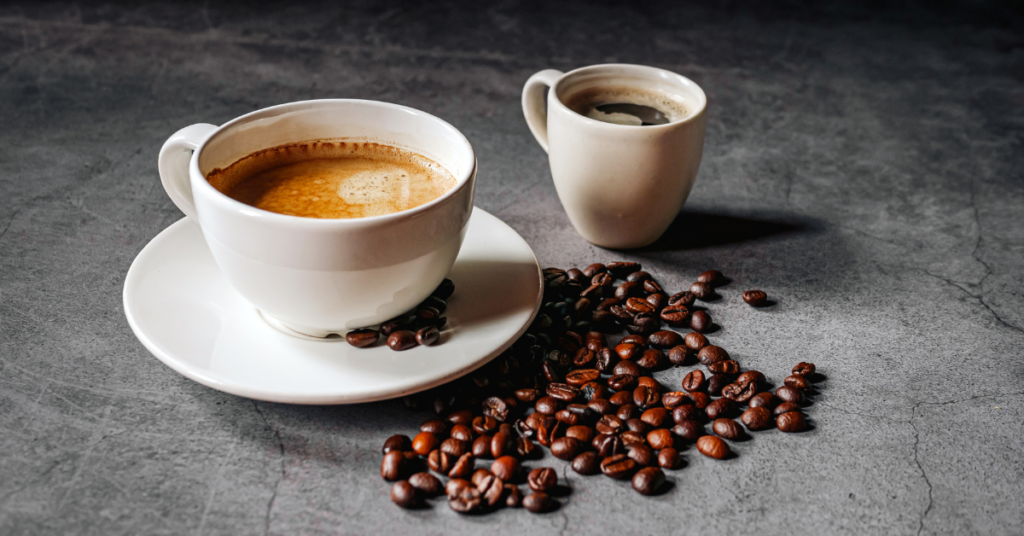
One kilogram of coffee beans usually yields around 45 to 140 espresso shots, depending on dose size, waste, and how you dial in your machine.
Why Shot Counts From 1 Kg Of Beans Vary So Much
On paper, 1 kg of beans seems simple, yet dose size, waste, grinder retention, and drink style turn that weight into a wide range of shot counts. Two people can buy the same bag and end up with very different numbers of drinks.
The usual question sounds simple too: how many espresso shots in 1 kg of beans? A helpful answer needs a clear range, realistic home and cafe scenarios, and a way for you to see where your routine sits along that range.
How Many Espresso Shots In 1 Kg Of Beans? Dose Ranges That Change The Count
Most modern cafes use doses between 16 g and 20 g for a double shot. Home setups often land in the same band, sometimes slightly lower or higher. With those doses, 1 kg of beans gives roughly 50 to 60 double shots, or 100 to 120 single shots, before any waste enters the picture.
| Dose Per Shot (g) | Approx Shots From 1 Kg | Typical Use |
|---|---|---|
| 7 g | ≈ 140 shots | Traditional single Italian espresso |
| 9 g | ≈ 110 shots | Heavier single shot, small baskets |
| 16 g | ≈ 62 shots | Lighter double shot baskets |
| 18 g | ≈ 55 shots | Common double shot dose in many cafes |
| 20 g | ≈ 50 shots | Strong doubles and milk drinks |
| 21 g | ≈ 47 shots | Triple baskets and extra strong shots |
| 22 g | ≈ 45 shots | High dose recipes and specialty bars |
Those numbers assume every gram reaches the portafilter and every basket is filled exactly to the chosen dose. Real life never runs that clean. A few grams vanish while you dial in. Some grounds stay in the grinder chute. You may toss early shots that gush or choke before you settle on the right settings.
Espresso Shots Per Kilo Of Beans For Common Home Setups
Many home baristas with 58 mm baskets end up between 17 g and 19 g for a double shot. If you choose an 18 g dose, which lines up with common training advice for modern espresso baskets, 1 kg of beans gives around 55 double shots in theory.
Barista training material and coffee research linked to the Specialty Coffee Association describe double shot doses around 18 g to 20 g in many cafes, with brew ratios near 1:2 by weight. That pattern matches the middle of the range in the table above and suits most home machines as well.
If you drink one double espresso each day at an 18 g dose, a kilo bag lasts just under two months in perfect conditions. If you and a partner both drink a morning double, that same 1 kg disappears in about four weeks. Milk drinks based on double shots, such as lattes and flat whites, follow the same math, since the espresso dose usually stays fixed.
Breaking Down The Math Behind Your Shot Count
From Grams To Shots
The core formula behind how many espresso shots in 1 kg of beans stays simple: divide 1000 g by your dose in grams. With an 18 g double, 1000 ÷ 18 gives about 55 doubles. With a 7 g single, 1000 ÷ 7 gives around 142 singles. Dose size shapes the total shot count more than any other single factor.
That clean division, though, describes a perfect world where every gram goes into drinks. When you dial in, you might pull several test shots, each using a full basket of grounds. Grinder burrs also hold a small amount of coffee between shots, sometimes 1 g to 3 g at a time. Both effects slowly trim the total drink count from your bag.
Dialing In And Wasted Shots
Dialing in means pulling a run of shots while you adjust grind size, dose, or yield until your espresso tastes balanced and consistent. During this phase, a few early shots often go straight to the sink. Each one still burns through beans, so it helps to treat dialing in as planned use of a slice of the bag rather than pure waste.
On a new coffee, many baristas spend two to six shots on tuning. With a dose near 18 g, that block comes to roughly 36 g to 108 g of beans, or about 4 percent to 11 percent of a kilo. Once you know your machine and grinder well, you may use fewer test shots, yet a fresh roast or a new coffee still needs at least a little tuning.
Grinder Retention And Purging
Every grinder holds some grounds between the burrs and outlet. That retention means the first shot of the day often includes coffee from the previous session. To avoid that mix, many people run a small purge through the grinder and discard it. The purge dose, along with grounds that stay trapped inside, lowers the final shot count from each bag.
Low retention grinders might hold less than 1 g. Older or more compact designs can hang on to more. If your grinder keeps 2 g to 4 g inside the path and you purge 1 g before each session, you may lose 3 g to 5 g of beans per day that never reach the portafilter. Over the life of a 1 kg bag, that quiet loss can equal several full shots.
How Cafe Style Drinks Change Shots Per Kilo
A straight espresso uses the same dry dose as the shot inside a cappuccino or latte, so drink style itself does not change the number of espresso shots in 1 kg of beans. The part that changes is how many shots you pull for each drink. A small flat white may use one double shot, while a large iced latte might use two doubles.
Menus built on single shots stretch a kilo further than menus based on strong double or triple shots. A cafe that pours 18 g doubles for every drink might reach about 55 drinks from 1 kg, while a home user who sticks to 9 g singles can pour around 110 straight espressos from that same bag, assuming similar waste patterns.
Ristretto, Normale, And Lungo Ratios
Shot style still shapes taste, mouthfeel, and caffeine even when the dry dose does not move. Ristretto shots use a tighter brew ratio with less liquid espresso in the cup. Lungo shots stretch the same dry dose with more water in the cup.
Resources on espresso brew ratios often describe a normale shot as roughly a 1:2 ratio of dry coffee to liquid espresso by weight, which lines up with dose and yield examples from several barista training sites. At an 18 g dose, that gives about 36 g of espresso in the cup. Ristretto and lungo styles shift that ratio shorter or longer while leaving dose and overall shot count from 1 kg unchanged.
Planning Your Espresso Shots From 1 Kg Of Beans
When you plan how many espresso shots in 1 kg of beans for your routine, the easiest path starts with dose, then layers in waste and drink habits. A realistic home estimate might use a base of 18 g per double, add around 10 percent for dialing in and grinder losses, and then work back to a final drink count.
Coffee education sites such as the Clive Coffee espresso dosing guide outline dose ranges near 7 g to 10 g for single baskets and 16 g to 18 g for doubles. If your setup falls in that band, you can plug your picked dose straight into the kilo math and see where your own habits land.
| Factor | Approx Loss From 1 Kg (g) | Shots Lost At 18 g Dose |
|---|---|---|
| Dialing in a new bag | 40 g | ≈ 2 shots |
| Daily grinder purge | 30 g | ≈ 1 to 2 shots |
| Grinder retention build up | 20 g | ≈ 1 shot |
| Accidental spills | 10 g | ≈ 0 to 1 shot |
| Old beans left in hopper | 30 g | ≈ 1 to 2 shots |
| Small leftover amount in bag | 10 g | ≈ 0 to 1 shot |
| Extra margin for safety | 20 g | ≈ 1 shot |
Add those sample losses together and you can see how a neat 1000 g bag might leave only 840 g or so for actual shots. At an 18 g dose, that trimmed total yields around 46 or 47 doubles instead of 55. The math explains why your bag often seems to empty faster than the first table suggests.
Stretching Your Beans Without Hurting Taste
If you want a few more shots from each kilo, you have a couple of levers to pull. You can pick a slightly lower dose, tighten your dialing in habits, or choose a grinder with low retention. Each step raises your drink count while keeping espresso quality in a comfortable range.
Dropping dose from 18 g to 17 g raises your theoretical doubles from about 55 to roughly 59. Cutting dialing in from six practice shots to three saves another chunk of beans across a bag. A well designed low retention grinder trims daily purges, which protects more of your coffee for real drinks instead of warm-up shots.
Putting The Numbers To Work In Your Own Espresso Routine
Once you understand the shot counts you can expect from a kilo and the way dose, waste, and drink style shape that number, planning gets much easier. A cafe that goes through several kilo bags a day can match dose and waste patterns to forecast bean orders with more confidence. A home drinker can work out whether they need one bag or two for a month and simple daily checks.
Start by picking a realistic dose range for your basket size. Track how many shots you pull from a fresh 1 kg bag while you dial in, purge, and drink as usual. Compare your lived number to the ranges in the tables above. Then adjust dose or workflow if you want a different balance between taste and bean usage.