
Overseeding a Tennessee lawn means fighting a losing battle with summer Bermuda dormancy and the relentless freeze-thaw cycles of a volatile winter. The wrong seed simply browns out with the first cold snap or gets choked by weeds before it establishes. The key is selecting a variety that germinates aggressively in the transitional zone soil conditions unique to the state.
I’m Mohammad Maruf — the founder and writer behind Drink4Good. I’ve spent the last several years analyzing germination rates, seed purity percentages, and soil adaptability data across hundreds of lawn care products to identify what actually works in demanding turf climates.
Whether you are winterizing a Bermuda lawn or thickening a fescue patch, choosing the right type of grass can mean the difference between a patchy mess and a lush carpet. If you are looking for a reliable starting point, this guide to the best grass seed for overseeding in tennessee will help you cut through the marketing and focus on what grows.
How To Choose The Best Grass Seed For Overseeding In Tennessee
Tennessee sits in the transition zone where warm-season grasses go dormant in winter and cool-season varieties struggle through summer heat. Overseeding is the bridge, and the seed you pick has to handle both.
Annual vs. Perennial Ryegrass: The Tennessee Divide
Annual ryegrass germinates in 3 to 7 days and dies off in late spring, making it ideal for covering a dormant Bermuda lawn through the winter months. Perennial ryegrass lives longer and holds up better in the spring shoulder season, but may not transition as cleanly out of dormancy in a hot Tennessee May. Match the grass type to your primary lawn species.
Seed Purity and Filler Content
Grass seed labeled with 99.9% purity and zero weed seed means you are paying for actual grass, not inert matter or crop seed. Bags with filler look like a better deal on price per pound but often deliver a fraction of the viable seed count. Pure seed, especially from reputable Oregon growers, leads to denser coverage with fewer uninvited weeds.
Sunlight Exposure and Shade Tolerance
Tennessee lawns range from open pasture to deep wooded lots. Ryegrass typically needs 6 to 8 hours of full sun, but fine fescue blends like creeping red fescue tolerate partial shade and thin canopy conditions. If your overseeding area is under a mature oak or along a north-facing slope, avoid standard full-sun annual rye and look for a shade-tolerant mix.
Quick Comparison
On smaller screens, swipe sideways to see the full table.
| Model | Category | Best For | Key Spec | Amazon |
|---|---|---|---|---|
| GreenView Perennial Ryegrass Blend | Perennial Ryegrass | Sun & shade versatility | 99.9% weed-free purity | Amazon |
| Annual Ryegrass by Eretz | Annual Ryegrass | Quick winter coverage | 3 lb bag, Oregon grown | Amazon |
| Pennington Annual Ryegrass | Annual Ryegrass | Large area overseeding | Covers up to 2,000 sq. ft. | Amazon |
| Winter Rye Grass Seed by Old Cobblers Farm | Winter Rye Mix | Erosion control & cover crop | GMO free, 5 lb bag | Amazon |
| Creeping Red Fescue by Eretz | Fine Fescue | Shaded and sloped areas | 99.6% pure seed, 3 lb | Amazon |
In‑Depth Reviews
1. GreenView Pure Grass Seed Perennial Ryegrass Blend

The GreenView blend is built with 99.9% weed-free perennial ryegrass that germinates reliably within 7 to 12 days, even under partial shade. This matters in Tennessee where inconsistent sun angles and canopy trees are the norm in many residential lots. Its drought and heat resistance — once roots establish — gives it an edge over pure annual rye that collapses in late spring.
Coverage is generous: 3,500 square feet for overseeding an existing lawn, or 1,750 square feet for a new bare-spot fill. Real user reports note visible growth within 24 hours of seeding in ideal conditions, and that it outpaces competitor brands in both speed and density. The medium-to-fine texture blends naturally with existing Bermuda and fescue.
One caveat: germination timing can stretch longer if spring temperatures stay below the 50°F mark, a common issue in early Tennessee Aprils. Still, the soil adaptability across all common soil types makes it a forgiving choice for any lawn base.
Why it’s great
- 99.9% weed-free with zero filler for maximum germination density.
- Durable perennial blend that resists heat, drought, and disease.
- Works in both full sun and partial shade across Tennessee’s variable yards.
Good to know
- Germination slows significantly in sub-50°F soil temperatures.
- The 7 lb bag is heavy; storing in a dry shed is recommended.
2. Annual RyeGrass Seed by Eretz
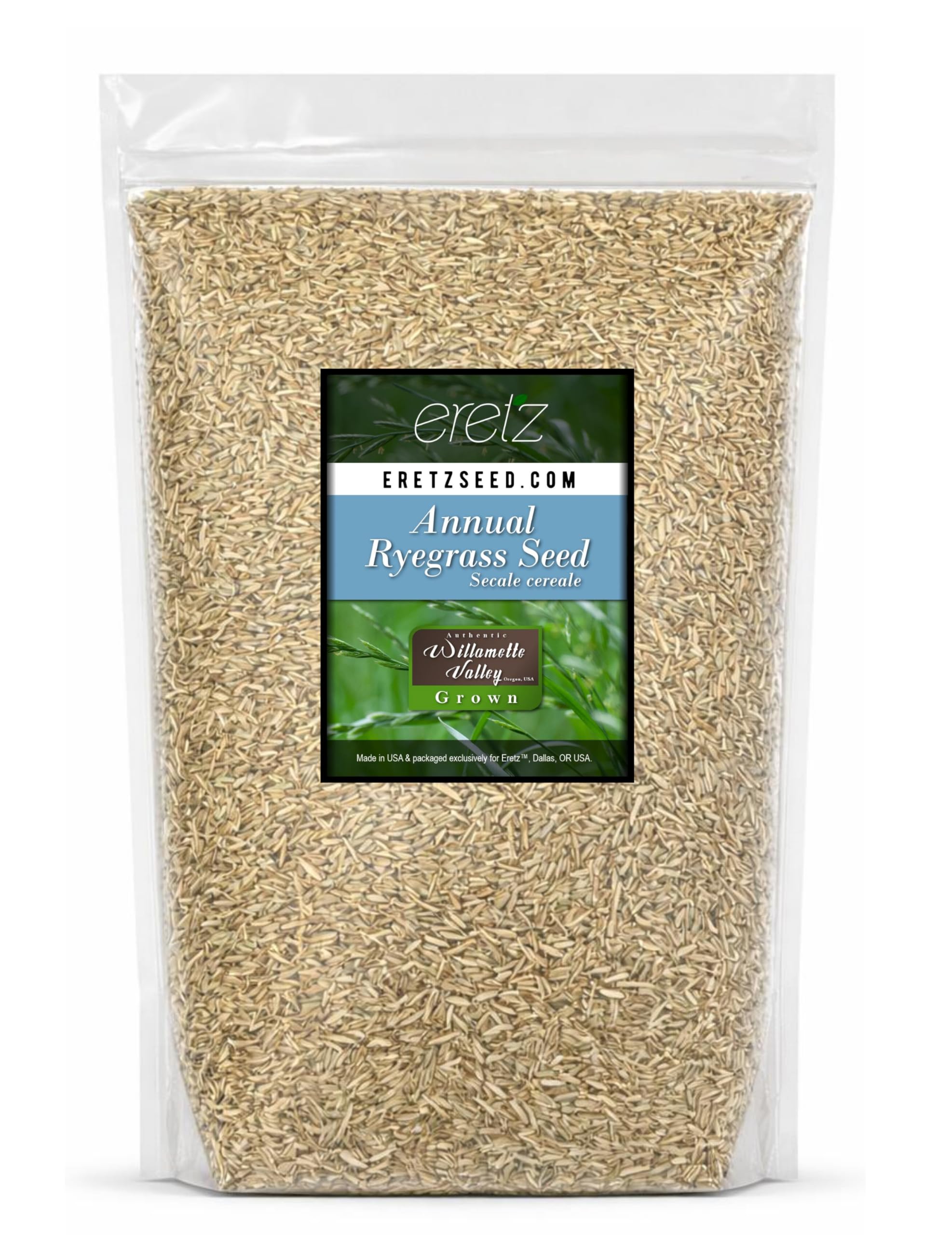
Grown in Oregon’s Willamette Valley, this Eretz annual ryegrass is weed-seed free and delivers a lush, deep green lawn within days of sowing. Multiple verified reviews confirm near-complete germination even with minimal watering — a critical edge during Tennessee’s notoriously dry winter stretches when cool-season grasses need every drop.
It is designed for mixing with clovers and other cover crops, but it performs just as well as a straight overseed over a dormant Bermuda base. The grass handles moderate foot traffic and bounces back after frost, which is a common concern for homeowners who need winter color without sacrificing durability.
The 3-pound bag is compact, making it ideal for patching smaller areas rather than blanketing an acre. Some users note that combining it with fresh topsoil accelerates growth, producing a thicker stand in less time. For a precision overseed job in a suburban Nashville yard, this hits the mark.
Why it’s great
- Authentic Oregon-grown seed with zero weed or crop seed contaminants.
- Grows rapidly even in drought conditions and poor soil.
- Lush, dark green appearance that rivals perennial blends.
Good to know
- Small 3 lb bag limits coverage to smaller lawns or spot repairs.
- Annual lifecycle means it will die back in late spring heat.
3. Pennington Annual Ryegrass Seed

Pennington’s annual ryegrass is purpose-built for overseeding Bermuda, Zoysia, and other warm-season grasses that go dormant in Tennessee winters. With a label claim of visible results in 3 to 7 days, this is a fast-acting temporary solution that holds up well under foot traffic and resists common lawn diseases.
The 10-pound bag covers up to 2,000 square feet, making it the obvious choice for larger properties or full-lawn winterization. Reviews consistently mention dense, full thickness by day four when watered daily, and the grass holds its color well into mid-May in Zone 8, which aligns with central Tennessee’s typical seasonal transition.
One reviewer noted that starting the seed in December was slightly late for their area, suggesting an earlier October or November seeding for optimal root development before the deep cold sets in. That timing tip is relevant for anyone in Tennessee looking to maximize winter longevity before the spring die-off.
Why it’s great
- Massive 10 lb bag offers best coverage-per-pound for large lawns.
- Germinates quickly with daily watering, visible in 2–3 days.
- Specifically recommended for overseeding Bermuda and Zoysia.
Good to know
- Texture is coarser than perennial ryegrass; not as visually refined.
- Optimal seeding window is early fall, not late December.
4. Winter Rye Grass Seed by Old Cobblers Farm
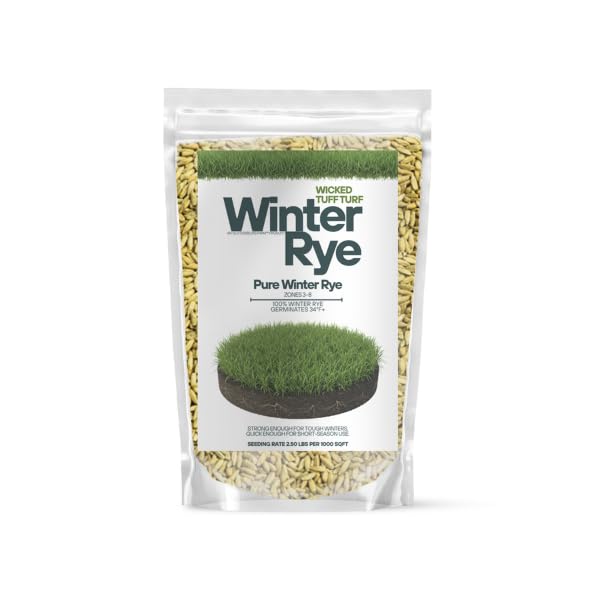
Old Cobblers Farm positions this winter rye grass seed primarily as a cover crop and green manure, but its nitrogen-fixing capability and fast establishment make it a solid dual-purpose overseeding choice. It is labeled as GMO free and adapts well to sandy soils, which are common in parts of middle and west Tennessee.
Users in the South report excellent results on dormant centipede lawns, with the rye staying green longer into the warming spring weather compared to other annual ryegrasses. The large seed size makes it easy to spread by hand or with a broadcast spreader, and it requires minimal soil prep — a shallow rake and moderate watering are enough.
One critical review noted zero germination with a Scott’s hand spreader despite watering, which may point to seed-to-soil contact issues rather than seed quality. Success rates in other reports are overwhelmingly high, especially for hillside erosion control where the thick stems hold soil in place through Tennessee’s rainy winter months.
Why it’s great
- Large seeds are easy to spread and establish quickly in cold weather.
- Nitrogen-fixing properties enrich the soil for spring transition.
- Excellent for erosion control on slopes and hills.
Good to know
- Mixed germination results reported with certain spreader types.
- Primarily a cover crop; may not match ornamental turf appearance.
5. Creeping Red Fescue Seed by Eretz
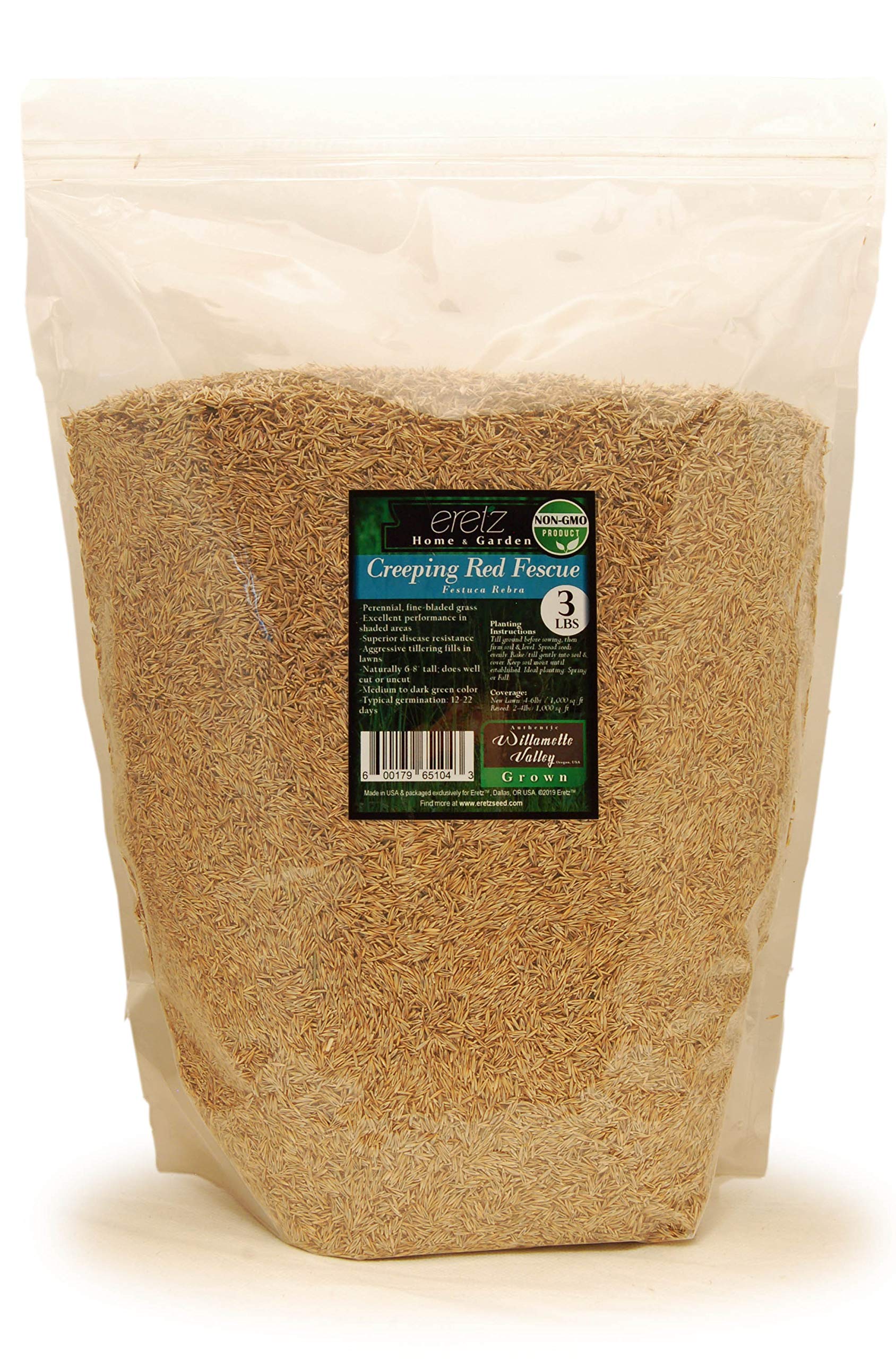
Unlike the annual and perennial ryegrasses above, this creeping red fescue is a fine-bladed perennial grass that thrives in shaded areas where standard rye struggles. With a purity rating of 99.6%, it is weed-free and grown in Oregon’s Willamette Valley, and its aggressive tillering habit helps it fill in bare patches naturally over time.
For Tennessee lawns with heavy tree cover or north-facing slopes, this is a strong alternative. It stays green well into the winter and even holds color under snow, as noted by one reviewer in Vermont. The grass grows to a natural height of 6 to 8 inches and looks good whether mowed low or left uncut on a bank.
The tradeoff is slower germination — 2 to 3 weeks compared to ryegrass’s 3 to 7 days — and higher cost per pound. It also requires a sharp mower blade to avoid tearing the fine blades. If the overseeding target is a shady patch that refuses to hold ryegrass, this fescue is purpose-built for that niche.
Why it’s great
- Superior shade tolerance outperforms standard rye in low light.
- Perennial growth comes back year after year without reseeding.
- Fine texture and dark green color rival premium turf blends.
Good to know
- Germination takes 2–3 weeks — longer than annual ryegrass.
- Higher cost per pound may not suit budget-focused overseeding projects.
FAQ
When should I overseed in Tennessee for best results?
Can I use perennial ryegrass instead of annual for a Tennessee lawn?
Final Thoughts: The Verdict
For most users, the best grass seed for overseeding in tennessee winner is the GreenView Pure Grass Seed Perennial Ryegrass Blend because it combines high-purity seed with perennial durability and shade tolerance. If you want the fastest winter coverage for a large Bermuda lawn, grab the Pennington Annual Ryegrass. And for shaded, low-light patches, nothing beats the Creeping Red Fescue by Eretz.