
Zinc is a non-negotiable mineral for wound healing, yet most people reach for the wrong form—one that sits in the stomach like a rock. The difference between rapid tissue repair and ongoing inflammation often comes down to the specific zinc chelate you choose.
I’m Mohammad Maruf — the founder and writer behind Drink4Good. I’ve spent years analyzing the absorption pathways of mineral supplements, studying how different zinc chelates interact with the gut lining and influence systemic repair mechanisms.
This guide breaks down the chelated forms that bypass common digestive irritation and deliver zinc to your cells where it accelerates collagen synthesis and immune function. These are the options that define the best form of zinc for wound healing.
How To Choose The Best Form Of Zinc For Wound Healing
Wound healing is a metabolic process that depends on zinc-dependent enzymes building collagen and supporting immune cells at the injury site. The wrong form of zinc can pass through your system unabsorbed or cause enough gastrointestinal distress to make you stop taking it altogether.
Chelated vs. Non-Chelated Forms
Non-chelated forms like zinc oxide, zinc sulfate, and zinc gluconate require high stomach acid to dissociate the mineral from its salt. This often triggers nausea. Chelated forms—bisglycinate and picolinate—bind zinc to an amino acid or picolinic acid, creating a molecule that the gut actively transports intact. This bypasses the acid-dependent step and improves absorption significantly.
Zinc Bisglycinate vs. Zinc Picolinate
Zinc bisglycinate uses the amino acid glycine as the chelating agent. It is the gentlest on the stomach and is often recommended for long-term supplementation. Zinc picolinate uses picolinic acid, a natural metabolite produced in the pancreas. Some studies suggest picolinate may achieve slightly higher serum zinc levels in certain individuals, but it can still cause mild nausea if taken on an empty stomach.
Dosage and Timing
Wound healing protocols typically use 30–50 mg of elemental zinc per day for short periods. Higher doses can interfere with copper absorption and cause toxicity over months. Liquid forms allow precise dose adjustment and are ideal for children or adults who struggle with capsules.
Quick Comparison
On smaller screens, swipe sideways to see the full table.
| Model | Category | Best For | Key Spec | Amazon |
|---|---|---|---|---|
| Thorne Zinc Bisglycinate | Bisglycinate | Zero-nausea healing | 30 mg bisglycinate | Amazon |
| Nordic Naturals Zinc Glycinate | Glycinate | Gentle daily support | 20 mg glycinate | Amazon |
| Why Not Natural Liquid Zinc | Liquid | Fast absorption | Picolinate + Bisglycinate | Amazon |
| Carlyle Zinc Picolinate | Picolinate | High-dose potency | 50 mg picolinate | Amazon |
| Nutricost Zinc Picolinate | Picolinate | Entry-level picolinate | 30 mg picolinate | Amazon |
In‑Depth Reviews
1. Thorne Zinc Bisglycinate
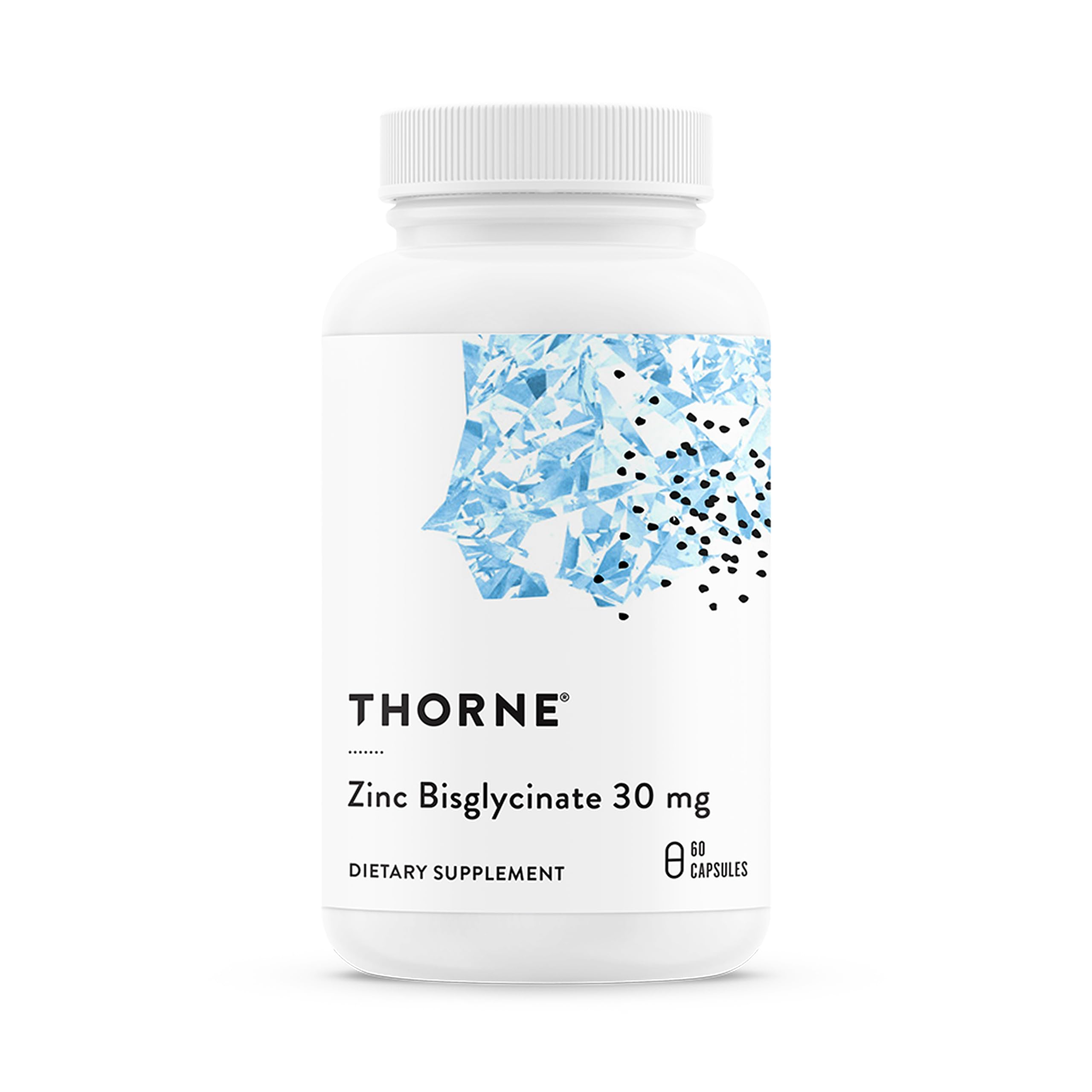
Thorne is the clinical standard for a reason. Each capsule delivers 30 mg of zinc bisglycinate—a chelated form that the gut recognizes and transports without requiring high acid levels. Users consistently report zero nausea even when taking it on an empty stomach, which is the first barrier most people hit with zinc supplements.
The bisglycinate form uses glycine as the chelating agent, which also supports sleep quality indirectly. For wound healing, this dual benefit matters because deep sleep is when collagen remodeling peaks. The third-party certification adds a layer of trust for purity and potency verification.
User reviews highlight improved skin clarity and no aftertaste. A few note that the 30 mg dose is appropriate for short-term therapeutic use but should be paired with copper awareness for long-term protocols. The capsule size is easy to swallow.
Why it’s great
- Third-party tested for purity and potency
- Bisglycinate form is gentle on sensitive stomachs
- Supports immune and skin health with consistent reviews
Good to know
- Lower count per bottle compared to some alternatives
- Premium tier investment for a short-term healing stack
2. Nordic Naturals Zinc Glycinate
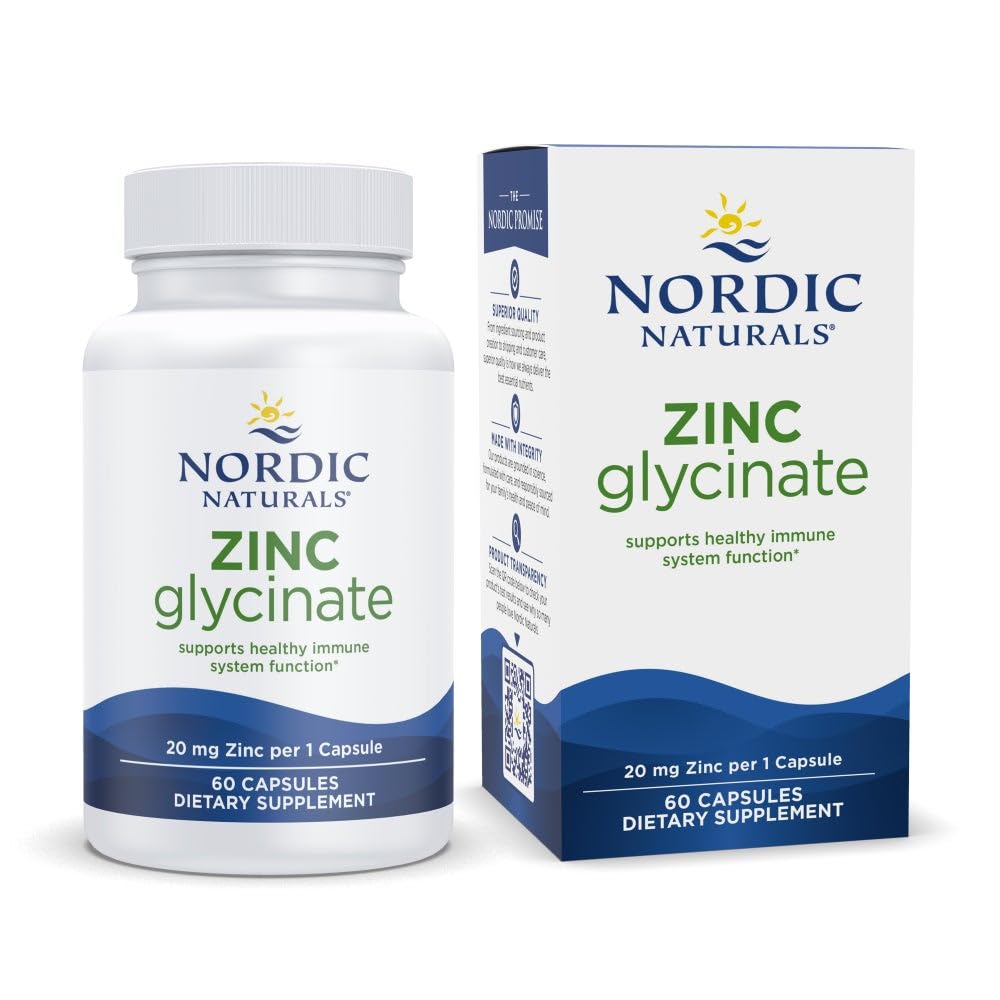
Nordic Naturals brings their pharmaceutical-grade rigor to this zinc glycinate formula. At 20 mg per capsule, it skews toward a maintenance dose rather than a therapeutic wound-healing dose, but the absorption profile is excellent due to the glycinate chelation. Users with sensitive stomachs report this as the only zinc they can tolerate.
The brand is known for third-party testing and clean sourcing. This product is non-GMO, gluten-free, dairy-free, and vegan. For wound healing, pairing this with a higher dietary zinc intake or using two capsules temporarily can close the gap to a 30–40 mg daily target without digestive backlash.
Long-term users mention consistent immune benefits and no metallic aftertaste. The 60-count bottle is a mid-range investment that works well as a foundational supplement rather than a short-term therapeutic blast.
Why it’s great
- Exceptional tolerability for sensitive stomachs
- Clean, vegan, and third-party tested
- Consistent quality from a reputable Nordic brand
Good to know
- 20 mg may require stacking for therapeutic wound protocols
- Smaller bottle size compared to budget options
3. Why Not Natural Organic Liquid Zinc
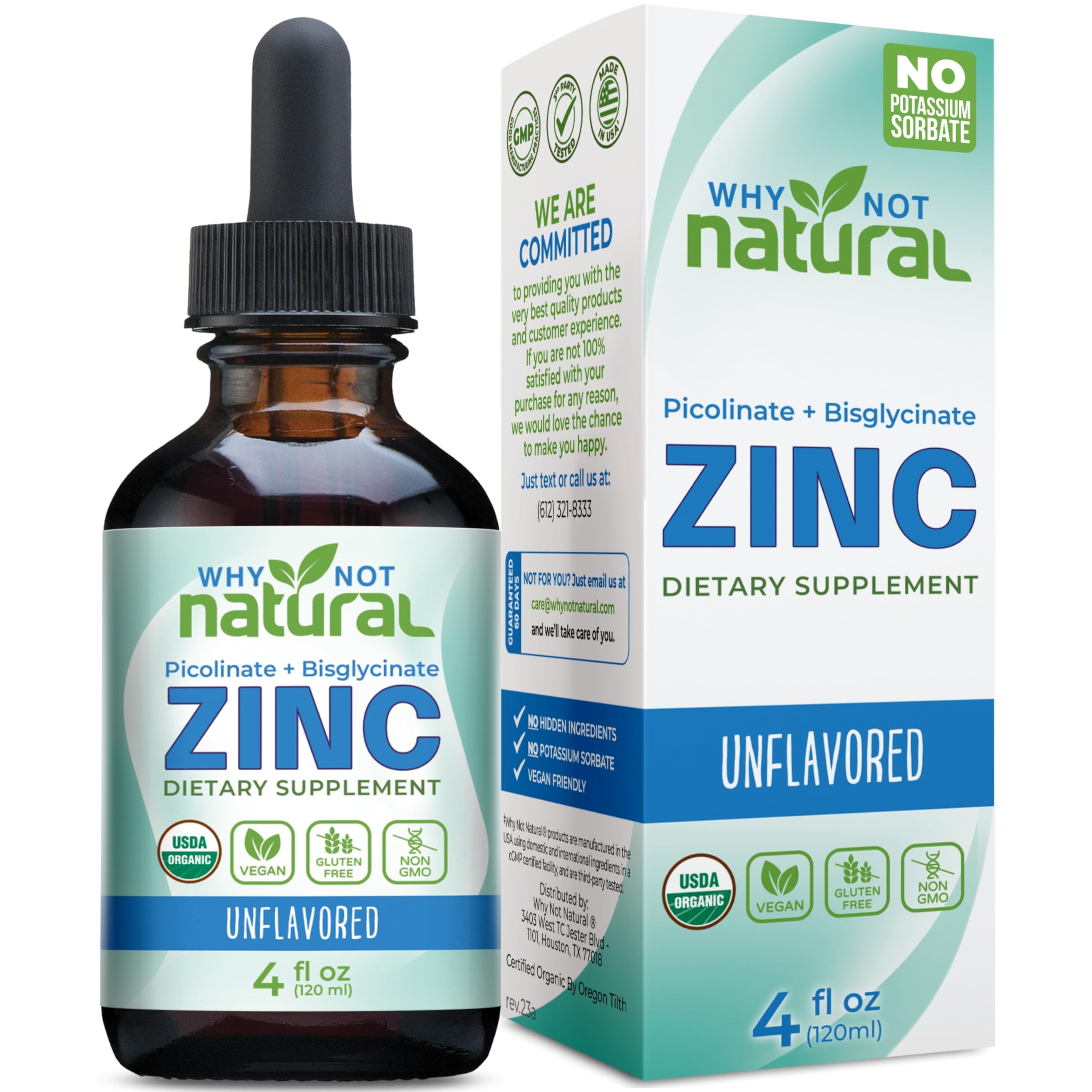
This liquid zinc formula uses a dual chelate system of zinc picolinate and zinc bisglycinate, giving you the absorption benefits of both forms. The liquid delivery bypasses the need for capsule dissolution, which can help individuals with slow gastric emptying or those who dislike pills. Each drop provides precise dosing flexibility for children or adults at different healing stages.
The base is organic glycerin with no artificial colors, sugar, or common allergens. It is USDA organic and vegan certified. Users report no flavor—an unusual advantage for liquid minerals—and subtle sweetness from the glycerin makes it easy to mix into water or juice.
For wound healing, the dual chelate approach ensures high bioavailability while the liquid form allows you to start at a lower dose and ramp up as tolerated. That flexibility is hard to find in capsule-only products. The glass dropper is a nice touch, though some users want a longer dropper for deeper bottles.
Why it’s great
- Dual chelated form maximizes absorption potential
- Liquid format offers precise, adjustable dosing
- USDA organic and free from major allergens
Good to know
- Glass bottle requires careful handling for travel
- Some users want a higher concentration per drop
4. Carlyle Zinc Picolinate

Carlyle delivers a potent 50 mg dose of zinc picolinate in a massive 300-capsule bottle. The picolinate form is well-studied for absorption, and the high dose makes this suitable for short-term therapeutic wound healing protocols where rapid tissue repair is the priority. Users report improved immune function and clearer skin within weeks.
The capsules are quick-release and free from gluten, wheat, yeast, dairy, soy, and artificial additives. Carlyle manufactures in a GMP-compliant facility. The 50 mg dose is above the tolerable upper intake level for long-term use, so this product is best reserved for targeted healing cycles with copper awareness.
Customer feedback is overwhelmingly positive on value and effectiveness, though some note the capsules are slightly larger than average. A few long-term users have flagged recent price increases, so the value equation depends on purchase timing.
Why it’s great
- High dose per capsule for intensive healing support
- Exceptional value with 300 capsules per bottle
- Clean label with no artificial fillers
Good to know
- 50 mg daily requires copper supplementation monitoring
- Capsule size may be challenging for some to swallow
5. Nutricost Zinc Picolinate
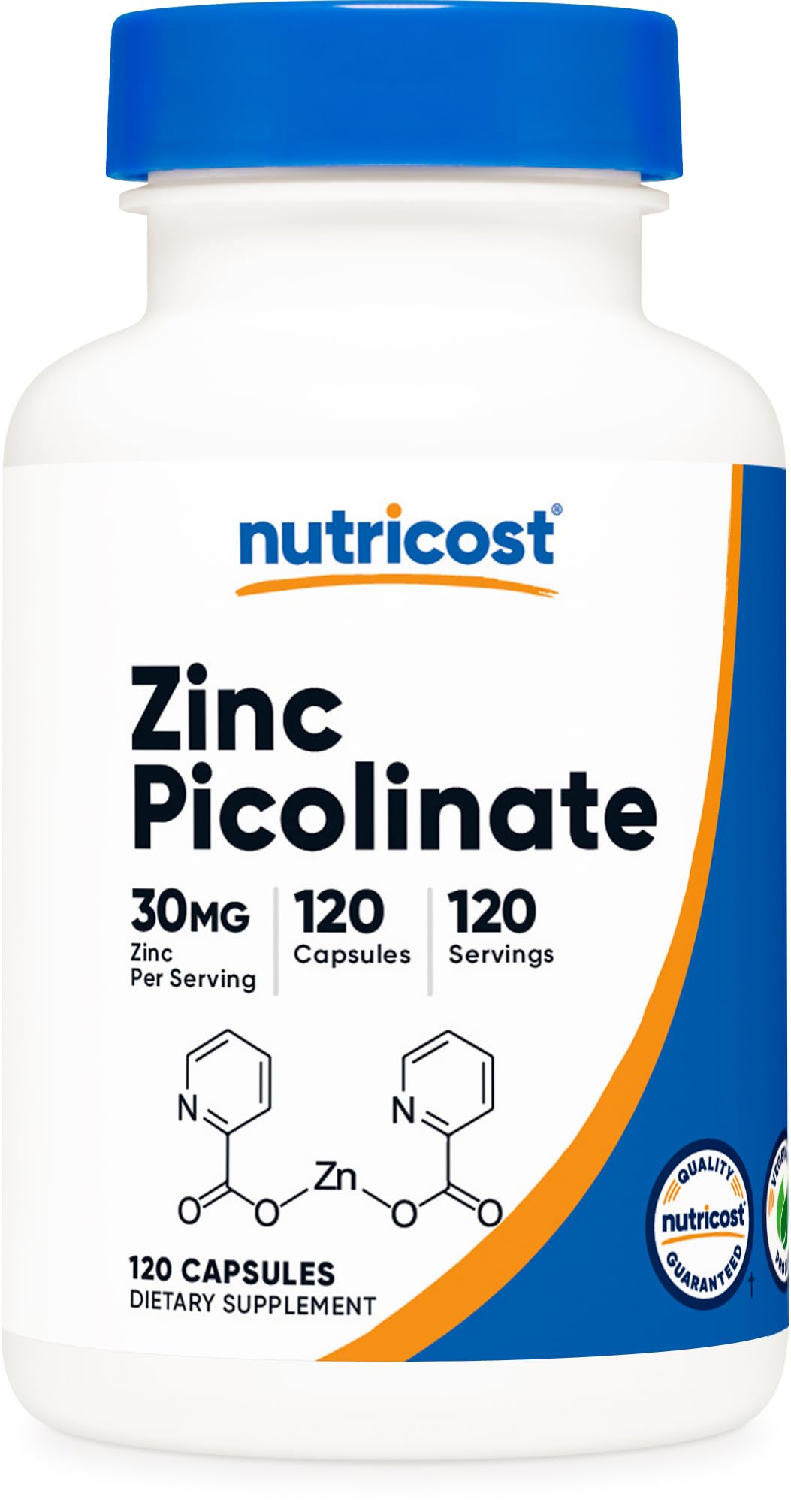
Nutricost offers a straightforward 30 mg zinc picolinate in a 120-capsule bottle at a budget-friendly entry point. This is the lowest cost-per-milligram option among the picolinate choices, making it accessible for anyone starting a zinc supplementation protocol for wound healing. The picolinate form ensures better absorption than zinc oxide or gluconate.
The manufacturing takes place in a GMP-compliant, FDA-registered facility. Capsules are vegetarian and free from gluten and GMOs. User reviews consistently note good tolerance, but some mention mild nausea if taken without food—a common trait among picolinate forms compared to bisglycinate.
The 30 mg dose sits in the therapeutic sweet spot for wound healing without exceeding safe limits for short-term use. The main trade-off is that picolinate may cause stomach discomfort in sensitive individuals, and the Nutricost brand does not offer third-party certification like Thorne or Nordic Naturals.
Why it’s great
- High-absorption picolinate at a very accessible price
- 120 servings per bottle for extended use
- Clean, non-GMO, vegetarian formulation
Good to know
- Picolinate can cause mild nausea without food
- No third-party purity certification visible
FAQ
Why does bisglycinate cause less nausea than picolinate?
Can I take zinc long-term for wound healing?
Is liquid zinc more effective than capsules for healing?
Final Thoughts: The Verdict
For most users, the best form of zinc for wound healing winner is the Thorne Zinc Bisglycinate because it combines zero-nausea tolerance with third-party verified purity and the ideal 30 mg therapeutic dose. If you want precise dosing flexibility, grab the Why Not Natural Organic Liquid Zinc. And for a budget-friendly high-dose option when healing speed is the priority, nothing beats the Carlyle Zinc Picolinate with its 300-capsule supply.