
An Austin lawn faces a brutal triple threat: limestone‑based alkaline soil, scorching 100°F summers, and erratic watering restrictions that can turn a new patch of seed into a dried‑out memory by July. Finding a grass variety that actually survives the city’s unique clay‑to‑sand transitions and full‑sun exposure requires matching the seed’s dormancy window, root depth, and drought tolerance to your specific ZIP code’s microclimate — not just grabbing the cheapest bag on the shelf.
I’m Mohammad Maruf — the founder and writer behind Drink4Good. I’ve spent hundreds of hours dissecting soil temperature maps, germination data, and user reports across Central Texas to isolate the seven seed blends that have a proven track record in Austin’s transition zone.
This guide ranks every option by its ability to withstand the city’s real conditions — from limestone‑adapted Bermuda cultivars to shade‑tolerant St. Augustine plugs — so you can choose a grass seed for austin texas that actually matures into a lawn you’ll want to walk on barefoot.
How To Choose The Best Grass Seed For Austin Texas
Austin sits in a unique transition zone where warm‑season Bermuda and St. Augustine thrive in summer but can go dormant during a hard freeze, while cool‑season fescue stays green through winter but scorches in July. The wrong choice means either a brown lawn for four months or a dead lawn that needs replanting every spring.
Match the Grass Type to Your Sunlight and Soil
Bermuda demands at least 6–8 hours of direct sun and prefers sandy loam with a pH between 6.0 and 7.0 — a tight range for Austin’s alkaline clay. St. Augustine tolerates moderate shade (3–4 hours of sun) but needs consistent moisture and fails in heavy foot traffic. Tall fescue handles partial shade and cooler microclimates but requires more water during August heat than a typical Austin sprinkler system allows.
Check Germination Temperature and Dormancy Behavior
Warm‑season seeds like Bermuda and St. Augustine need soil temperatures above 65°F — which in Austin means planting between mid‑April and early June. Cool‑season fescue germinates at 55–65°F, ideal for October seeding. Ignoring these windows means the seed sits in cold soil and rots, or sprouts in July heat and fries before roots reach two inches deep.
Look for Drought Tolerance and Root Depth
Austin’s Stage 2 watering restrictions allow irrigation only one day per week during peak summer. A drought‑tolerant label must be backed by a root system capable of reaching 6–8 inches down — coarse Bermuda cultivars like Maya Blackjack do this naturally, while cheaper annual ryegrass blends die after three days without water.
Quick Comparison
On smaller screens, swipe sideways to see the full table.
| Model | Category | Best For | Key Spec | Amazon |
|---|---|---|---|---|
| Outsidepride Oasis Bermuda | Bermuda | High‑traffic, full‑sun lawns | Hybrid blend, crowds weeds | Amazon |
| Outsidepride Maya Blackjack Bermuda | Bermuda | Dense, carpet‑like turf | Cold‑tolerant, fine‑textured | Amazon |
| St. Augustine Palmetto Plugs | St. Augustine | Shady, low‑traffic areas | Superior shade tolerance | Amazon |
| Scotts Turf Builder Sun and Shade | Mix | Patch repair and overseeding | Fertilizer + seed + soil improver | Amazon |
| Pennington Bermudagrass | Bermuda | Budget‑friendly warm‑season coverage | Penkoted, wear‑resistant | Amazon |
| Lesco All-Pro Tall Fescue | Fescue | Cool‑season, transition zone lawns | Endophyte‑enhanced, insect‑resistant | Amazon |
| Barenbrug Winter Wonderlawn | Ryegrass | Winter overseeding in southern lawns | 2–4 day germination | Amazon |
In‑Depth Reviews
1. Outsidepride Oasis Bermuda Grass Seed

The Oasis Bermuda blend combines three top‑performing Bermuda cultivars engineered for Austin’s punishing full‑sun climate. Its aggressive growth habit naturally suppresses weeds — a crucial trait when watering restrictions limit herbicide application frequency. The 2–3 pounds per 1,000 sq. ft. seeding rate means a single 5‑lb bag handles roughly 2,000 sq. ft. of new lawn, making it cost‑effective for mid‑sized properties.
Real user reports from Austin confirm it sprouted in roughly 10 days during late April seeding, withstanding the city’s heat and surviving reduced watering schedules. The hybrid genetics produce a finer leaf blade than standard Bermuda, creating a carpet‑like feel rather than the coarse texture common to cheaper blends. Heat resistance is genuine — the blend maintains color when daytime highs hit 95°F, unlike fescue mixes that brown by mid‑July.
The trade‑off is that germination can be slow if soil temperatures dip below 65°F, and a small percentage of buyers report spotty emergence when the seed bed dries out during the first week. This is not a scatter‑and‑walk‑away product — consistent moisture for the first 10–14 days is non‑negotiable. For homeowners ready to commit to that schedule, the Oasis blend delivers the most durable full‑sun lawn in this lineup.
Why it’s great
- Hybrid three‑cultivar blend for superior heat and drought tolerance
- Aggressive growth crowds out weeds without chemicals
- Fine‑textured leaf creates a dense, carpet‑like lawn
Good to know
- Needs consistent moisture for first 10–14 days
- Soil temperatures must be above 65°F for germination
- Some users report slow or spotty emergence without careful watering
2. Outsidepride Maya (Blackjack II) Bermuda Grass Seed

The Maya Blackjack II cultivar represents a step up in cold tolerance for the Bermuda family — it stays green longer into autumn and greens up earlier in spring than standard Bermuda varieties. This matters in Austin because the city occasionally dips below freezing in December, and a cold‑tolerant Bermuda reduces the brown‑dormancy window by several weeks. The coated seed design improves moisture retention, which directly boosts germination rates in Austin’s fast‑drying clay.
Users consistently describe the final turf as “carpet‑like” — the fine leaf blade width creates a denser stand than common Bermuda, and the GMO‑free label appeals to organic‑minded homeowners. The seed spreads aggressively via stolons, so bare spots fill in naturally within a single growing season without needing additional seeding. Drought tolerance is rated as requiring little to no supplemental watering once established — a direct match for Stage 2 restrictions.
The downside appears when soil preparation is skipped: this seed demands tilling to at least 6 inches, proper pH adjustment, and pre‑wetting the bed before broadcasting. Users who skip those steps report zero germination. It also takes 2–3 weeks to fully establish, which feels slow compared to fast‑germinating ryegrass blends. For those willing to prep properly, the Maya Blackjack produces a premium lawn that outlasts cheaper alternatives by years.
Why it’s great
- Superior cold tolerance extends green season in Austin winters
- Coated seed retains moisture for better germination on clay soil
- Fine texture creates dense, luxurious turf
Good to know
- Requires thorough soil preparation — tilling, pH test, pre‑wetting
- Germination can take 2–3 weeks in cooler soil
- Not suitable for low‑maintenance, scatter‑and‑grow approach
3. St. Augustine Palmetto Plugs

Palmetto St. Augustine is the go‑to option for Austin yards with significant shade from live oaks or cedar elms. Unlike Bermuda, which thins and dies below 4 hours of direct sun, Palmetto maintains density with as little as 3 hours of filtered light. The leaf blades are soft to the touch — a relief if you’ve ever walked barefoot on prickly Floratam — and the semi‑dwarf growth habit means less thatch buildup even in full sun.
Each order delivers 3 extra‑large plugs (roughly 2×2 inches each) that arrive green and ready to plant. Users in Southern climates report that the plugs survive weeks in the tray if planting is delayed, and runners spread 6 inches within a month with daily watering. The drought tolerance is very good for a St. Augustine variety — it stays green longer than Bermuda or Centipede grass after irrigation stops, though it does go dormant after several hard frosts.
The main limitation is cost per square foot: 3 plugs cover only a small area, and a full yard requires multiple orders. The plugs also struggle in sandy or rocky soil without amendment, and some users with fine‑bladed Northeast expectations found the broad leaf texture mismatched. For shadier corners where Bermuda refuses to grow, Palmetto plugs deliver the best shade performance in this roundup.
Why it’s great
- Superior shade tolerance for live‑oak‑covered Austin yards
- Soft, fine leaf texture — comfortable for barefoot walking
- Plugs arrive healthy and establish quickly with daily watering
Good to know
- High per‑square‑foot cost for larger lawns
- Not suitable for heavy foot traffic areas
- Requires consistent moisture during establishment
4. Scotts Turf Builder Grass Seed Sun and Shade Mix

The Scotts Sun and Shade mix is the most versatile entry in this list because it combines seed, fertilizer, and soil improver in one bag. This is a practical advantage for Austin homeowners who want a single‑product solution for patch repair or overseeding an existing thin lawn. The mix includes root‑building nutrition that helps young grass push through the city’s compacted clay more effectively than bare seed alone.
Coverage is generous — a 5.6‑lb bag overseeds up to 2,240 sq. ft., making it one of the most cost‑effective options for filling bare spots. Users report visible sprouts within 10 days with twice‑daily watering, and the blend tolerates both full sun and moderate shade. The medium drought resistance rating means it will survive Austin’s dry spells better than a pure fescue mix, though it won’t rival Bermuda for extreme heat endurance.
The biggest risk is bag variability: several recent reviews note an increase in crabgrass and weed content compared to previous batches, suggesting quality control may have slipped. The mix also takes noticeably longer to establish a thick stand compared to dedicated Bermuda or fescue products. For a quick, low‑effort overseed on a moderate budget, this Scotts blend works well — just inspect the bag before buying.
Why it’s great
- All‑in‑one seed, fertilizer, and soil improver reduces labor
- Large coverage area — up to 2,240 sq. ft. for overseeding
- Versatile sun and shade tolerance for variable Austin yards
Good to know
- Some bags show increased weed content in recent batches
- Slower to thicken compared to dedicated grass varieties
- Medium drought resistance — needs supplemental water in July
5. Pennington Bermudagrass Grass Seed

Pennington’s Bermuda uses the company’s proprietary Penkoted technology — a fungicide and nutrient coating that protects the seed from soil‑borne diseases during the critical first week of germination. This is genuinely useful in Austin’s clay soils, which can harbor damping‑off fungi when spring rains arrive. The blend also includes improved cold‑tolerant varieties that extend the green window by a few weeks in fall.
The low‑growing habit means fewer clippings per mow — the turf naturally stays shorter than many Bermuda cultivars, reducing weekly maintenance time. The deep root system (capable of reaching 6–8 inches) provides genuine drought tolerance once established, and the aggressive self‑spreading fills bare patches without additional seeding. Users with 500 sq. ft. areas report using 3 lbs for dense coverage, which is slightly above the standard rate.
The Achilles heel is batch consistency: multiple reviews mention zero germination, even in controlled indoor tests, suggesting some bags may contain compromised seed. The grass also goes completely dormant (brown) during Austin’s winter months, which is expected for Bermuda but can be jarring if you’re used to year‑round green fescue. It’s the best value‑per‑pound entry for large Bermuda lawns if you get a fresh bag.
Why it’s great
- Penkoted coating protects germinating seeds from soil fungi
- Low‑growing habit means less frequent mowing
- Deep roots provide genuine drought tolerance once established
Good to know
- Batch variability — some bags fail to germinate entirely
- Goes fully dormant (brown) during Austin winters
- Seeds are tiny and require careful spreading technique
6. Lesco All‑Pro Transition Tall Fescue Grass Seed Blend
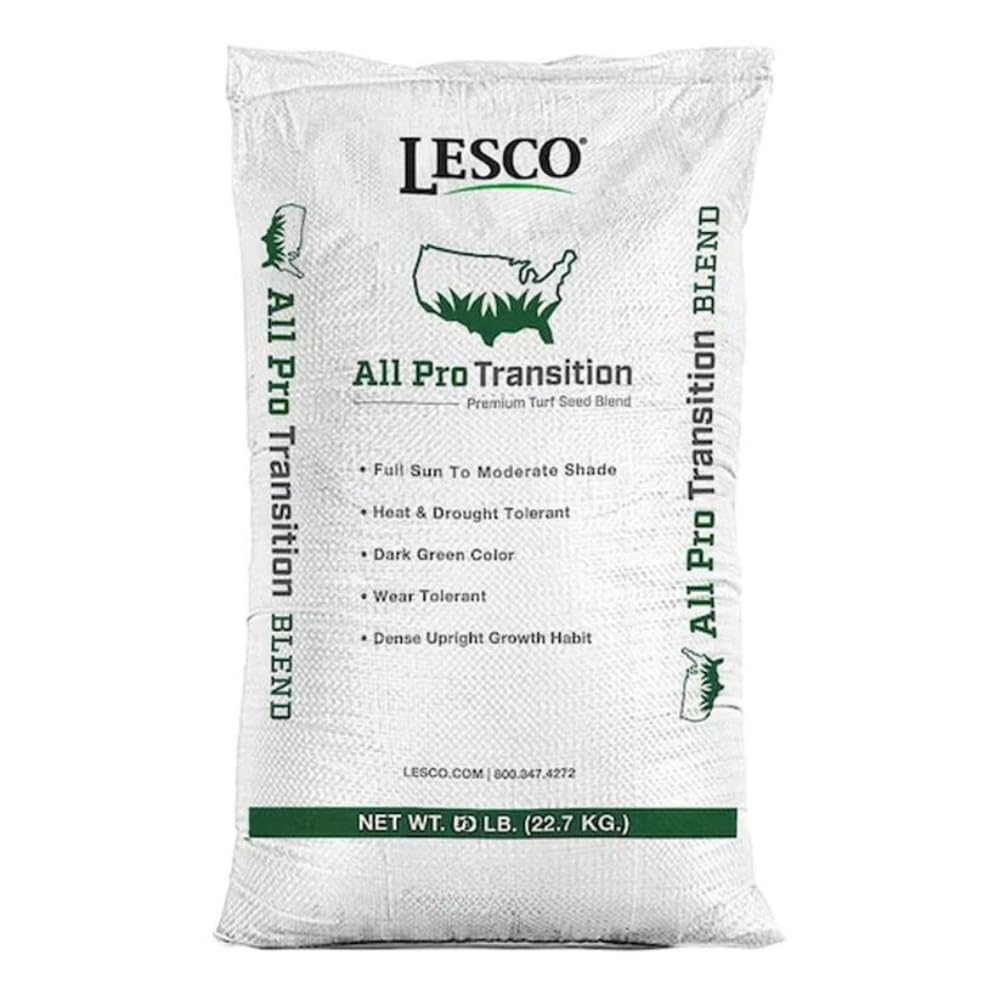
Lesco’s All‑Pro Tall Fescue blend is built for the transition zone — exactly where Austin sits — and it shows in the specs. The endophyte enhancement naturally repels surface‑feeding insects like chinch bugs and sod webworms, which are common problems in Central Texas lawns during humid summers. The 10‑lb bag covers a substantial area and the blend is certified weed‑free, meaning you won’t introduce new problems while overseeding.
Users consistently praise the germination speed — many report visible sprouts within 7 days, with the grass reaching 0.5–1 inch by the end of the first week. The tall fescue texture is soft and cushiony underfoot, and the deep green color holds up well through spring and fall. The drought and heat tolerance is rated for moderate conditions — it handles Austin’s spring better than pure ryegrass but will need supplemental water during August heat waves.
The dealbreaker for some is the non‑returnable policy on grass seed sales, which means you absorb the risk if the bag arrives damaged or is a bad batch. The 10‑lb size also requires a spreader — hand‑broadcasting this volume evenly is impractical. For homeowners with cool‑season grass who want a durable, insect‑resistant blend that matches existing tall fescue lawns, this is the strongest option.
Why it’s great
- Endophyte content naturally deters chinch bugs and sod webworms
- Fast germination — visible sprouts in 7 days with moisture
- Weed‑free and dense texture matches existing fescue lawns
Good to know
- Non‑returnable — no recourse for damaged or defective bags
- Requires a spreader for even 10‑lb coverage
- Needs supplemental watering during July and August heat
7. Barenbrug Winter Wonderlawn Grass Seed
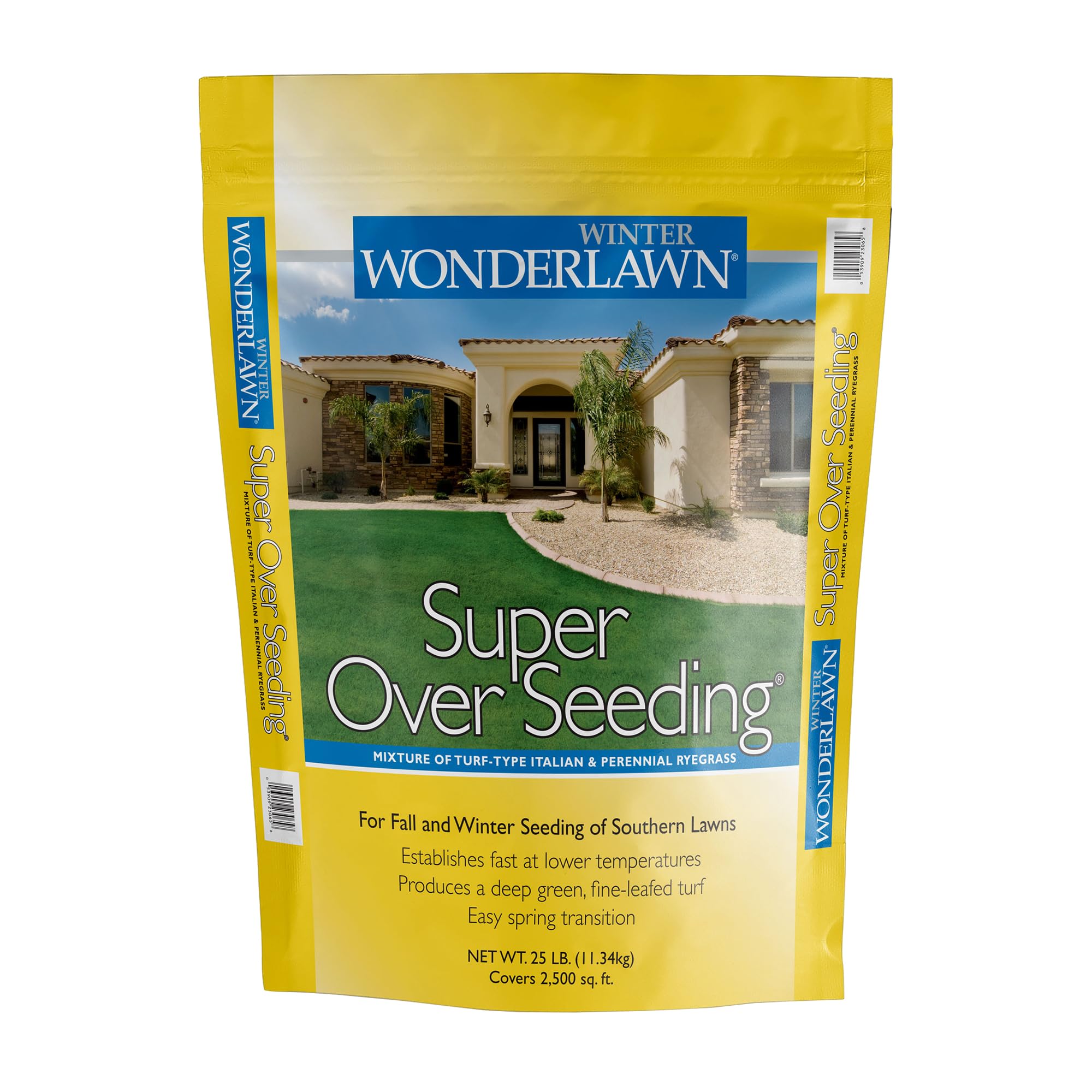
The Barenbrug Winter Wonderlawn is purpose‑built for overseeding warm‑season lawns in Southern climates — exactly the scenario Austin homeowners face when their Bermuda or St. Augustine goes dormant in November. The blend of premium perennial and Italian ryegrasses germinates in just 2–4 days, creating a green winter carpet that naturally transitions back to the permanent warm‑season grass in spring without chemical intervention.
Users in similar transition‑zone climates (central Arkansas, Southern California, Ohio) report lush growth with minimal effort — some saw germination with only rain water during November planting. The fine leaf texture blends seamlessly with existing Bermuda lawns, so the winter cover doesn’t look patchy or mismatched. The 25‑lb bag provides enough coverage for substantial overseeding projects without requiring multiple orders.
The trade‑off is that this is strictly a temporary winter solution: the ryegrass dies off naturally in spring as temperatures rise above 75°F, leaving the permanent grass to re‑emerge. It also requires moderate watering during dry winter spells and may need regular mowing during rapid growth phases. For Austin homeowners who want a vibrant lawn year‑round without re‑sodding, this winter overseed blend is the most practical solution.
Why it’s great
- Germinates in 2–4 days for instant winter green coverage
- Naturally transitions out in spring without chemicals
- Fine‑leaf texture blends seamlessly with dormant Bermuda
Good to know
- Temporary winter solution — ryegrass dies in warm weather
- Requires regular mowing during peak growth
- Needs supplemental water during dry winter periods
FAQ
Can I plant Bermuda seed in Austin during July?
Will St. Augustine plugs survive in full sun with Austin clay?
How do I know if my bag of Pennington Bermuda is a bad batch?
What’s the difference between Penkoted and coated seed?
Final Thoughts: The Verdict
For most users, the grass seed for austin texas winner is the Outsidepride Oasis Bermuda because its hybrid three‑cultivar blend delivers the best balance of heat tolerance, drought survival, and weed suppression for full‑sun lawns. If you need a premium cold‑tolerant Bermuda that stays green longer in fall, grab the Outsidepride Maya Blackjack. And for shady corners under live oaks where Bermuda refuses to grow, nothing beats the St. Augustine Palmetto Plugs for reliable shade coverage.