
At 11 months old, your baby is on the cusp of toddlerhood—exploring solids, pulling up to stand, and demanding fuel for rapid brain growth. But finding the right formula for this unique stage means balancing the gentle digestion a maturing gut still needs with the higher levels of DHA, iron, and prebiotics that support those next developmental leaps. A formula that works for a newborn may lack the immune-supporting HMOs your 11-month-old now needs, while a toddler drink can miss key infant-stage nutrients.
I’m Mohammad Maruf — the founder and writer behind Drink4Good. I’ve spent years analyzing pediatric nutrition research, comparing ingredient labels across dozens of formula brands, and studying how specific formulations (from A2 protein to dual HMO blends) impact everything from gut comfort to long-term cognitive development in the late-infant stage.
Whether you are transitioning from breast milk or switching brands due to digestive issues, this guide breaks down the seven most reliable options on the market today to help you choose the best formula for 11 month old that fits your baby’s specific needs.
How To Choose The Best Formula For 11 Month Old
By 11 months, a baby’s gut microbiome is more established than at birth, but the digestive system is still maturing and can be sensitive to certain proteins or carbohydrate sources. The right formula at this stage should support brain development (DHA is critical in the first year), provide immune-supporting prebiotics like HMOs found naturally in breast milk, and use a protein source—whether intact milk protein, A2 beta-casein, or partially hydrolyzed whey—that matches your baby’s tolerance level. Avoid formulas with added corn syrup solids or artificial growth hormones, and pay close attention to the iron content, as iron stores built during pregnancy begin to deplete around 6 months and remain essential through the first birthday.
Protein Type and Digestive Gentleness
The protein base is the single most important variable for an 11-month-old’s comfort. Standard formulas use intact cow’s milk protein, which works for most babies. If your baby shows signs of gas, fussiness, or spit-up after feeding, a partially hydrolyzed formula (proteins broken into smaller pieces) like Enfamil Gentlease or Mama Bear Gentle can make a noticeable difference. Alternatively, formulas made with A2 beta-casein protein (like Baby’s Only A2 Organic) are naturally easier on the gut because they lack the A1 protein variant linked to digestive discomfort in some infants. For babies with confirmed milk protein allergy, a fully hydrolyzed or amino-acid-based formula may be necessary, but that is a distinct category beyond this guide.
DHA, HMOs, and Brain-Building Nutrients
At 11 months, the brain is growing at a rate that will never be matched again. DHA (docosahexaenoic acid) is the most clinically studied nutrient for early cognitive development, and most premium formulas now pair it with MFGM (milk fat globule membrane) components that mimic breast milk’s brain-supporting structure. HMOs (human milk oligosaccharides) like 2’-FL and LNnT act as prebiotics that feed beneficial gut bacteria and support the immune system—a major benefit as babies begin interacting more with their environment. Look for a formula that explicitly lists the presence of DHA and at least one HMO; the more HMO varieties, the closer the formulation is to the complex prebiotic profile of breast milk.
Infant Formula vs. Toddler Drink at 11 Months
This is the most common point of confusion at this age. Standard infant formula (labeled 0–12 months) provides complete nutrition and meets strict FDA standards. Toddler drinks (like Enfagrow, labeled 12+ months) have lower iron, fewer prebiotics, and are not required to meet the same nutritional standards as infant formula. For an 11-month-old, the correct choice is an infant formula. Once your baby turns 12 months and has established a varied solid-food diet (including iron-rich foods like meat and fortified cereals), you can consider transitioning to whole milk or a toddler drink as a supplement—not a replacement. Until the first birthday, stick with a complete infant formula.
Quick Comparison
On smaller screens, swipe sideways to see the full table.
| Model | Category | Best For | Key Spec | Amazon |
|---|---|---|---|---|
| Enfamil NeuroPro | Premium | Brain development with MFGM | MFGM + HuMO6 immune blend | Amazon |
| Mama Bear Gentle | Mid-Range | Fussiness, gas & crying relief | Partially hydrolyzed whey | Amazon |
| Bobbie Organic Gentle | Premium | Gentle organic digestion | 100% lactose, smaller milk proteins | Amazon |
| Mama Bear Advantage Premium | Mid-Range | Budget-friendly HMOs | Dual HMOs (2′-FL + LNnT) | Amazon |
| Go & Grow 360 Similac | Mid-Range | Toddler transition prep | 5 HMO prebiotic blend | Amazon |
| Baby’s Only A2 Organic | Premium | Sensitive tummies, organic | A2 beta-casein protein | Amazon |
| Enfagrow NeuroPro | Premium | Post-1-year ready-to-drink | Ready-to-use, 8 fl oz bottles | Amazon |
In‑Depth Reviews
1. Enfamil NeuroPro Baby Formula
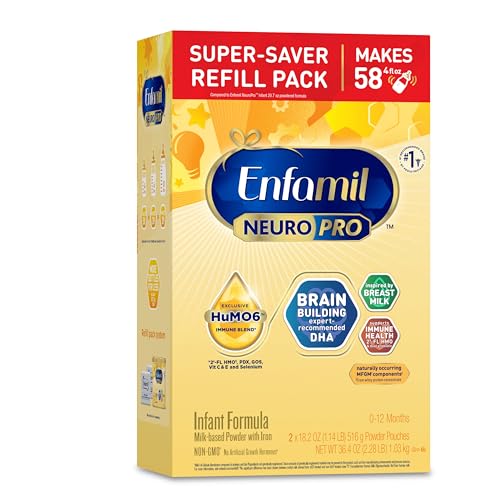
Enfamil NeuroPro is the most research-backed formula on this list for supporting brain development in the first year. Its defining feature is the combination of MFGM (milk fat globule membrane) components with expert-recommended DHA—a duo clinically shown to support cognitive, motor, and communication development through age 5 when fed during infancy. The exclusive HuMO6 immune blend adds six prebiotic-like HMO components that mirror the immune-supporting structure of breast milk, giving your 11-month-old a dual advantage in brain and immune health. The powder mixes easily without clumping, and the 36.4-ounce can delivers approximately 104 scoops, providing strong value for a premium-tier product.
Pediatricians recommend Enfamil NeuroPro more than any other infant formula brand, which speaks to the consistency and safety of its formulation. It contains non-GMO ingredients, iron for red blood cell development, and prebiotics to support regular bowel movements. For 11-month-olds who have tolerated standard milk-based formula well from birth, this is a seamless continuation of high-end nutrition through the final month before the toddler transition. Parents consistently report that their babies take to the taste without resistance and that digestive issues like gas and reflux are minimal compared to other brands they have tried.
The downside is purely financial: Enfamil NeuroPro sits at the upper end of the price spectrum, especially for families feeding a hungry 11-month-old who may consume 24–32 ounces per day. However, subscription and subscribe-and-save discounts can reduce the per-can cost, and the 4-pack option provides additional savings for consistent users. If your baby has a history of digestive sensitivity, you may want to test with a single can before committing to a larger pack, as the intact milk proteins in this standard formulation may not suit every sensitive stomach. For most families, though, this is the gold standard for the 0–12 month window.
Why it’s great
- Contains MFGM + DHA for proven cognitive benefit through age 5
- HuMO6 immune blend with six HMO-like prebiotics
- #1 pediatrician-recommended brand; mixes easily without clumps
Good to know
- Premium pricing; cost adds up with daily feeding volumes
- Intact milk proteins may not suit babies with gas sensitivity
2. Mama Bear Gentle Premium Baby Formula

Mama Bear Gentle is the mid-range hero for 11-month-olds who struggle with gas, fussiness, or crying after feeds. The active mechanism here is partially hydrolyzed whey protein—the same protein-breakdown approach used in Enfamil NeuroPro Gentlease—which makes the formula significantly easier to digest than standard intact-protein formulas. It also contains reduced lactose (roughly 20% of the lactose found in a standard milk-based formula), which can make a dramatic difference for babies with transient lactase insufficiency that sometimes emerges during the late-infant stage. Combined with 2’-FL HMO for immune support and DHA for brain development, this formula delivers premium-level nutrition at a mid-range price point.
The 33.2-ounce can provides excellent volume per purchase, and the formula mixes smoothly with no clumping—a practical advantage during those rushed late-night feeds. Parents who transitioned from Enfamil Gentlease to Mama Bear Gentle consistently report zero difference in their baby’s digestion, stool pattern, or acceptance, which makes this a direct generic equivalent at a noticeably lower cost per ounce. Non-GMO ingredients, no artificial growth hormones, and SNAP eligibility further reduce barriers for budget-conscious families who do not want to compromise on digestive comfort.
The trade-off is that the partially hydrolyzed formula has a slightly different taste and smell compared to standard infant formulas, though most babies accept it readily. A small subset of very sensitive babies may still experience spit-up due to the reduced lactose formulation—this is typically the case when the baby’s issue is reflux rather than gas. Additionally, the packaging uses a scoop that sits in a dedicated holder on the can rim, which is a thoughtful design touch but can be knocked loose during scooping if you aren’t careful. For the price-to-performance ratio in the gentle-formula category, this is the strongest option available.
Why it’s great
- Partially hydrolyzed whey protein eases digestion for gassy babies
- Reduced lactose helps infants with mild intolerance
- Direct generic equivalent to Enfamil Gentlease at a lower cost
Good to know
- Thicker texture; may increase spit-up for reflux-prone babies
- Scoop placement on can rim can be dislodged during use
3. Bobbie Organic Gentle Baby Formula

Bobbie Organic Gentle stands apart because it addresses digestive sensitivity while adhering to a strict organic mandate. The formula uses smaller milk proteins (partially hydrolyzed) to reduce gas and fussiness, yet it maintains 100% lactose as the sole carbohydrate source—matching the carbohydrate profile of breast milk. This is significant because many gentle formulas reduce or replace lactose with corn syrup or maltodextrin, which Bobbie explicitly avoids. It is USDA Organic, EU Organic, and Clean Label Project Certified, meaning every batch undergoes over 2,000 quality checks for contaminants. For parents who want both organic integrity and a gentle protein profile for their 11-month-old, this is the most transparent option available.
Lactation consultants frequently recommend Bobbie because of its lactose-forward composition, which helps maintain a healthy gut microbiome by feeding beneficial bacteria rather than disrupting it with alternative sugars. Parents report that their babies accept Bobbie Organic Gentle with zero resistance—even those who previously rejected other brands—and that the transition from breast milk is smoother than with standard formulas. The 14.1-ounce can is smaller than most competitors, which is a practical choice for families who want to test the formula without committing to a large volume, or for those combining formula with solid foods and using less powder overall at 11 months.
The primary drawback is the small can size relative to the price per ounce, which makes Bobbie one of the more expensive options per serving. For a hungry 11-month-old consuming 30+ ounces daily, a single can may last only 3–4 days, which means frequent repurchasing. Some parents also note that the labeling between Bobbie Organic Gentle and Bobbie Organic (standard) looks nearly identical, so it is essential to check the “Gentle” designation carefully at checkout. If your baby tolerates standard milk protein but you prioritize organic sourcing, the standard Bobbie Organic formula may offer a better value. But for organic-first families with a gassy baby, this gentle variant is worth the premium.
Why it’s great
- 100% lactose with no corn syrup or maltodextrin
- Smaller milk proteins reduce gas while preserving organic standards
- Triple-certified: USDA Organic, EU Organic, Clean Label Project
Good to know
- 14.1 oz can is small; frequent repurchasing needed for full-time feeding
- Higher per-ounce cost than most mid-range formulas
4. Mama Bear Advantage Premium Baby Formula
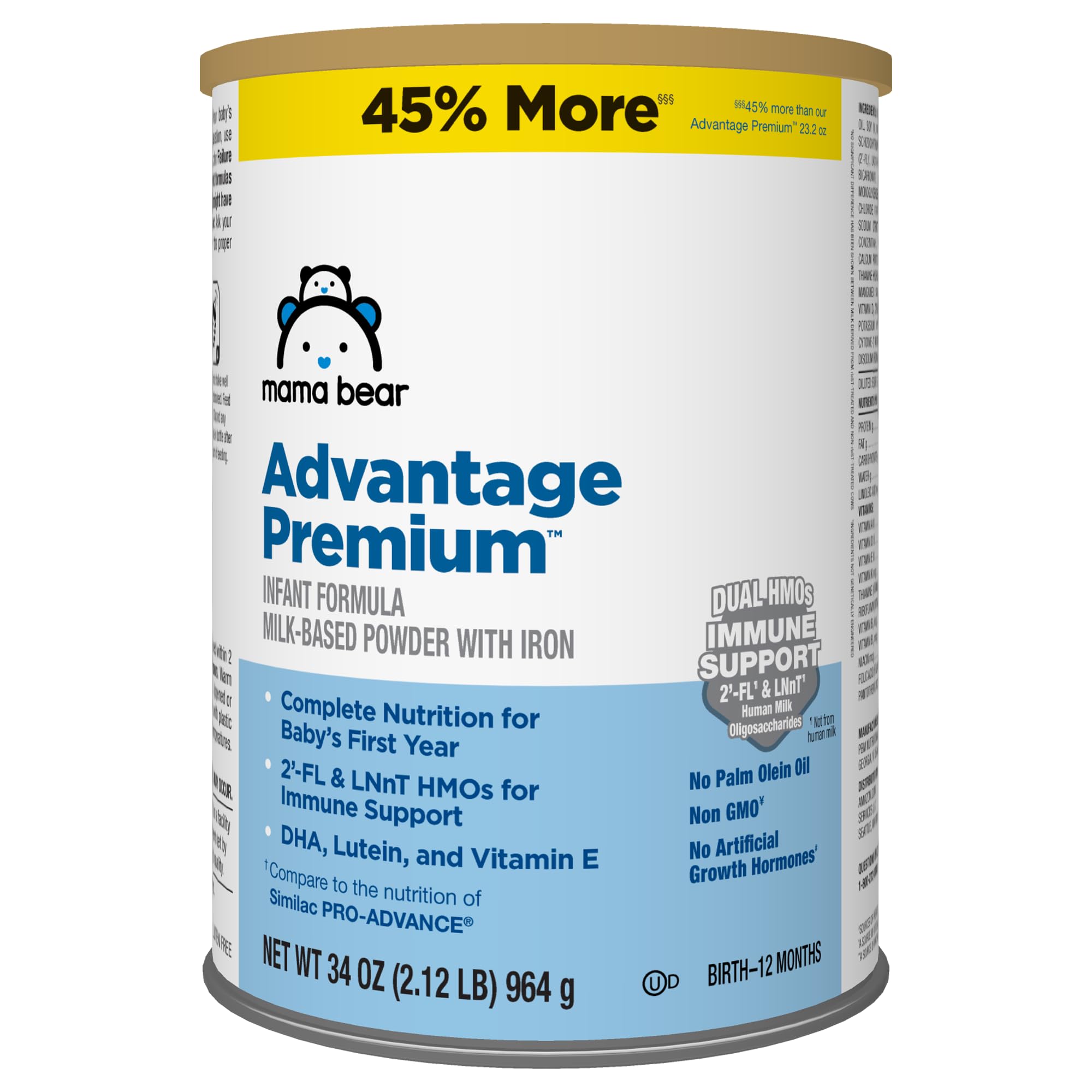
Mama Bear Advantage Premium is the most cost-effective way to get dual-HMO nutrition (2’-FL and LNnT) in an infant formula designed for the full first year. This is the Amazon-branded equivalent of Similac Pro-Advance, using the same two key HMOs that support immune health and beneficial gut bacteria, but at a price point that often undercuts the national brand by 25–30%. The 34-ounce can is larger than most competitors at this price tier, reducing the frequency of repurchases for families who feed formula as a primary nutrition source. It includes DHA, lutein, vitamin E, and choline—the standard brain and eye development support package—and is non-GMO with no artificial growth hormones or palm olein oil.
Parents transitioning from Similac to Mama Bear Advantage report that their babies detect no difference in taste or digestibility, making it a seamless switch for those looking to lower their monthly formula budget. The formula meets all FDA nutritional standards and is SNAP-eligible, which adds another layer of accessibility. For an 11-month-old who has already been on standard milk-based formula without digestive issues, this is the easiest recommendation for value-conscious families: you get the same HMO profile as the premium national brands for significantly less money per can.
The formula uses intact milk proteins, so it may not be the right choice if your 11-month-old shows signs of gas, reflux, or milk protein sensitivity. In those cases, the Mama Bear Gentle variant (reviewed above) is a better fit despite lacking the dual HMO advantage. Additionally, because this is an Amazon-owned brand, shipping times can vary during high-demand periods, and it is not available in most brick-and-mortar stores. If you rely on same-day shopping, this may not be your primary option. But for predictable subscription delivery, it is the strongest budget-conscious pick in this guide.
Why it’s great
- Dual HMOs (2′-FL + LNnT) at a fraction of Similac’s price
- 34 oz can provides strong volume for full-time feeding
- Direct nutritional equivalent to Similac Pro-Advance
Good to know
- Intact milk proteins may not suit sensitive or gassy babies
- Amazon-exclusive; not available for in-store purchase
5. Go & Grow 360 Total Care by Similac

Go & Grow 360 Total Care is technically labeled as a toddler nutritional drink (for 12+ months), but it appears on this list because many 11-month-olds are already transitioning to a diet with significant solid-food intake and may benefit from the unique 5-HMO prebiotic blend that no other formula on the market offers. The five HMOs (versus the standard one or two in most infant formulas) provide the closest prebiotic profile to breast milk currently available in a powder format, supporting gut microbiome diversity at a critical window. It also contains DHA, lutein, and vitamin E for brain and eye development, and no artificial growth hormones or palm olein oil.
The key consideration here is timing. If your 11-month-old is still relying on formula as the primary source of nutrition (more than 20 ounces per day), you should stick with a complete infant formula labeled 0–12 months. But if your baby is eating three solid meals per day with good iron sources (meat, fortified cereal, beans) and only takes 2–3 bottles as a supplement, Go & Grow 360 can bridge the gap into toddlerhood with superior prebiotic support. Many parents find this a useful transitional product to introduce around 11.5 months in preparation for the first birthday.
The can size is 24 ounces—smaller than the Mama Bear options—which means more frequent repurchases for full-time use. The powder is formulated to mix easily, though some parents note it can foam slightly more than Similac’s infant-stage powders. It is important to confirm that your pediatrician supports using a toddler drink before the 12-month mark, as iron content in toddler drinks is lower than in infant formulas by design. For the right 11-month-old approaching the toddler milestone with robust solids, the 5-HMO blend offers digestive benefits that standard infant formulas cannot match.
Why it’s great
- Exclusive 5-HMO blend for advanced gut and immune support
- No artificial growth hormones or palm olein oil
- Smooth transition option for babies nearing the 12-month mark
Good to know
- Lower iron than infant formula; only suitable if solids are well-established
- Marketing as “toddler drink” may confuse parents of 11-month-olds
6. Baby’s Only A2 Organic Milk Infant Formula

Baby’s Only A2 Organic addresses the growing demand for A2 beta-casein protein—a form of cow’s milk protein that is structurally closer to the protein found in human breast milk and lacks the A1 variant that can trigger inflammatory digestive responses in sensitive infants. This is not a hydrolyzed formula; it uses intact A2 milk protein, meaning the digestive benefit comes from the protein’s molecular structure rather than pre-digestion. For an 11-month-old who shows intolerance to standard milk-based formulas (gas, loose stools, eczema flares) but does not have a diagnosed cow’s milk allergy, switching to an A2 formula often resolves the issue without needing to move to expensive hydrolyzed or goat-milk alternatives.
The formula is USDA Organic and manufactured in small batches at a dedicated facility in Ohio with rigorous third-party testing. The proprietary fat blend uses organic oils paired with the A2 milk fat to create a digestion-friendly fatty acid profile that closely mirrors breast milk’s composition. Parents who made the switch report normalized bowel movements, reduced gas, and no fussiness—even for babies who previously reacted poorly to standard organic brands like Earth’s Best or Happy Baby. The 21-ounce can is a moderate size, and the powder dissolves well with normal shaking, leaving minimal residue.
The price per ounce is higher than standard infant formulas but competitive within the organic A2 niche. The 12-month labeling on the can means this formula is designed for the full first year, making it appropriate right up to your baby’s first birthday. However, availability on Amazon can be inconsistent—this product goes out of stock periodically, so a subscription with backup stock is advisable if your baby relies on it exclusively. For families who have tried multiple brands and suspect A1 protein intolerance, this is the most targeted solution available without a prescription.
Why it’s great
- A2 beta-casein protein is naturally gentler than standard A1 milk
- USDA Organic with no corn syrup, palm oil, or GMOs
- Small-batch US production with rigorous testing
Good to know
- Higher per-ounce cost than standard organic formulas
- Frequent out-of-stock periods require backup planning
7. Enfagrow NeuroPro Toddler Nutritional Drink

Enfagrow NeuroPro is the ready-to-drink toddler formula from the makers of Enfamil, intended for toddlers 12 months and older. It appears on this list strictly as a transitional option for parents who want to have it on hand for the weeks immediately following the first birthday. The formula contains the same MFGM + DHA brain-support duo found in Enfamil NeuroPro infant formula, plus prebiotics for digestive support and 6g of protein per serving from real milk. The convenience factor is undeniable: no mixing, no measuring, no warming—just twist, pour, and serve, which is invaluable for travel, daycare, or emergency backup bottles.
For an 11-month-old, this should not replace infant formula as the primary nutrition source. But as the birthday approaches and you begin the transition away from formula, having a few bottles on hand can ease the shift. The ready-to-drink format is shelf-stable until opened, making it easy to store in the pantry for spontaneous outings. Many parents with picky toddlers or children with feeding challenges (such as ARFID) find that Enfagrow NeuroPro is one of the few supplements their child will accept, helping maintain growth curves when solid food intake is inconsistent.
The major drawback is the cost per ounce, which is significantly higher than powder formulas. The 24-pack weighs over 15 pounds, so shipping costs can be substantial if not mitigated by Amazon Prime. Additionally, this product is designed for toddlers 1–3 years old, meaning the iron content is lower than infant formula and the overall nutrient profile is calibrated to supplement—not replace—solid food. Use it as a bridge, not a crutch, for those final weeks before the one-year mark. Once your baby turns 12 months, whole milk or this drink can serve as a daily supplement alongside a balanced solid-food diet.
Why it’s great
- Zero preparation needed; perfect for travel and emergencies
- Contains MFGM + DHA for continued brain support
- Real milk base with prebiotics for digestive health
Good to know
- Not recommended as primary nutrition before 12 months
- Higher cost per ounce compared to powder formulas
FAQ
Can I give my 11-month-old toddler formula instead of infant formula?
How do I transition my 11-month-old from breast milk to formula?
Should I switch to whole milk at 11 months or wait until 12 months?
My 11-month-old has gas on standard formula—should I switch to a gentle formula?
Final Thoughts: The Verdict
For most users, the best formula for 11 month old winner is the Enfamil NeuroPro because it combines the most clinically researched brain-development duo (MFGM + DHA) with a robust immune-supporting HMO blend—backed by the brand most pediatricians trust. If you want a gentle formula that reduces gas without sacrificing organic integrity, grab the Bobbie Organic Gentle. And for budget-conscious families who refuse to compromise on HMO prebiotics, nothing beats the Mama Bear Advantage Premium for its dual-HMO profile at a mid-range price.