
Managing galactosemia in infants means every feeding decision is a medical one. Because the body cannot break down galactose—a simple sugar found in lactose from dairy and some plant-based milks—every formula must be scrutinized for its carbohydrate source and protein type to prevent metabolic complications and long-term developmental issues.
I’m Mohammad Maruf — the founder and writer behind Drink4Good. I’ve spent hundreds of hours analyzing ingredient safety, carbohydrate profiles, and protein sources across the market to help you identify the safest, most effective milk substitutes for this condition.
The right option must provide complete nutrition without triggering galactose accumulation, which is why this guide highlights every safety and quality consideration that matters when selecting a formula for galactosemia.
How To Choose The Best Formula For Galactosemia
Galactosemia is an inherited metabolic disorder that prevents the conversion of galactose into glucose. This requires a formula that is completely free of any galactose source—including lactose, which is present in standard milk-based and many soy-based formulas. The safest alternative is an amino acid-based formula that uses non-galactose carbohydrates for energy.
Look for 100% Amino Acid Protein Sources
These formulas contain free amino acids rather than intact or hydrolyzed milk protein, which can still contain traces of lactose or galactose. Amino acid formulas are the gold standard for metabolic conditions, as they are easier to digest and carry no risk of galactose contamination.
Check the Carbohydrate Source
Corn syrup solids, tapioca maltodextrin, and sugar (sucrose) are safe for galactosemia because they do not contain lactose. Avoid lactose, galactose, or any ingredient derived from milk. Always scan the ingredient list for these safe sugar sources to ensure complete metabolic safety.
Confirm Nutritional Completeness
Infants with galactosemia need DHA, ARA, and a balanced vitamin/mineral profile to support growth and neurodevelopment, just like any baby. The formula must provide these while being entirely galactose-free. Check that the product meets recommended dietary allowances for infants up to 12 months.
Quick Comparison
On smaller screens, swipe sideways to see the full table.
| Model | Category | Best For | Key Spec | Amazon |
|---|---|---|---|---|
| Neocate Infant | Amino Acid | Gold standard safety | 100% amino acids, DHA/ARA | Amazon |
| EleCare | Amino Acid | Clinically proven relief | 100% amino acids, DHA/ARA | Amazon |
| Alfamino | Amino Acid | Severe malabsorption | MCT oil, lactose-free | Amazon |
| Pepticate | Extensively Hydrolyzed | Mild galactosemia (supervision) | Hydrolyzed whey, prebiotics | Amazon |
| Neocate Junior (1yr+) | Amino Acid | Toddler/galactosemia | 100% amino acids, unflavored | Amazon |
| EleCare Jr (1yr+) | Amino Acid | Older children/support | 100% amino acids, DHA/Lutein | Amazon |
| Similac Soy Isomil | Soy-Based | Milk protein allergy only | Soy protein, lactose-free | Amazon |
In‑Depth Reviews
1. Neocate Infant
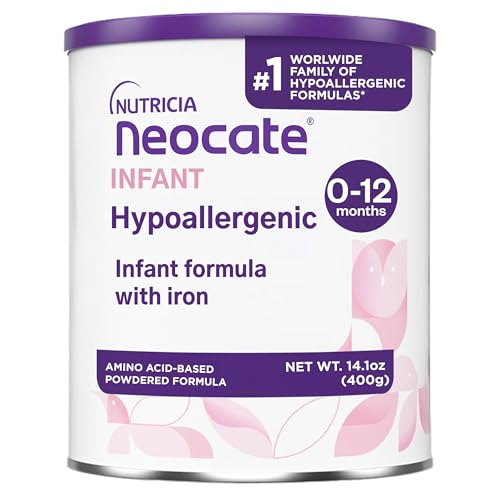
Neocate Infant is the gold standard for galactosemia management because it is a 100% amino acid-based formula, meaning it contains no intact proteins and no lactose or galactose of any kind. Clinically shown to provide relief from food allergy symptoms in as little as 3 days, this formula also includes DHA and ARA to support brain and eye development—critical for infants with metabolic conditions who may be at risk for developmental delays. The 14.1 oz can is a convenient size for early feeding stages.
Parents consistently report that Neocate is well-tolerated by babies who failed with soy-based or hydrolyzed formulas. Many note that it resolves severe reflux, eczema, and bloody stools linked to dairy allergies and galactosemia. The formula supports normal growth, with several reviews mentioning their child’s weight and height tracked around the 70th percentile after switching.
The taste is acceptable to most infants, though some note that amino acid formulas have a distinctive smell. It is also more expensive than standard options, but for severe cases requiring absolute galactose avoidance, this price is necessary for metabolic safety. Rinse bottle nipples in warm water before feeding to avoid clogging in colder preparation conditions.
Why it’s great
- 100% amino acids—zero risk of galactose contamination
- Contains DHA, ARA, and nucleotides for brain and immune development
- Proven symptom relief in days for severe allergies and metabolic issues
Good to know
- High cost compared to standard formulas
- Distinct odor that some babies may initially reject
- May require pre-warming bottle nipples to avoid clogging in cold conditions
2. EleCare Hypoallergenic Amino Acid-Based Infant Formula
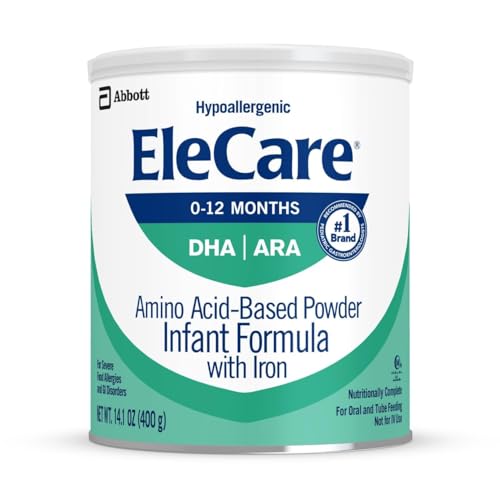
EleCare is the #1 amino acid-based brand recommended by pediatric gastroenterologists and pediatricians, making it a top choice for galactosemia. It is made with 100% free amino acids and is clinically shown to significantly improve symptoms in infants with malabsorption issues and short bowel syndrome. The formula includes DHA and ARA to support brain and eye development, and it is designed to support growth when used as a primary nutrition source.
Parents report that EleCare resolves newborn digestive distress within 24 hours, with less spit-up and discomfort than other dairy-free or sensitive formulas. One review noted it resolved their baby’s issues completely, allowing them to test cheaper alternatives before settling on a soy base—though EleCare remained the control for safety. While effective, the formula has a distinctive odor that some babies and parents find unusual.
The cost is very high—one parent compared it to an expensive whiskey on a per-ounce basis—but for infants with galactosemia, it remains a medically necessary expense. Subscription services and the Amazon subscribe-and-save option can help manage costs. The 14.1-oz can is easy to store and the powder mixes well without clumping.
Why it’s great
- #1 amino acid brand recommended by pediatric GI specialists
- Clinically proven to improve malabsorption and digestive distress
- Contains DHA, ARA, and iron for complete infant nutrition
Good to know
- Very expensive—one of the highest-cost options per ounce
- Unusual odor can take getting used to for parents and babies
- May cause green stools due to iron content (normal and harmless)
3. Alfamino Infant Formula
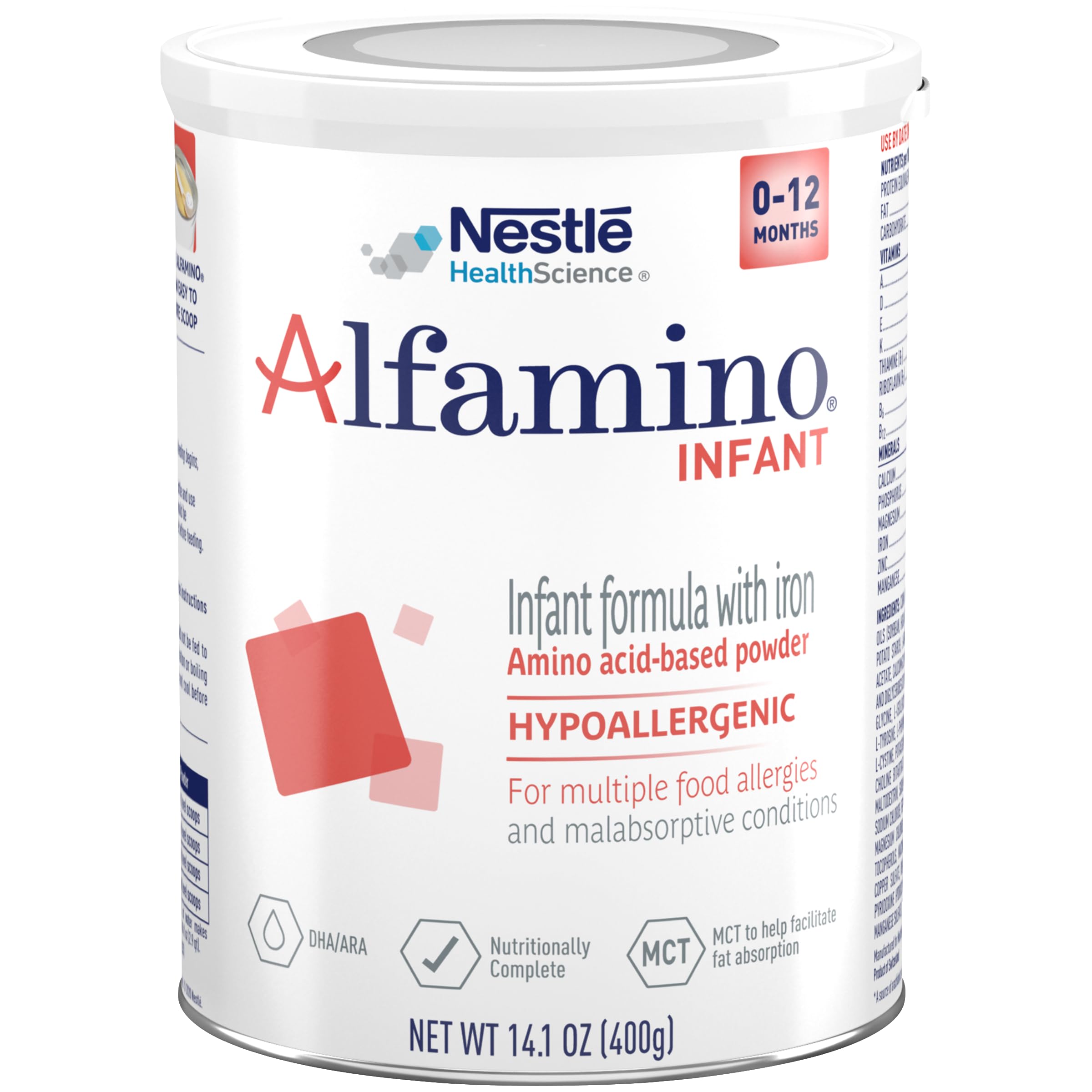
Alfamino by Nestlé Health Science is an amino acid-based formula specifically designed for severe malabsorption and multiple food allergies, making it a strong option for infants with galactosemia. Its unique fat blend includes medium-chain triglycerides (MCT) to facilitate fat absorption—crucial for babies with digestive compromise. The formula is lactose-free, gluten-free, and provides nutritionally complete support for infants from 0 to 12 months under medical supervision.
Parents report that Alfamino was the only formula that stopped projectile vomiting and bloody stools in babies with dairy allergies and galactosemia. One review from a family with a heart-condition baby noted it was life-changing, eliminating bloody stools completely. The taste is acceptable, with some parents noting their baby initially disliked it but eventually accepted it. A few recommend using prune juice and probiotics alongside the formula for optimal digestion.
Alfamino mixes well with minimal residue, though stools often turn green due to iron content—this is normal. While expensive, it offers superior weight gain compared to some competitors like Neocate, according to parent feedback. Be aware that the product is sensitive to heat and sunlight during shipping; ensure someone is available to accept delivery promptly.
Why it’s great
- Contains MCT oil for superior fat absorption in malabsorption cases
- Lactose-free and gluten-free for multiple dietary restrictions
- Proven to stop severe reflux, vomiting, and bloody stools
Good to know
- High cost—only for severe, medically necessary cases
- Initial taste rejection possible; may need gradual introduction
- Heat-sensitive packaging requires careful delivery planning
4. Pepticate Hypoallergenic Infant Formula
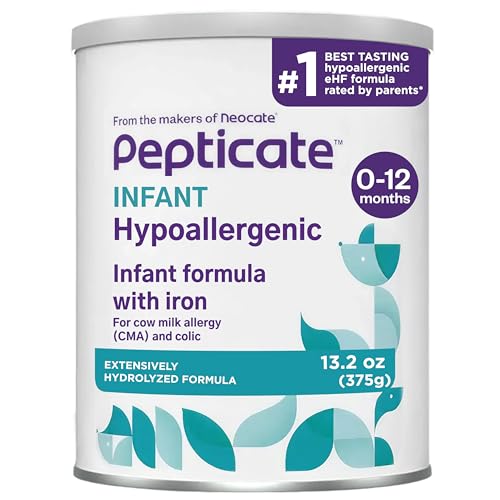
Pepticate is an extensively hydrolyzed formula (eHF) from Nutricia, rated as the best-tasting hypoallergenic eHF by parents. Because it uses hydrolyzed whey protein rather than 100% amino acids, it still contains trace milk proteins that may not be safe for classic galactosemia. This option should only be considered under strict medical supervision if your child’s galactosemia is mild or specifically diagnosed as a form that can tolerate very low galactose levels. The formula includes a prebiotic blend (GOS/FOS) designed to mimic breast milk.
Parents report Pepticate resolved colic, gas, reflux, and sleep issues within days for babies with cow’s milk protein allergy (CMPA). It has a better smell and taste than other hypoallergenic formulas, making feeding less of a struggle. However, it is an extensively hydrolyzed formula, not a 100% amino acid formula, meaning it is not the primary recommendation for classic galactosemia.
The formula is easy to mix with a 1:1 ratio and contains DHA/ARA and nucleotides. It is also available in a 13.2 oz can size. Note that it is not as widely available in the US as some competitors and may require special ordering from a medical supply company.
Why it’s great
- Rated as the best-tasting hypoallergenic eHF by parents
- Contains DHA, ARA, and prebiotics for digestive and brain health
- Proven to resolve colic, reflux, and severe gas in CMPA babies
Good to know
- Not 100% amino acid—only suitable for mild galactosemia under supervision
- May still contain trace galactose from hydrolyzed whey
- Limited availability in the US; may require special order
5. Neocate Junior (1+ years)
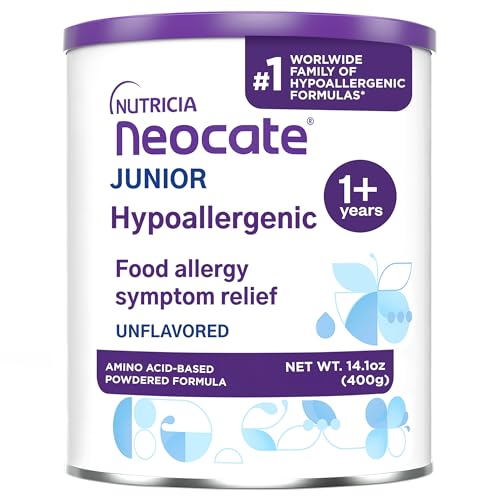
Neocate Junior is the amino acid-based formula designed for children aged 1 year and older, making it the perfect continuation formula for children with galactosemia as they grow out of infancy. It provides age-appropriate nutrition using 100% non-allergenic amino acids, with no risk of galactose contamination. The unflavored version is available in a 14.1 oz can, and the Neocate brand also offers flavored variants (vanilla, strawberry, chocolate) to appeal to older toddlers and children.
Parents with older children on this formula describe it as life-saving—one parent with MCAS (mast cell activation syndrome) uses it as their sole food source alongside gluten-free oatmeal. Others note that it is the only formula their toddlers with severe reflux and cow protein allergy can tolerate. One GI specialist described Neocate as the “Mercedes of formulas” in terms of quality and safety.
Some children may experience constipation on regular Neocate Junior, with the “Syneo” version (which includes probiotics) being more suitable for those cases. The taste is better than infant formulas but still not comparable to standard milks. Amazon delivery delays have been reported, which can be critical for a formula that is a medical necessity—ordering ahead and subscribing is strongly advised.
Why it’s great
- 100% amino acid-based—completely galactose-free for toddlers
- Available in multiple flavors for picky eaters (unflavored, vanilla, strawberry, chocolate)
- Trusted with 35+ years of expertise across the world
Good to know
- High cost; may be prohibitively expensive without insurance coverage
- Some children experience constipation on the regular version
- Amazon shipping delays reported; order well in advance
6. EleCare Jr Unflavored (Ages 1+)
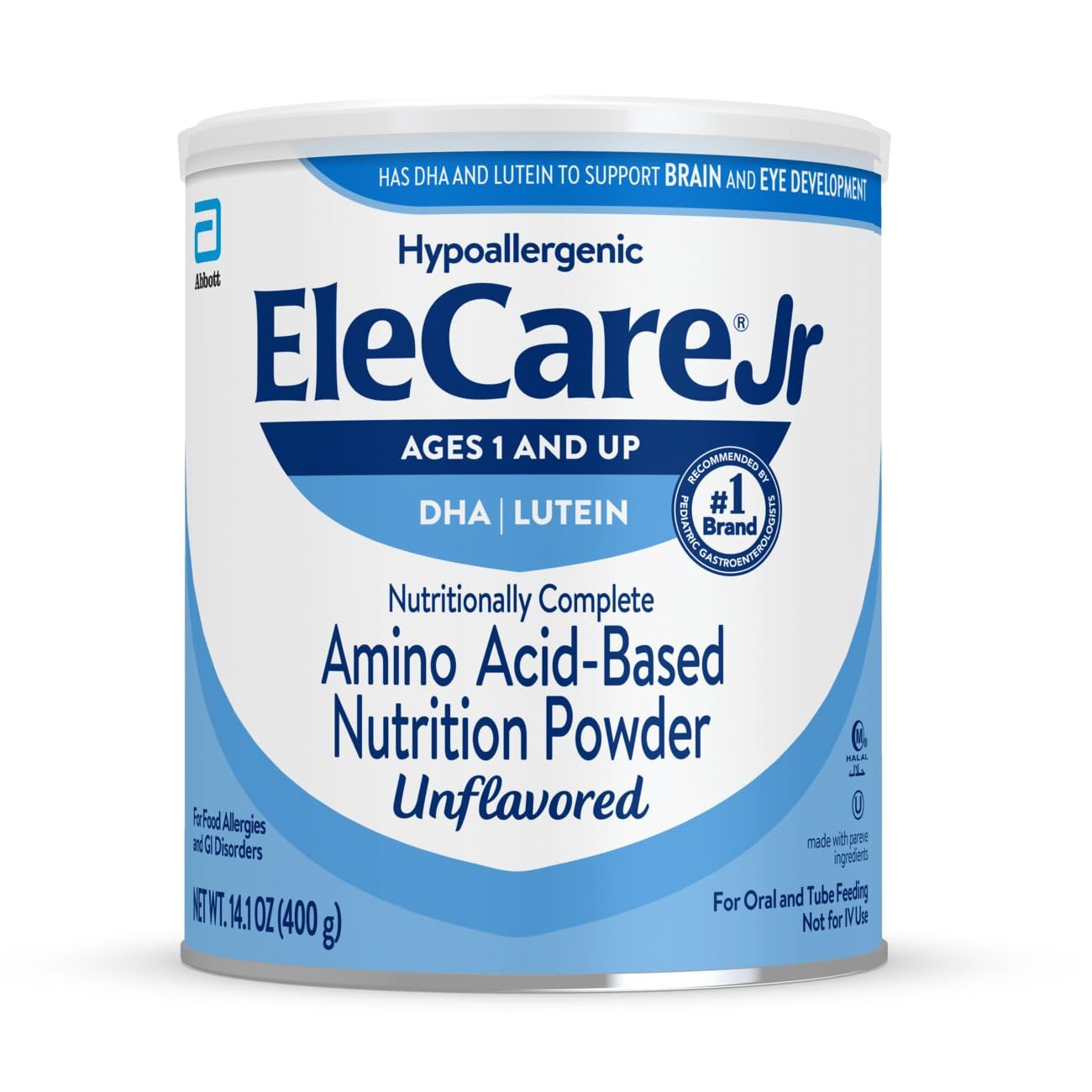
EleCare Jr is the toddler/children’s version of the EleCare line, designed for children aged 1 to 13 years who require complete amino acid-based nutrition. It meets or exceeds 100% of the dietary reference intakes for protein and 25 essential vitamins and minerals. The formula includes DHA and lutein for continued brain and eye development, making it an excellent choice for growing children with galactosemia.
Parents report that this formula has been a lifesaver for children with multiple food allergies and severe dietary restrictions. The formula is flavorless and odorless, making it easy to mix into yogurt or other foods for added nutrition.
This formula also comes with the addition of the Pathway Plus program, which assists families in finding insurance coverage options for medically necessary nutrition. At a premium price point, this support can be invaluable. The date first available was April 2025, so it may be harder to find in some retailers yet.
Why it’s great
- 100% amino acid-based for complete galactose avoidance in older children
- Contains DHA and lutein for cognitive and visual development
- Pathway Plus program helps with insurance coverage for medical necessity
Good to know
- Very expensive; requires insurance support for most families
- Newly released formula (April 2025) with limited availability
- Flavorless texture may need mixing with other foods for acceptance
7. Similac Soy Isomil

Similac Soy Isomil is a soy-based formula that is lactose-free, making it suitable for infants with cow’s milk protein allergy or lactose intolerance. However, it is critically important to note that soy-based formulas can still contain trace amounts of galactose derived from processing, and are not recommended for classic galactosemia. The carbohydrate source for this formula is corn syrup solids and sugar—which are safe for galactosemia—but the soy protein itself may be contaminated with galactose during manufacturing.
Parents who reviewed this product consistently recommend it for babies with dairy intolerance, noting normalized stools and reduced fussiness. The formula is vegetarian-friendly and contains DHA and lutein for brain and eye development. It is also the #1 infant formula brand fed in hospitals, which speaks to its overall quality and safety for standard allergies.
For a child with diagnosed galactosemia, this formula is not safe without explicit approval from a metabolic specialist. If your child has a milder form of galactosemia or is undergoing a supervised trial, this option is widely available at a mid-range price and can be delivered via subscribe-and-save. Always consult your doctor before switching to any soy-based formula for galactosemia management.
Why it’s great
- Lactose-free and widely tolerated for dairy allergies
- Contains DHA, lutein, and prebiotics for complete nutrition
- Affordable and widely available compared to amino acid formulas
Good to know
- Not safe for classic galactosemia without medical approval
- May still contain trace galactose from soy processing
- Only suitable for mild, supervised cases of galactosemia
FAQ
Can my baby with classic galactosemia use a soy-based formula?
How do I confirm a formula is completely galactose-free?
Is it safe to use an extensively hydrolyzed formula for mild galactosemia?
Final Thoughts: The Verdict
For most infants with classic galactosemia, the formula for galactosemia winner is the Neocate Infant because it offers 100% amino acid safety with DHA/ARA for brain development and decades of clinical backing. If you need a proven clinician-recommended alternative with a strong GI approval base, grab the EleCare Hypoallergenic Infant Formula. And for toddlers and older children managing galactosemia, nothing beats the Neocate Junior (1+ years) for continued age-appropriate nutrition without galactose risk.