
A climbing rose that delivers nothing but green leaves and an occasional colorless flower is a trellis wasted. The real prize is a variety that blankets your arbor, fence, or wall with waves of deeply fragrant blossoms — the kind whose perfume stops you mid-step as you walk through the garden. Too many mass-market climbers prioritize disease resistance over fragrance, leaving you with a healthy but scentless vine. This guide cuts through the nursery noise to find roses that actually smell like roses.
I’m Mohammad Maruf — the founder and writer behind Drink4Good. I have spent many hours analyzing grower specifications, own-root versus grafted hardiness data, bloom-cycle reports, and verified customer feedback on fragrance intensity and rebloom performance to build this list.
Whether you are covering a bare wall, arching over a gate, or training a specimen up a pergola, the right selection comes down to matching scent style, mature height, and zone hardiness. These are the best fragrant climbing roses to plant this season.
How To Choose The Best Fragrant Climbing Roses
Not every rose labeled “fragrant” delivers an aroma strong enough to fill a garden. Many nursery tags use the word loosely. The difference between a weakly scented rose and one that perfumes an entire side yard comes down to three factors: the plant’s root type, its bloom cycle, and its genetic scent profile.
Prioritize Own-Root Plants for Maximum Fragrance
A grafted rose has a top variety fused onto a different rootstock, which can dilute scent expression over time and produce less vigorous canes. An own-root rose grows entirely from one variety, so every stem and flower is genetically identical to the parent. This consistency means the fragrance intensity you read about in descriptions is exactly what you get. All of the premium picks in this guide are own-root plants.
Match Bloom Cycle to Your Scent Season
Once-blooming climbers, like many old garden varieties, produce a spectacular floral display for four to six weeks in late spring, then stop. If you want fragrance from early summer through the first frost, choose a repeat-blooming or continual-blooming variety. Most modern climbers bred for fragrance fall into this second category. Check the expected blooming period on the product page before you buy.
Read the Hardiness Zone, Not Just the Label
A rose rated for zones 5-9 will not survive a zone 4 winter without heavy mulching and dieback. Conversely, a rose rated for zones 4-10 is a safer bet for northern gardeners who still want intense scent. Always cross-reference the listed zone range with your local climate. The products in this guide range from zone 4 to zone 10, covering most of the continental US.
Quick Comparison
On smaller screens, swipe sideways to see the full table.
| Model | Category | Best For | Key Spec | Amazon |
|---|---|---|---|---|
| Arborose Tangerine Skies | Premium | Fragrant orange blooms on fences | 8 ft tall, own root, zones 5-10 | Amazon |
| Earth Angel Parfuma | Premium | Peony-shaped blush pink cut flowers | 4-5 ft tall, own root, zones 5-10 | Amazon |
| Heirloom The Pilgrim | Premium | Exceptionally fragrant yellow climber | 8-12 ft tall, own root, zones 5-10 | Amazon |
| Heirloom Viking Queen | Mid-Range | Very fragrant continual bloomer | 10-11 ft tall, own root, zones 4-10 | Amazon |
| Josephs Coat | Mid-Range | Multi-color wall coverage | 12 ft tall, 1.5 gal, zones 5-10 | Amazon |
| Rise Up Ringo | Value | Golden yellow with red eye accent | 3-5 ft tall, organic, zones 4-9 | Amazon |
| Ma Cherie Don Juan | Value | Strong red climber with large blooms | 2 qt pot, own root, full sun | Amazon |
In‑Depth Reviews
1. Arborose Tangerine Skies Climbing Rose Plant
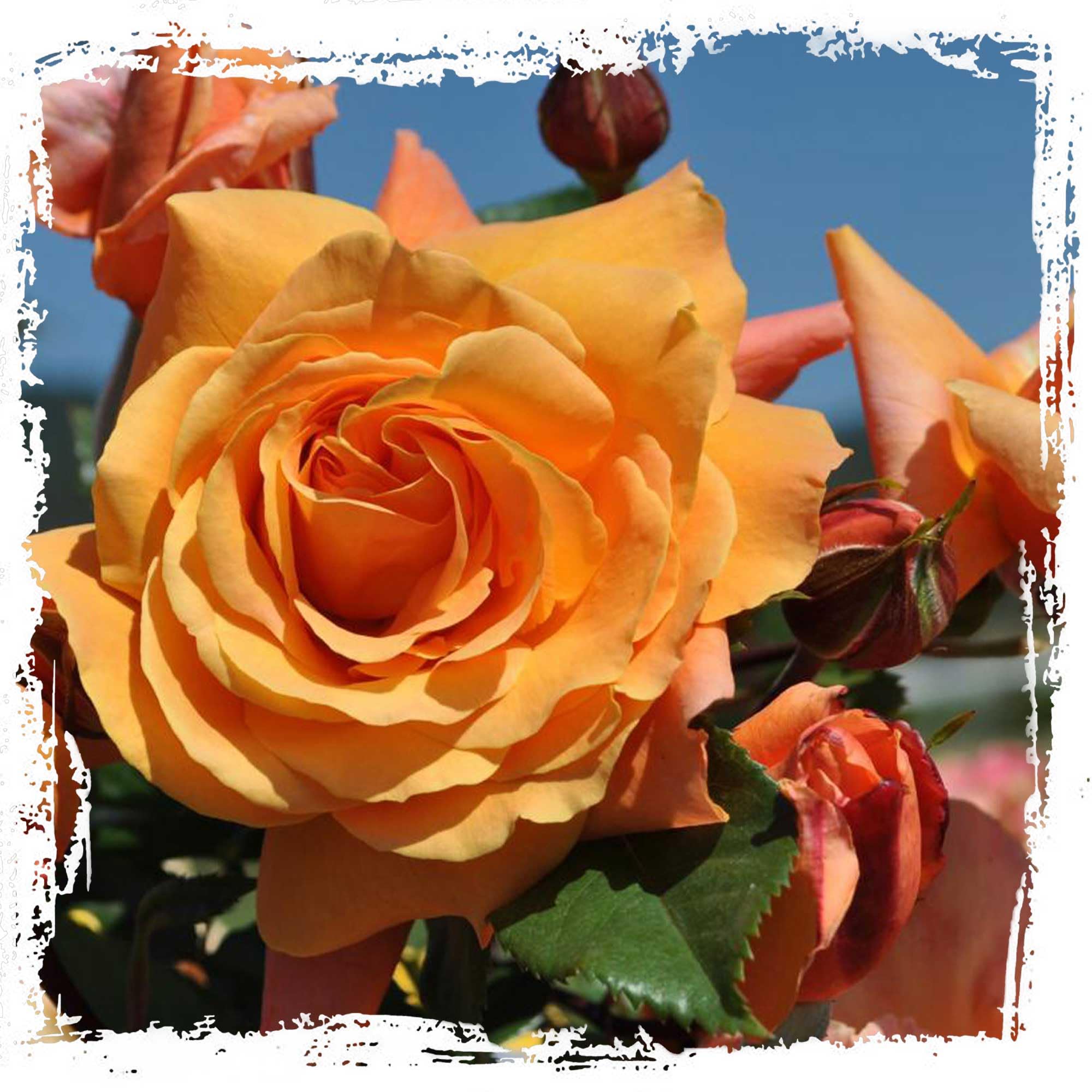
The Tangerine Skies delivers exactly what its name promises: large, four-inch, deeply fragrant orange flowers set against glossy deep green foliage. As a Kordes variety grown on its own roots, this climber offers better winter hardiness and consistent bloom expression than grafted alternatives. It reaches a manageable eight feet tall and four feet wide, making it one of the most adaptable fragrant climbers for trellises, fences, or large patio containers.
Customer reports confirm thick roots and healthy leaves upon arrival, with plants settling in quickly after planting. The own-root genetics provide a sturdy start for zones 5 through 10, and the repeat-blooming habit means you get that citrus-tinged rose perfume from spring through fall. The 1.5-gallon fiber container includes slow-release fertilizer, so you avoid the root disturbance of bare-root planting.
The only notable caveat is patience: some growers reported no blooms in the first year, followed by strong flowering in the second season after reducing fertilizer. Avoid overfeeding and this rose rewards you with consistent, fragrant flowers that stand out against darker fences or stone walls.
Why it’s great
- Large, intensely fragrant orange blooms repeat all season
- Own-root construction for hardier growth and truer scent
- Compact 8-ft mature size fits smaller garden spaces
Good to know
- May not bloom heavily until second year after planting
- Sensitive to over-fertilization which stalls flower production
2. Earth Angel Parfuma Rose
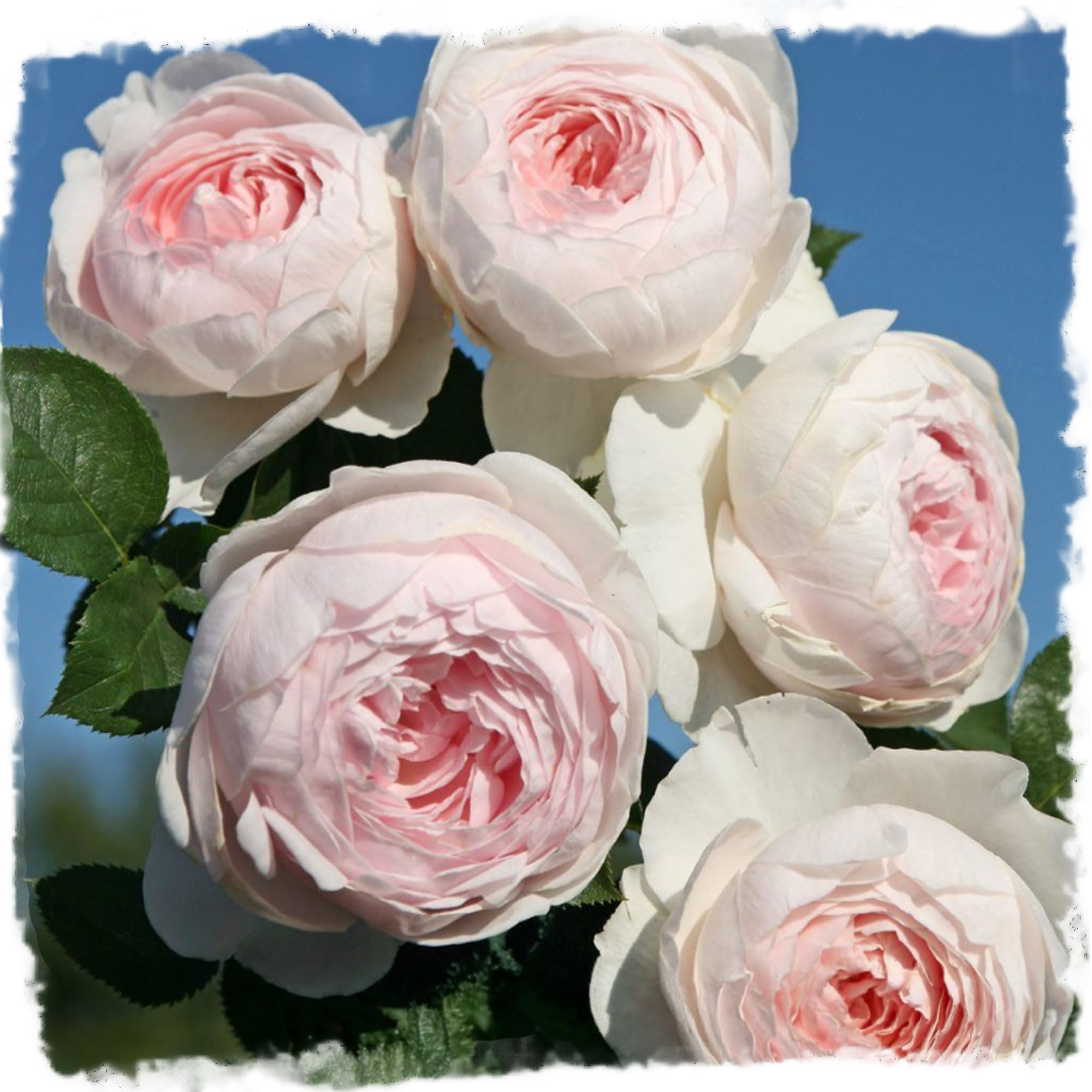
The Earth Angel Parfuma is a shrub-sized rose with a climber’s ambition. Although officially listed at four to five feet tall, verified growers report it shooting past six feet, suggesting it has the genetic potential for serious vertical growth. Its cream and blush pink blooms form in clusters with a high petal count reminiscent of cabbage roses, and the fragrance is described as a sweet, classic perfume that fills the air around the plant.
Delivered in a 1.5-gallon fiber pot with fast-start fertilizer, the Earth Angel settles in with minimal transplant shock. It flowers from April through September in most climates, making it one of the longest-blooming fragrant options for zone 5 through 10 gardens. Growers in zone 8b reported blooms within seven weeks of planting, even after surviving a hailstorm, a testament to its resilience.
The main consideration is size: if you need a precise four-foot shrub, this rose may outgrow that expectation. But if you want a dense, fragrant, repeat-blooming plant that can be trained as a short climber on a low trellis or pillar, the Earth Angel is exceptional. It also works beautifully as a cut flower for indoor arrangements.
Why it’s great
- Intensely sweet perfume with peony-shaped double blooms
- Fast, vigorous growth from own-root genetics
- Long bloom window from April through September
Good to know
- Mature height may exceed 5 ft, acting more like a short climber
- First blooms can be smaller than expected, increase in size year two
3. Heirloom English Climbing Roses The Pilgrim

The Pilgrim from Heirloom Roses is a medium-yellow climbing rose from the English breeding tradition, known for producing exceptionally fragrant flowers with a classic old-rose scent. It reaches eight to twelve feet at maturity with a five-foot spread, making it a true vertical specimen for arbors, pergolas, and tall fences. The own-root construction ensures that every cane delivers the same intense fragrance throughout the plant’s life.
Plants arrive 12 to 15 inches tall in one-gallon containers with rich soil, and may be partially defoliated for shipping. Growers report that the initial appearance can be underwhelming — a “wee little twig” — but the growth rate is impressive. One Texas grower reported a full fence climb within three months, and another noted that the first flowers appeared white before maturing to a soft yellow as the plant established. The continual blooming habit keeps flowers coming from spring through fall.
The primary risk is the first-year establishment period. The plant can take two to three years to reach full blooming potential, and some customers received stressed plants that did not survive. Stick to the Heirloom guarantee’s care instructions, avoid granular fertilizers, and be prepared for patience in year one.
Why it’s great
- Classic English rose fragrance with continual blooms
- 8-12 ft mature height ideal for tall structures
- Own-root for consistent scent expression in all canes
Good to know
- May take 2-3 years to produce full flush of blooms
- Some plants arrived smaller than advertised; stress risk in transit
4. Heirloom Climbing Roses Viking Queen
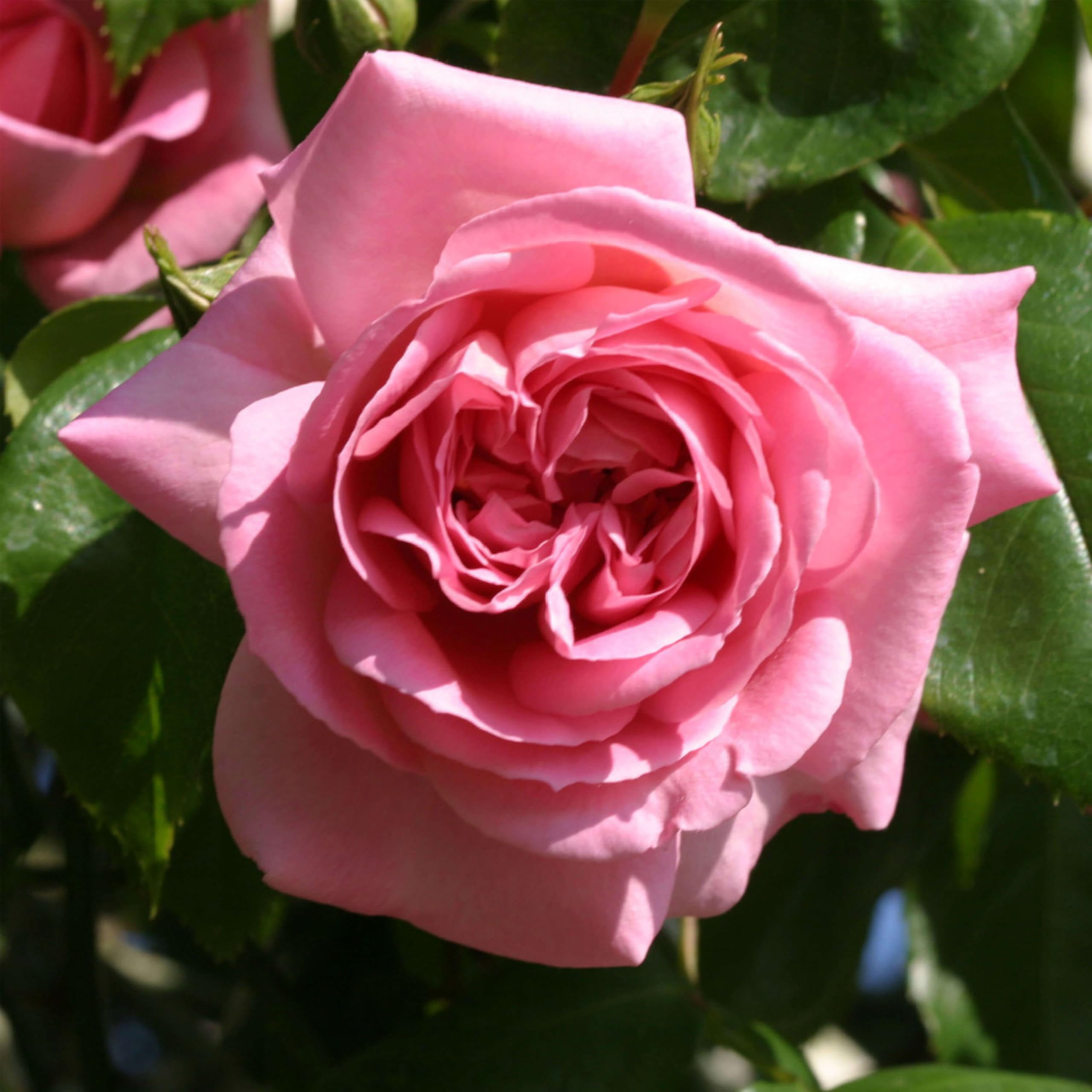
Viking Queen is the cold-hardy champion of this list, rated for zones 4 through 10. That means northern gardeners who typically struggle to keep climbing roses alive through harsh winters can expect this own-root plant to survive and thrive. At ten to eleven feet tall with a seven-foot spread, it provides substantial coverage for large walls or long fence lines, and its continual blooming habit ensures fragrance from spring through fall.
The plant arrives 12 to 15 inches tall in a one-gallon container, and growers consistently report excellent condition upon arrival with fast growth after planting. One customer in New Mexico noted that bare stems leafed out within a week. The flowers are described as very fragrant, typical of Heirloom’s own-root lineup, and they appear in waves throughout the season rather than in a single flush.
The downside is inconsistency. Heirloom’s customer service has been criticized by some growers who experienced poor plant quality, and one reviewer reported that most of their roses barely survived the first year. Buying from a reputable seller with a return policy is advisable. That said, the zone 4 hardiness combined with continual bloom makes Viking Queen a unique option for cold-climate rose lovers.
Why it’s great
- Hardy to zone 4, surviving winters most climbers cannot
- 10-11 ft mature height for large-scale coverage
- Continual blooming with very fragrant flowers
Good to know
- Some plants struggled after first year; quality varies
- Customer service response can be slow on complaint issues
5. Josephs Coat Climbing Rose
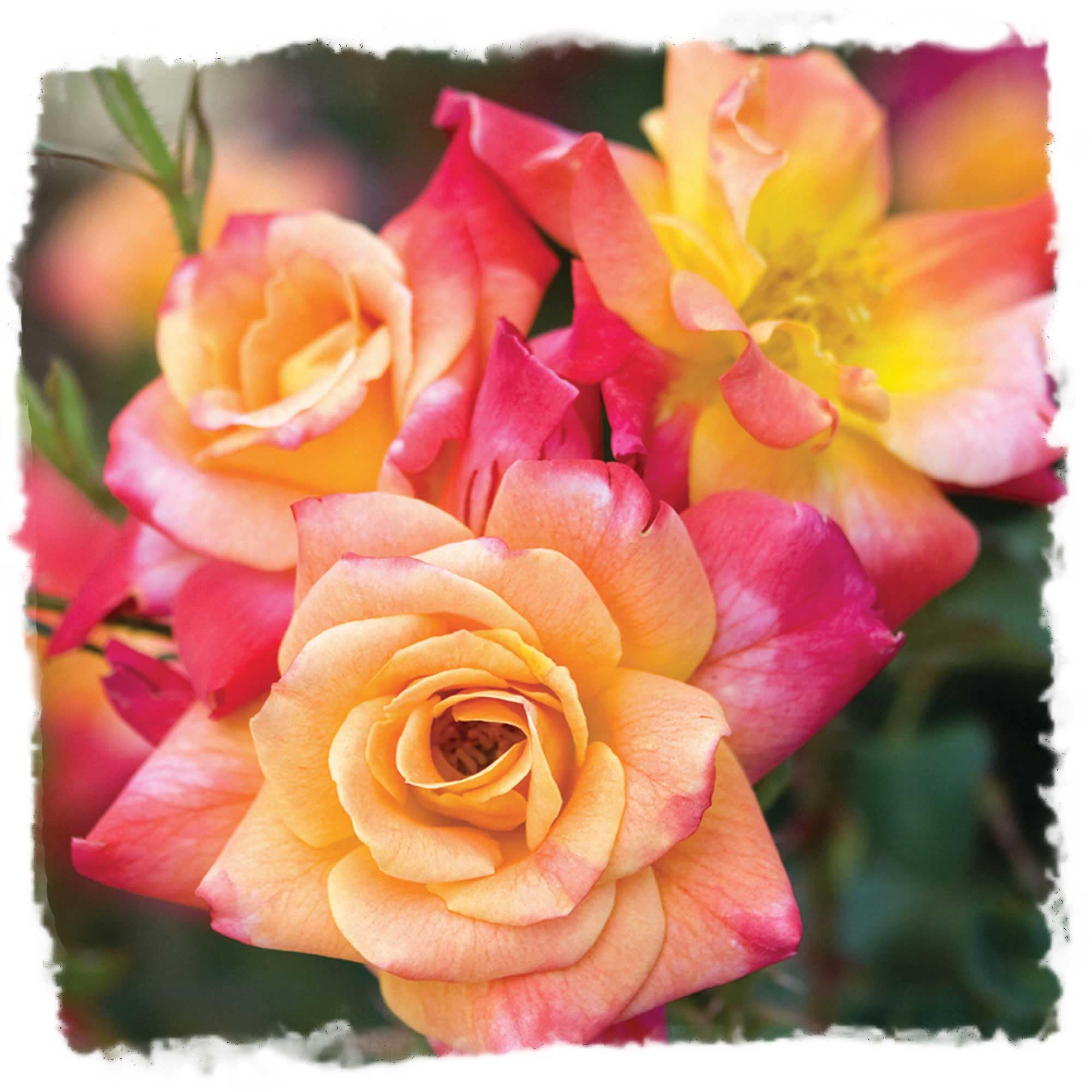
Josephs Coat is the most visually dramatic climber in this lineup, producing double flowers in shifting shades of apricot, pink, orange, and yellow on the same plant. While its fragrance is lighter than the dedicated scent varieties on this list, it earns its place through sheer floral abundance and a vigorous twelve-foot mature height that covers walls and fences quickly. It is a repeat bloomer, so the color show lasts from spring through fall.
Delivered in a 1.5-gallon fiber container with fast-start fertilizer, the plant ships partially dormant in early spring. Customers report that it looks small at first, but the growth rate is notable — growers saw it triple in size within two months, with blooms appearing within the first week after planting. The hardy canes are easy to train, and the plant thrives in full sun with regular watering across zones 5 through 10.
The trade-off is fragrance intensity. If you want a rose that perfumes the entire garden, Josephs Coat is not the top choice. But if you want a rapid-growing, multi-colored wall of flowers that offers some scent and massive visual impact, it is a reliable workhorse. Some experienced growers reported a 50/50 survival rate from this seller, so inspect the plant carefully upon arrival.
Why it’s great
- Unique multi-color blooms change from apricot to yellow
- Grows to 12 ft tall, ideal for covering large walls
- Fast growth with blooms in as little as one week after planting
Good to know
- Fragrance is lighter compared to dedicated scent varieties
- Some plants arrived frail and died despite proper care
6. Proven Winners Rise Up Ringo Climbing Rose Shrub

Rise Up Ringo is a compact climber that reaches only 36 to 60 inches tall, making it one of the few fragrant climbing roses suitable for large containers and small-space gardens. Its double golden yellow flowers feature a striking bright red eye, creating a bicolor effect that stands out against the dark green foliage. The organic growing material and low-maintenance care requirements make it a solid entry-level option for gardeners who want fragrance without demanding a lot of pruning or spraying.
Hardy in zones 4 through 9, this Proven Winners variety ships dormant from winter through early spring, meaning it arrives as a bare-root or semidormant plant. Customers report that the condition upon arrival is excellent, with many seeing blooms within days of potting. The compact size also means it works well as an accent in mixed borders or trained on a short obelisk, rather than requiring a full-size arbor.
The main limitation is its small stature. This rose will not cover a tall fence or climb a pergola, so do not buy it expecting twelve-foot coverage. Additionally, some growers reported that while the plant stayed alive, it did not thrive or produce blooms in the first summer. The slow establishment is typical of dormant-shipped plants, and the second season usually brings the floral display buyers expect.
Why it’s great
- Unique golden yellow with red eye bicolor blooms
- Compact 3-5 ft height fits containers and small gardens
- Low maintenance, organic material, hardy to zone 4
Good to know
- Not a true climber for tall structures
- May not bloom in first season after dormant shipping
7. Ma Cherie Roses Don Juan Red Climbing Rose

The Don Juan from Ma Cherie Roses is a dark red climber with strong fragrance and large blooms that appear all season long. It arrives in a 2-quart pot with a specialized soil mix and comes with a complimentary cotton rose bag — a thoughtful touch that indicates the grower’s attention to plant health. The own-root construction means this rose should produce vigorous growth with consistent scent for years.
Customers in challenging climates like southern Arizona report that the plant sprouted leaves and rooted nicely within a week of planting. The blooms are described as very red and hardy, with a strong classic rose fragrance. The grower claims the plant grows very fast to its mature size, though the exact mature height is not specified in the listing. The year-round expected planting period and all-season blooming cycle are advantages for gardeners in warmer zones.
The main concern is the lack of detailed mature-size information in the product specifications. Without a clear height range, it is difficult to plan spacing and trellis placement. Additionally, the 2-quart pot size means the plant is younger and smaller than the 1.5-gallon offerings from other growers, so you may wait longer for it to reach climbing size. For the price, the strong fragrance and own-root genetics still make it a compelling value option.
Why it’s great
- Strong dark red flowers with intense fragrance
- Grown on own roots for hardier long-term growth
- Blooms all season with fast early growth
Good to know
- Mature height and spread not clearly listed
- 2-quart pot is smaller than 1.5-gallon competitors
FAQ
How do I know if a climbing rose is truly fragrant before buying?
Will a climbing rose survive winter in zone 4?
What does “continual blooming” mean on a rose product page?
How long does it take for a climbing rose to reach full mature height?
Final Thoughts: The Verdict
For most users, the best fragrant climbing roses winner is the Arborose Tangerine Skies because it combines large, intensely fragrant orange blooms with a compact eight-foot mature size and reliable own-root hardiness in zones 5-10. If you want peony-shaped blush pink flowers with a sweet perfume perfect for cutting, grab the Earth Angel Parfuma. And for a classic English yellow climber that reaches twelve feet and delivers exceptional old-rose fragrance, nothing beats the Heirloom The Pilgrim.